Independent buying guidance · US editionHow we work
Gearjury
All categories
All categories
Best picksGood Meat Thermometers for Every Kind of Cook
Best picksBest WiFi Extenders: Which Range Extender Should You Buy?
Best picksBest Dash Cams for Cars in 2026
Best picksBest Radar Detectors for Cars: Models Compared
Best picksGood Winter Gloves for Cold Weather: Five Useful Picks
Best picksBest Headlamps: Six Lights Compared for Different Uses
Best picksTop 10 Best Battery-Powered Weed Eaters for Different Yards
Best picksBest Portable Air Coolers for Patios, Workshops and Small Spaces (2026)
Best picksBest Air Purifier for Bedroom in the US: Quiet Models Compared
United StatesEnglish

Category hub

IHS Air Cooler Plus: How to Identify the Right Evaporative Model

Start by confirming the exact IHS Plus model and whether it is a room cooler or another appliance. Then check its water system, airflow needs and maintenance instructions.

The IHS air cooler plus search can lead to model names that are not consistently documented across public listings. Before buying, match the label on the unit to an official manual, then compare whether it uses evaporative pads, how water is supplied and what ventilation the room needs. This page explains those checks and points you toward related room-cooling options.

IHS Air Cooler Plus: How to Identify the Right Evaporative Model

Common questions

Questions before you buy

How do I identify an IHS Plus air cooler model?

Check the rating label on the appliance and compare its full model code with the manufacturer manual or support record. A shortened listing title may not identify the exact revision.

Is an IHS evaporative air cooler the same as an air conditioner?

No. Evaporative coolers use water to provide cooling and increase indoor humidity; conventional air conditioners use a refrigeration cycle. Their climate and ventilation requirements differ.

Does an evaporative cooler need an open window?

Many direct evaporative systems need an outlet for air, such as an open window or vent. Follow the instructions for the exact unit.

What should I check before using a used cooler?

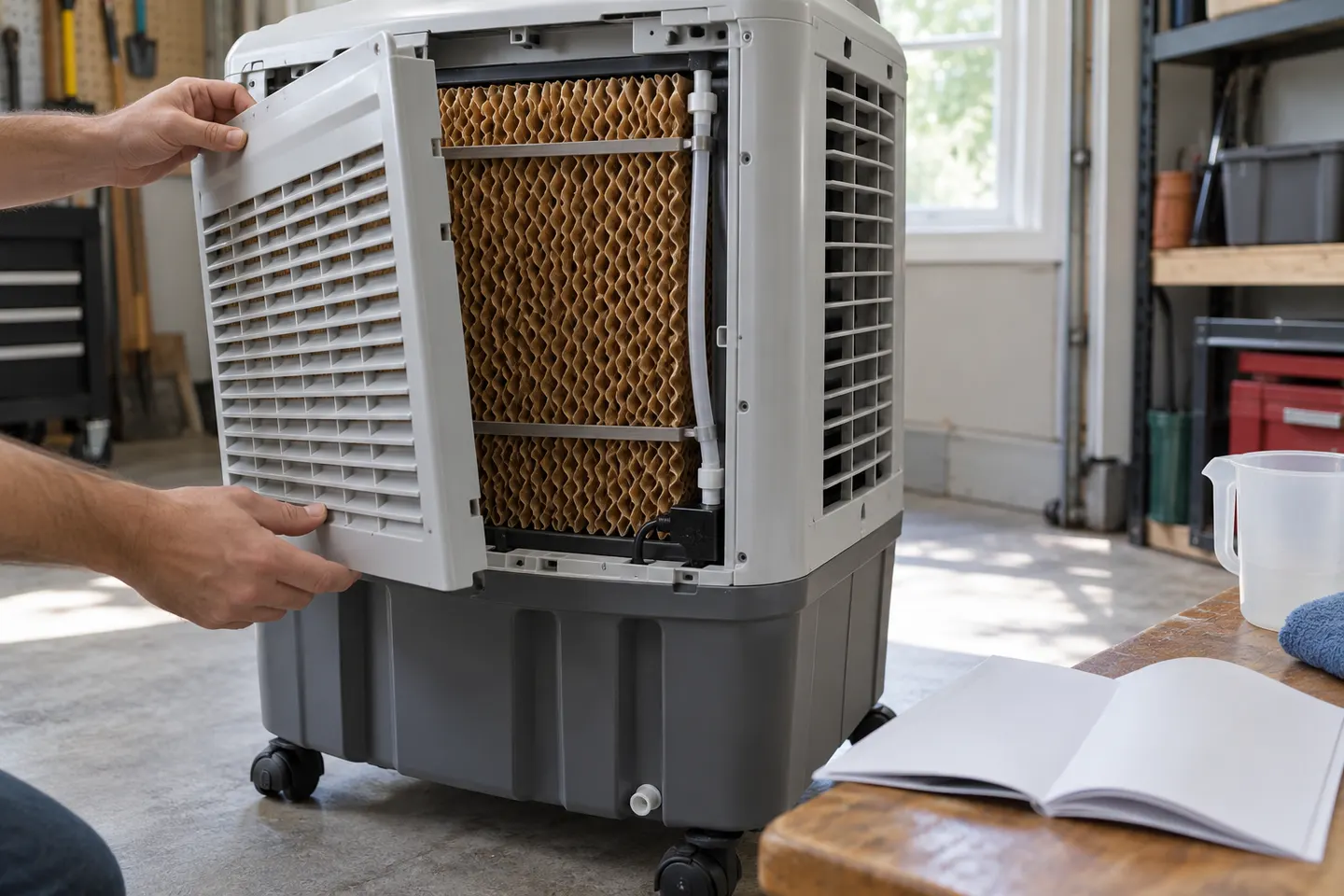
Inspect the tank, pump, pads, cord and controls, and look for the model manual. Clean and maintain it as the manufacturer directs before operating it.