









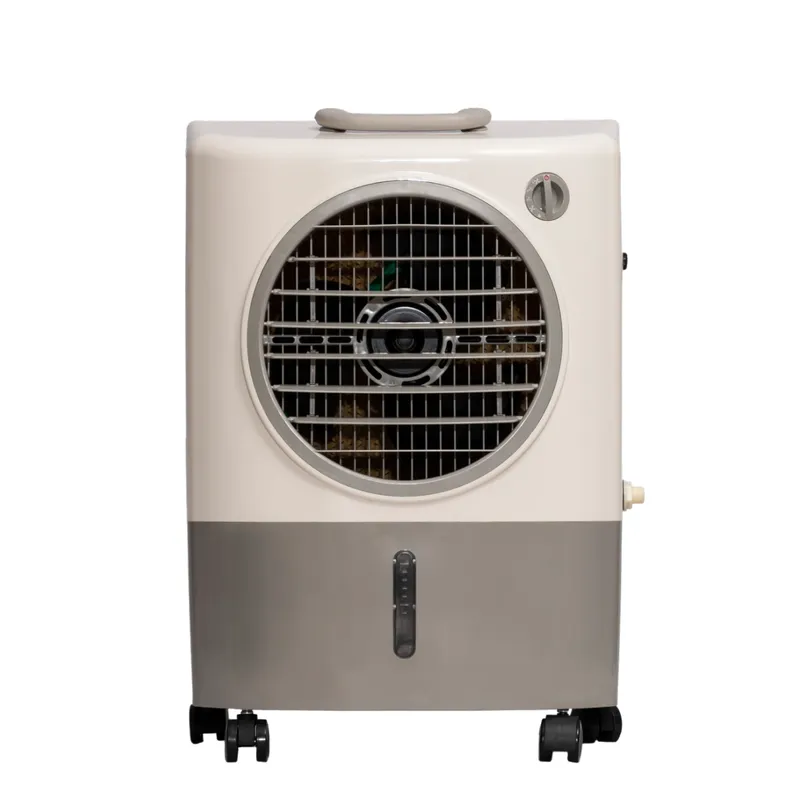
 Official manufacturer image
Our picks
Top picks
Official manufacturer image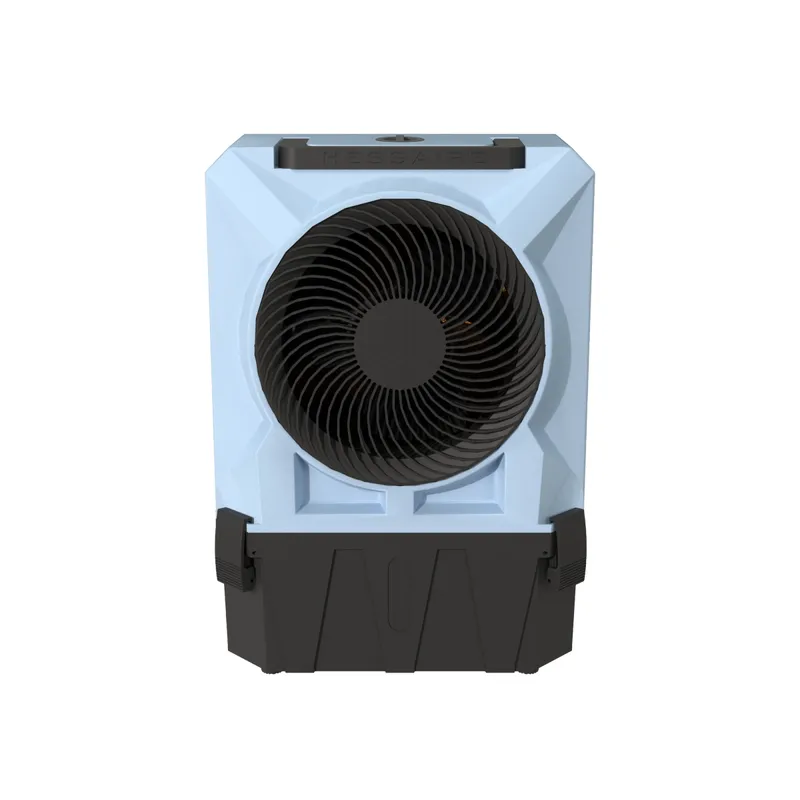 Official manufacturer image
Hessaire MC12V
Check price on Amazon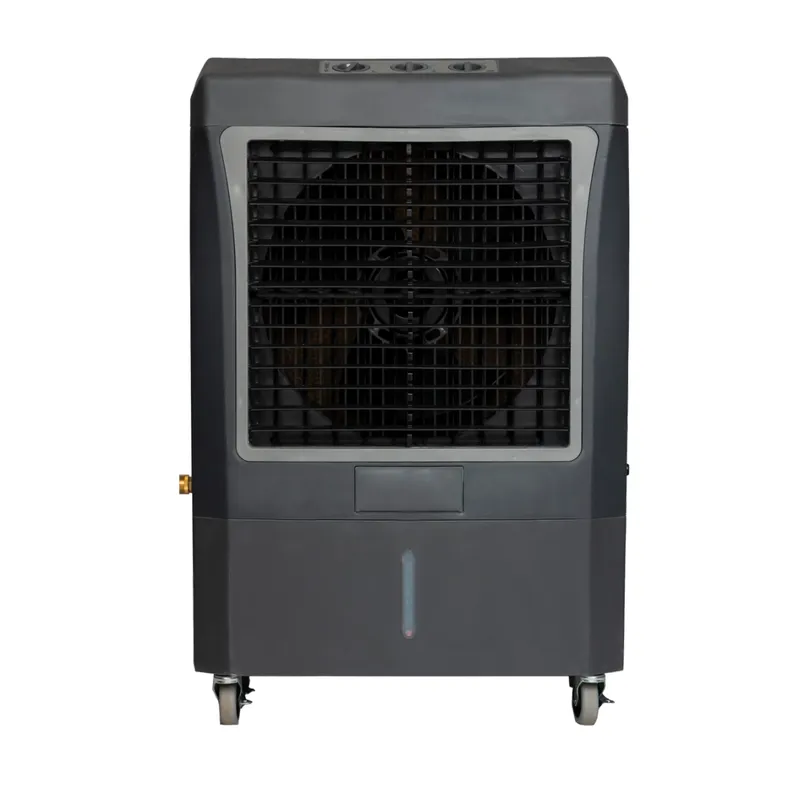 Official manufacturer image
Hessaire MC37M
Check price on AmazonBy feature
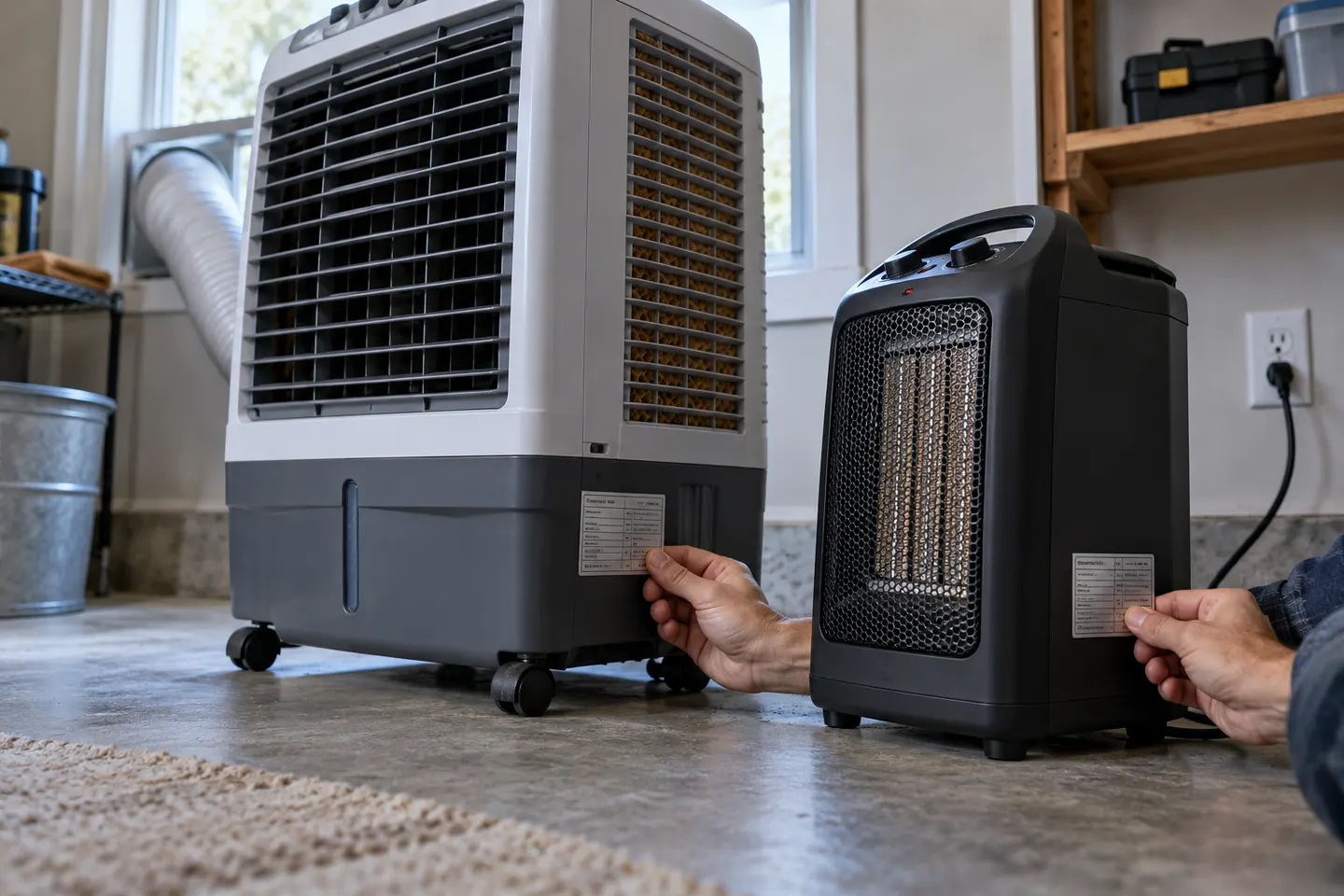 Mira cool cooler heater
 Mira cool heater
More topics
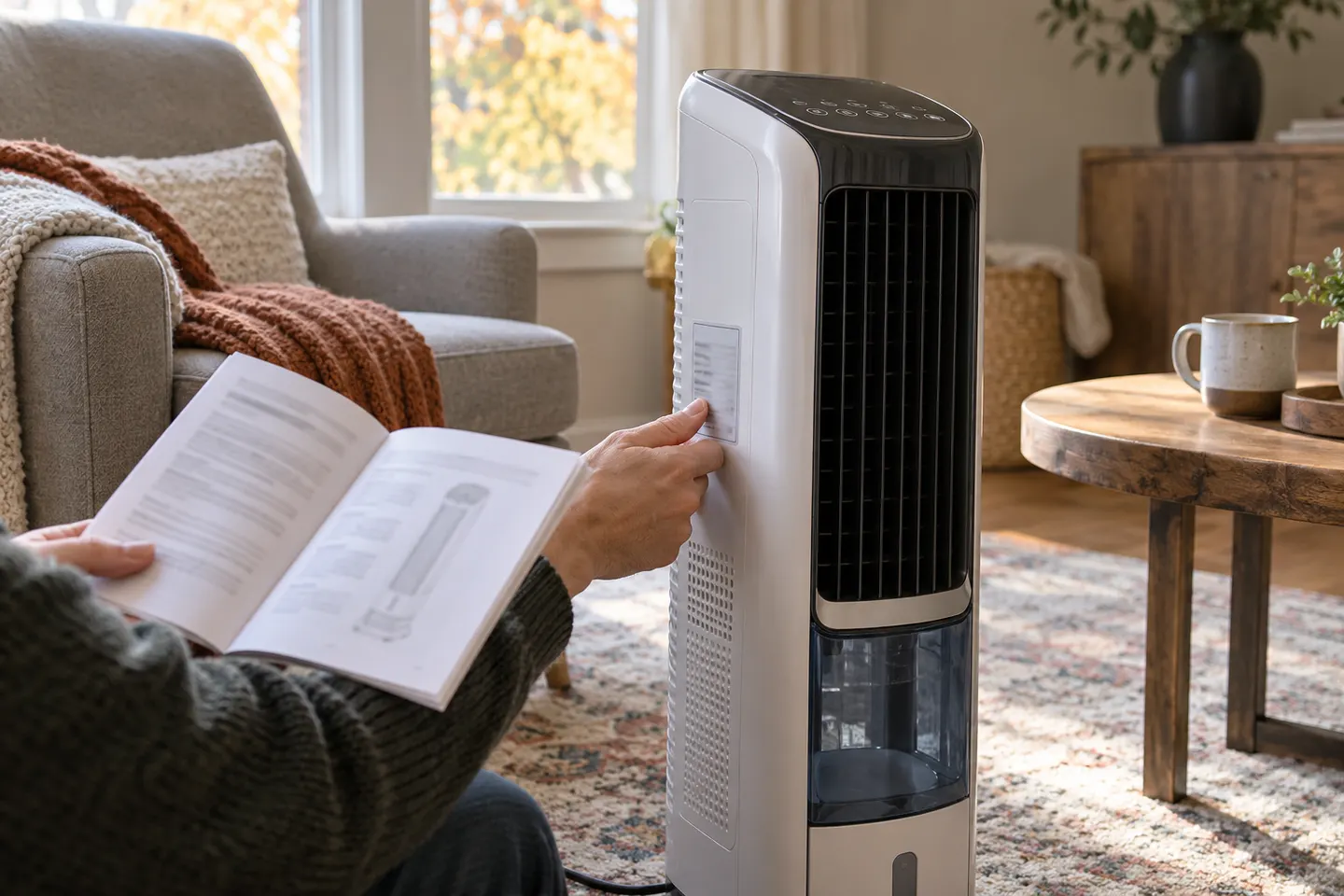
 Air Cool Evaporative Coolers
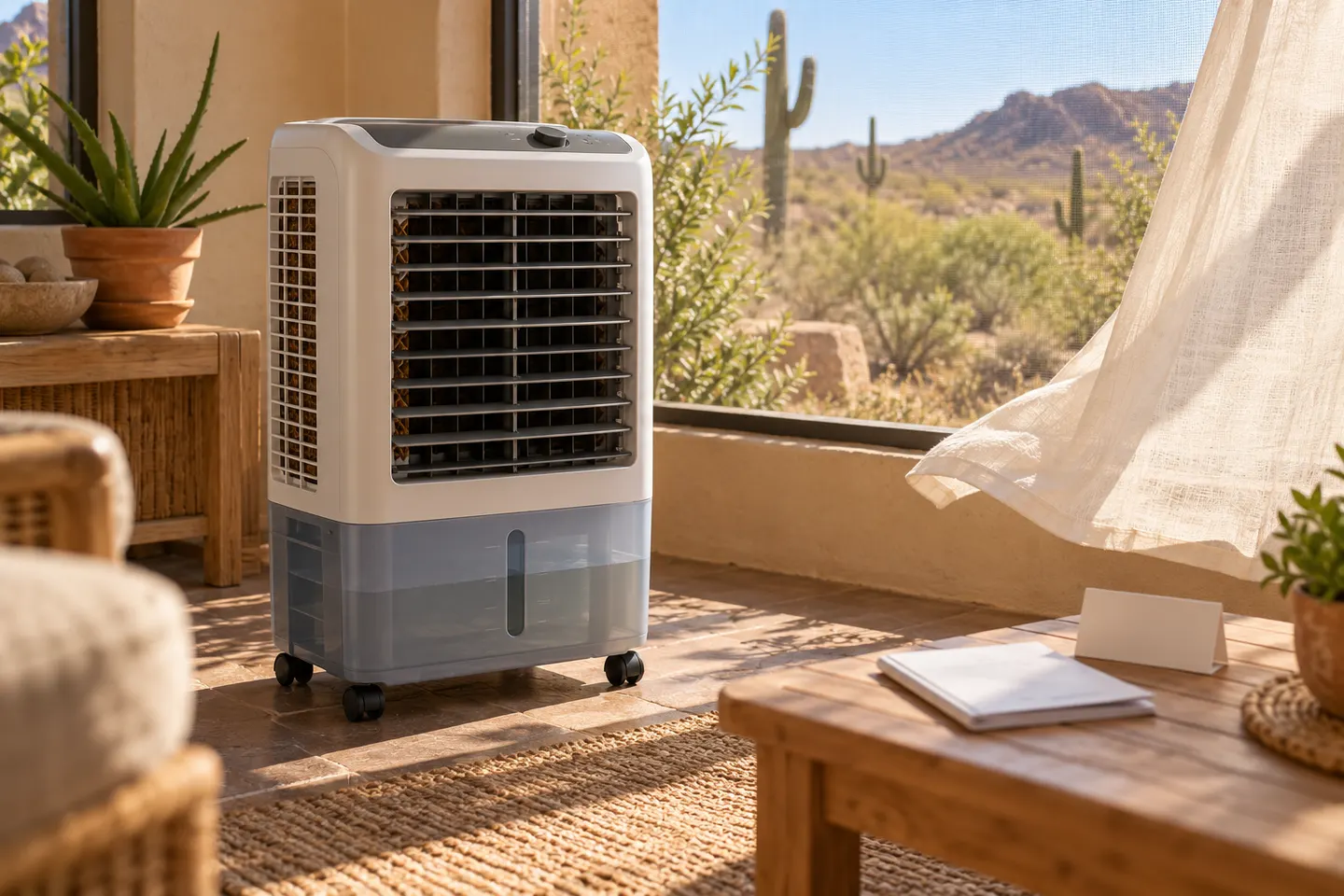
 Cool'd Air Air Cooler
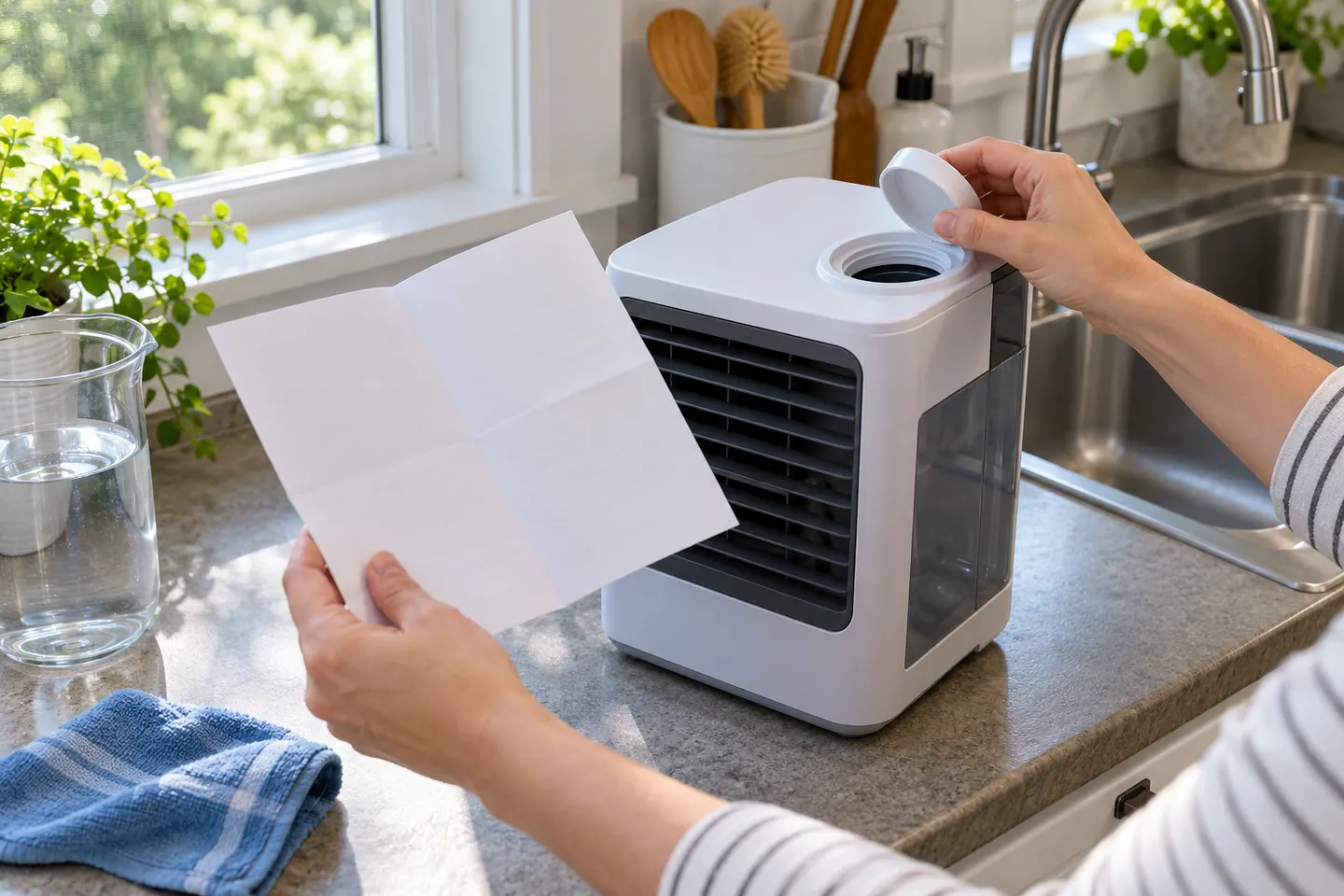 Cool Surge Portable Air Cooler
Common questions
Questions before you buy
Is Mira-Cool an evaporative cooler or portable AC?
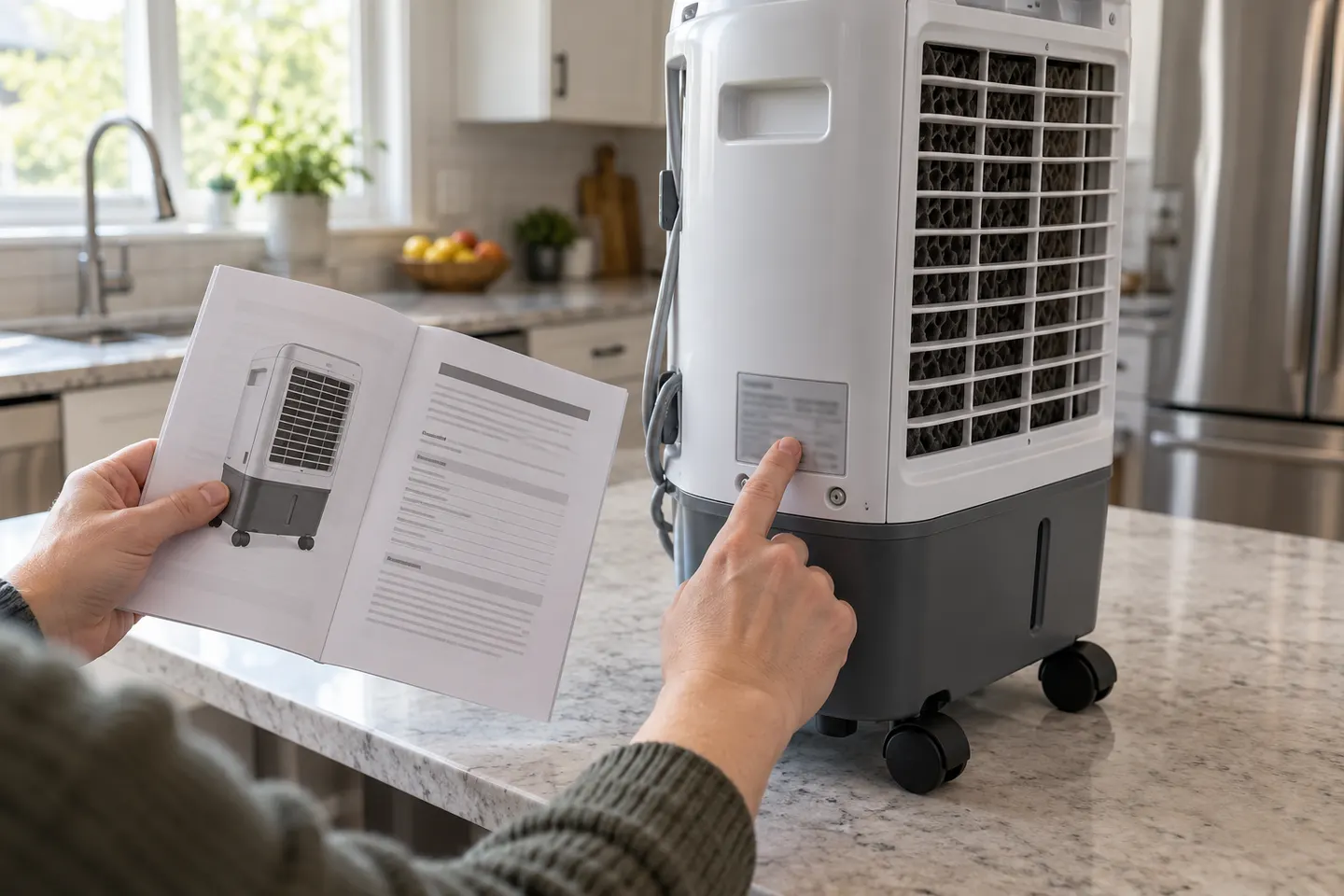
The name alone does not settle that. Check the model manual: a water reservoir or wetted pad indicates evaporation, while a compressor model generally has an exhaust hose.
Can a Mira-Cool portable air cooler cool a whole room?
Results depend on appliance design, room size, humidity, airflow, and placement. Use the manufacturer’s stated coverage only with its assumptions.
Does an evaporative cooler need a window open?
Some ventilation is useful because evaporation adds moisture to indoor air. Follow the manual for the specific unit.
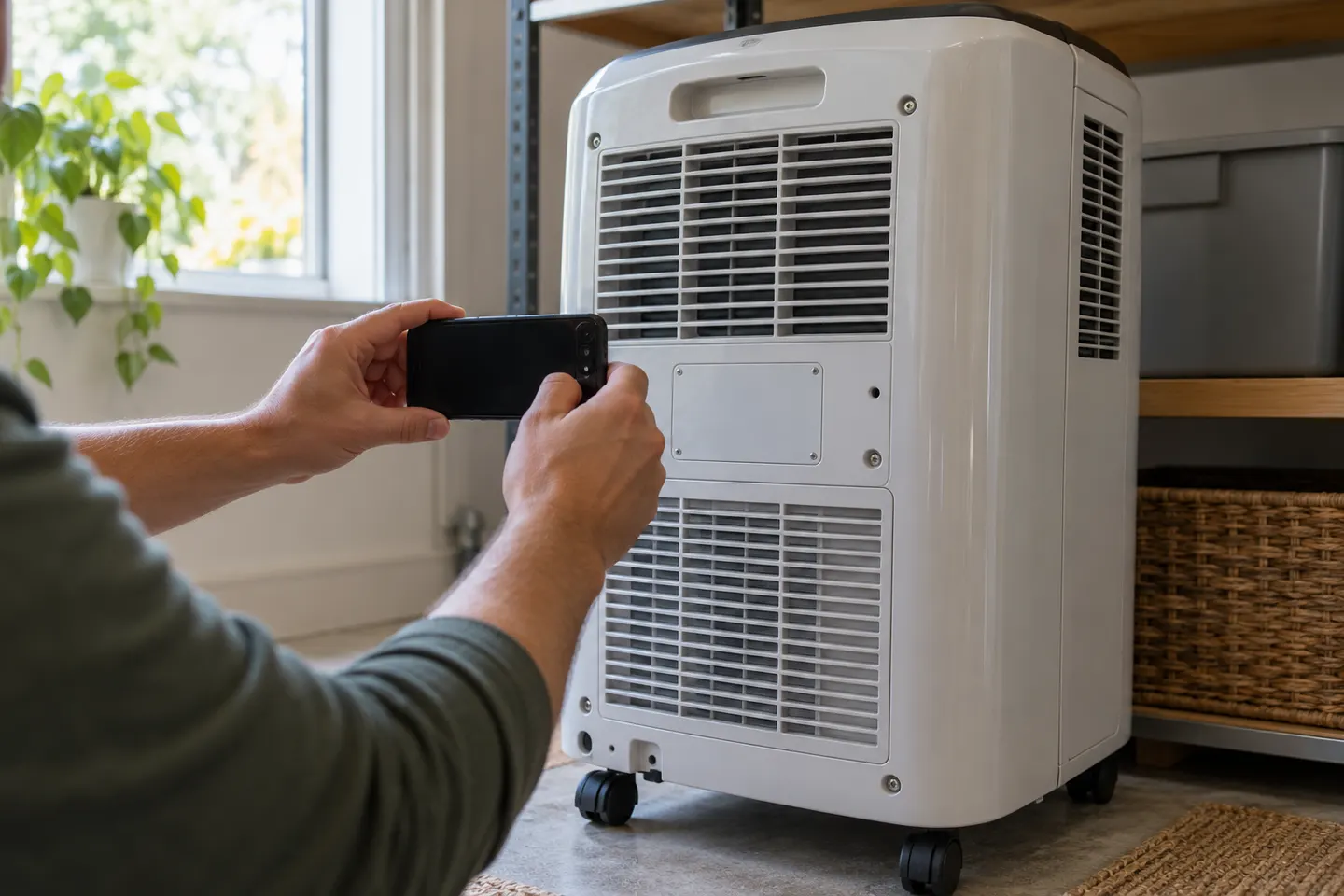
What should I check before buying a Mira-Cool unit?
Confirm the model number, power requirements, tank or drainage arrangements, cleaning instructions, and support information.