Independent buying guidance · US editionHow we work
Gearjury
All categories
All categories
Best picksGood Meat Thermometers for Every Kind of Cook
Best picksBest WiFi Extenders: Which Range Extender Should You Buy?
Best picksBest Dash Cams for Cars in 2026
Best picksBest Radar Detectors for Cars: Models Compared
Best picksGood Winter Gloves for Cold Weather: Five Useful Picks
Best picksBest Headlamps: Six Lights Compared for Different Uses
Best picksTop 10 Best Battery-Powered Weed Eaters for Different Yards
Best picksBest Portable Air Coolers for Patios, Workshops and Small Spaces (2026)
Best picksBest Air Purifier for Bedroom in the US: Quiet Models Compared
United StatesEnglish

Category hub

Open Commercial Air Coolers: How to Choose a Setup

Open commercial evaporative coolers can suit dry, ventilated spaces, but capacity and water management must match the site. Define the application before comparing portable, rooftop or ducted systems.

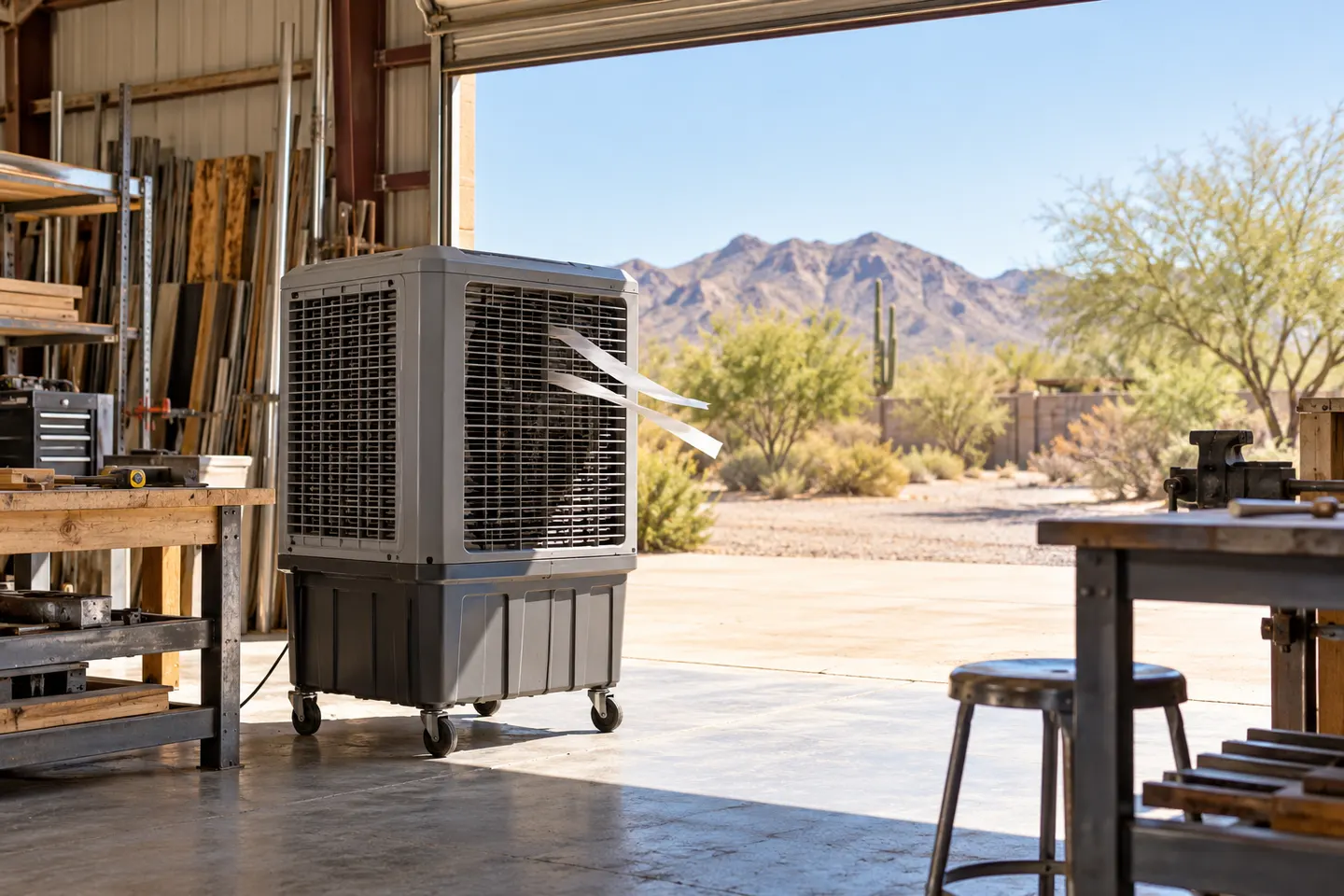
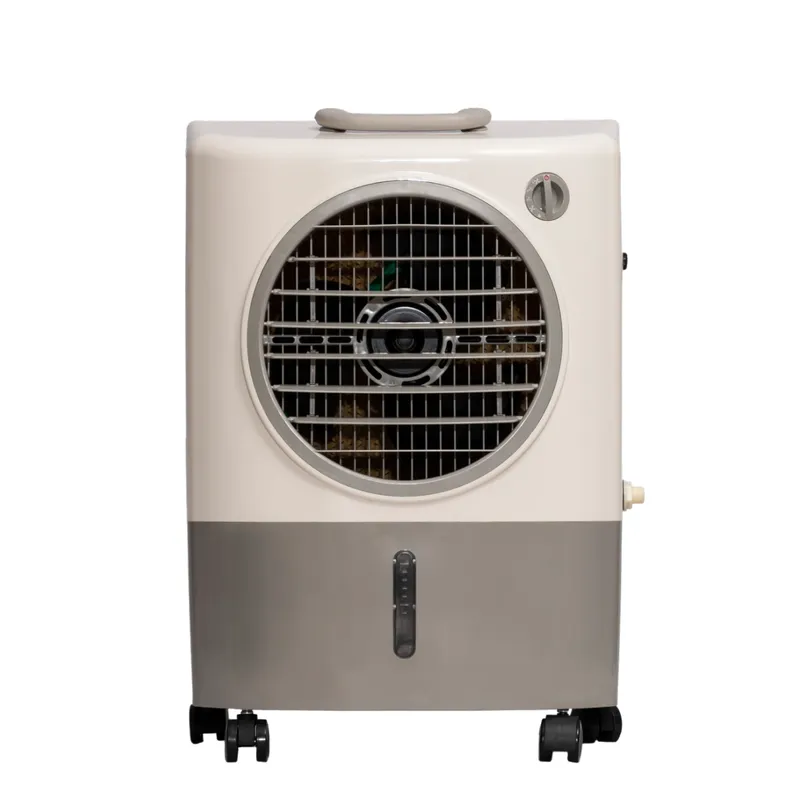
The phrase open air cooler commercial can refer to an evaporative cooler in a ventilated workspace, an outdoor misting fan, or a commercial HVAC installation. Start with the space, climate, air exchange and water-management plan, then compare equipment type and documented airflow. For portable choices see the unit guide; for HVAC-scale requirements, involve a qualified installer and check local codes.

Open Commercial Air Coolers: How to Choose a Setup

More topics

3

Common questions

Questions before you buy

What is an open commercial air cooler?

The phrase is used broadly for evaporative cooling equipment serving a commercial or open-sided space. Specify whether you mean a portable unit, misting fan or installed system.

Are evaporative coolers suitable for commercial use?

They can be used in suitable applications, especially dry climates, but sizing, ventilation, water supply, drainage and maintenance need planning.

Does a commercial evaporative cooler need ventilation?

Yes, evaporative cooling adds humidity and requires air to leave the space. Follow the system design and manufacturer’s operating instructions.

What should a facility manager compare?

Compare airflow against the space and occupancy, operating climate, water consumption, drainage, electrical needs, controls, service access and replacement-pad availability.