Independent buying guidance · US editionHow we work
Gearjury
All categories
All categories
Best picksGood Meat Thermometers for Every Kind of Cook
Best picksBest WiFi Extenders: Which Range Extender Should You Buy?
Best picksBest Dash Cams for Cars in 2026
Best picksBest Radar Detectors for Cars: Models Compared
Best picksGood Winter Gloves for Cold Weather: Five Useful Picks
Best picksBest Headlamps: Six Lights Compared for Different Uses
Best picksTop 10 Best Battery-Powered Weed Eaters for Different Yards
Best picksBest Portable Air Coolers for Patios, Workshops and Small Spaces (2026)
Best picksBest Air Purifier for Bedroom in the US: Quiet Models Compared
United StatesEnglish

Category hub

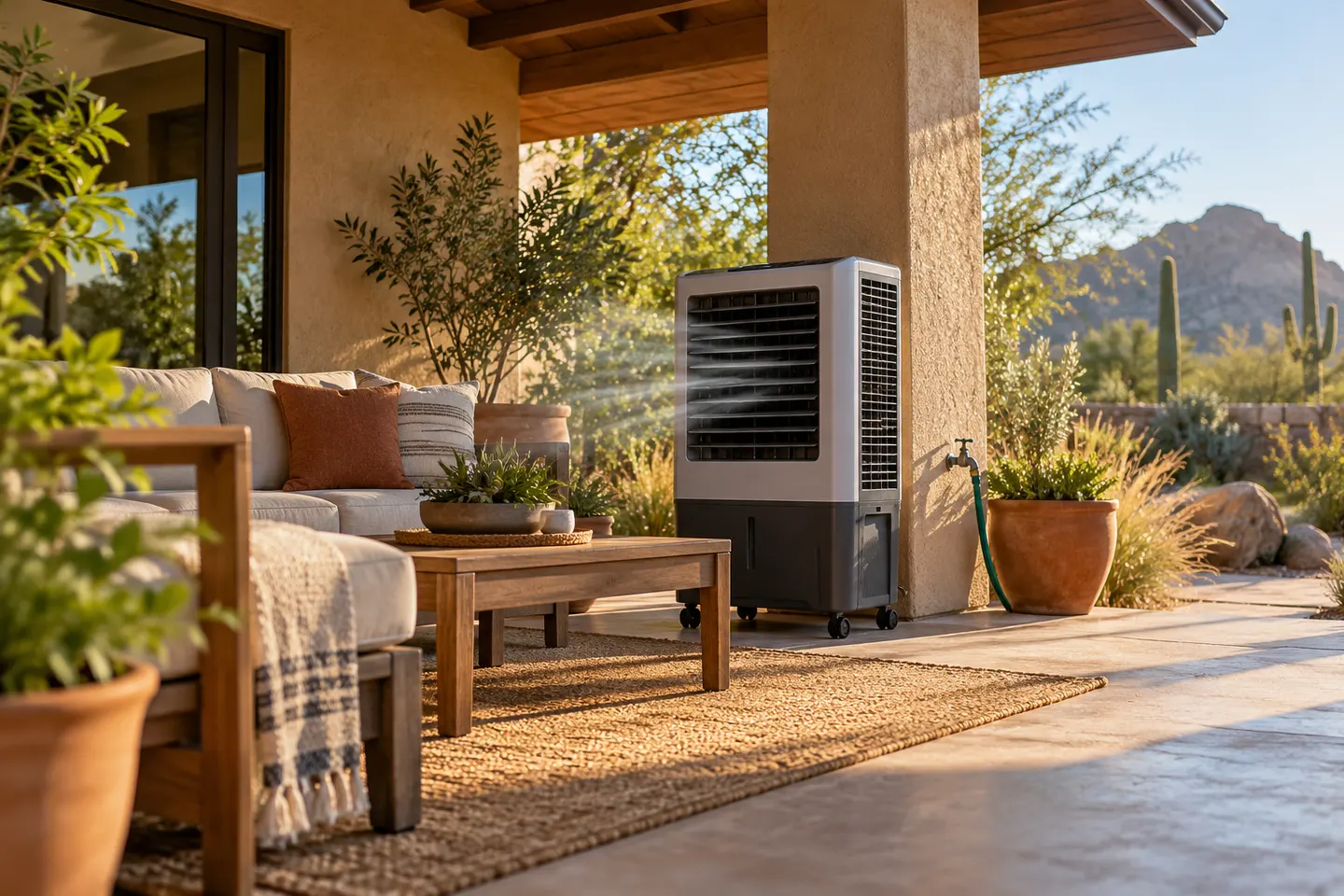
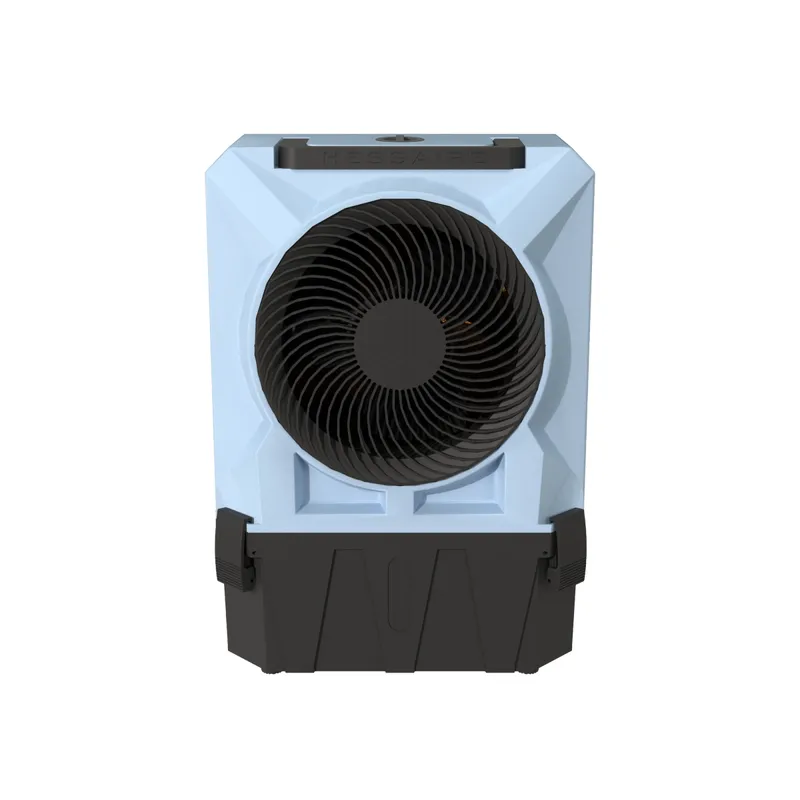
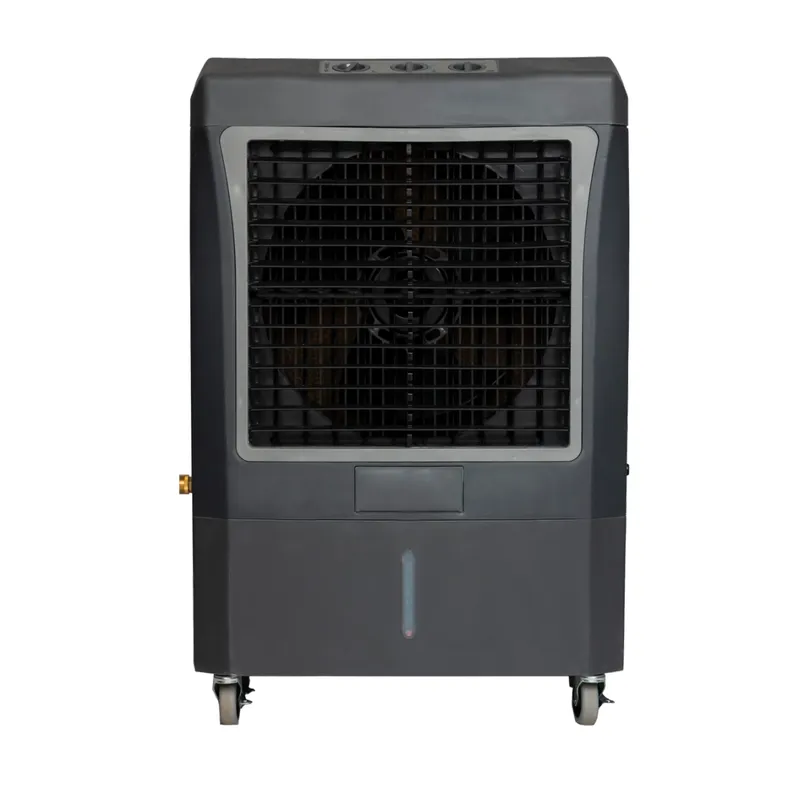
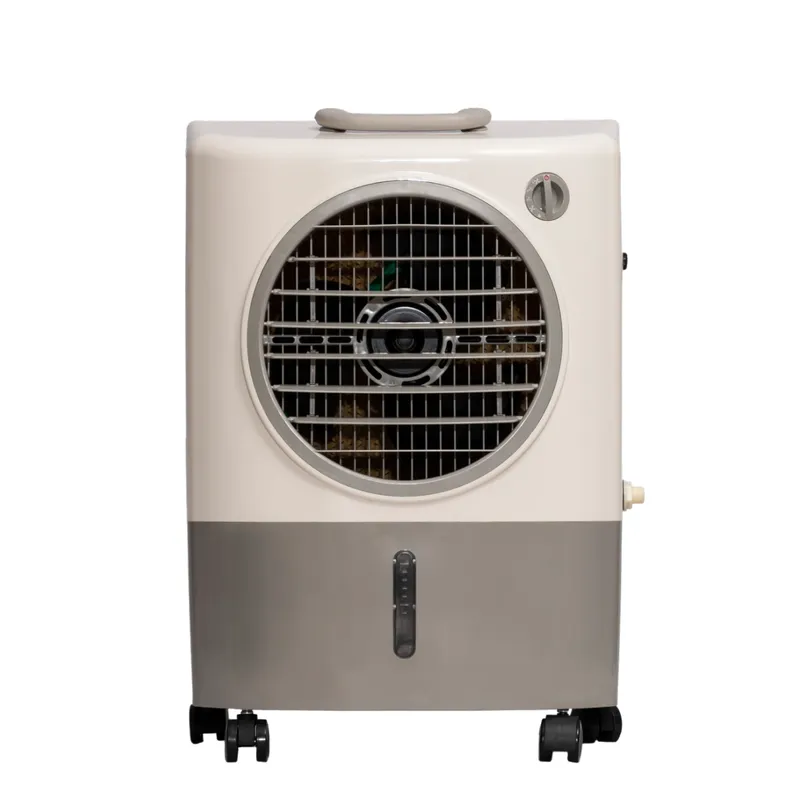
Patio Air Coolers: How to Choose for Outdoor Use

For outdoor comfort, assess localized airflow, local humidity, water access, and protection from weather.

A patio air cooler creates a more comfortable nearby airflow outdoors, where walls do not contain cooled air. Evaporative models can add a breeze in dry conditions, but the effect is localized and depends on humidity and airflow. Check tank or hose connection, mobility, and weather guidance; do not assume an indoor model can stay outside.

Patio Air Coolers: How to Choose for Outdoor Use

Common questions

Questions before you buy

Do evaporative air coolers work on a patio?

They can provide a cooler-feeling airflow nearby, particularly in dry air. Open spaces do not retain cooled air.

Is a patio air cooler better than a fan?

A fan moves air; an evaporative cooler also passes it over water and may add moisture. Climate and upkeep guide the choice.

Can I leave a patio cooler outside?

Only if the maker permits outdoor use and specifies protection from rain, dust, and freezing.

Should a patio air cooler use a hose or tank?

A tank is portable but needs refilling; a continuous connection reduces refills but limits placement.