Independent buying guidance · US editionHow we work
Gearjury
All categories
All categories
Best picksGood Meat Thermometers for Every Kind of Cook
Best picksBest WiFi Extenders: Which Range Extender Should You Buy?
Best picksBest Dash Cams for Cars in 2026
Best picksBest Radar Detectors for Cars: Models Compared
Best picksGood Winter Gloves for Cold Weather: Five Useful Picks
Best picksBest Headlamps: Six Lights Compared for Different Uses
Best picksTop 10 Best Battery-Powered Weed Eaters for Different Yards
Best picksBest Portable Air Coolers for Patios, Workshops and Small Spaces (2026)
Best picksBest Air Purifier for Bedroom in the US: Quiet Models Compared
United StatesEnglish

Category hub

Roof-Mounted Evaporative Air Coolers: What to Plan

Roof-mounted evaporative cooling is a fixed building system; design, airflow, and installation must suit the site.

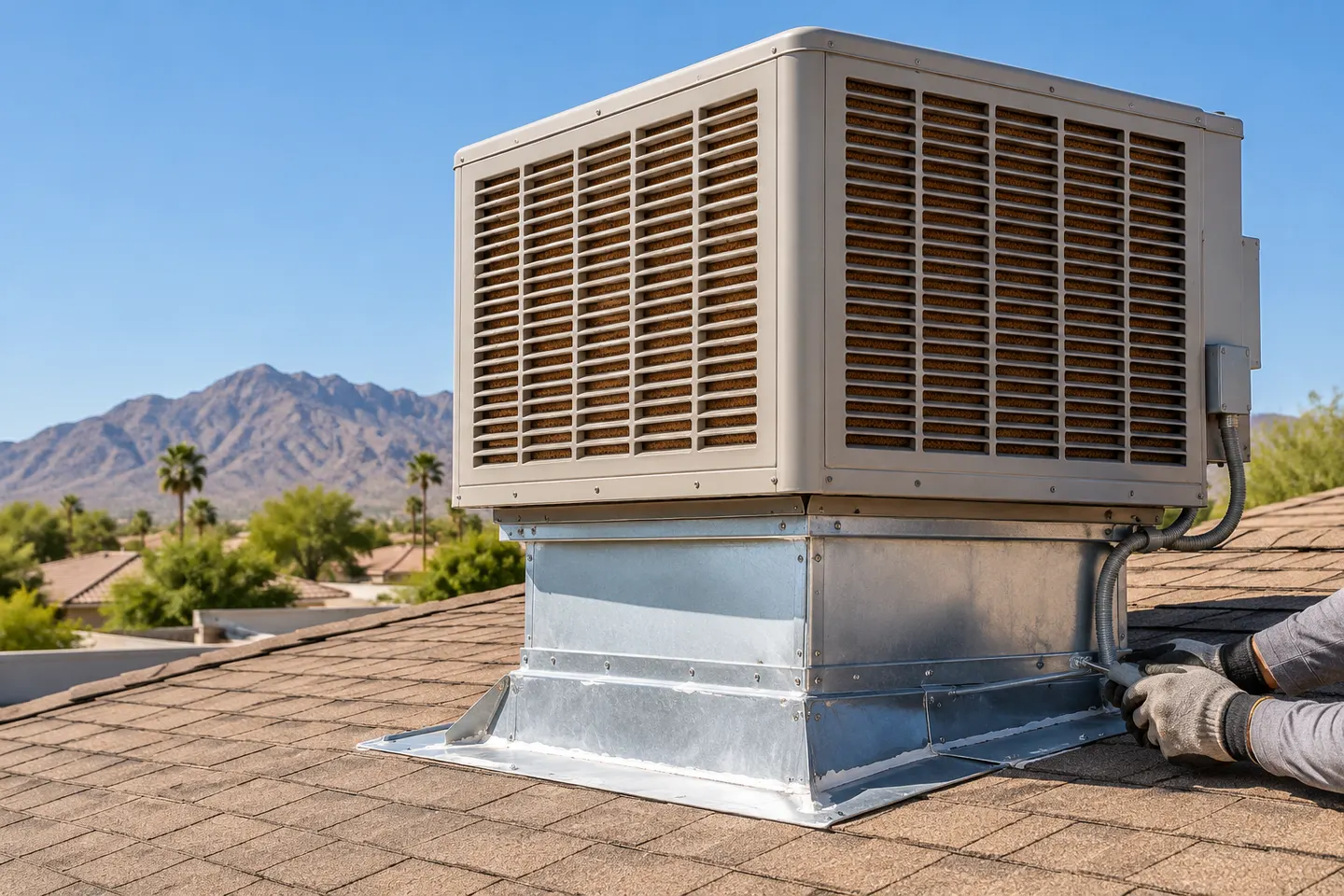
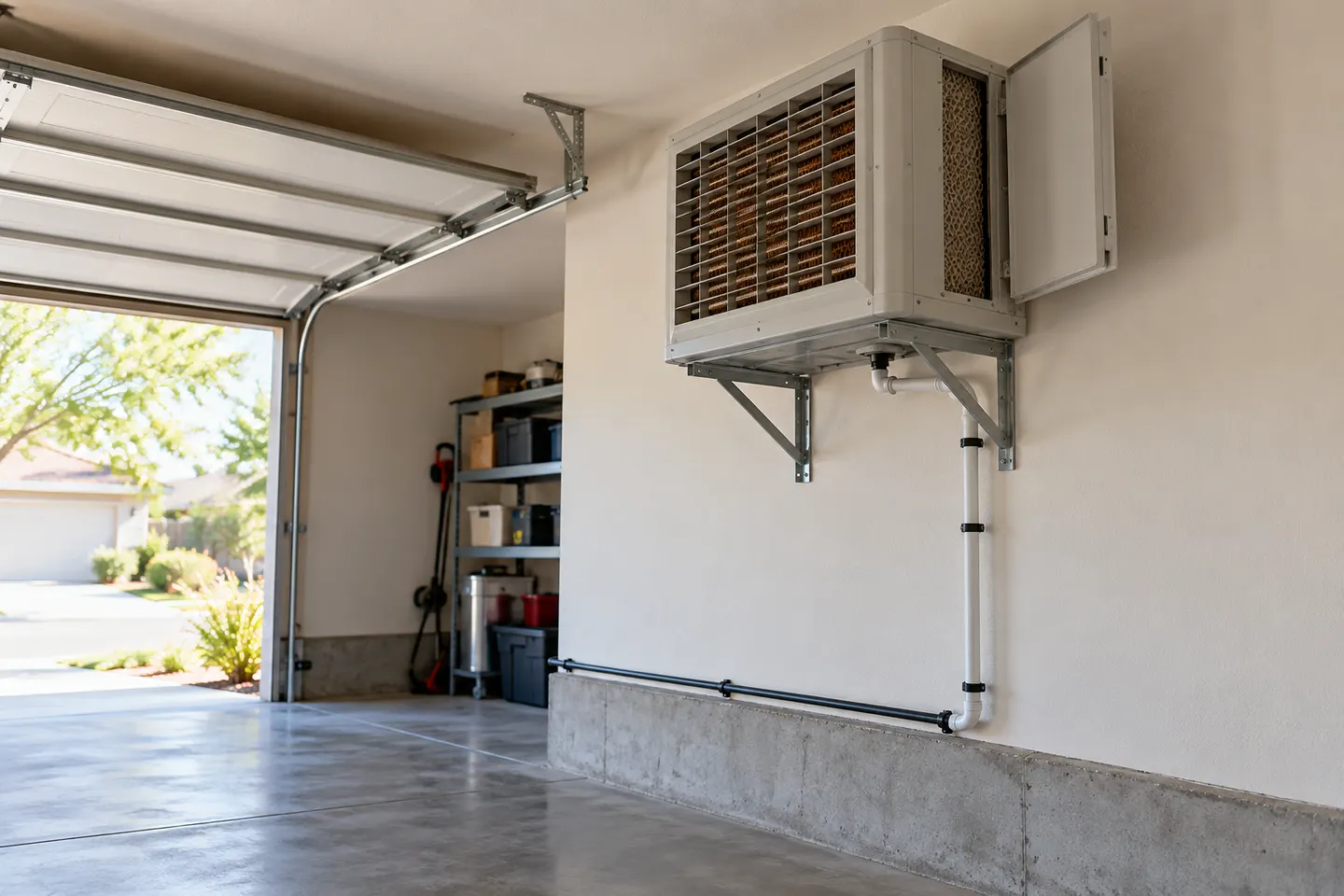
A roof mounted evaporative air cooler is a fixed building system, not a portable room appliance. It draws outdoor air through wetted media and distributes airflow through a building or below the roof. Sizing depends on building layout, ducting, climate, and make-up air. Use manufacturer engineering information and qualified installers for roof and electrical work.

Roof-Mounted Evaporative Air Coolers: What to Plan

By type and size

1

Common questions

Questions before you buy

How does a roof-mounted evaporative air cooler work?

It moves outdoor air through wetted media and delivers airflow into the building. Air needs a path to leave as fresh air enters.

Does a roof-mounted evaporative cooler need ducts?

Some systems connect to ductwork; others discharge downward or serve a zone. Design depends on building and product.

Can a roof evaporative cooler replace central AC?

That depends on climate and building requirements. Evaporative systems add moisture and differ from refrigerant AC.

What should an installer assess?

Ask about roof structure, weatherproofing, water and electrical connections, ventilation, drainage, and maintenance access.