Independent buying guidance · US editionHow we work
Gearjury
All categories
All categories
Best picksGood Meat Thermometers for Every Kind of Cook
Best picksBest WiFi Extenders: Which Range Extender Should You Buy?
Best picksBest Dash Cams for Cars in 2026
Best picksBest Radar Detectors for Cars: Models Compared
Best picksGood Winter Gloves for Cold Weather: Five Useful Picks
Best picksBest Headlamps: Six Lights Compared for Different Uses
Best picksTop 10 Best Battery-Powered Weed Eaters for Different Yards
Best picksBest Portable Air Coolers for Patios, Workshops and Small Spaces (2026)
Best picksBest Air Purifier for Bedroom in the US: Quiet Models Compared
United StatesEnglish

Category hub

Portable Air Coolers for an RV: What to Check

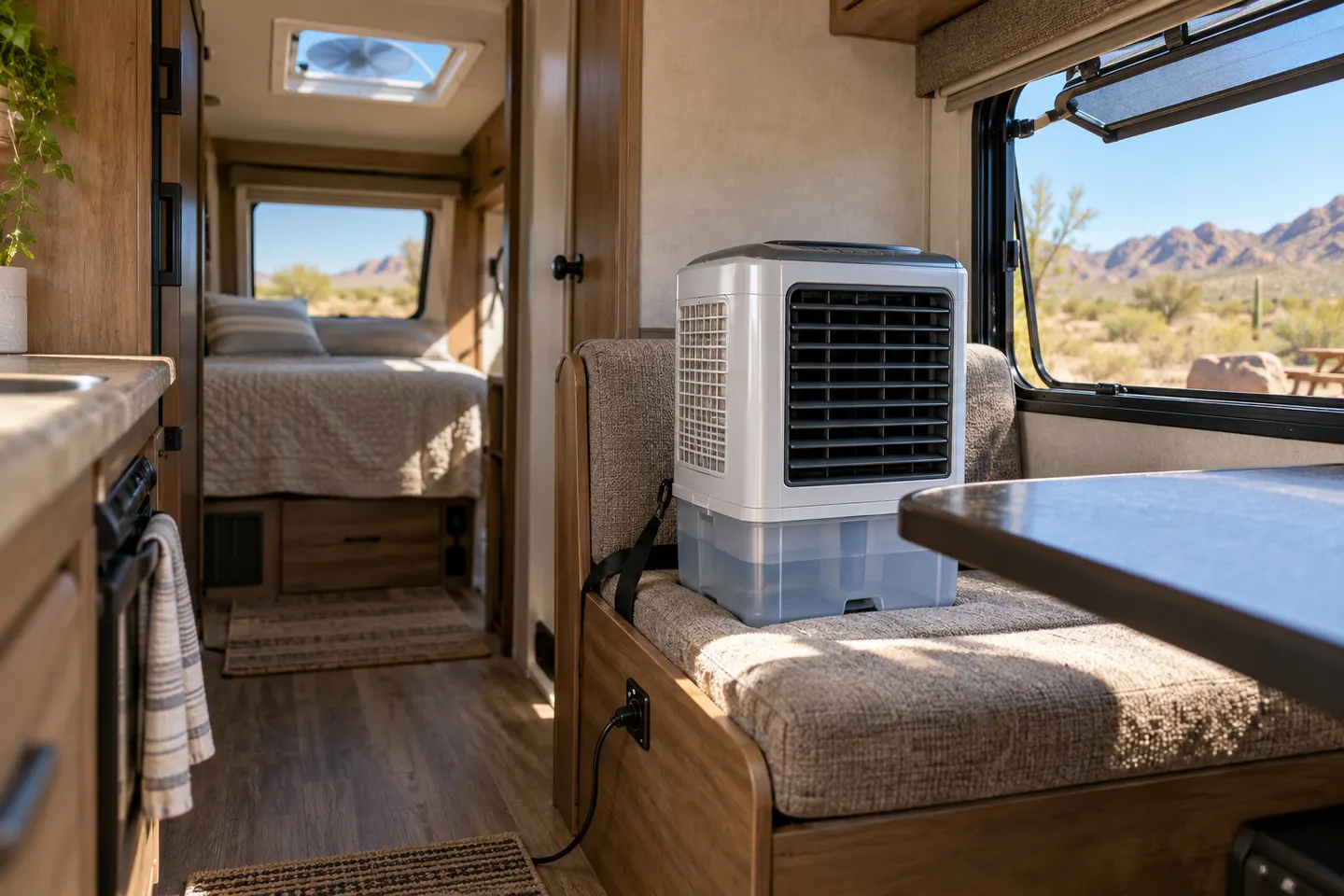
For portable evaporative cooling in an RV, check available power, water handling and ventilation first. TurboKool 2B-0001 is a vehicle-mounted 12-volt model, not a freestanding portable unit.

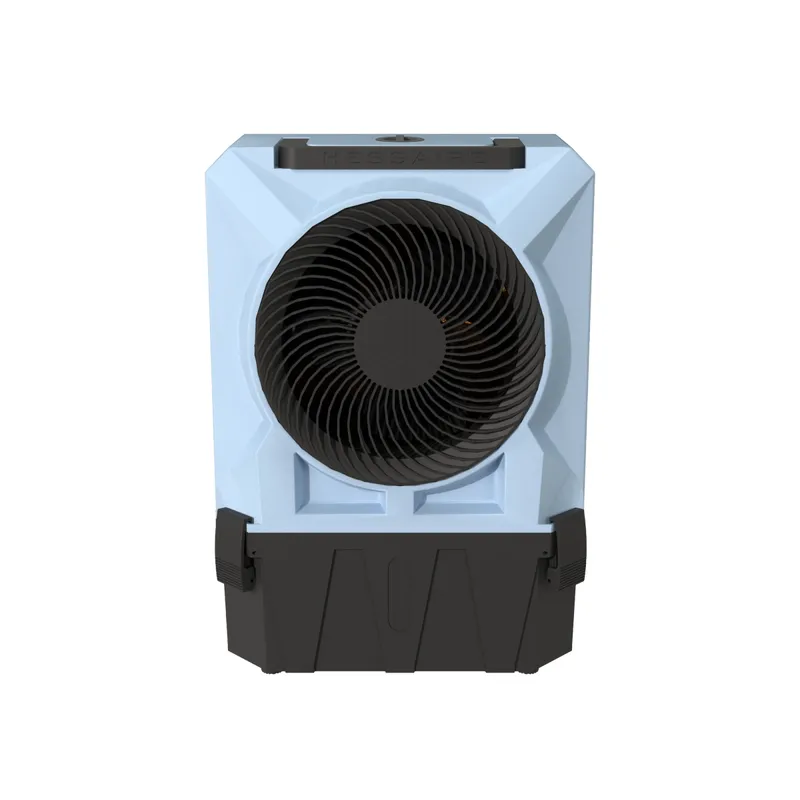
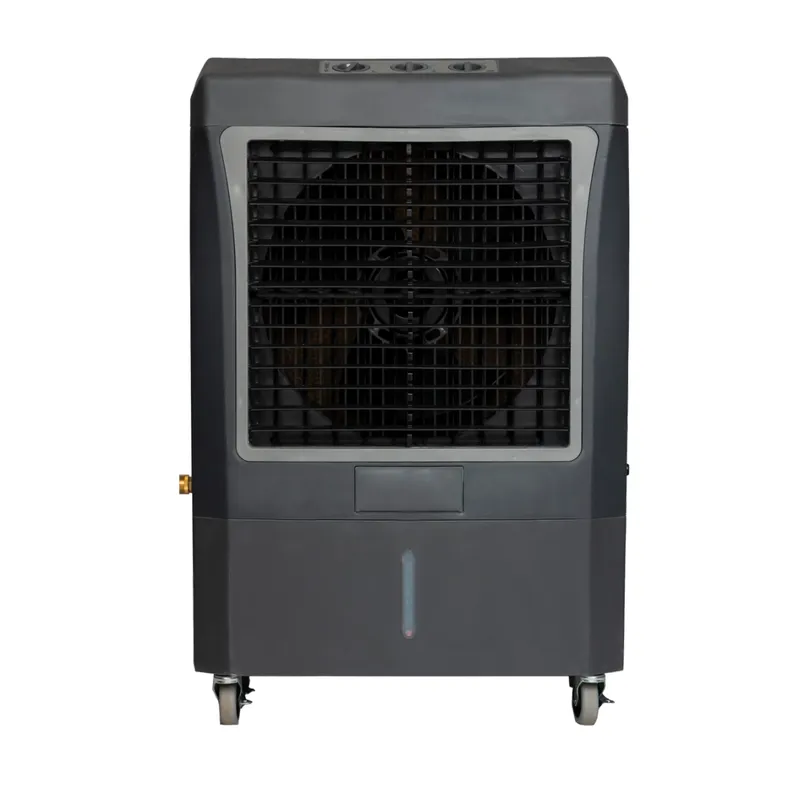
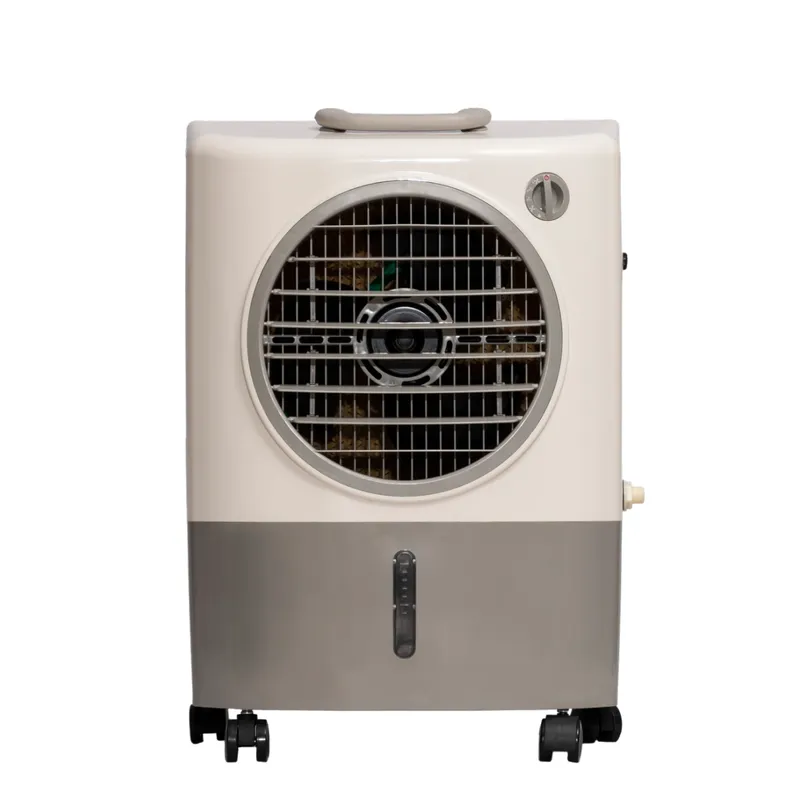
A portable air cooler for RV use can mean a tabletop appliance or a roof-mounted evaporative system. Do not confuse them: TurboKool 2B-0001 is listed by its maker as a 12-volt evaporative cooler, while personal units need suitable power and add moisture indoors. Check fit, wiring, water supply, ventilation and the installation manual before choosing.

Portable Air Coolers for an RV: What to Check

Common questions

Questions before you buy

Can I use a portable evaporative cooler in an RV?

Only if power, water, ventilation and operating guidance suit the vehicle. Added humidity can be uncomfortable in an enclosed cabin.

What is TurboKool 2B-0001?

TurboKool lists it as a 12-volt evaporative swamp air cooler for RV use.

Does an RV evaporative cooler need ventilation?

Evaporative systems need air exchange; follow manufacturer installation and operation guidance.

Is an RV air cooler the same as RV air conditioning?

No. Evaporative cooling adds moisture; compressor air conditioning uses a different mechanism and setup.