









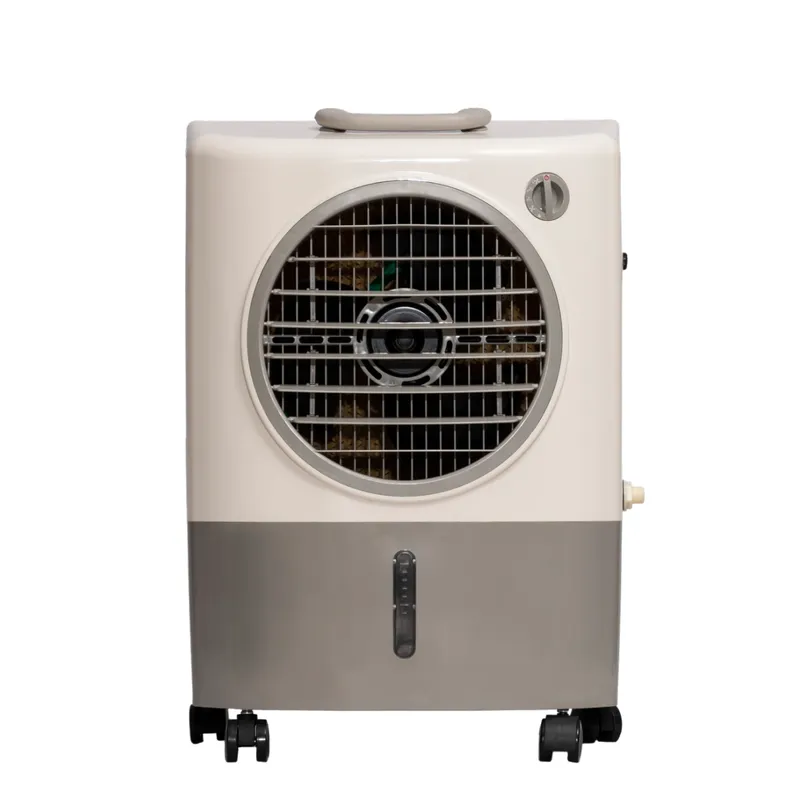
 Official manufacturer image
Our picks
Top picks
Official manufacturer image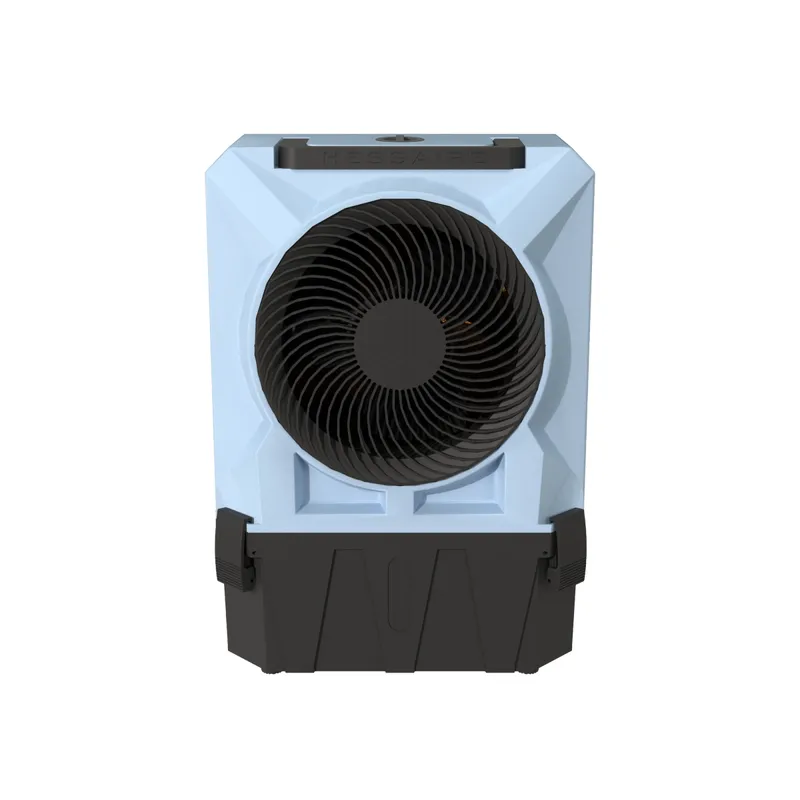 Official manufacturer image
Hessaire MC12V
Check price on Amazon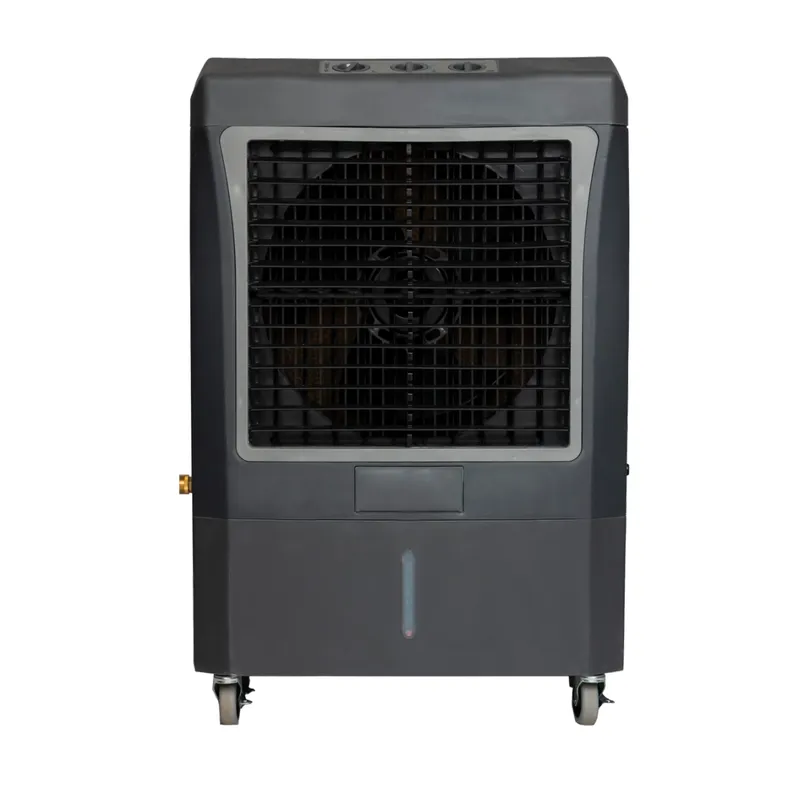 Official manufacturer image
Hessaire MC37M
Check price on AmazonCommon questions
Questions before you buy
What is a turbocharger air cooler called?
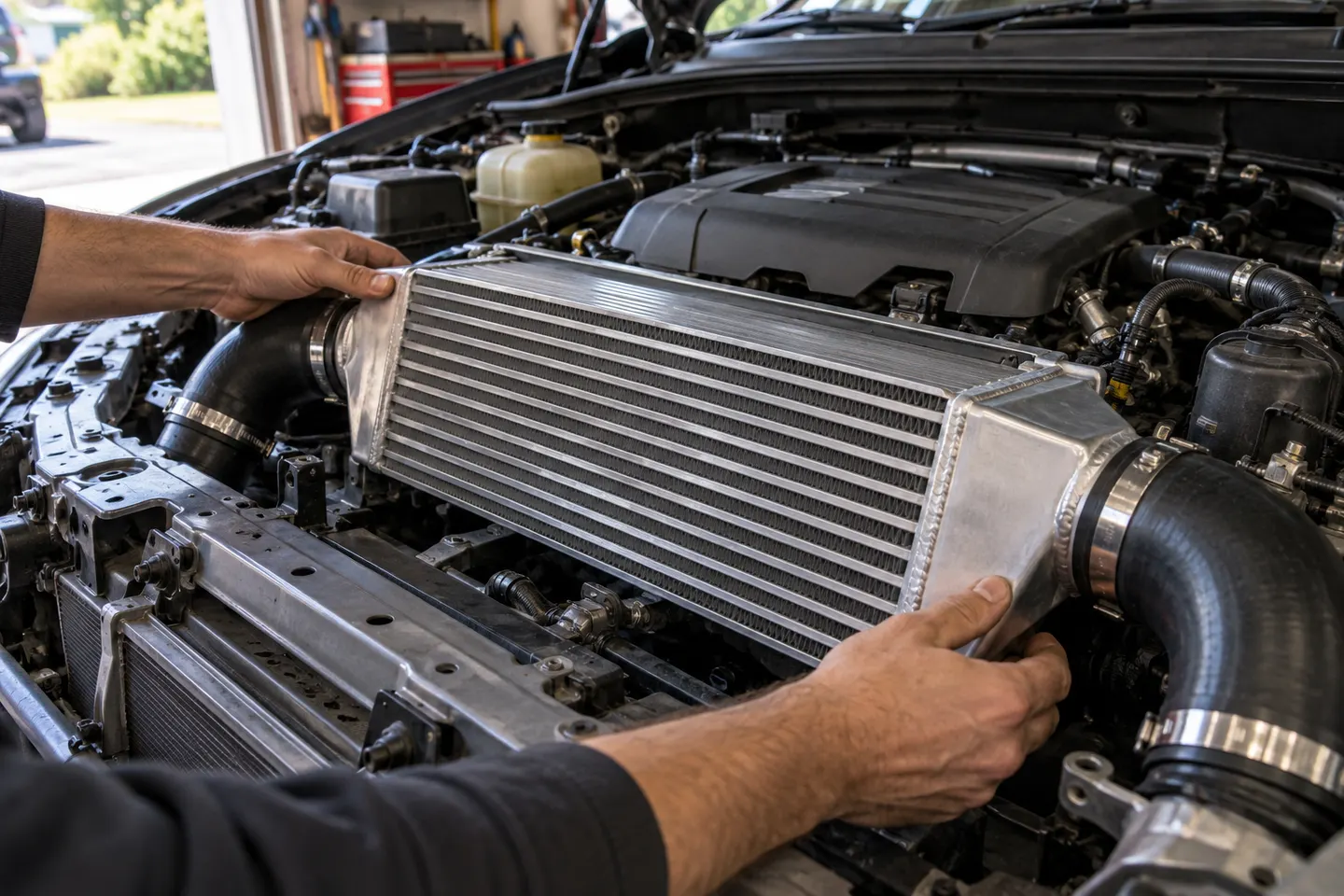
It is commonly called a charge air cooler or intercooler. Terminology and the precise design vary across vehicle makers.
Does a turbocharger air cooler increase power?
Its job is to remove heat from compressed intake air. Overall engine output depends on the complete engine calibration and hardware; a cooler alone does not guarantee a power gain.
How do I choose a turbocharger air cooler for my car?
Start with confirmed vehicle fitment and the intended engine setup. Check connection locations, core dimensions, mounting and pressure-drop or capacity information from the maker.
Can I install a larger intercooler on any turbo car?
No. Packaging, airflow, connections and engine calibration can constrain upgrades. Follow application-specific technical guidance and consult a qualified installer.