









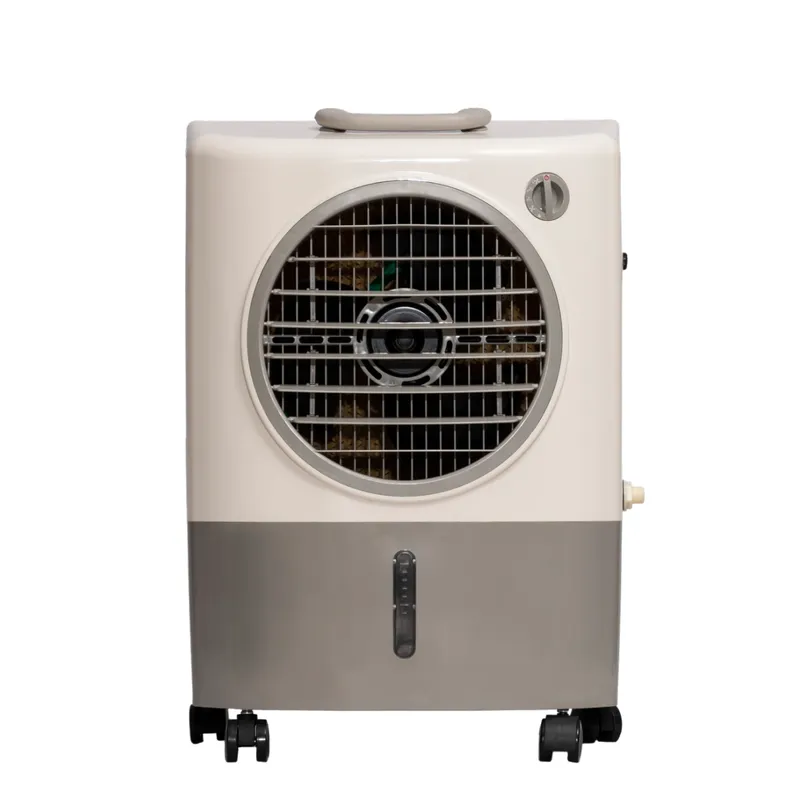
 Official manufacturer image
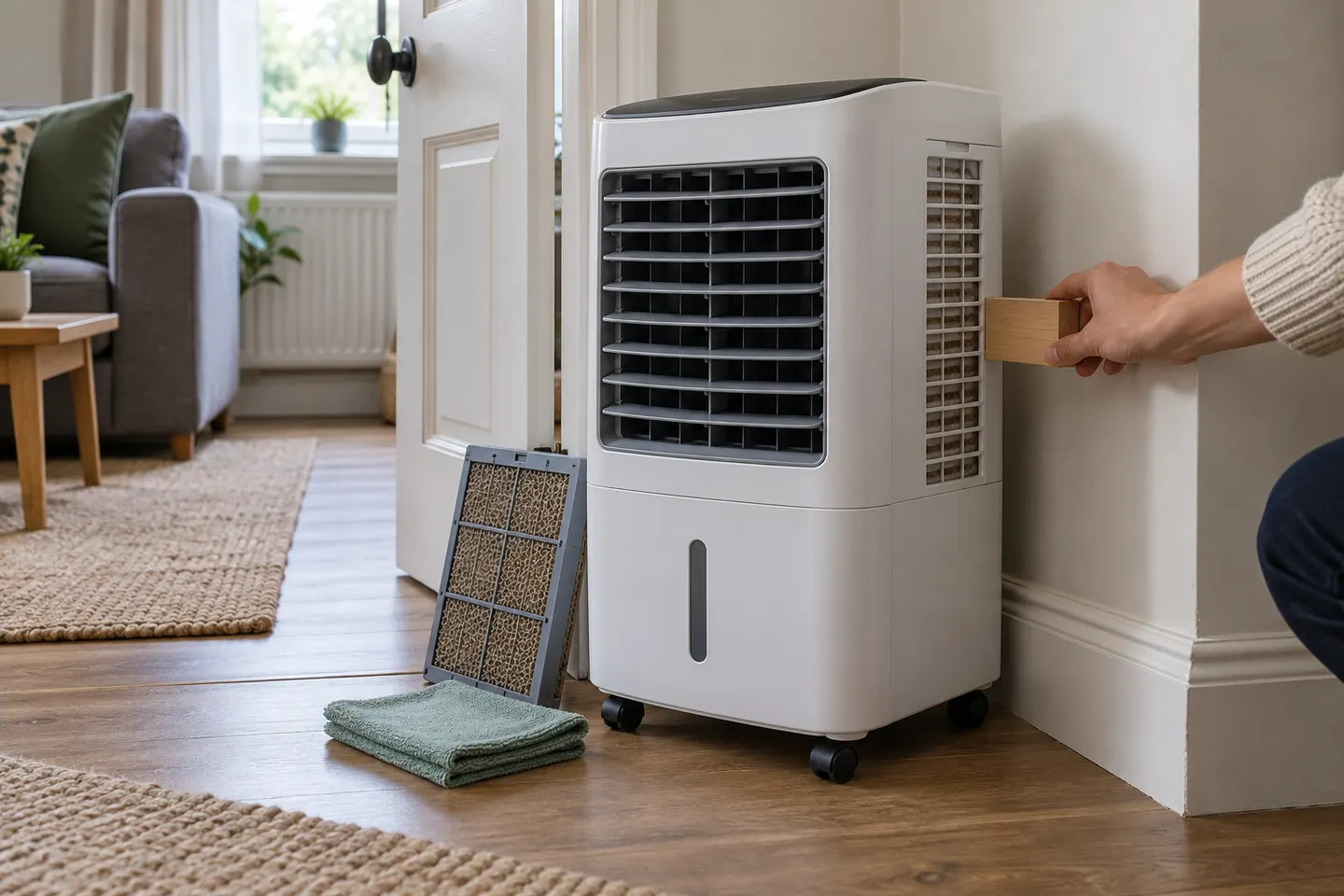
Our picks
Top picks
Official manufacturer image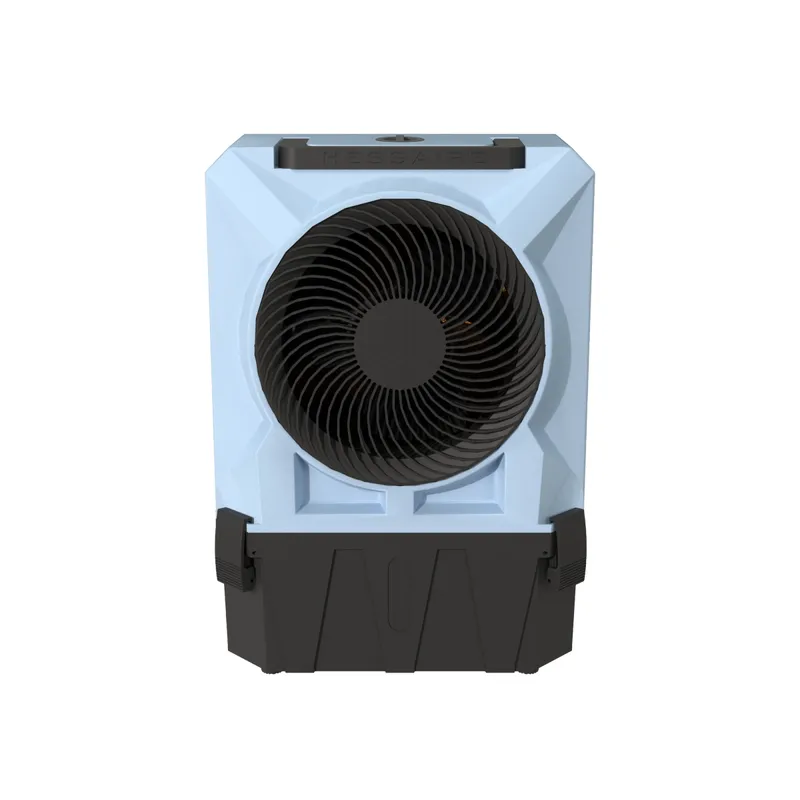 Official manufacturer image
Hessaire MC12V
Check price on Amazon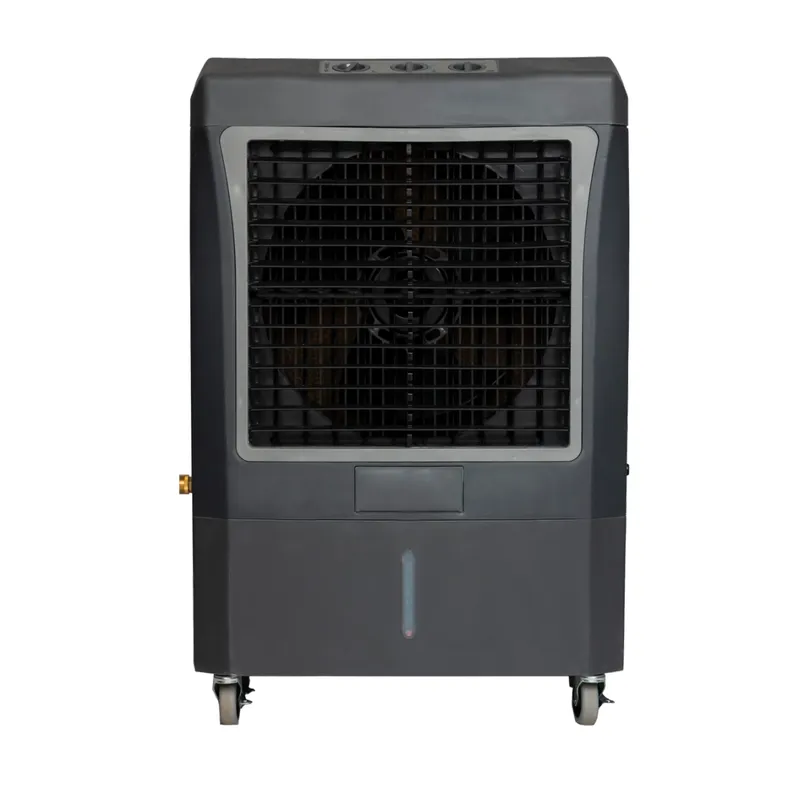 Official manufacturer image
Hessaire MC37M
Check price on AmazonCommon questions
Questions before you buy
What should I compare on a portable evaporative air cooler unit?
Start with airflow, intended area, tank capacity, dimensions and the maker’s humidity guidance. Tank size affects refill frequency, while airflow gives a more useful indication of how much air the fan moves.
Can I use an evaporative cooler in a window?
A mobile evaporative unit is not a window AC. It needs suitable airflow through the space, and the installation or use instructions for its exact model should be followed.
Does a cooler unit need water to run?
The evaporative cooling function uses water supplied to its media. Some models may also have a fan-only mode; check the model manual for its operating modes.
Are portable air cooler units suitable for closed rooms?
Evaporative cooling generally benefits from ventilation because it adds moisture to the air. A closed room can become more humid, reducing evaporative performance.