









Routine yard edging without storing gasoline
Gearjury may earn a commission when you buy through retailer links. Editorial conclusions are based on cited product information.
Head to head
Battery vs Gas Weed Eater: Which Type Should You Choose?
Battery trimmers avoid fuel mixing and exhaust at the point of use, while gas models can be refueled without waiting for a recharge. Yard size and workload decide the better fit.
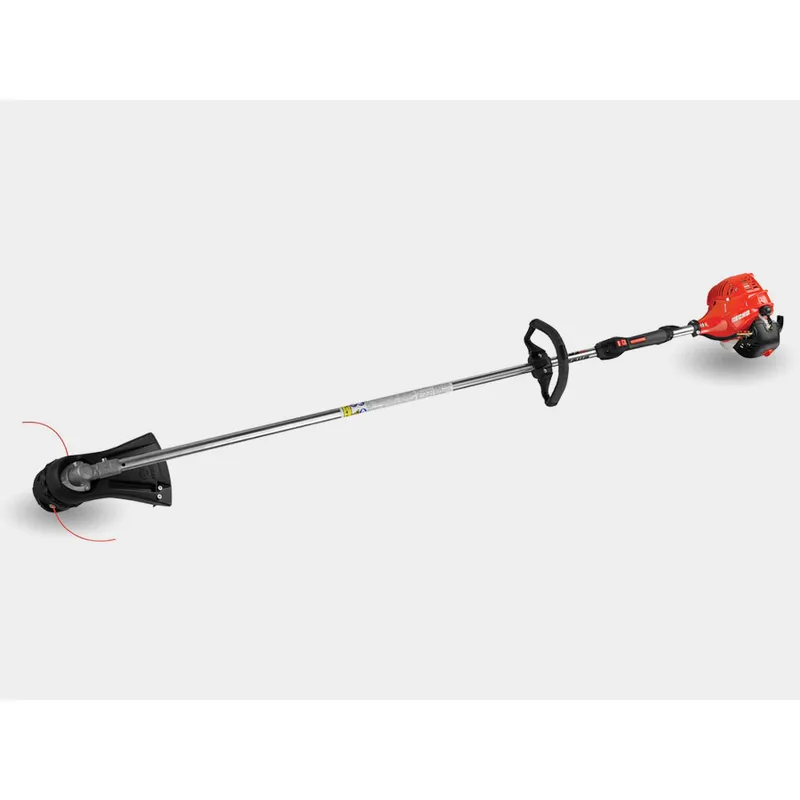 Official manufacturer image
Long sessions where quick refueling matters
ECHO SRM-225
Check price on AmazonSponsored link · no live price shown
The verdict
Battery suits many routine residential jobs when a charged pack covers the work; gas can fit longer or heavier sessions where refueling and engine upkeep are acceptable. These examples are not equivalent power classes.
Routine yard edging without storing gasoline: DEWALT 20V MAX 13-Inch Cordless String Trimmer Kit DCST925M1
The DEWALT kit runs from its included rechargeable 20V MAX battery and avoids mixing and storing trimmer fuel.
Long sessions where quick refueling matters: ECHO SRM-225
The ECHO uses a gasoline engine and can resume after refueling, while battery runtime depends on pack charge and workload.
Wider swath from the cited examples: ECHO SRM-225
ECHO lists a 17-inch cutting width compared with the DEWALT kit’s 13-inch swath.
Compare them side by side
| DEWALT 20V MAX 13-Inch Cordless String Trimmer Kit DCST925M1 | Official manufacturer imageECHO SRM-225 | |
|---|---|---|
| Power source | 20V MAX battery | Gasoline, 2-stroke |
| Cutting path | 13 in | 17 in |
| Line | 0.080 in | — |
| Kit/fuel | Battery and charger included | Fuel mix required; details in manual |
| Upkeep | Charge and maintain battery per manual | Engine and fuel-system maintenance per manual |
| Runtime basis | Varies by battery and workload | Refuel to continue; tank/runtime figure not used here |
| Check price on Amazon |
Common questions
Questions before you buy
Is a gas or battery weed eater better?
A battery model may suit routine jobs when its charge covers the work and low-fuss starting matters. Gas can suit longer sessions where refueling and engine maintenance are acceptable.
Which is better for a large yard, gas or battery?
It depends on area, vegetation, runtime and access to spare batteries or fuel. Consider the workload and manufacturer runtime guidance rather than yard size alone.
Does a battery weed eater need less maintenance than gas?
Battery models avoid engine and fuel-system service but still need line, head, guard and battery care. Follow the relevant manual.
Can a battery weed eater match a gas model’s cutting width?
Some battery models have wide cutting paths, but width alone does not prove equivalent cutting performance. Compare line, motor, intended workload and test evidence where available.
Sources and how we chose
- DEWALT DCST925M1 · 2026-10-18
- ECHO SRM-225 · 2026-10-18
Keep exploring
Related guides
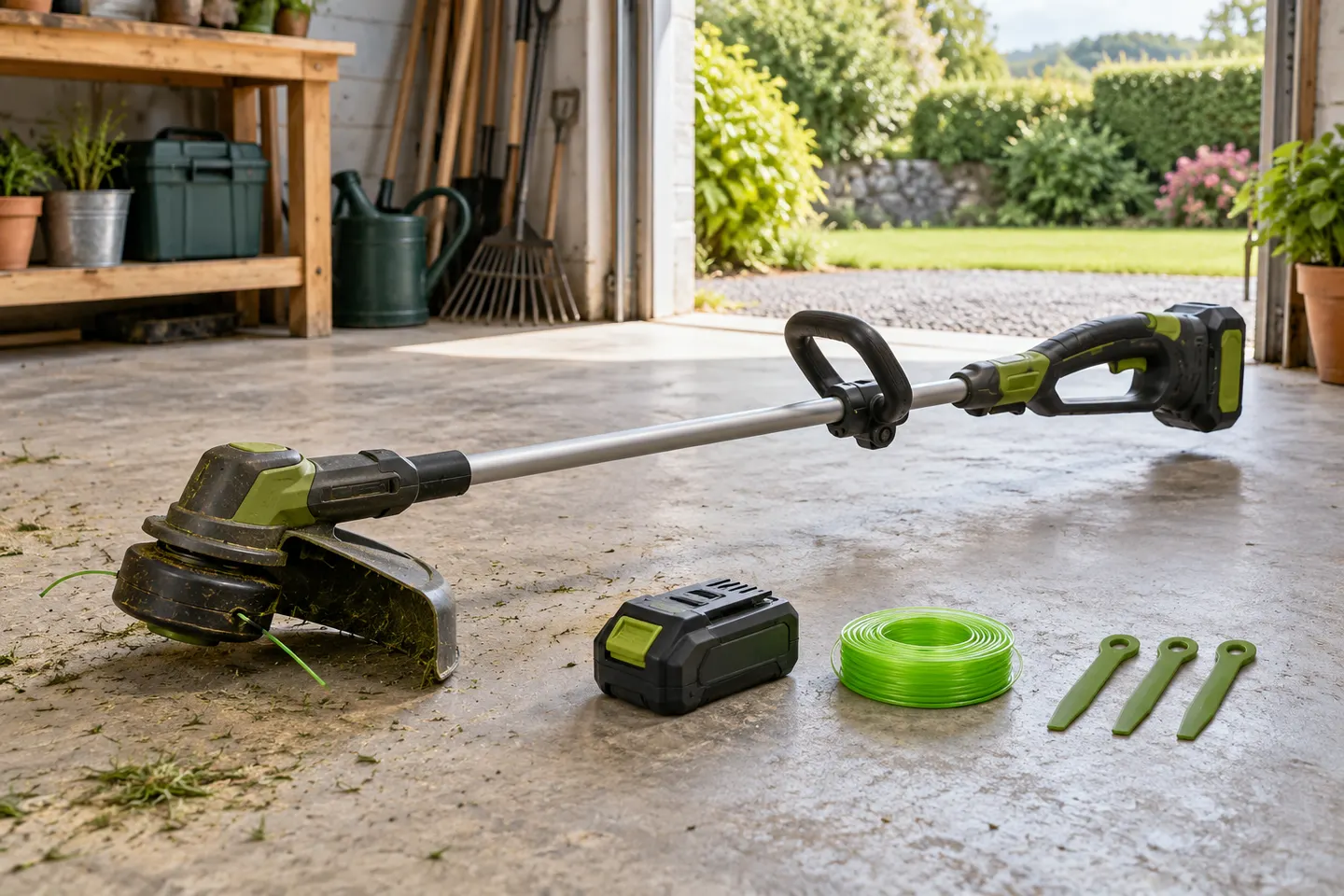
Cordless Strimmers: Find the Right Battery-Powered Tool
Choose a cordless strimmer around your yard, cutting tasks and battery platform. Browse dedicated trimmers, trimmer-edger combinations and practical guides.
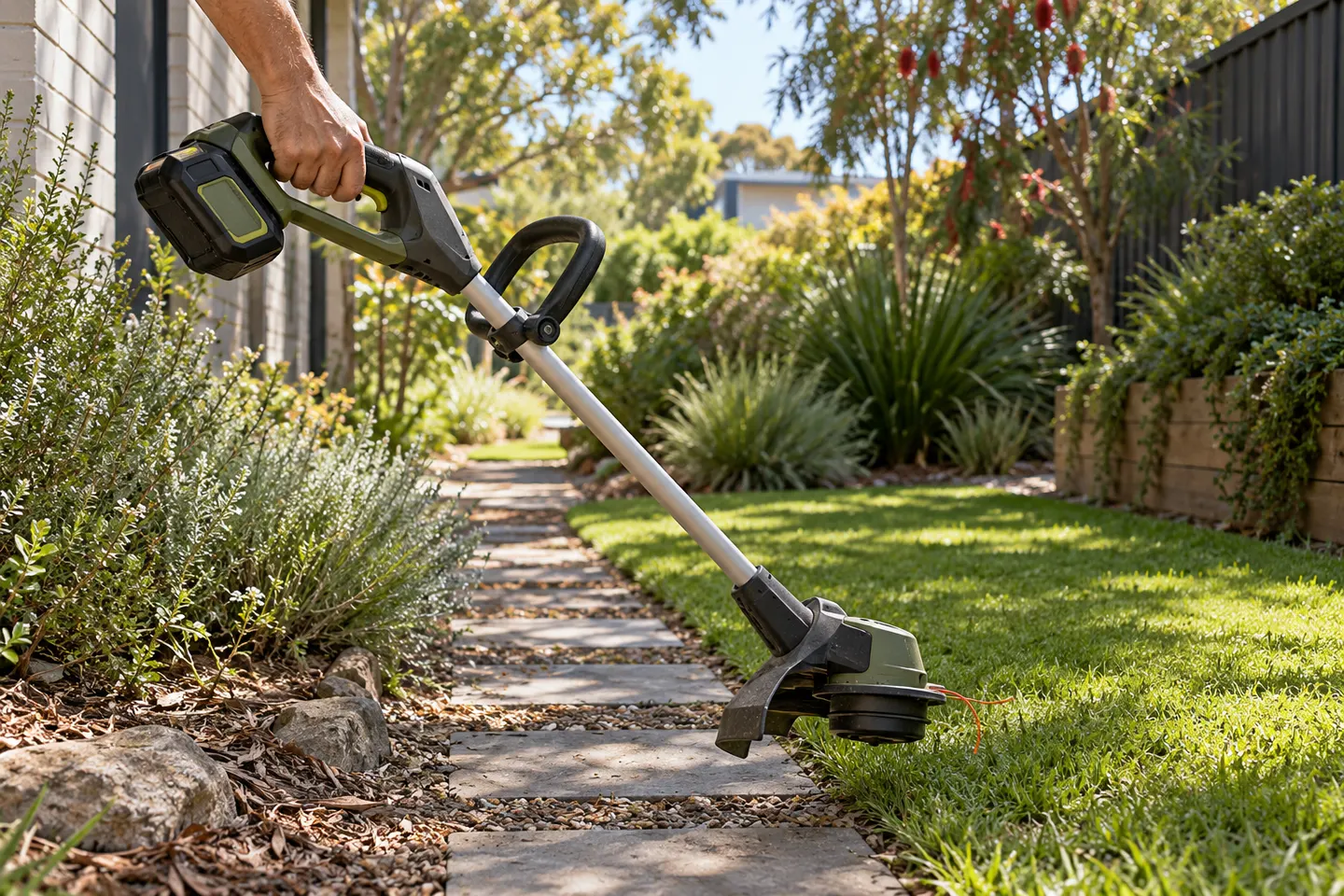
Grass Strimmer Cordless Options for Different Yards
Compare battery platforms, cutting widths and line systems to shortlist a cordless trimmer for your yard.
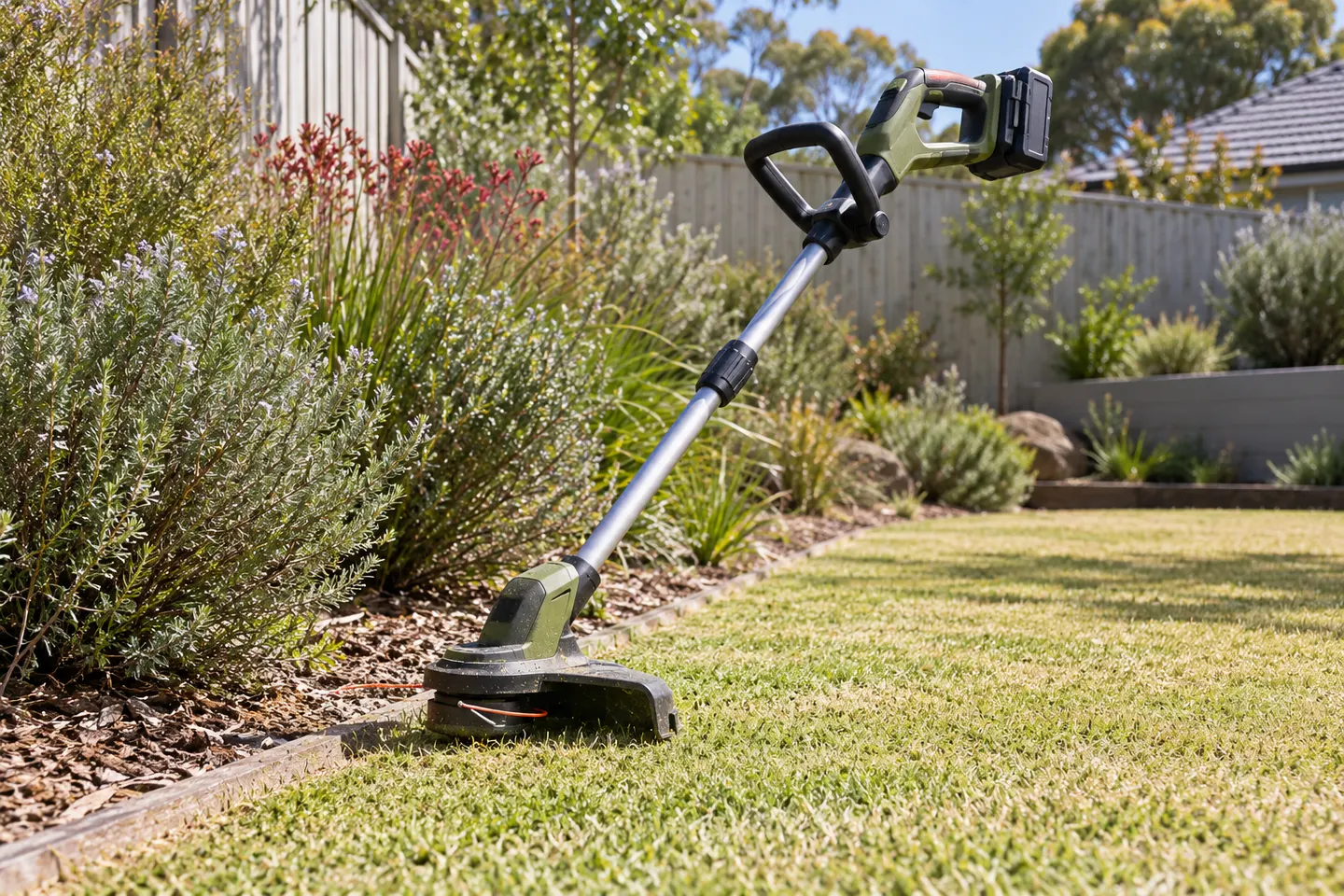
Weed Eater Battery-Powered Models for Home Yards
Battery kits simplify setup, while tool-only models suit buyers who already own a matching platform.
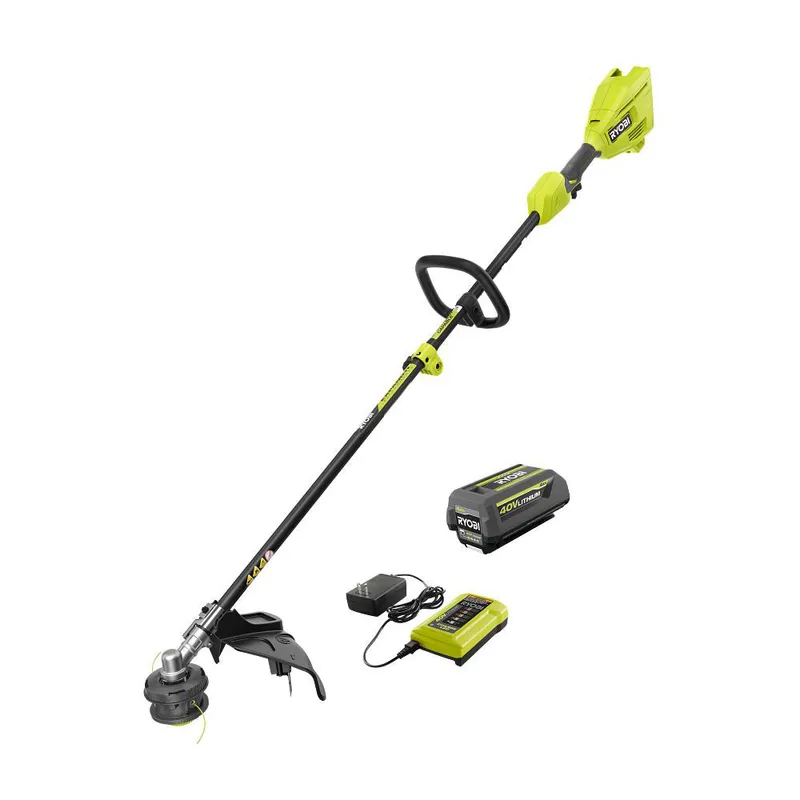
Cordless Ryobi Strimmer Options for Different Yards
Compare battery platform, stated swath and kit inclusions across RYOBI cordless models.