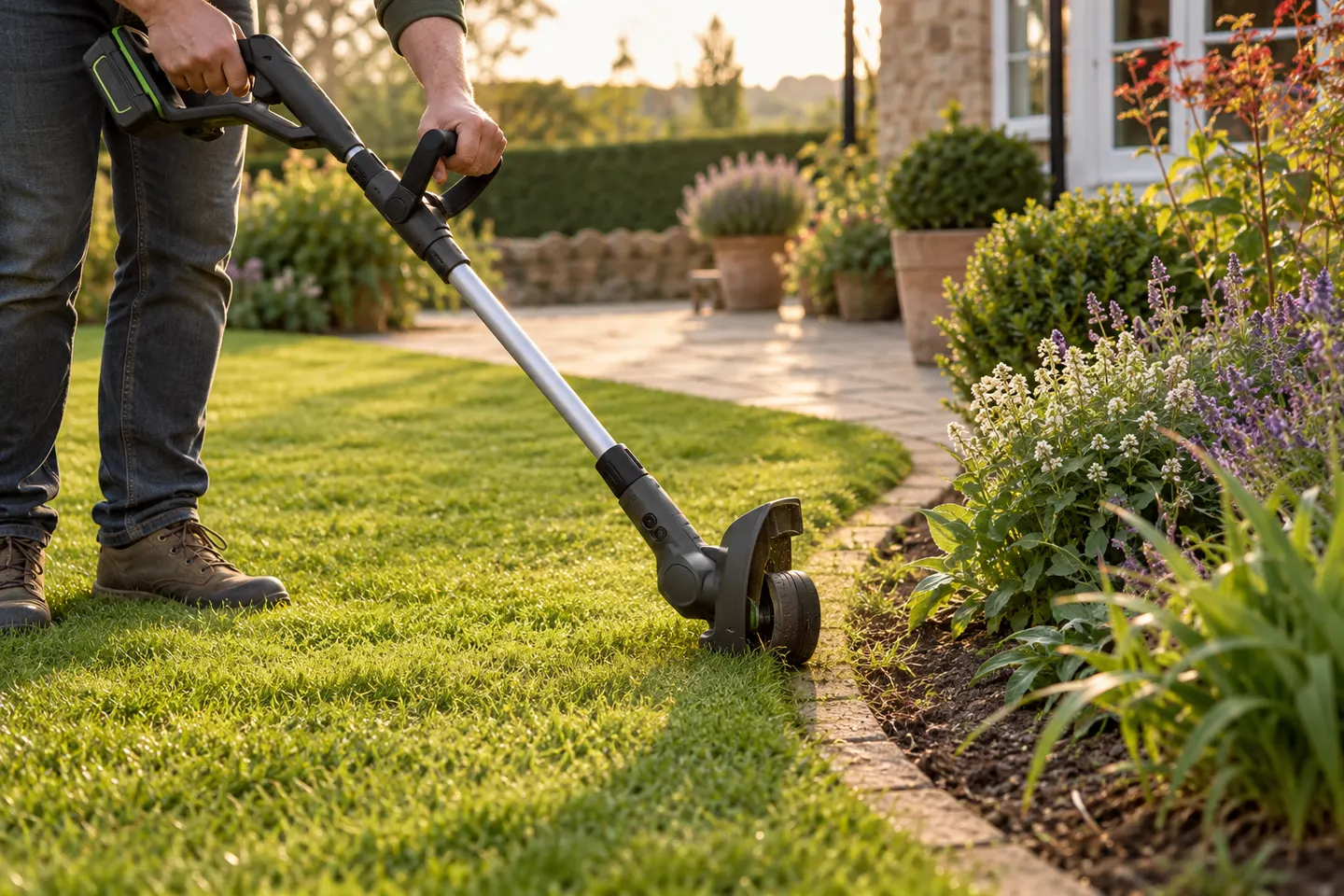
Best Battery Powered String Trimmers for Different Yards
RYOBI RY402110 leads for its wide swath and published kit runtime; other picks suit attachment use, STIHL and FLEXVOLT owners.

 Best picksGood Meat Thermometers for Every Kind of Cook
 Best picksBest WiFi Extenders: Which Range Extender Should You Buy?
 Best picksBest Dash Cams for Cars in 2026
 Best picksBest Radar Detectors for Cars: Models Compared
 Best picksGood Winter Gloves for Cold Weather: Five Useful Picks
 Best picksBest Headlamps: Six Lights Compared for Different Uses
 Best picksTop 10 Best Battery-Powered Weed Eaters for Different Yards
 Best picksBest Portable Air Coolers for Patios, Workshops and Small Spaces (2026)
 Best picksBest Air Purifier for Bedroom in the US: Quiet Models Compared
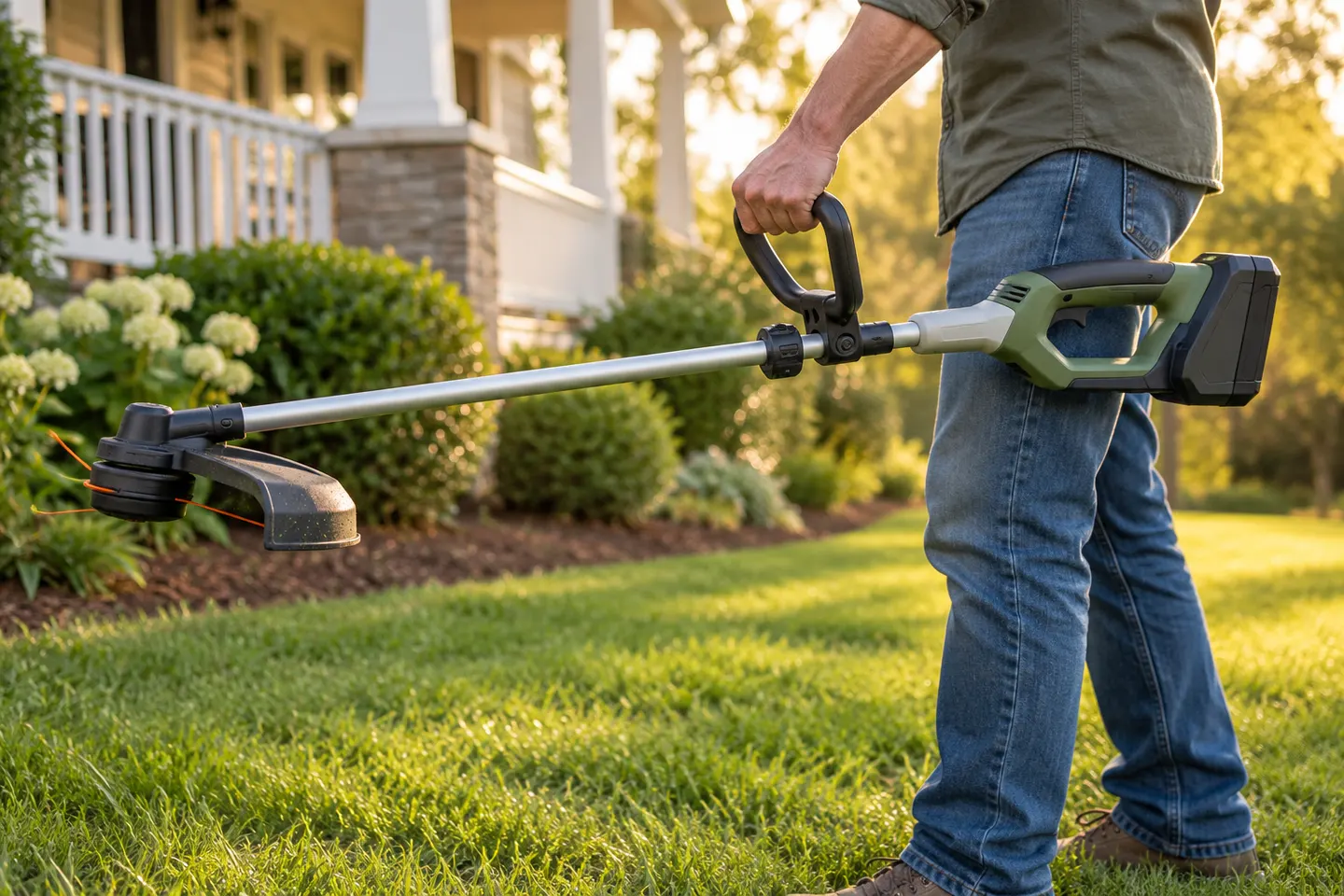
Start here
RYOBI RY402110 leads for its wide swath and published kit runtime; other picks suit attachment use, STIHL and FLEXVOLT owners.
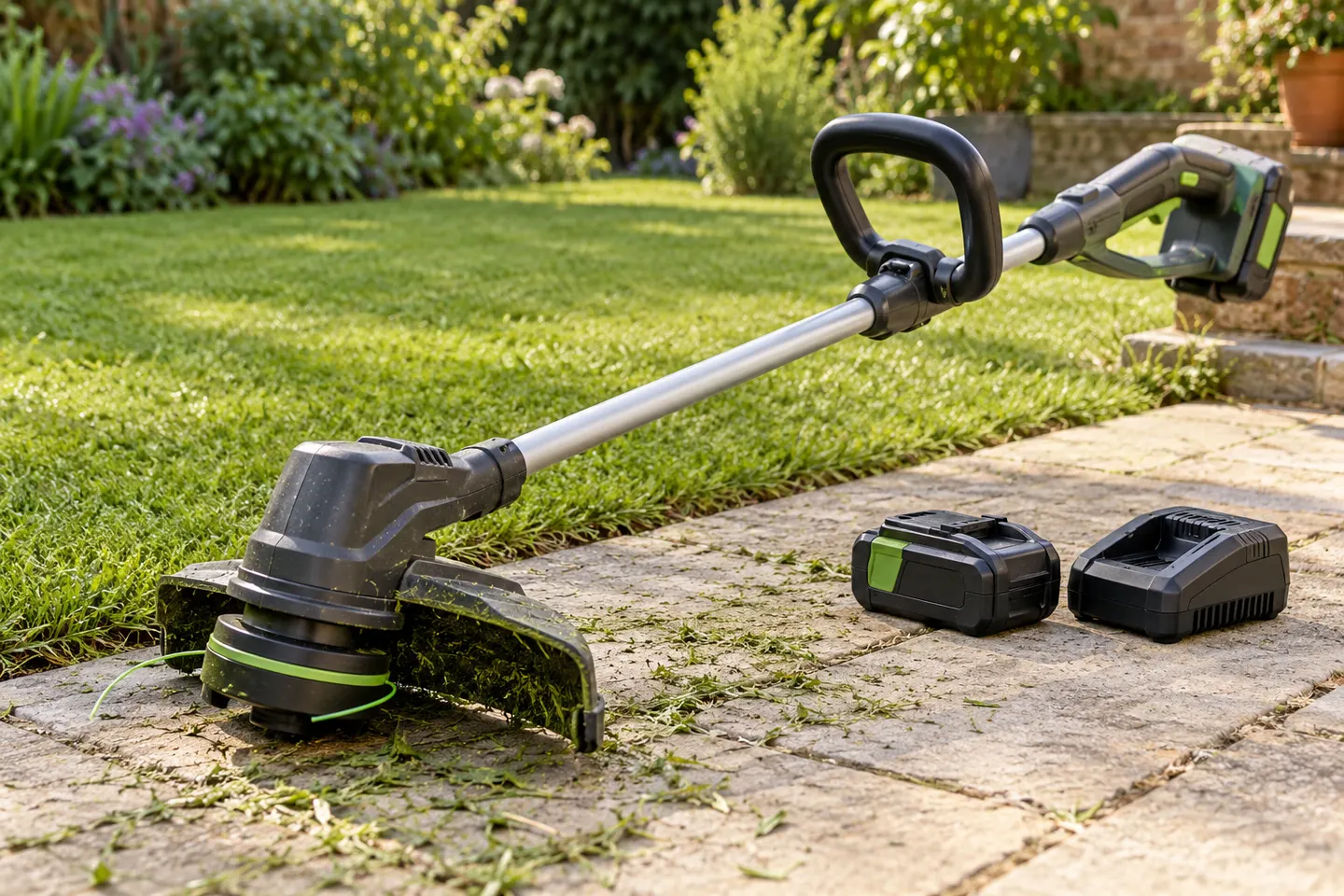
STIHL FSA 50 suits edging flexibility; FSA 70 R targets more demanding homeowner work, and FSA 57 is aimed at smaller lawns.
Our picks
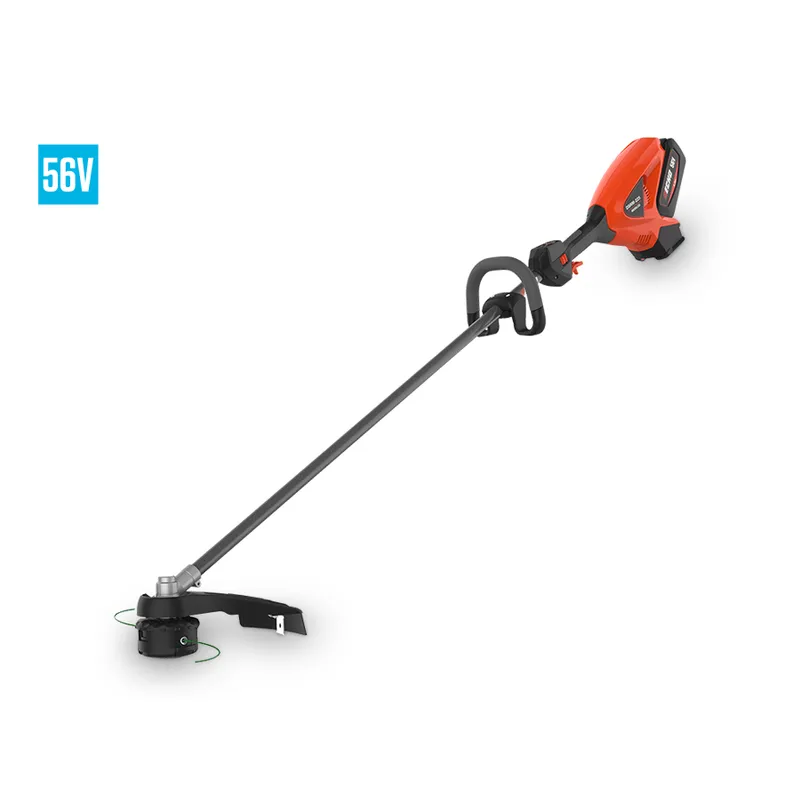 Official manufacturer image
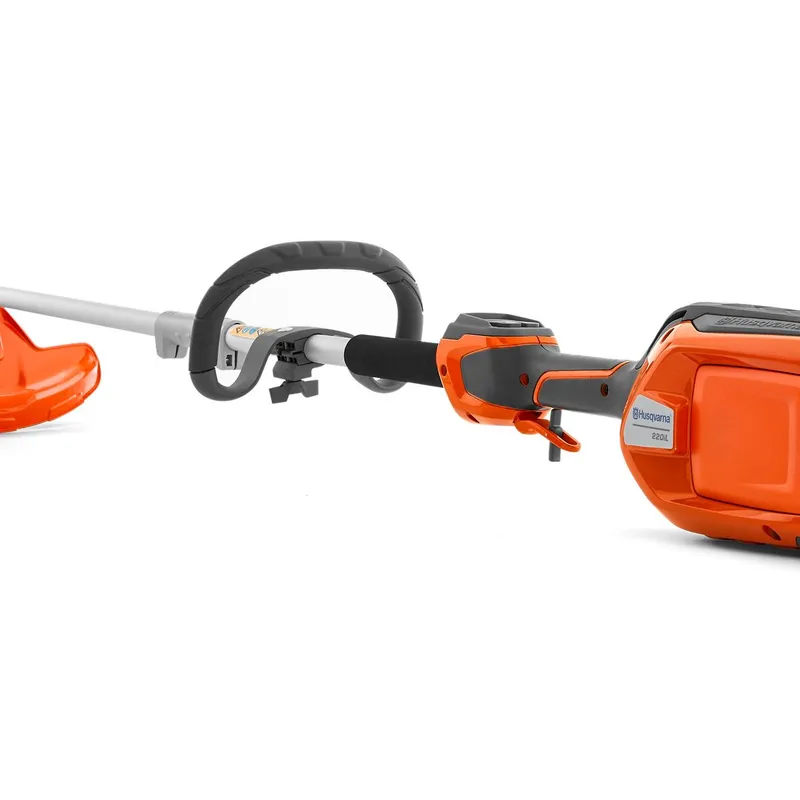 Official manufacturer image
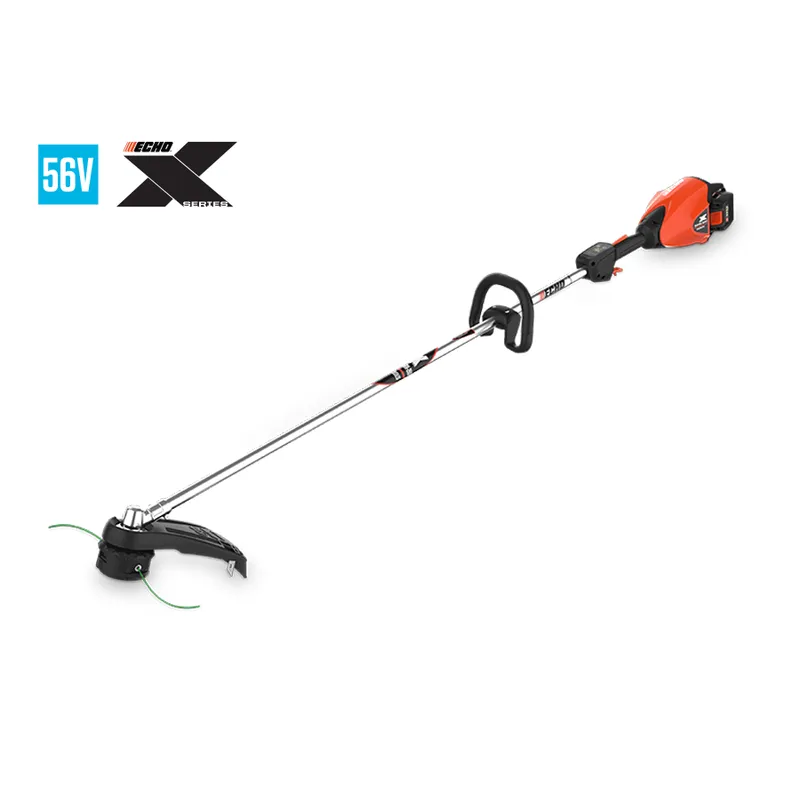 Official manufacturer image
Best picks
RYOBI RY402110 leads for its wide swath and published kit runtime; other picks suit attachment use, STIHL and FLEXVOLT owners.
STIHL FSA 50 suits edging flexibility; FSA 70 R targets more demanding homeowner work, and FSA 57 is aimed at smaller lawns.
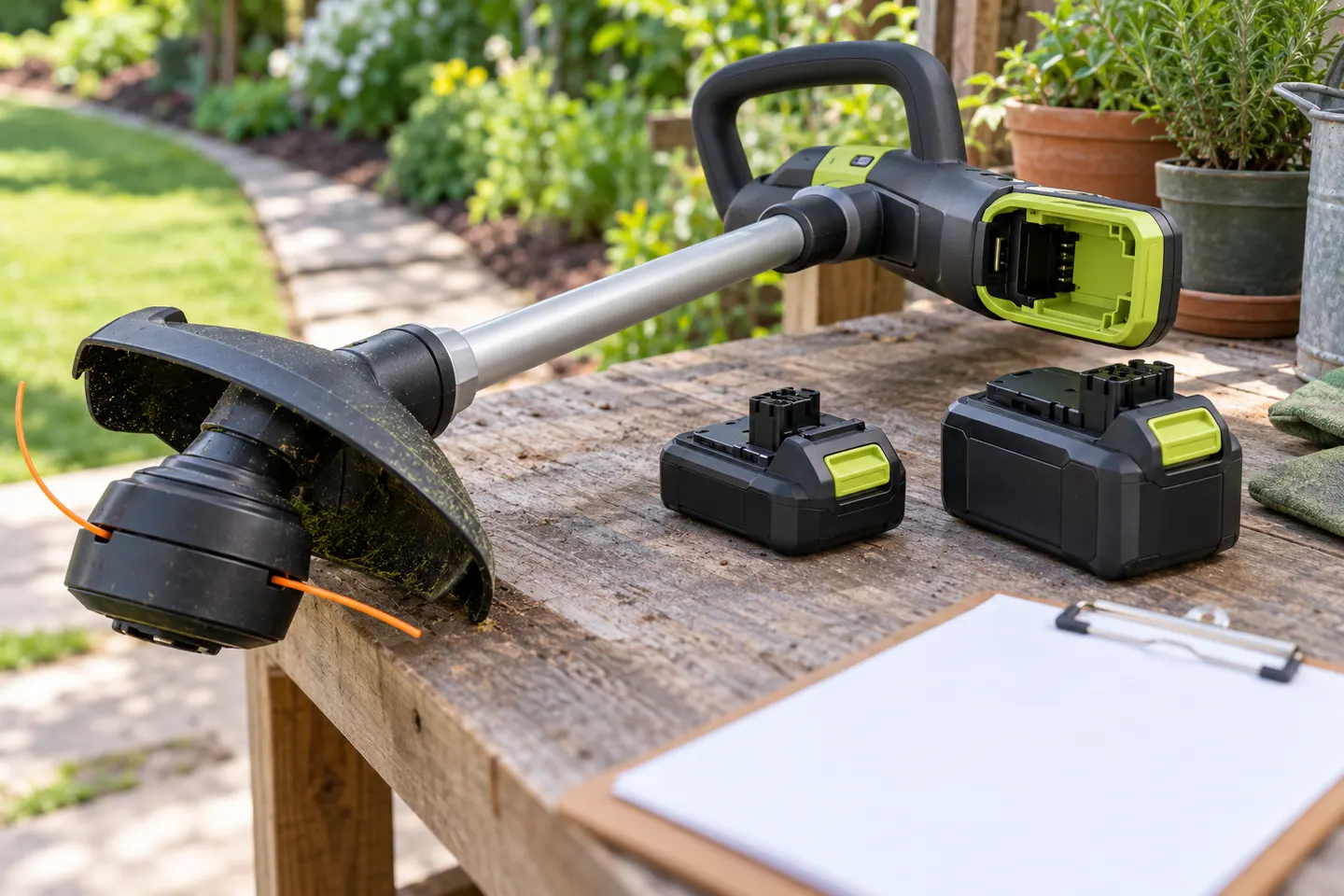
RYOBI offers a wide adjustable swath, while STIHL options cover edging conversion and smaller-lawn trimming.
Common questions
Not always. Manufacturer pages may specify tool-only weight or omit the basis, so check the exact specification and kit contents before comparing models.
A smaller tool may be easier to carry, but balance, shaft length, grip position and cutting head also affect handling. Check whether the handle and shaft adjust to your posture.
A suitable shaft length, balanced battery position and adjustable handle can make control more comfortable. Try to compare the complete tool configuration you will actually use.
A narrower path can offer more control around beds, while a wider path can cover open edges in fewer passes. Match the cut width to the space and vegetation rather than weight alone.
 Battery powered
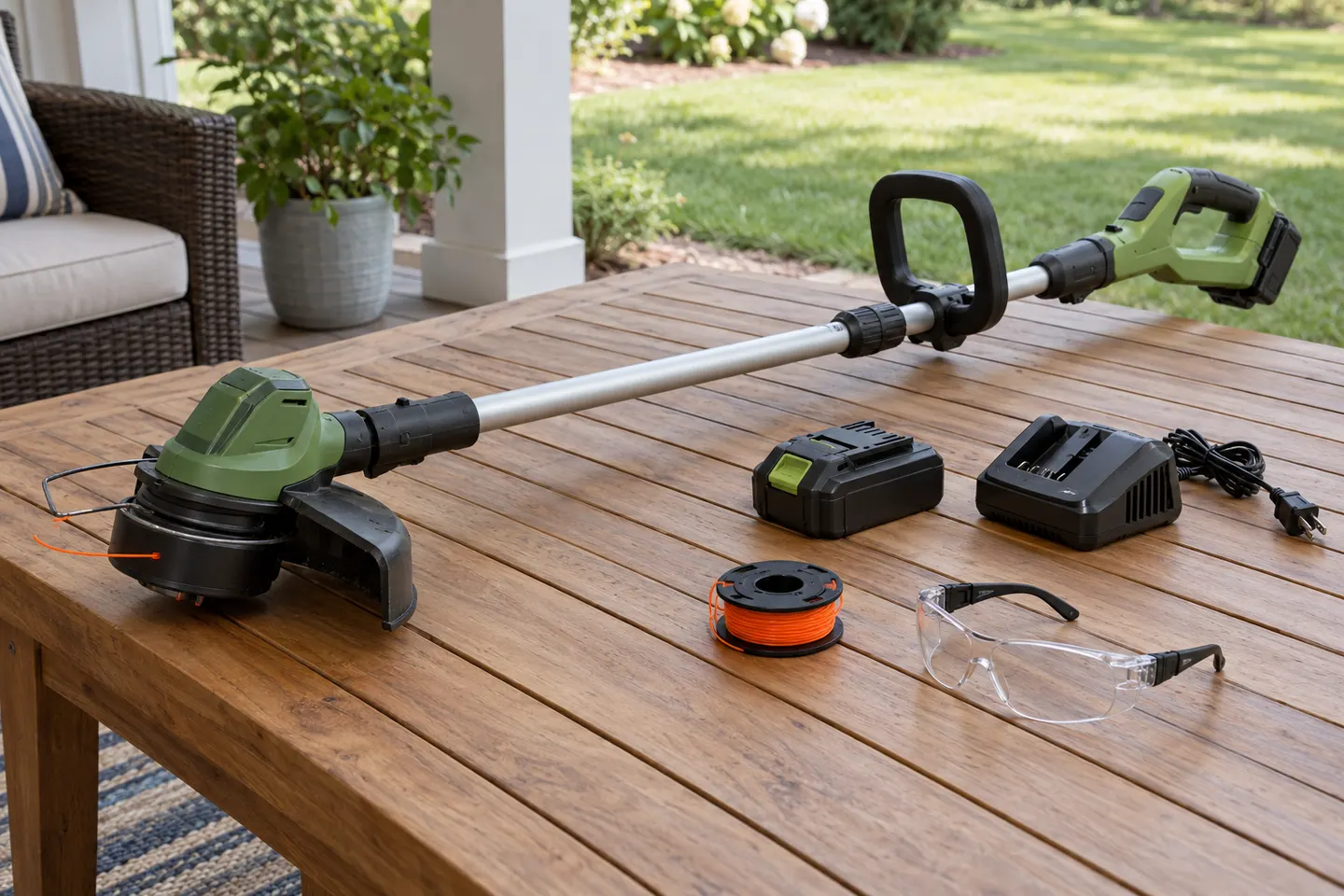 Battery operated
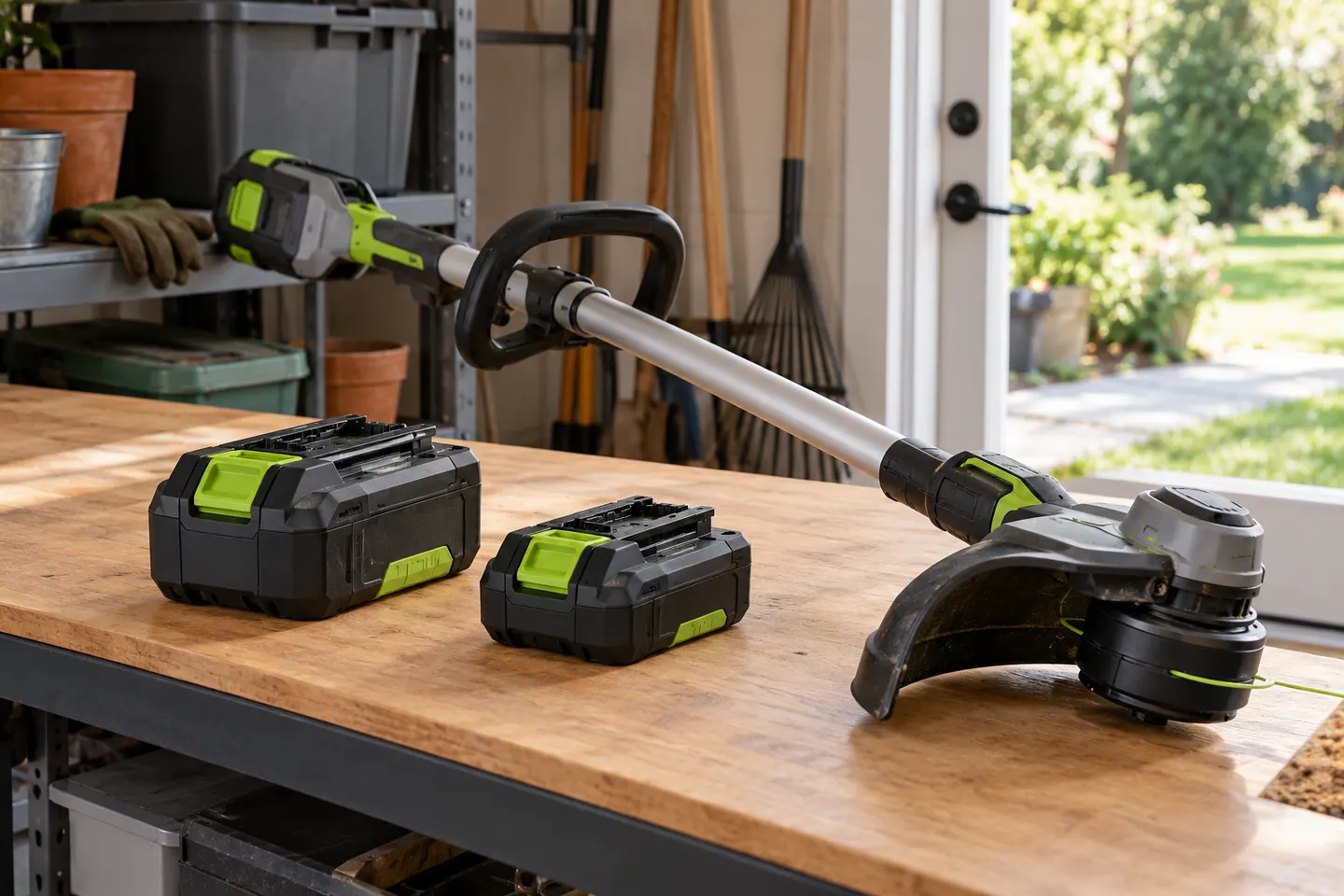 Battery power
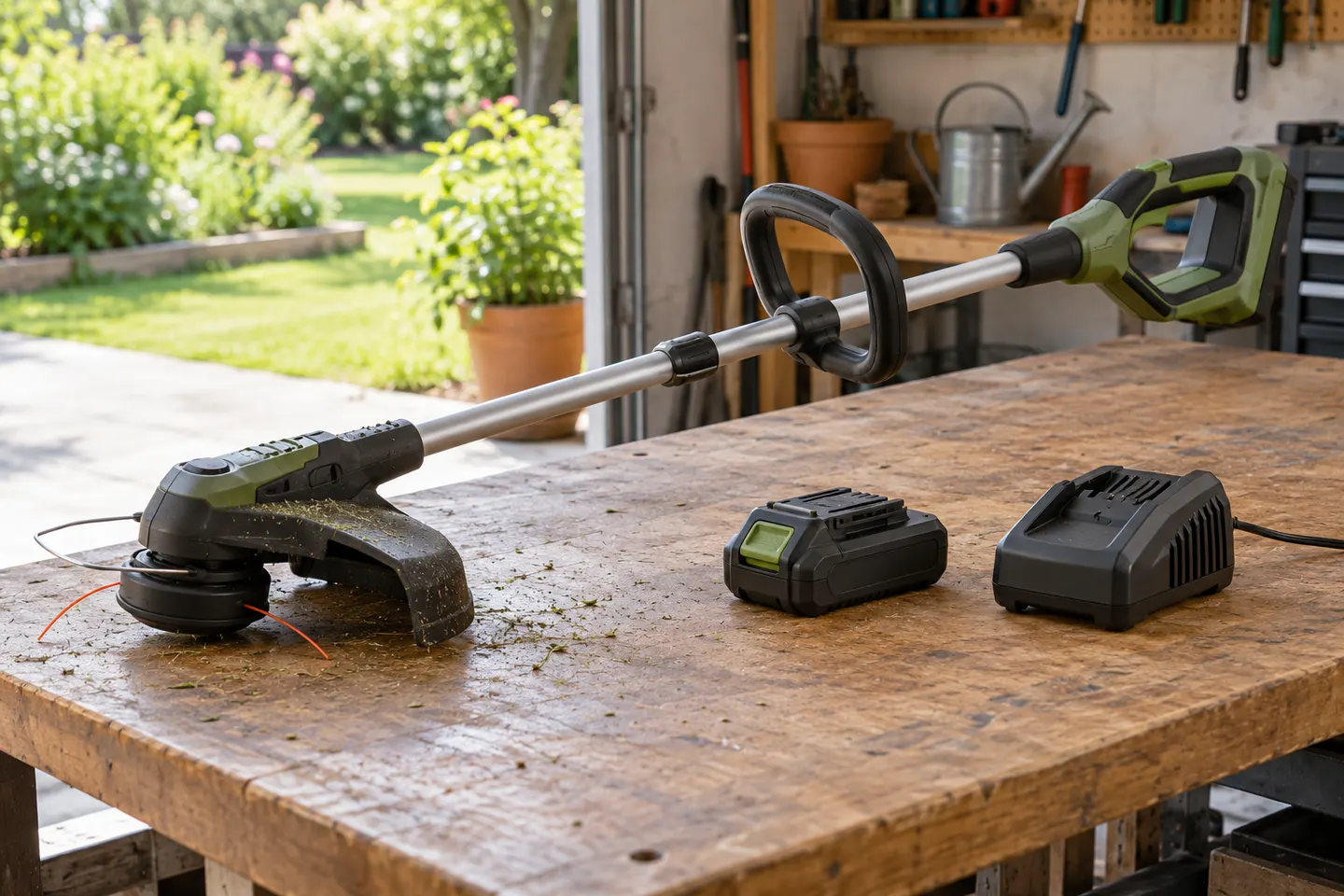 Cordless battery