









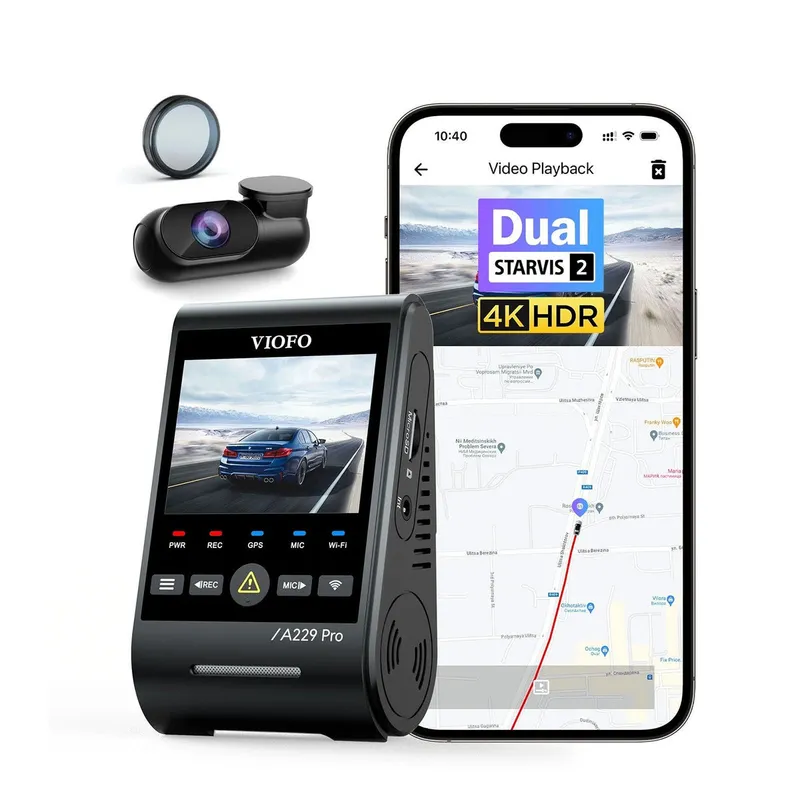
 Official manufacturer image
Our picks
Top picks
Official manufacturer image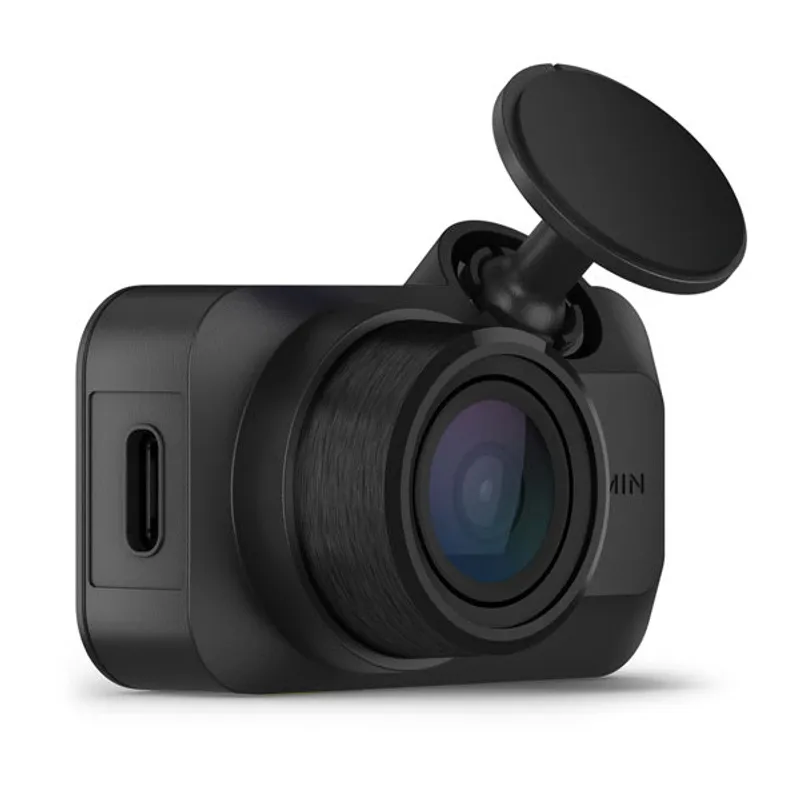 Official manufacturer image
Garmin Dash Cam Mini 3
Check price on Amazon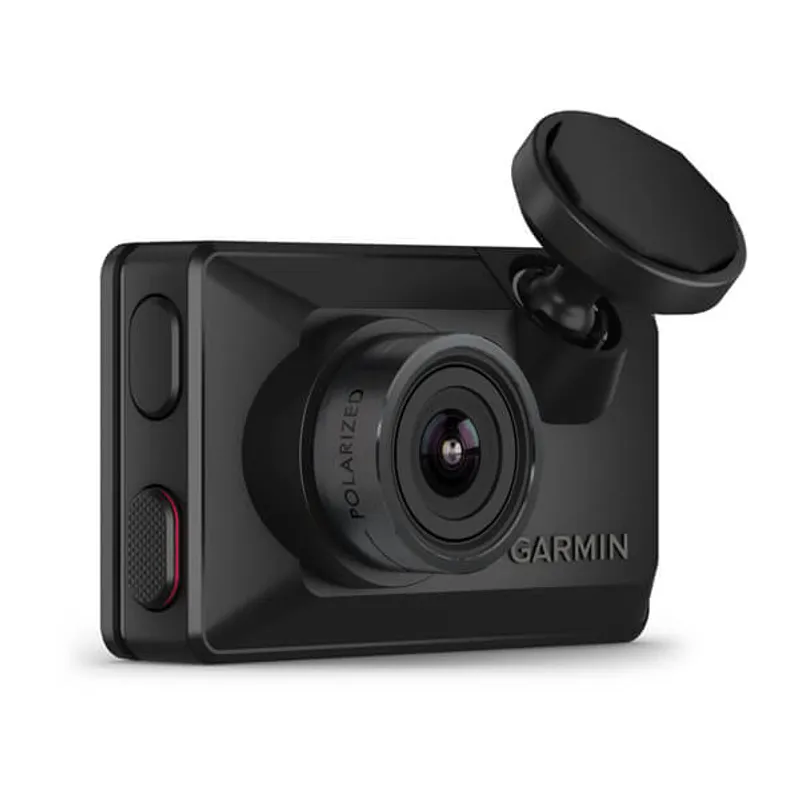 Official manufacturer image
Garmin Dash Cam X310
Check price on AmazonBy feature
 4k
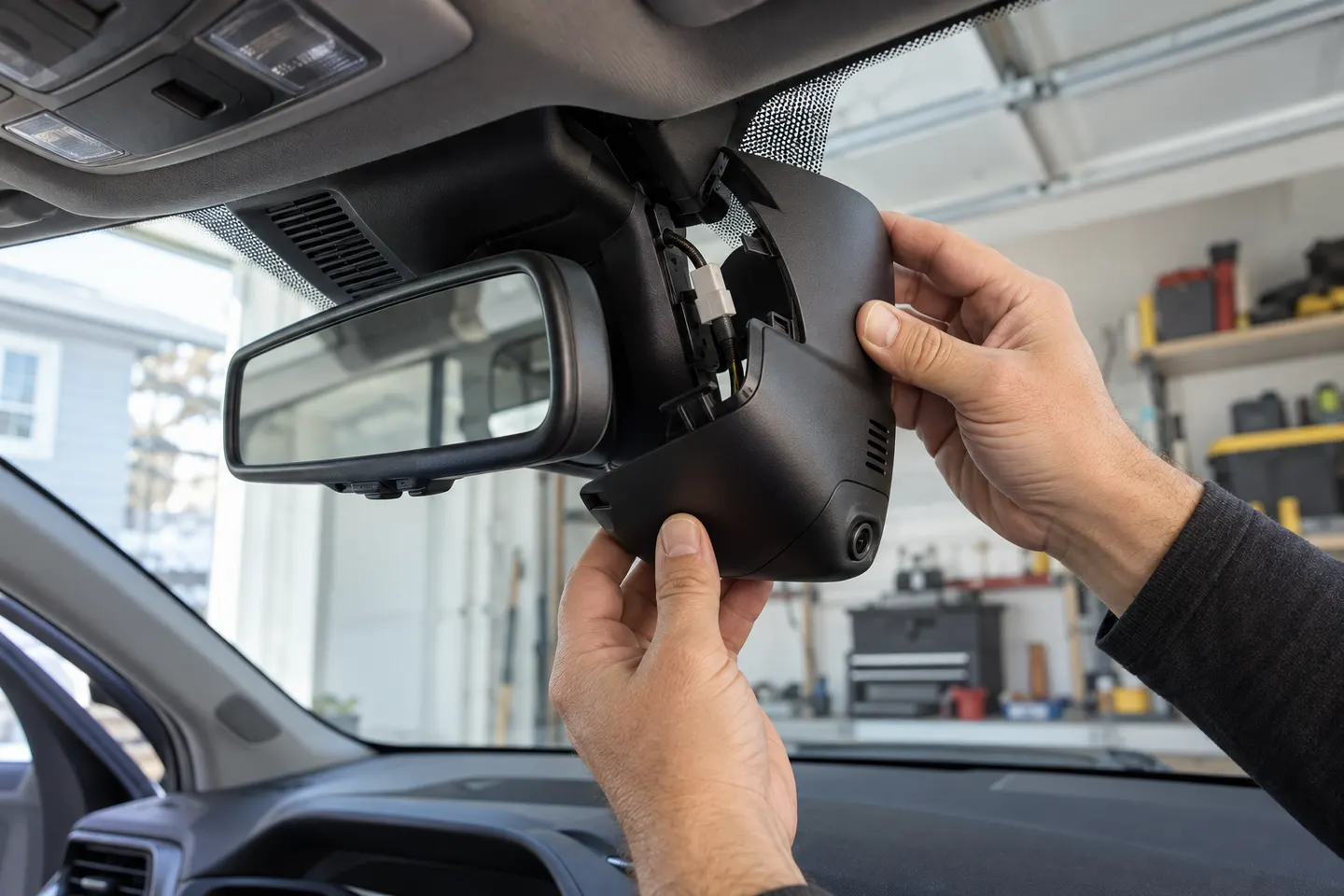 Fitcamx 4k
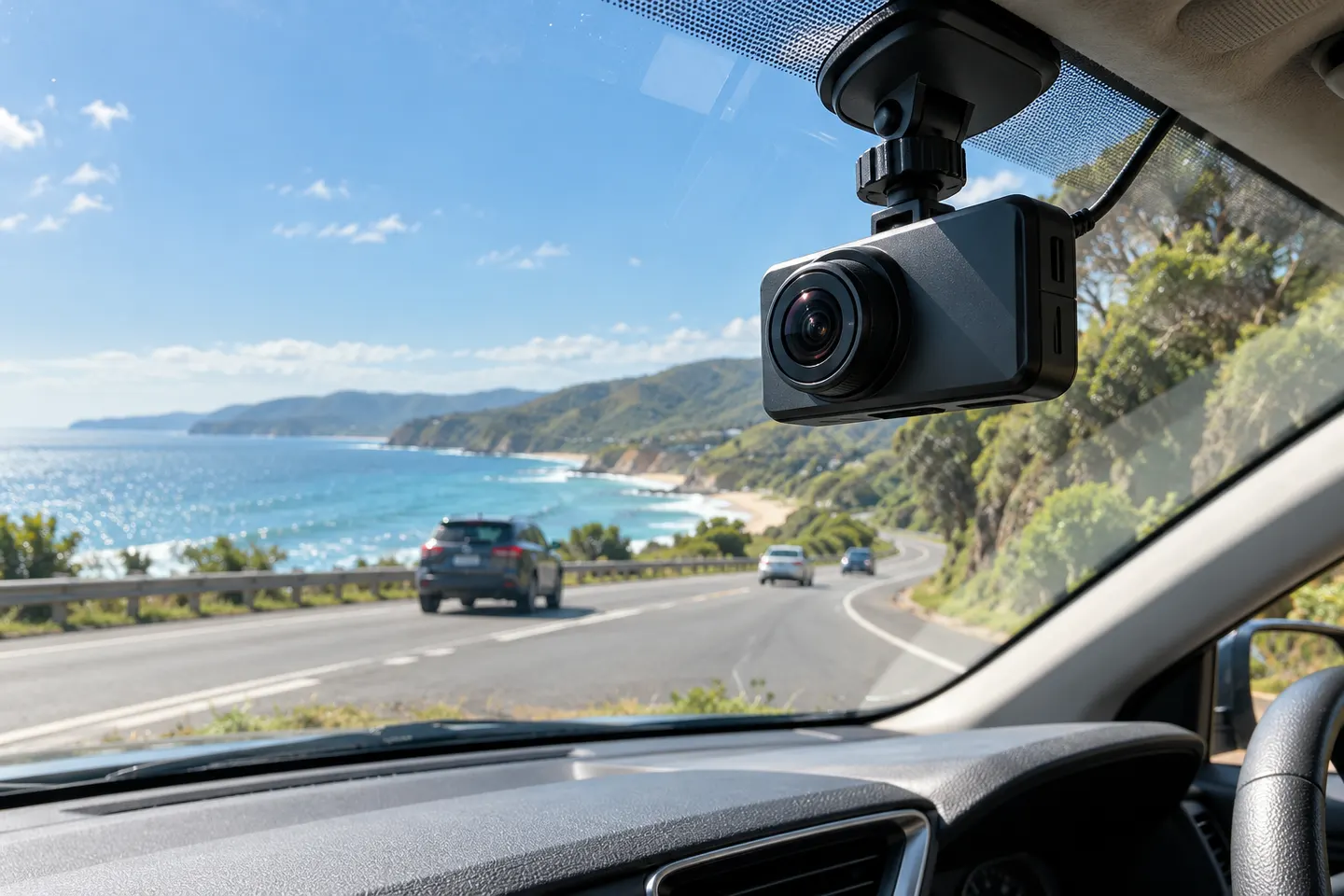 4k uhd
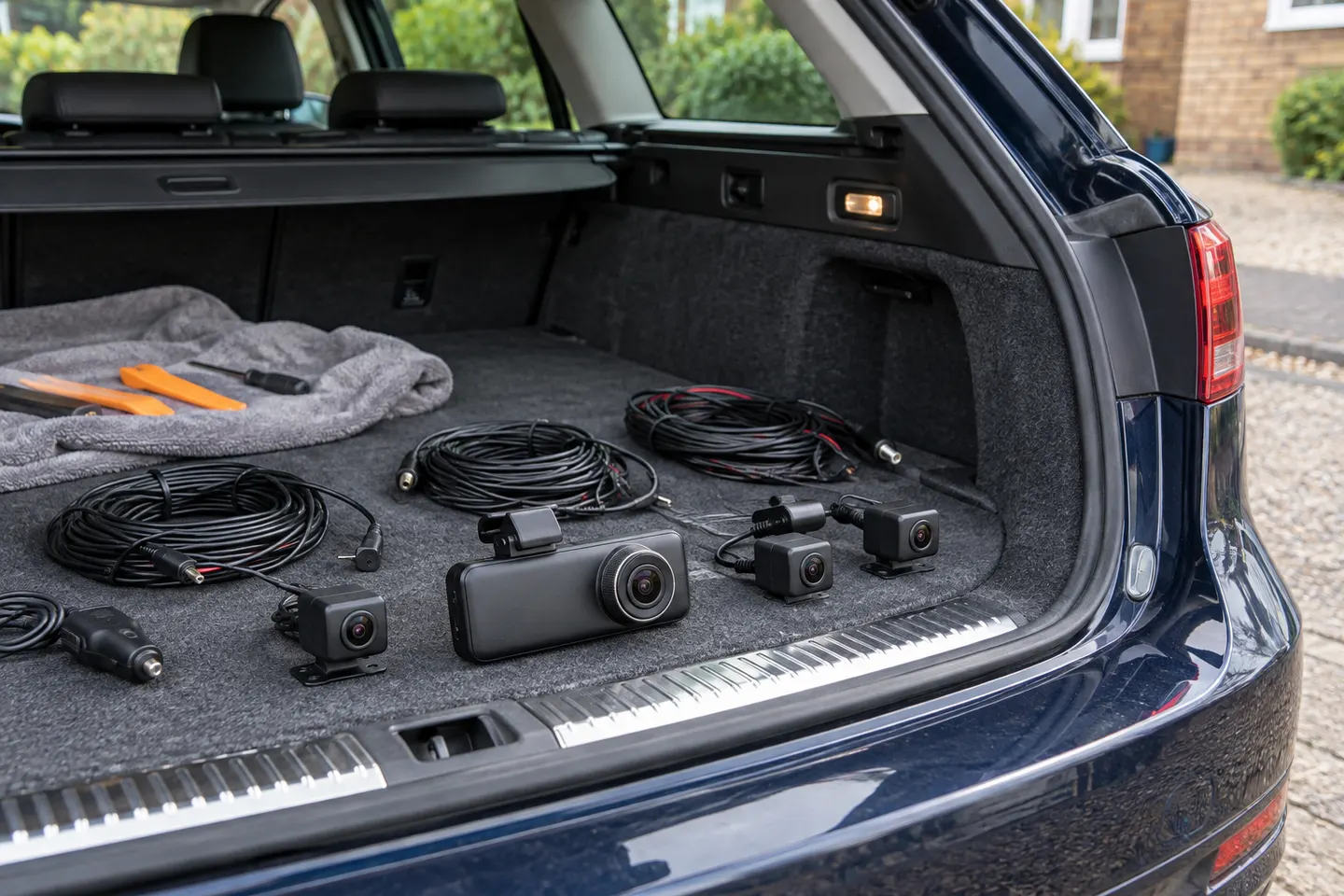 Botslab 4k
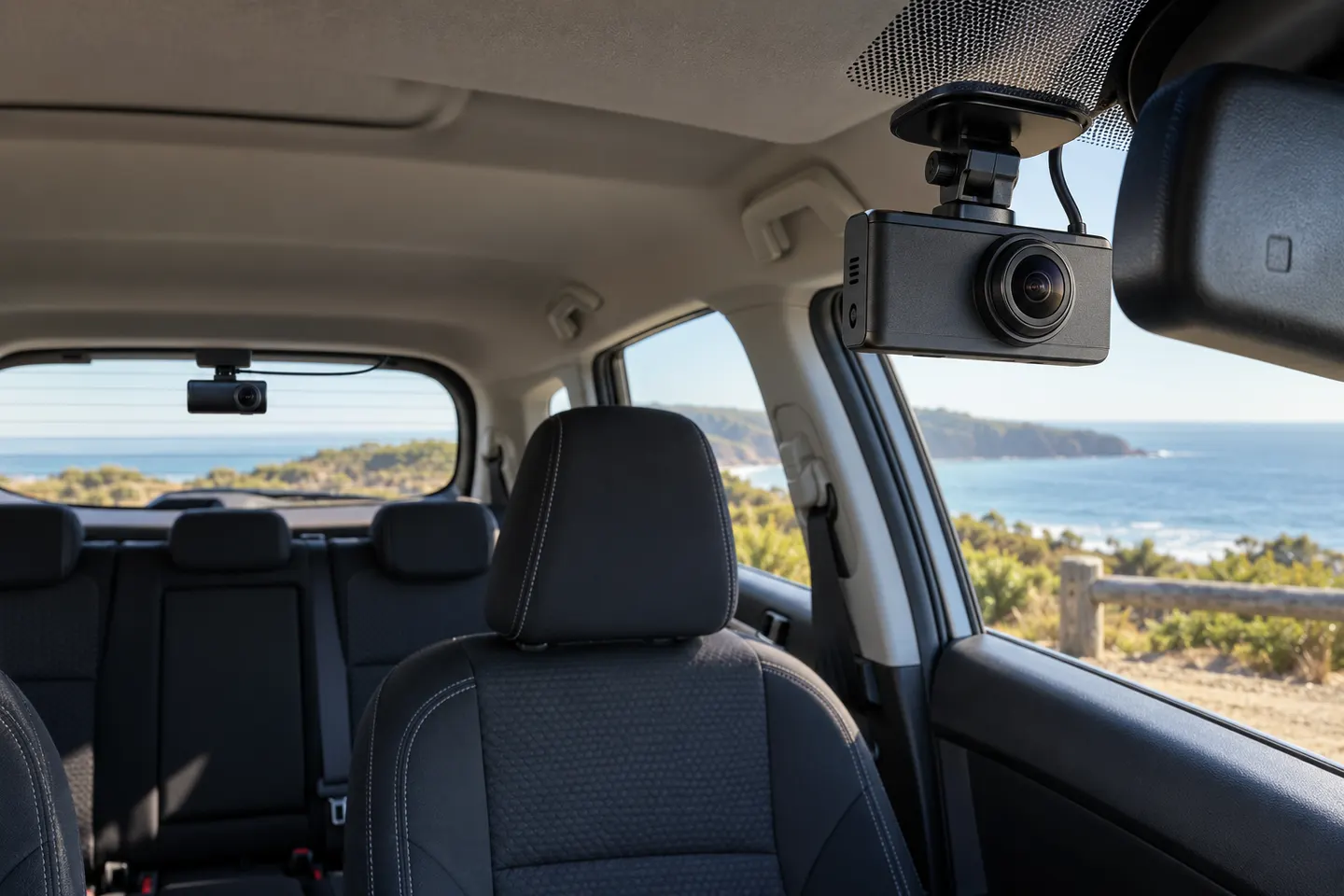 4k dual channel
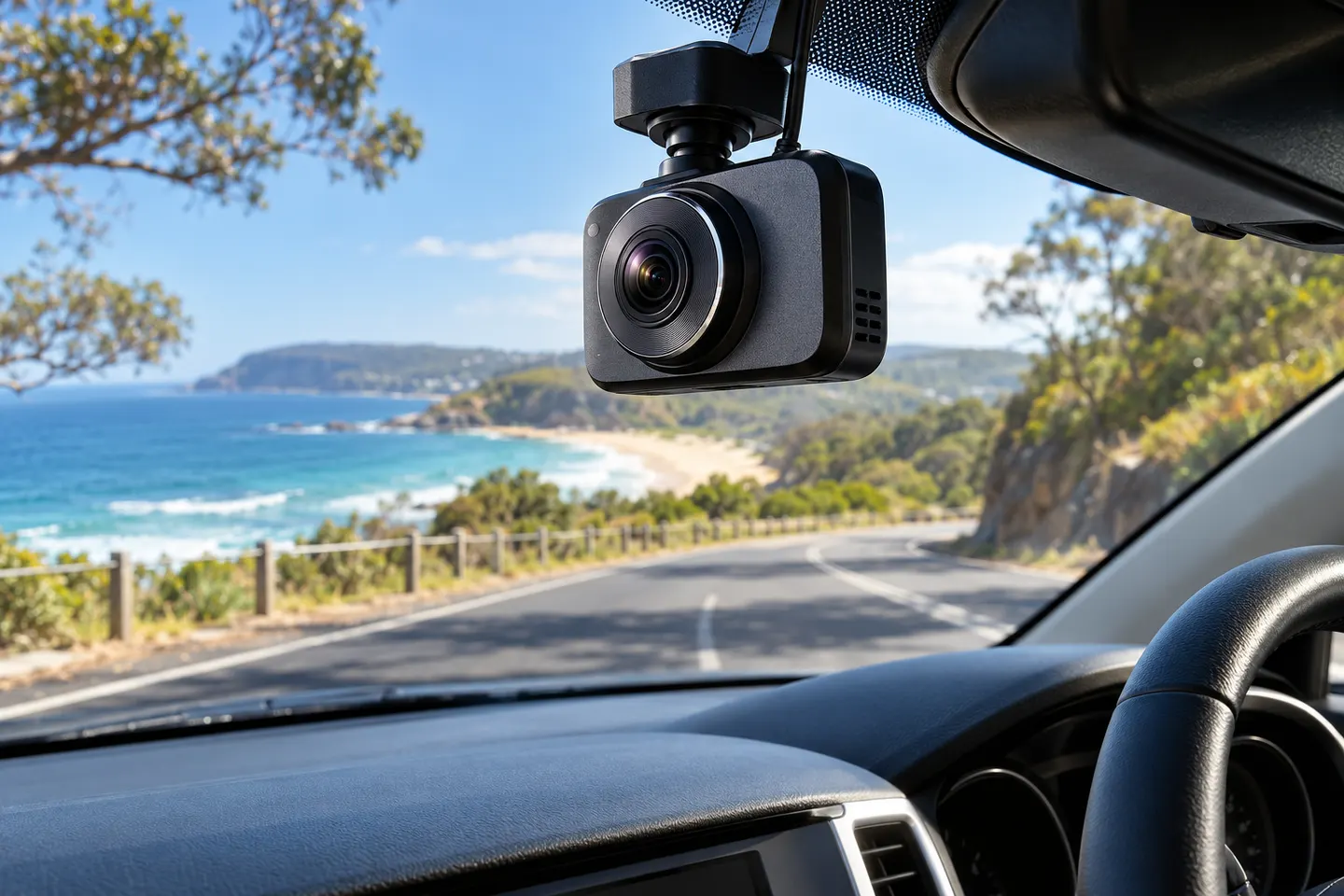 4k ultra hd
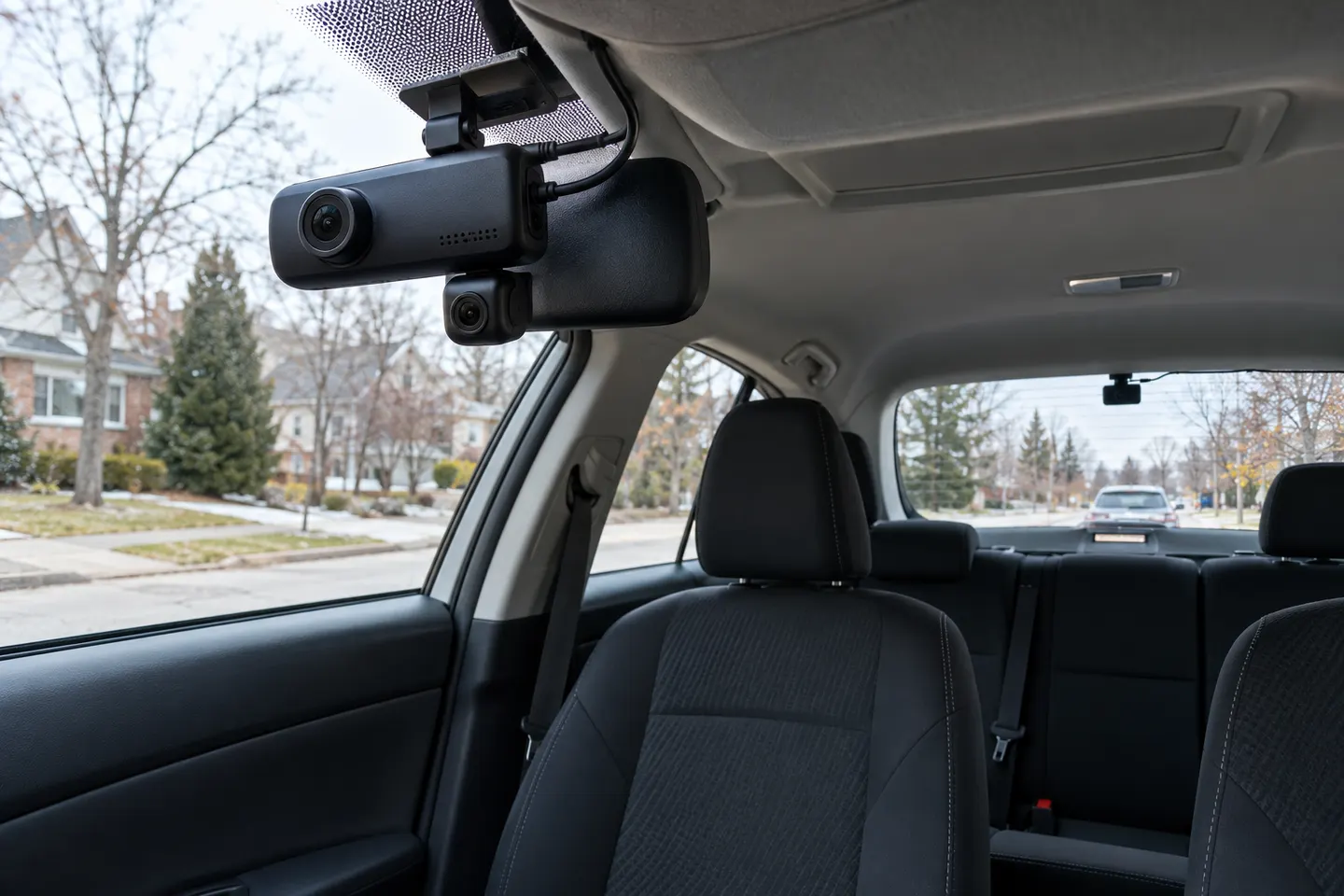 3 channel 4k
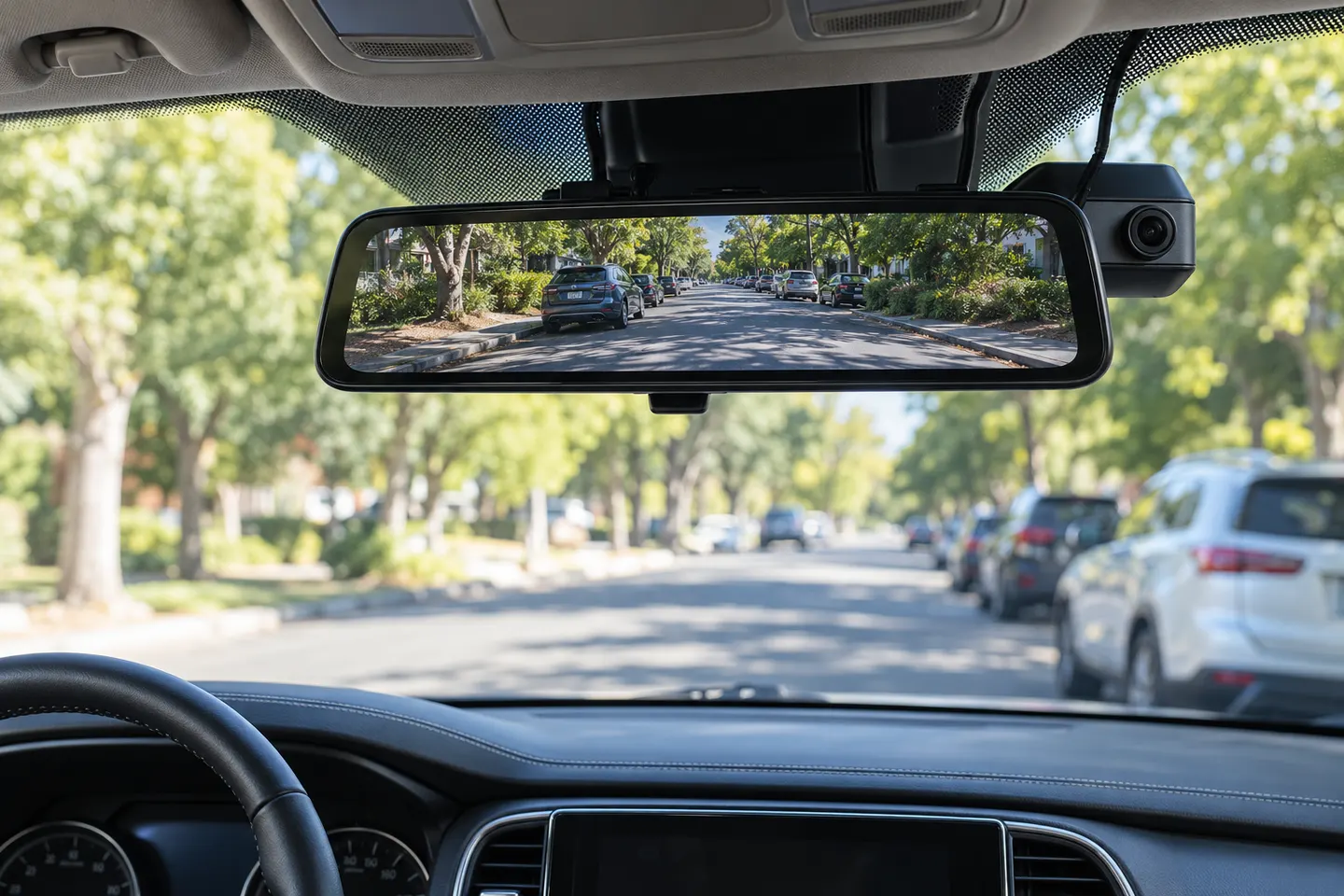 4k mirror
Common questions
Questions before you buy
Is 4K 60fps better for a dashcam?
It can improve motion smoothness and temporal detail in suitable light, but 4K 30fps may allow different HDR, channel or storage tradeoffs. The better mode depends on the scene and camera.
Does 60fps help capture license plates?
More frames can increase the chance of a useful moment, but shutter speed, exposure, glare, distance and motion blur still determine whether characters are readable.
Can a 4K 60fps dashcam record front and rear?
Some can, but the rear resolution or available features may change. Verify the simultaneous front-and-rear mode in the official specification.
Do 4K 60fps recordings use more storage?
They generally require a higher data rate than lower-resolution or lower-frame-rate modes. Actual recording time depends on bitrate, compression, channels and card capacity.