








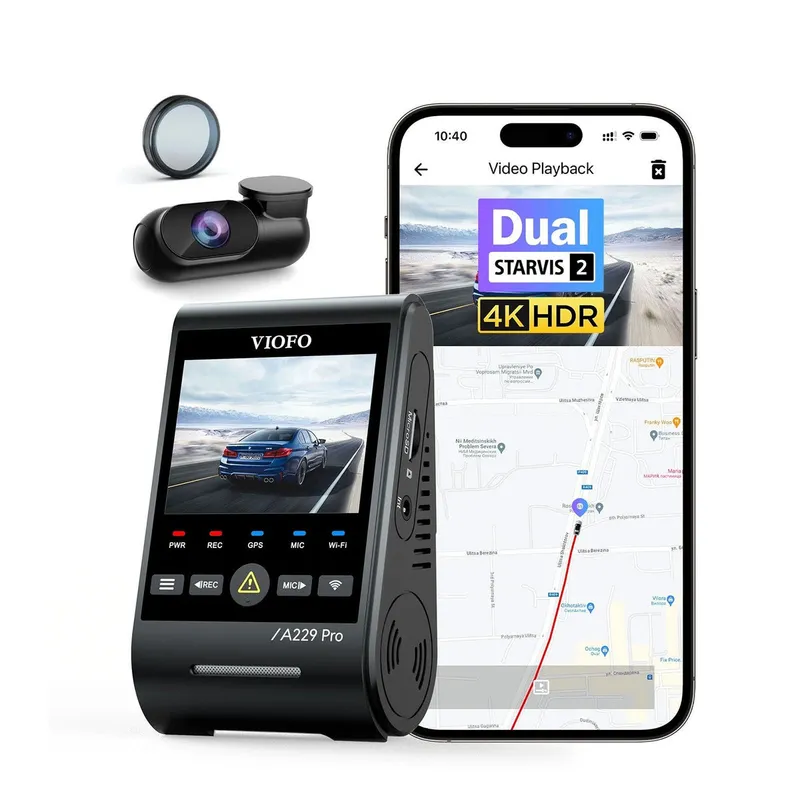
 Official manufacturer image
Our picks
Top picks
Official manufacturer image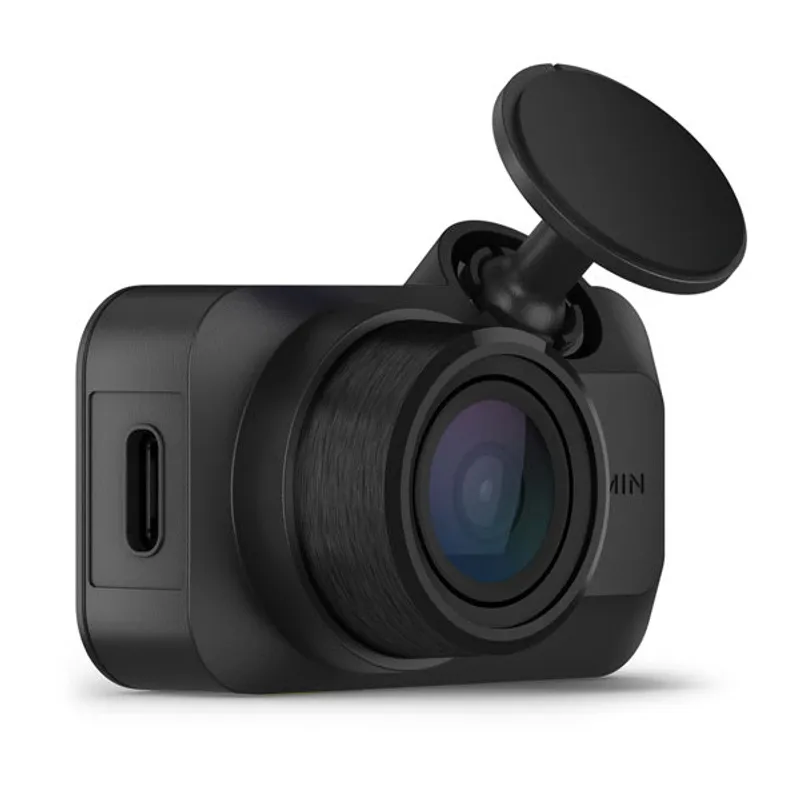 Official manufacturer image
Garmin Dash Cam Mini 3
Check price on Amazon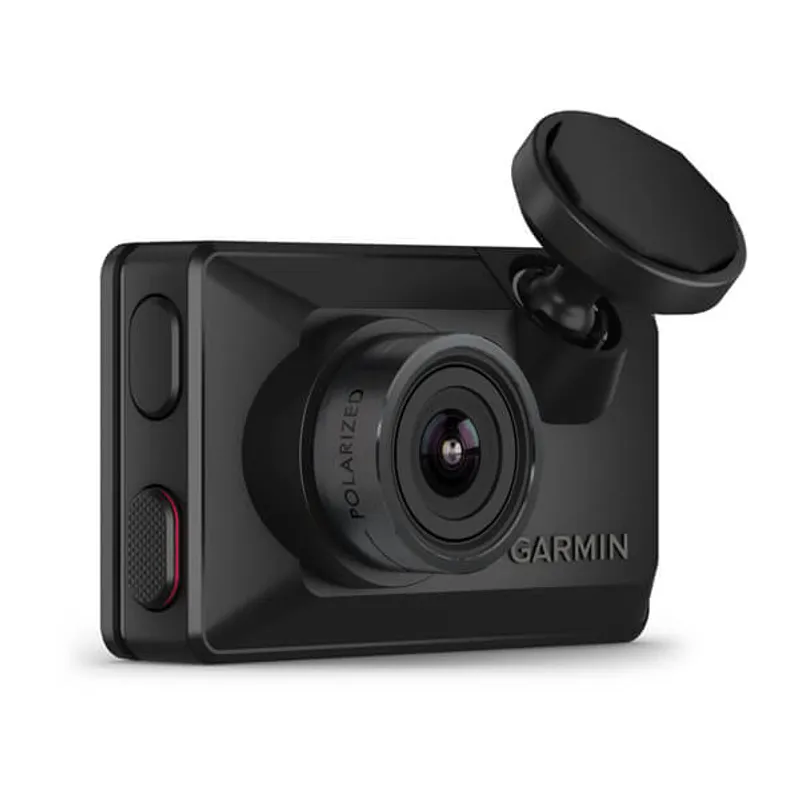 Official manufacturer image
Garmin Dash Cam X310
Check price on AmazonCommon questions
Questions before you buy
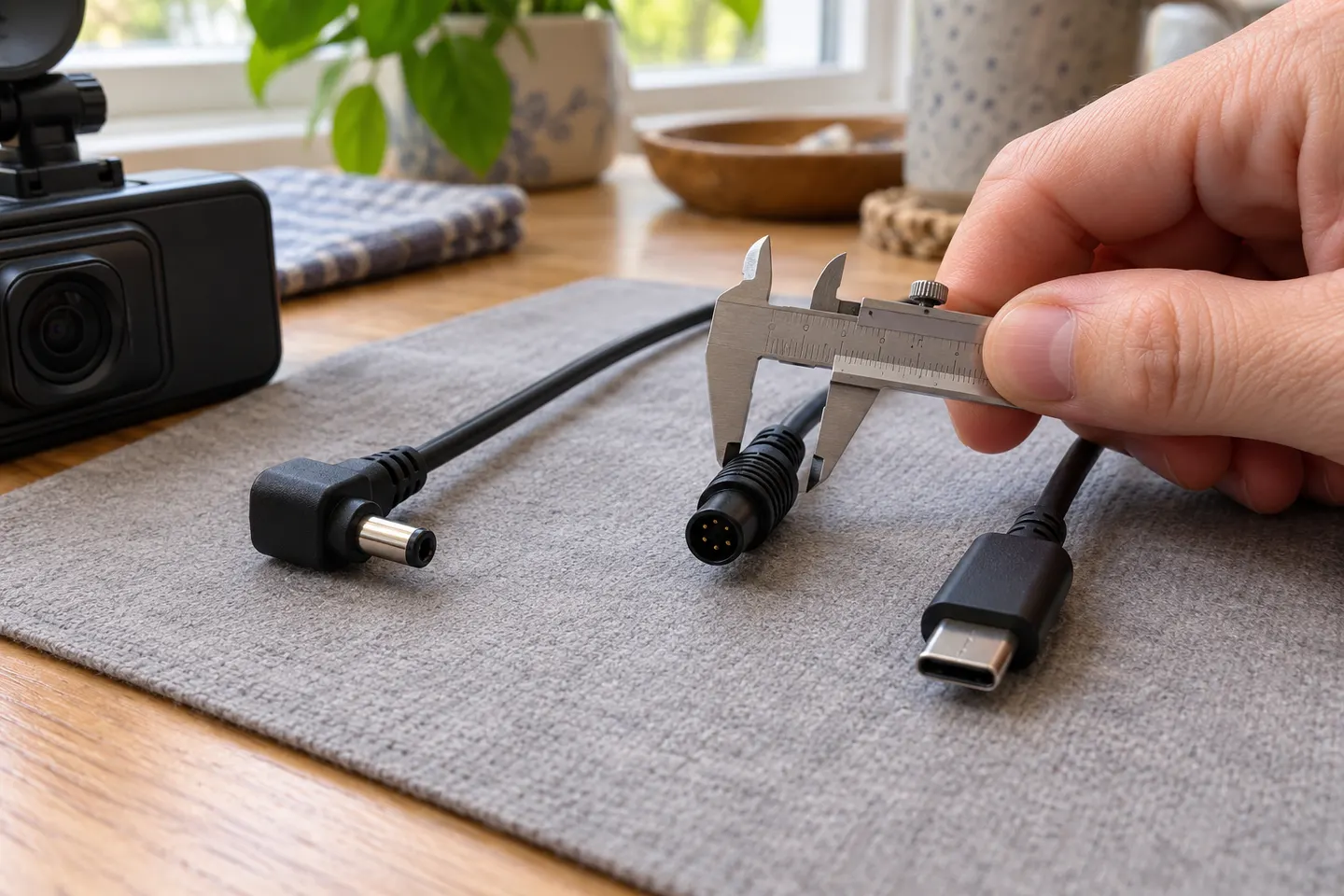
Can I use any USB cable for my dash cam?
Only if the manufacturer confirms the cable type, power specification, and data needs. Some visually identical cables have different wiring or performance.
What cable is needed for dash cam parking mode?
Many cameras require a model-specific hardwire kit with constant power, switched power, ground, and low-voltage protection. Follow the exact wiring manual.
Can I extend a rear dash cam cable?
Use an extension approved for the camera. An arbitrary cable or coupler can create signal loss, interference, or an incompatible pinout.
How should dashcam cables be routed?
Keep them clear of pedals, moving controls, sharp edges, and airbag deployment paths. Secure slack and use professional help when trim or fuse access is uncertain.