









 Official manufacturer image
Our picks
Top picks
Official manufacturer image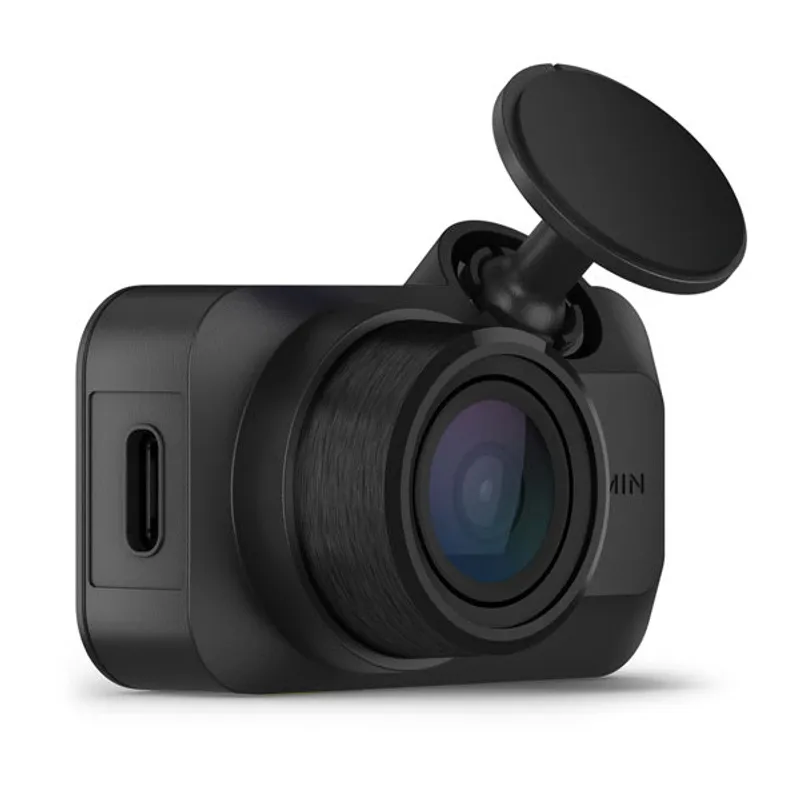 Official manufacturer image
Garmin Dash Cam Mini 3
Check price on Amazon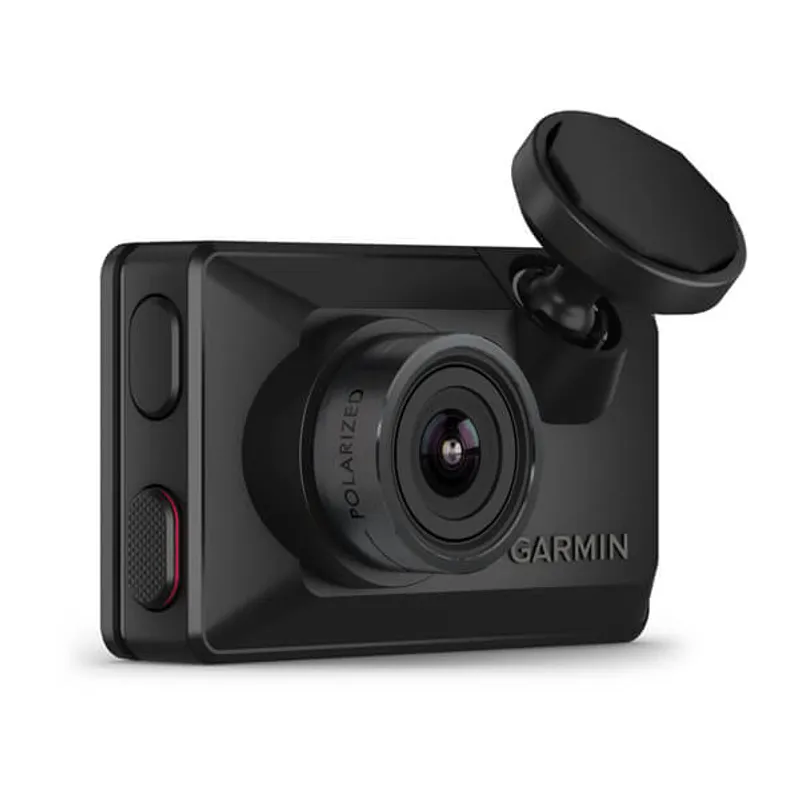 Official manufacturer image
Garmin Dash Cam X310
Check price on AmazonMore topics
Common questions
Questions before you buy
Where can I submit an idiots-in-cars dashcam clip?
Submission options depend on the specific community or publisher. Read its current terms and retain the original file before uploading anything.
Should I blur license plates in dashcam footage?
Rules vary, but blurring can reduce unnecessary identification when a plate adds no public-interest value. Authorities or insurers should receive the unaltered original.
Can social-media compression ruin dashcam evidence?
It can remove detail and metadata. Keep the original card file and share a copy rather than downloading your only version from a platform.
Should I post a crash video before an insurance claim?
Usually it is wiser to preserve and provide the footage to the insurer or authorities first. Public commentary can complicate privacy and dispute issues.