









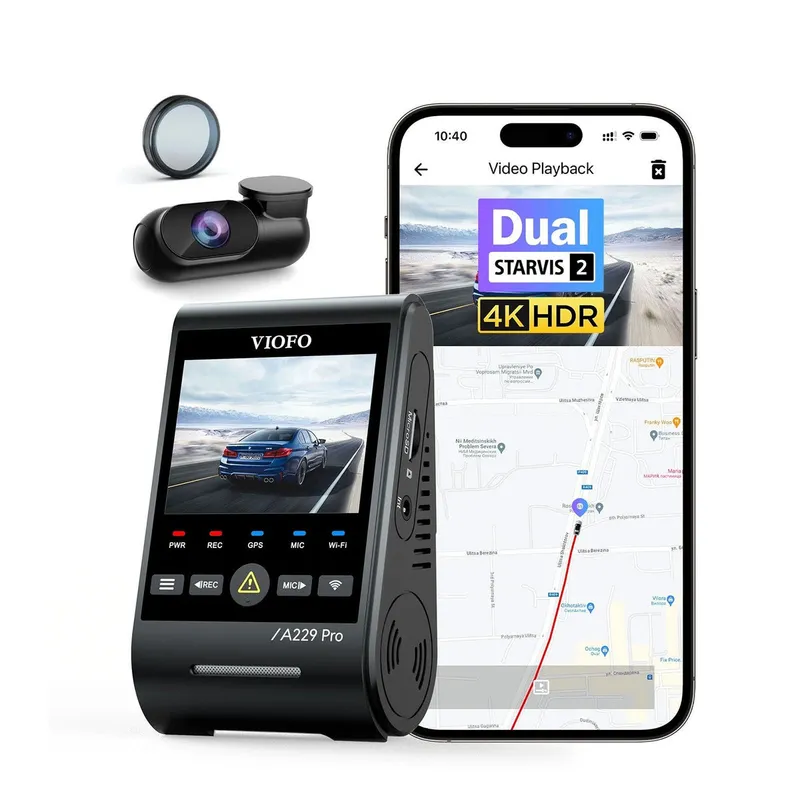
 Official manufacturer image
Our picks
Top picks
Official manufacturer image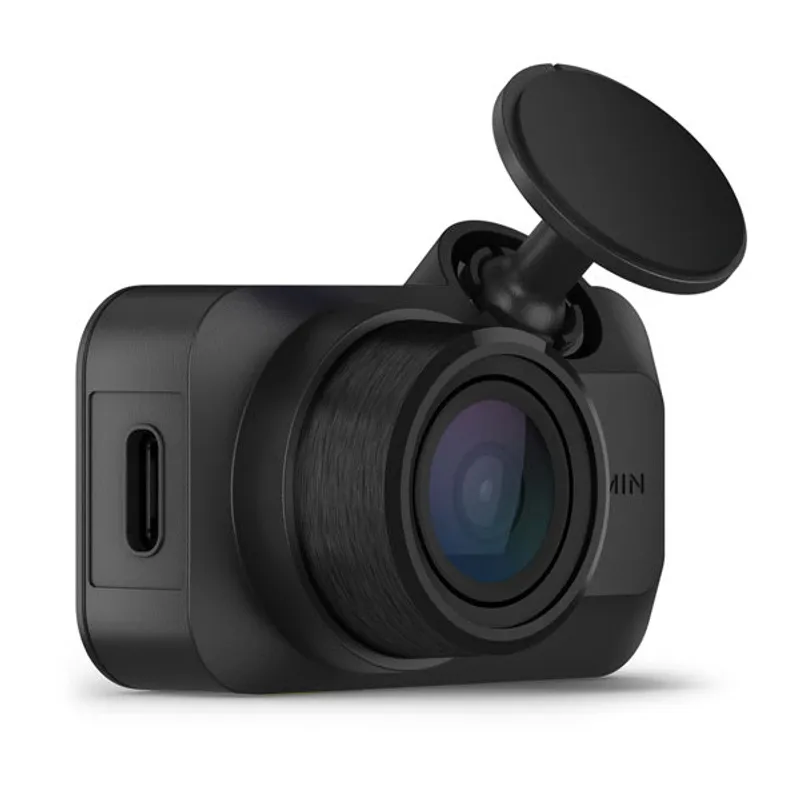 Official manufacturer image
Garmin Dash Cam Mini 3
Check price on Amazon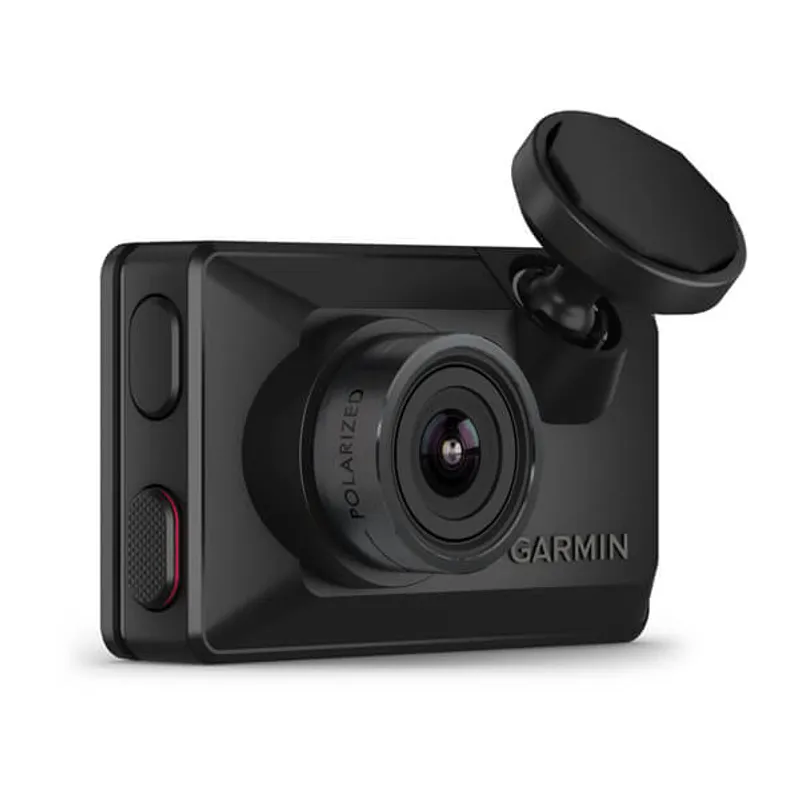 Official manufacturer image
Garmin Dash Cam X310
Check price on AmazonBy feature
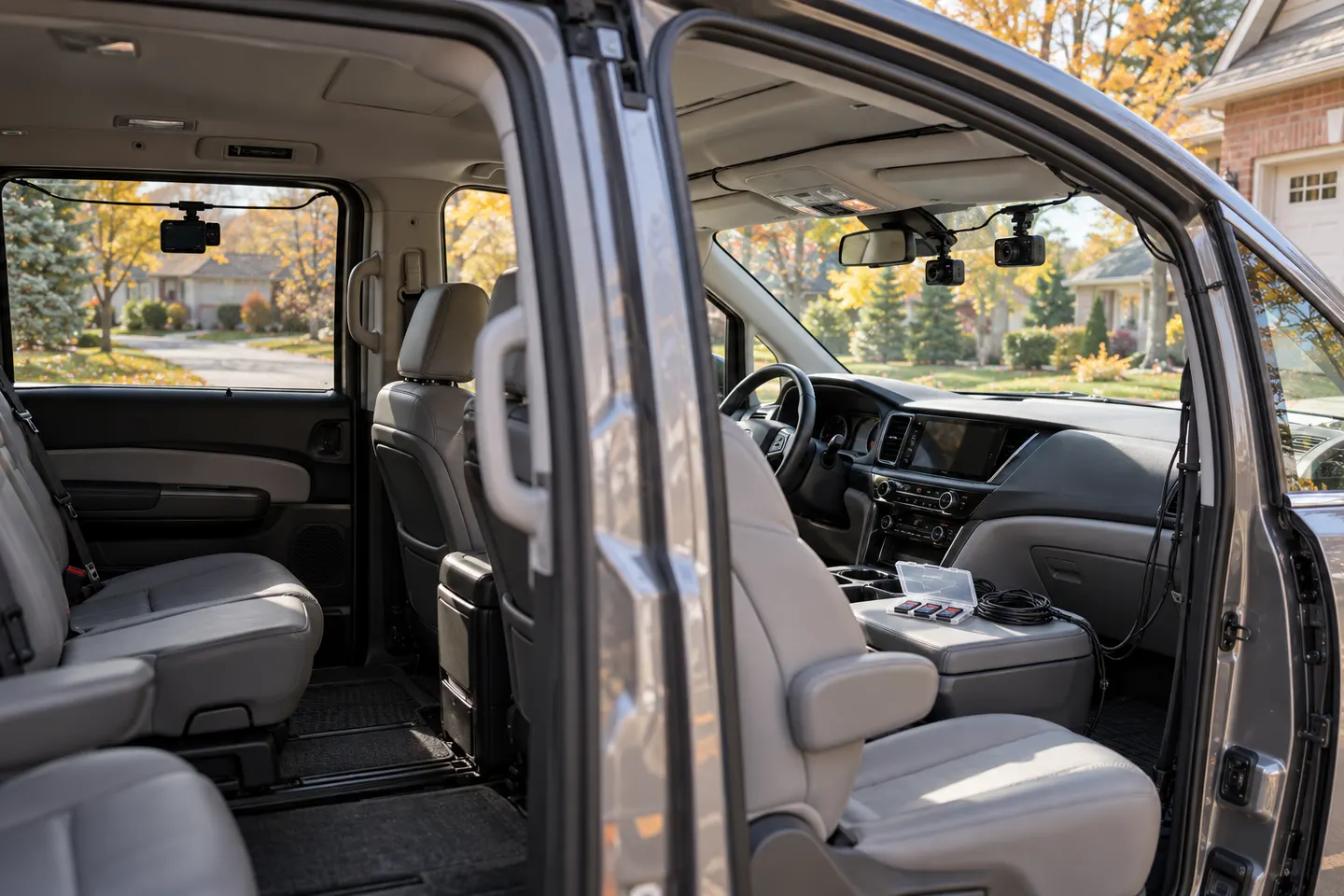 Multi channel
Common questions
Questions before you buy
What is a multi-camera dashcam?
It is one coordinated system that records multiple views, normally to a shared main unit or storage card. Common configurations include front-rear and front-cabin-rear.
Is a three-channel dashcam worth it for rideshare driving?
It can be useful when you need road, rear, and cabin context. Check local recording and consent rules before recording passengers or audio.
Do more dashcam cameras reduce video quality?
They can. Some systems allocate processing bandwidth differently when every channel is enabled, so compare simultaneous-recording specifications rather than a single-camera maximum.
How much storage does a multi-channel dashcam use?
More channels generally fill a card faster. Use a compatible endurance card and estimate retention from the manufacturer's bitrate and active-channel settings.