









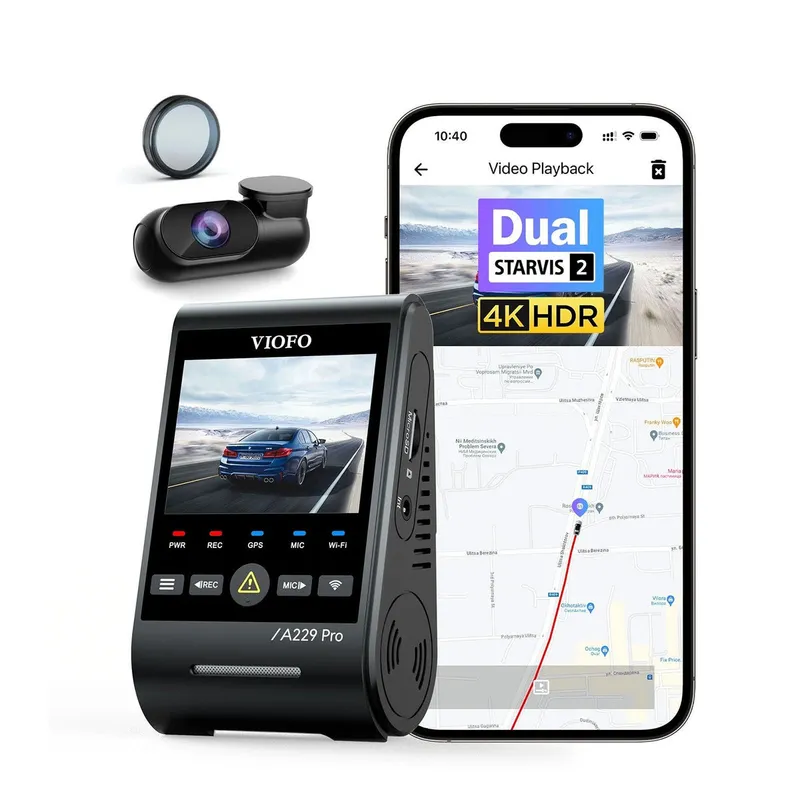
 Official manufacturer image
Our picks
Top picks
Official manufacturer image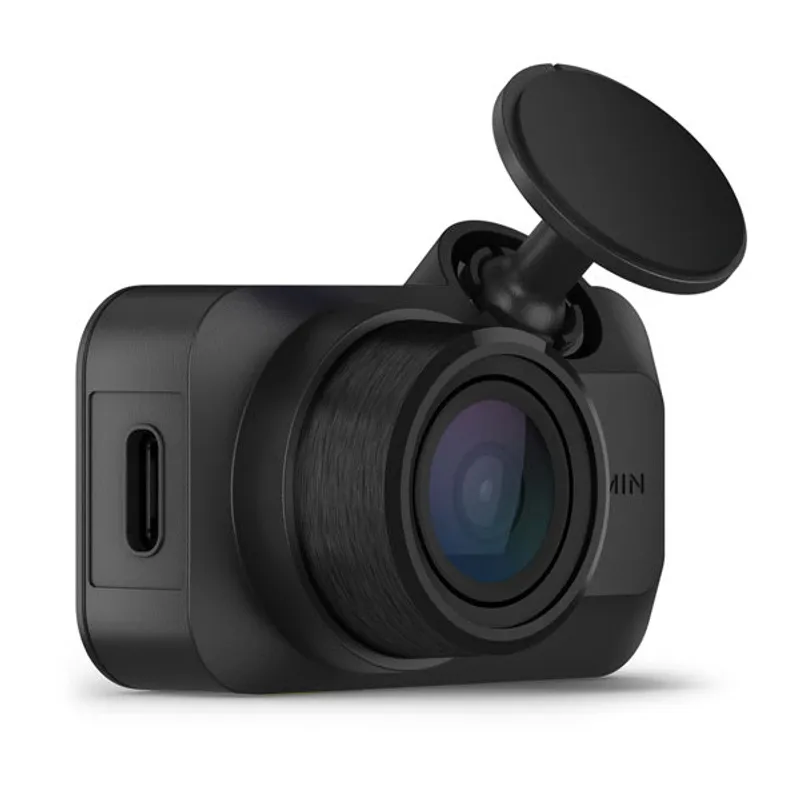 Official manufacturer image
Garmin Dash Cam Mini 3
Check price on Amazon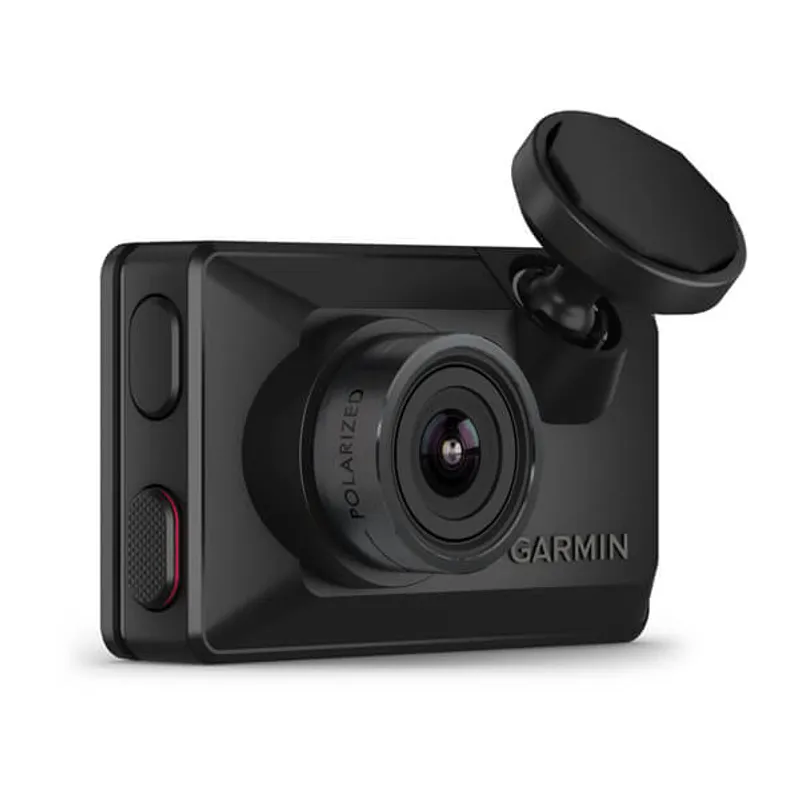 Official manufacturer image
Garmin Dash Cam X310
Check price on AmazonCommon questions
Questions before you buy
What types of car camera rigs are available?
Common layouts are front-only, front and rear, front and cabin, three-channel road-cabin-rear, and temporary multi-camera filming setups.
How many cameras should a vehicle rig use?
Use one for basic road evidence, two for front and rear coverage, or three when the cabin matters. Additional views are useful only if you can mount, power, and manage them reliably.
Can multiple dashcams interfere with each other?
They can compete for power, phone Wi-Fi, windshield space, and GPS reception. A matched multi-channel system is usually easier to synchronize than unrelated standalone cameras.
What storage is best for multi-camera rigs?
Use media approved by the camera maker and sized for the combined bitrate. High-endurance microSD cards are generally a better fit for repeated loop recording than ordinary cards.
How should a multi-camera rig be tested?
Check every view in daylight and darkness, verify timestamps, trigger an event file, inspect cable movement, and confirm the vehicle battery cutoff before relying on parking mode.