









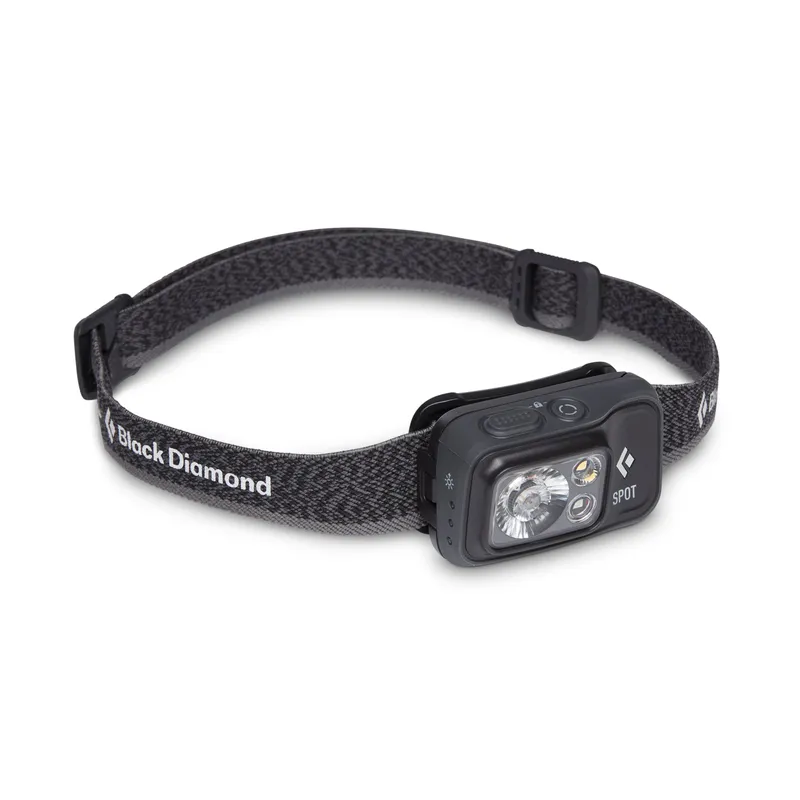
 Official manufacturer image
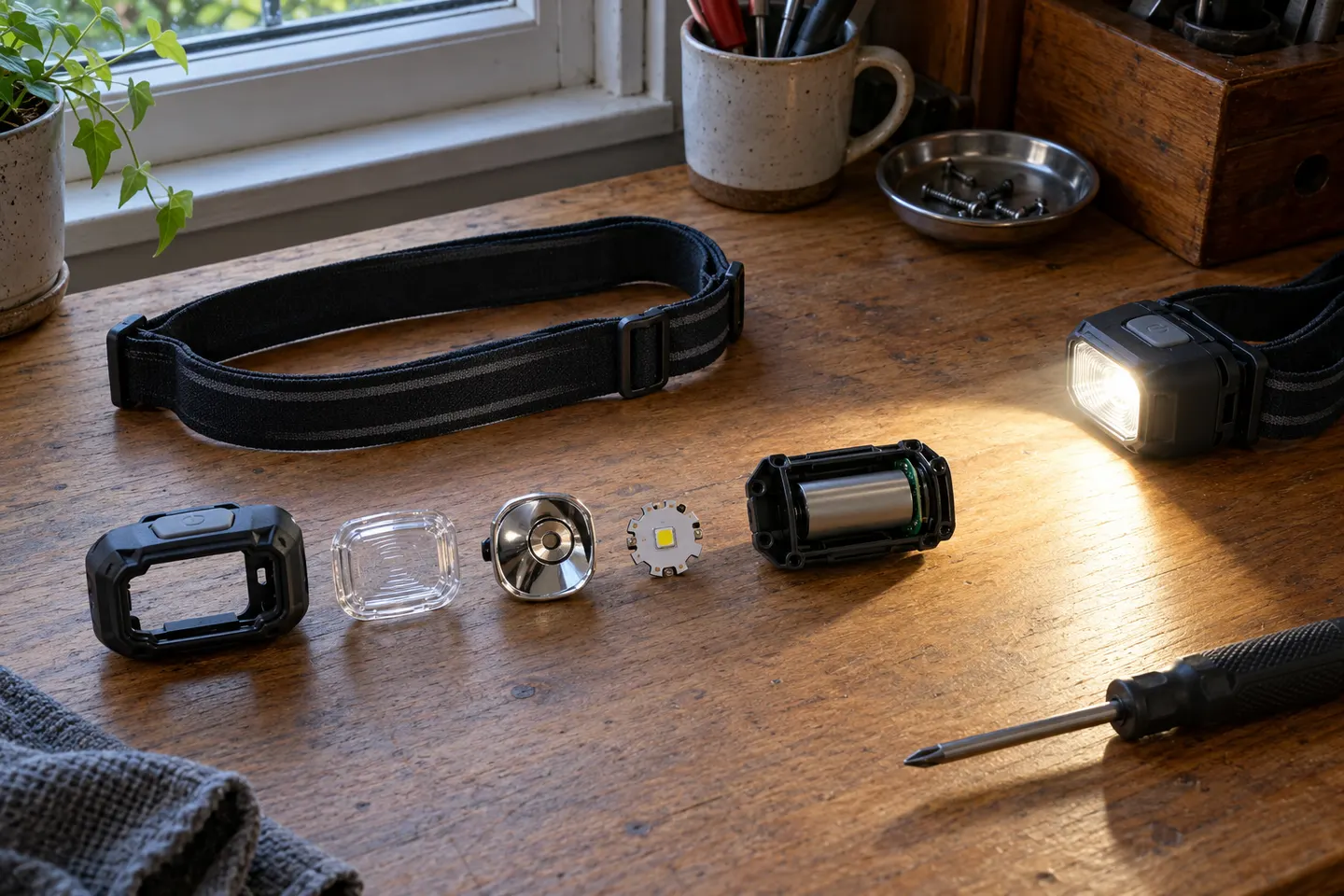
Our picks
Top picks
Official manufacturer image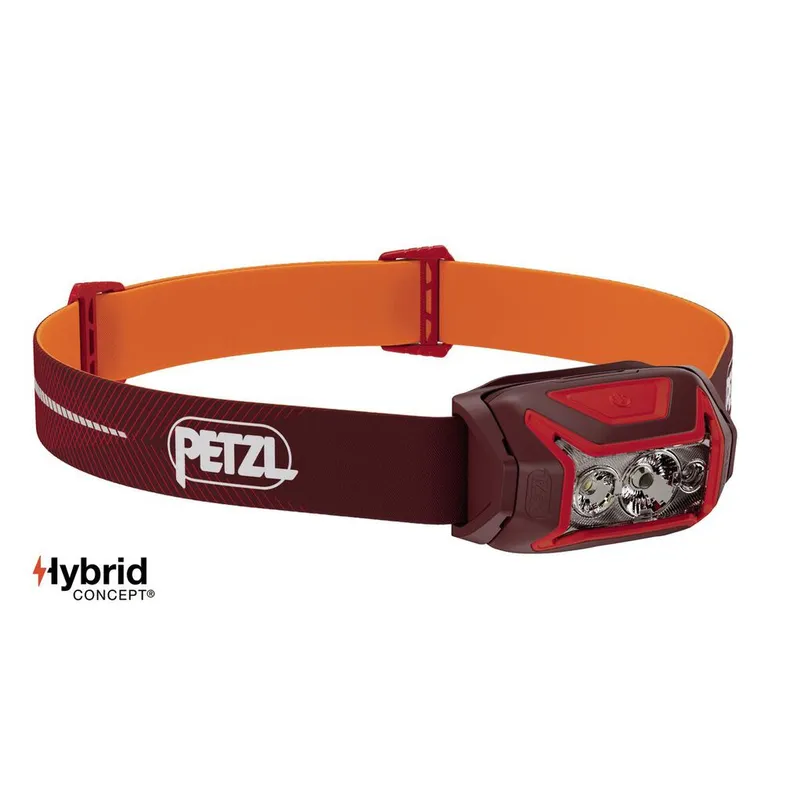 Official manufacturer image
Petzl ACTIK CORE
Check price on Amazon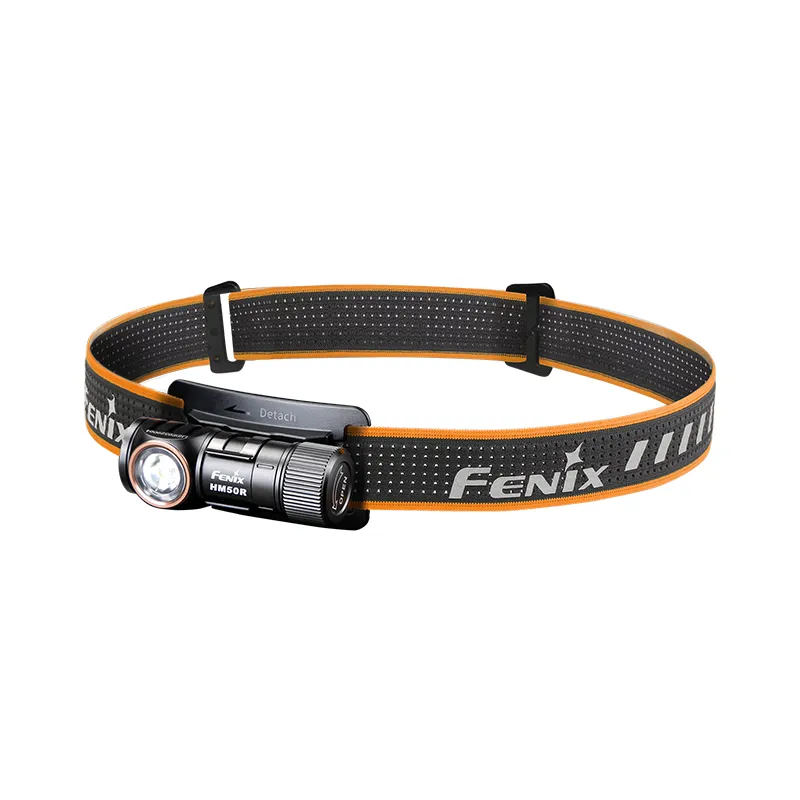 Official manufacturer image
Fenix HM50R V2.0
Check price on AmazonMore topics
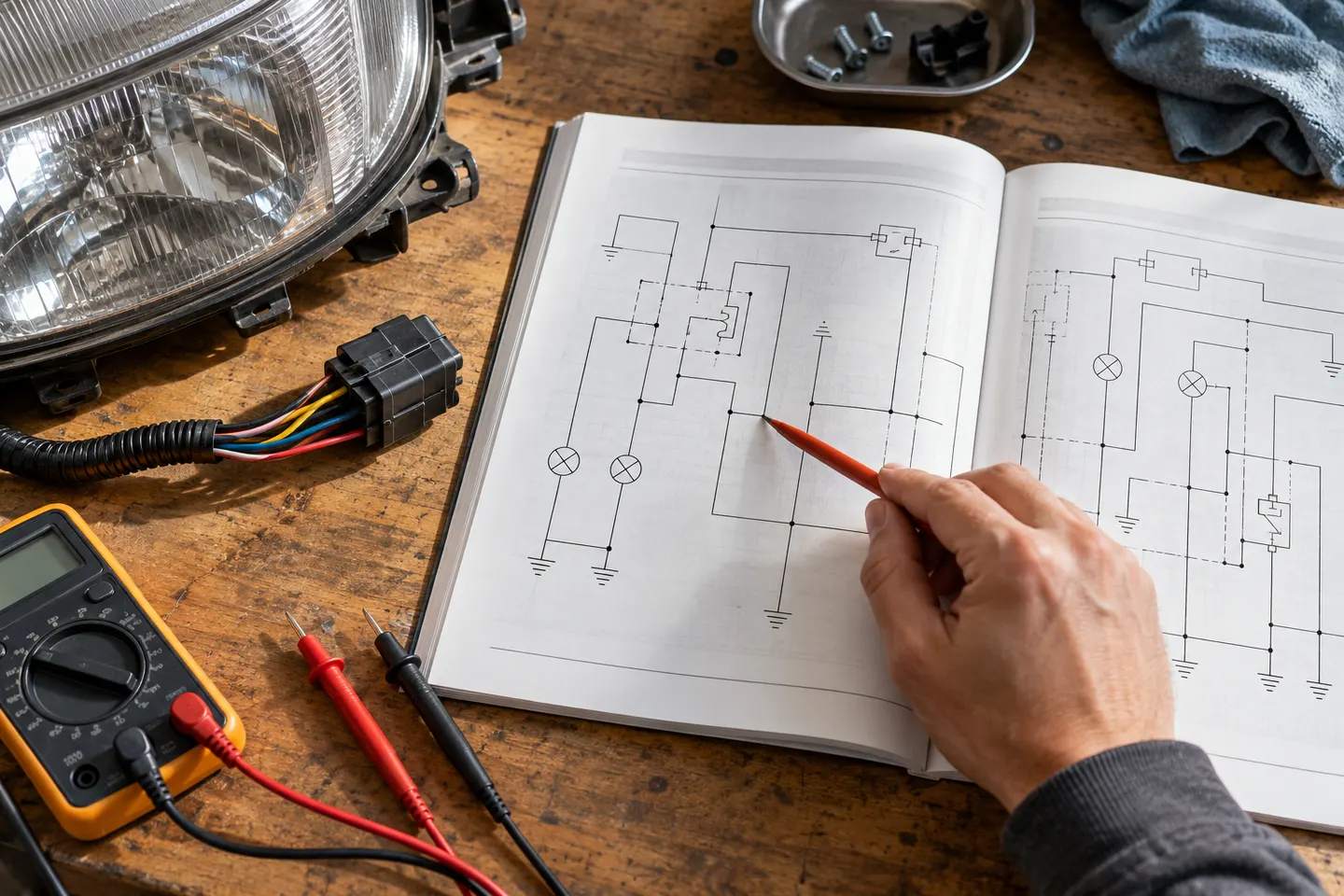 How to Read a Headlamp Wiring Diagram for Your…
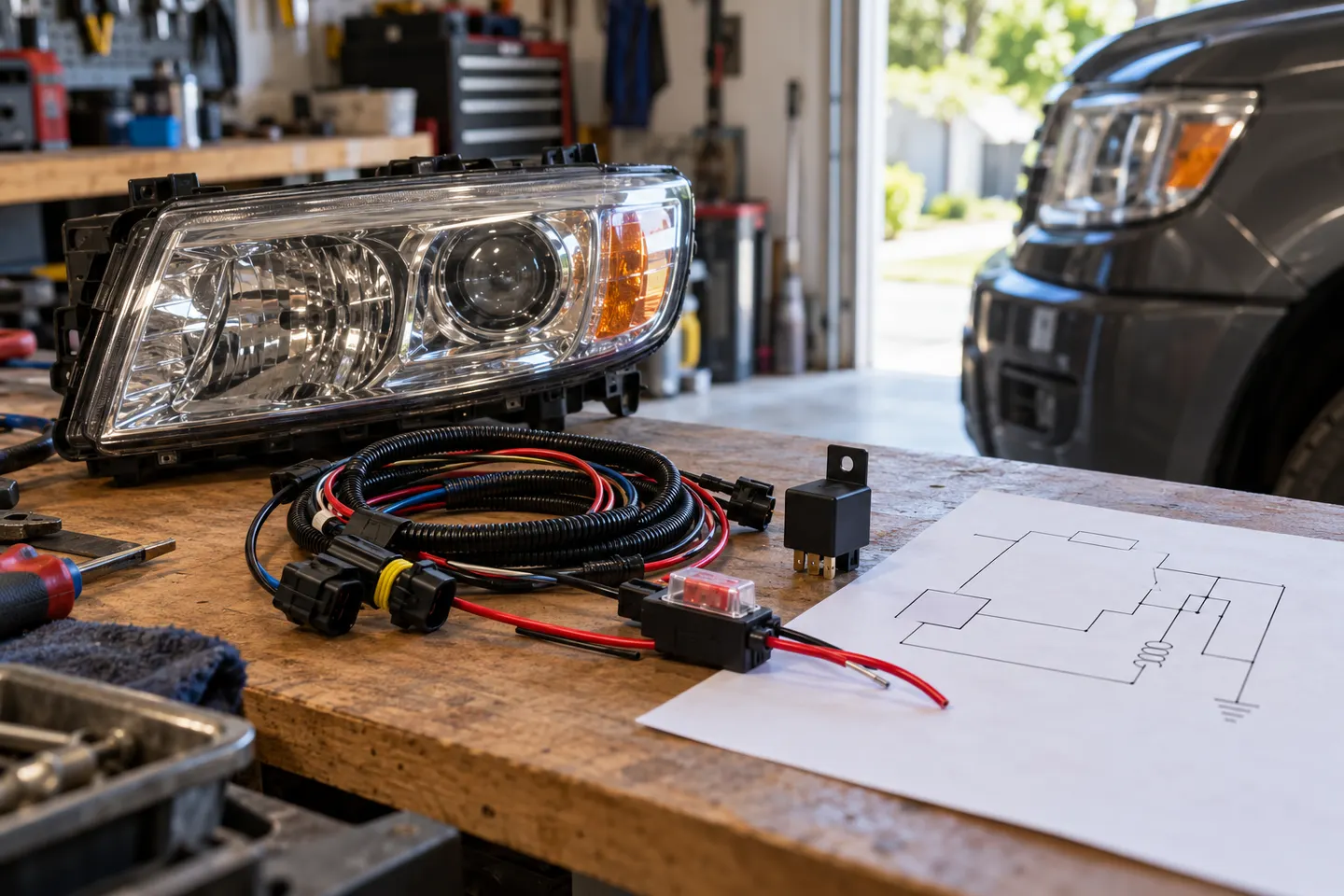 Headlamp relay wiring diagram
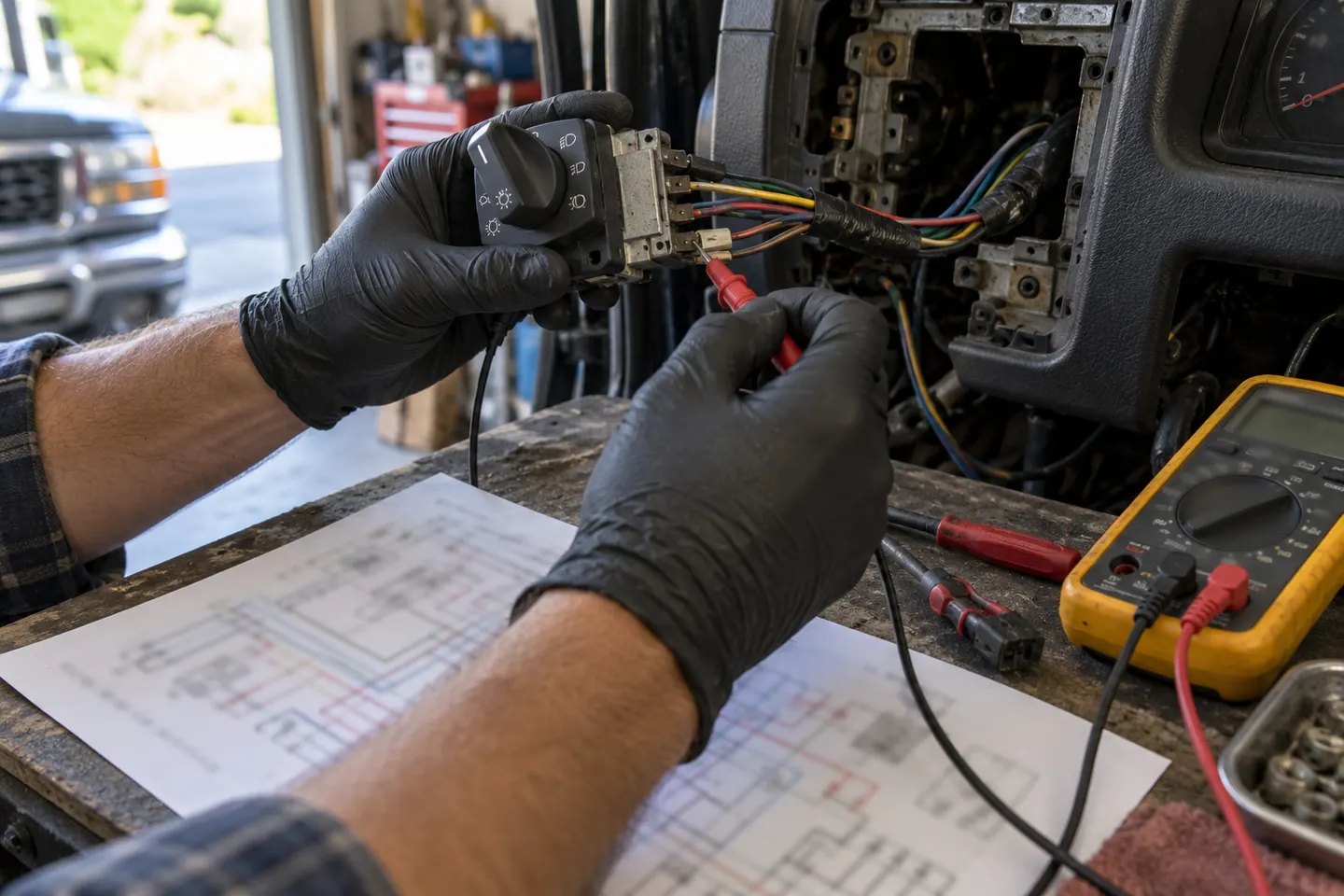 Headlamp Switch Wiring Diagrams
Common questions
Questions before you buy
What are the main parts of a headlamp?
Most designs have a light housing, LEDs, controls, a power source and an adjustable headband. Some use a top strap or separate battery compartment.
What does the red light on a headlamp do?
A red LED provides close-range illumination while helping preserve dark adaptation for many users. Its usefulness depends on the task and available settings.
What is the difference between a flood and spot beam?
A flood beam spreads light across a nearby area, while a spot beam concentrates it farther ahead. Many headlamps offer both patterns or a blended setting.
Where is the battery in a headlamp?
It is usually inside or behind the front housing. Some designs place it in a separate rear compartment connected by a cable.