Independent buying guidance · US editionHow we work
Gearjury
All categories
All categories
Best picksGood Meat Thermometers for Every Kind of Cook
Best picksBest WiFi Extenders: Which Range Extender Should You Buy?
Best picksBest Dash Cams for Cars in 2026
Best picksBest Radar Detectors for Cars: Models Compared
Best picksGood Winter Gloves for Cold Weather: Five Useful Picks
Best picksBest Headlamps: Six Lights Compared for Different Uses
Best picksTop 10 Best Battery-Powered Weed Eaters for Different Yards
Best picksBest Portable Air Coolers for Patios, Workshops and Small Spaces (2026)
Best picksBest Air Purifier for Bedroom in the US: Quiet Models Compared
United StatesEnglish

Gearjury may earn a commission when you buy through retailer links. This does not affect our editorial explanations.

Guide

What Is the Difference Between a WiFi Extender and a Booster?

In most home networking listings, “WiFi booster” and “WiFi extender” describe similar devices that relay an existing wireless connection to improve coverage. Check the operating mode and setup details, because “booster” is not a precise technical category.

What Is the Difference Between a WiFi Extender and a Booster?
01

What is the difference between a WiFi extender and a WiFi booster?

Usually, there is no consistent technical distinction in consumer product names: “booster” is often used as a broad marketing label, while “range extender” describes a device that connects to an existing WiFi network and relays coverage. Read the product's stated mode and compatibility instead of relying on the label alone.
02

How a WiFi range extender relays a signal

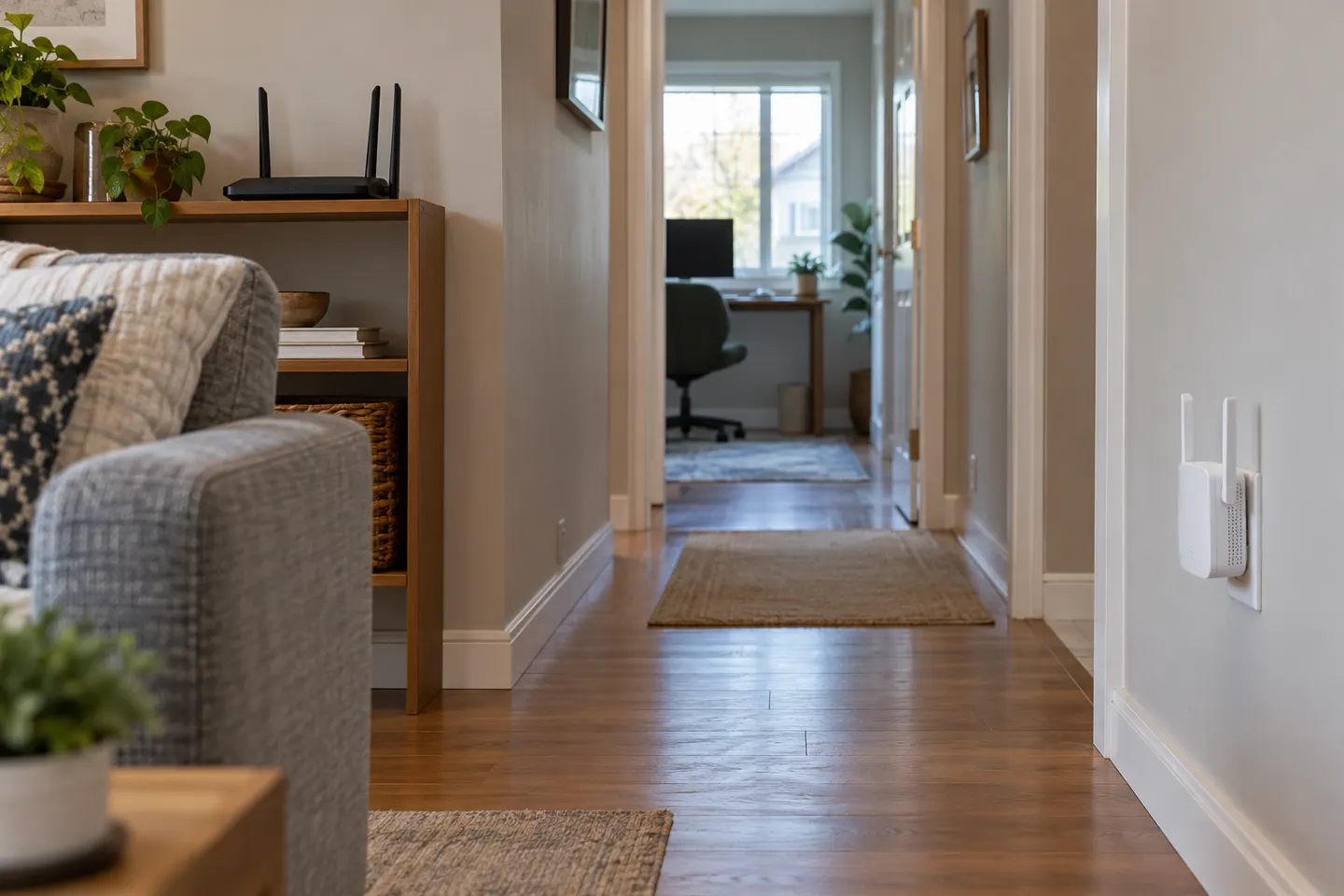
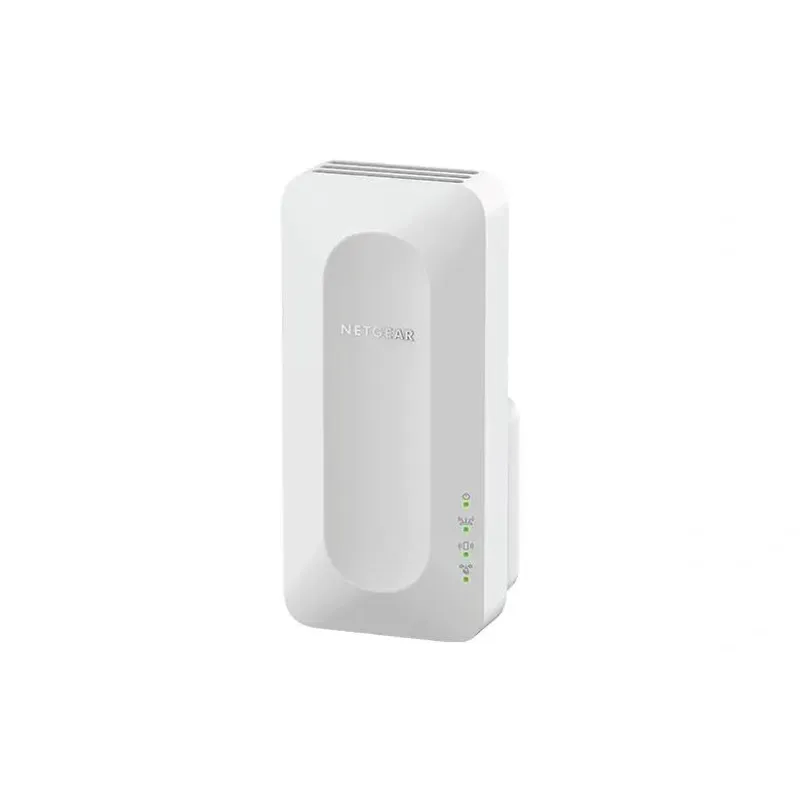
A wireless extender receives your router's signal and retransmits it toward a weaker-coverage area. Its own connection to the router still matters; placing it where the original signal is already poor can leave the extended connection unreliable. Follow the manufacturer's placement and setup guidance.

03

Does a booster increase internet speed?

An extender is intended to improve reach, not raise the speed supplied by your internet plan. Actual throughput depends on the router link, placement, radio bands, interference, and the device's design; a relayed connection may be slower than a nearby direct connection.

04

Extender, repeater, or mesh system?

Retailers may use “repeater” and “booster” loosely for extenders. Mesh systems are a different product approach, typically built from a main unit and one or more coordinated nodes. Compare how each system connects its nodes and how devices roam before choosing.

05

When an access point may be a better fit

If you can run Ethernet to the low-coverage area, an access point can provide WiFi there using a wired connection to the router. That avoids relying on a weak wireless backhaul, but requires a suitable cable route and compatible equipment.

06

What to check before buying

Confirm compatibility with your router, supported WiFi standards and bands, setup method, Ethernet features if needed, and the manufacturer's coverage guidance. Choose based on the dead zone and the connection available at the intended placement point, rather than a headline speed figure alone.

Common questions

Questions before you buy

What is the difference between WiFi extender and WiFi booster?

The names are often used for the same kind of consumer device: hardware that relays an existing WiFi connection to extend coverage. “Booster” is less specific, so check the listed operating mode and features.

Is a WiFi booster the same as a WiFi repeater?

Often, sellers use both terms for a device that receives and retransmits WiFi. Product terminology varies, so verify whether a particular unit works as a repeater, access point, or another mode.

Will a WiFi extender make my internet faster?

It can improve access in an area with weak coverage, but it does not increase the speed provided by your internet plan. The relayed connection can have lower throughput than connecting directly near the router.

Where should I put a WiFi extender?

Place it between the router and the area with weak coverage, where it can still receive a usable router signal. Use the manufacturer's signal indicator or placement instructions to refine the position.

Should I get a WiFi extender or a mesh system?

An extender can be a straightforward option for one coverage gap. Mesh is designed to coordinate multiple nodes across a larger area; compare the home's layout, backhaul options, and roaming needs.

Sources and how we chose