Gearjury may earn a commission when you buy through retailer links. This does not affect our editorial choices.
Best picks
Best Warm Hunting Gloves for Cold-Weather Hunts in 2026
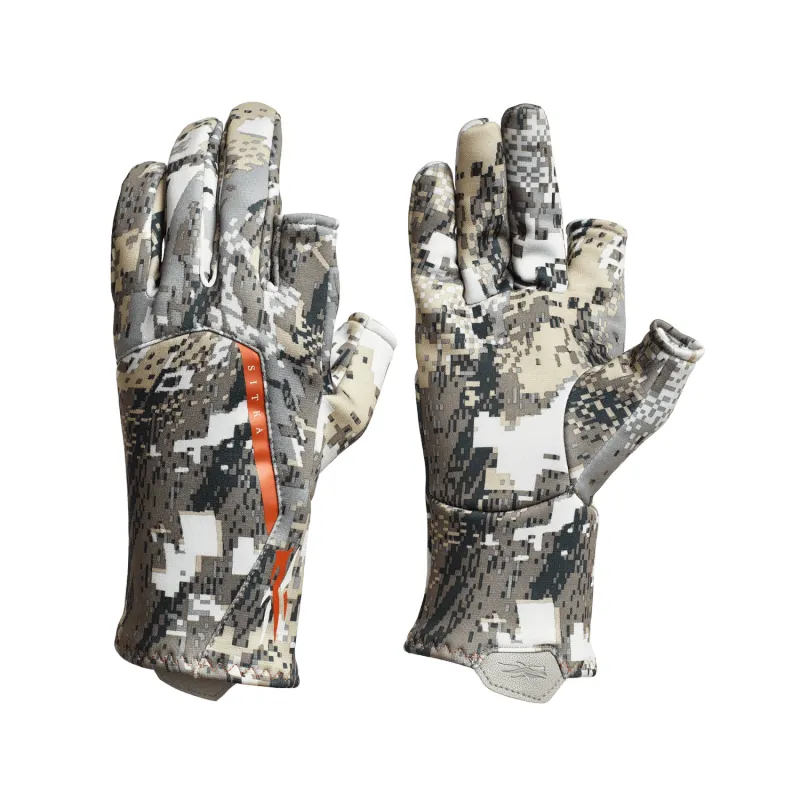
For a cold, stationary stand, SITKA Gear Incinerator Flip Mitt combines windproof insulation with a fold-back design for quick tasks. The Blizzard PRO GTX Glove is better suited to wet waterfowl conditions, while the Jetstream WS Glove favors dexterity on breezy hunts.
GGearjury editorial team · Updated October 22, 2026· 7 min
Quick answer
SITKA Gear Incinerator Flip Mitt is our top choice for a cold sit: its windproof shell and insulation keep fingers together, while the flap opens for moments needing fingertip access. For wet weather and heavy insulation, consider the Blizzard PRO GTX Glove; for more tactile control in wind, the Jetstream WS Glove is less bulky. Choose according to the hunt, because no one glove balances maximum warmth, waterproofing and trigger-level dexterity equally.
What makes hunting gloves warm without losing trigger control?
A flip mitt or muff system can cover fingers between tasks and expose them briefly when control is needed. For frequent handling, a thinner wind-blocking glove offers more continuous dexterity but less insulation.
Are mittens suitable for bowhunting?
They can retain warmth during a stand, but a full mitt can obstruct a release or other fine movement. Consider a flip-back design or a compatible hand muff, and practice handling your equipment safely before the hunt.
Should hunting gloves be waterproof?
Choose a waterproof membrane for wet snow, rain or repeated contact with water. In dry, windy conditions, a windproof glove may be more breathable and less bulky; match the barrier to the forecast and activity.
How do I keep hands warm during a long, still hunt?
Start with dry, warm layers and keep your hands covered between tasks. A mitten, hand muff or insulated system can help during static periods; avoid sweating into your liners, and replace damp layers when possible.
Can lightweight shooter gloves work in late-season cold?
They can work for short tasks or with a muff and warmer outer layer, but a lightweight glove alone may not provide enough insulation during a long sit. Plan a way to re-cover your hands immediately after handling equipment.
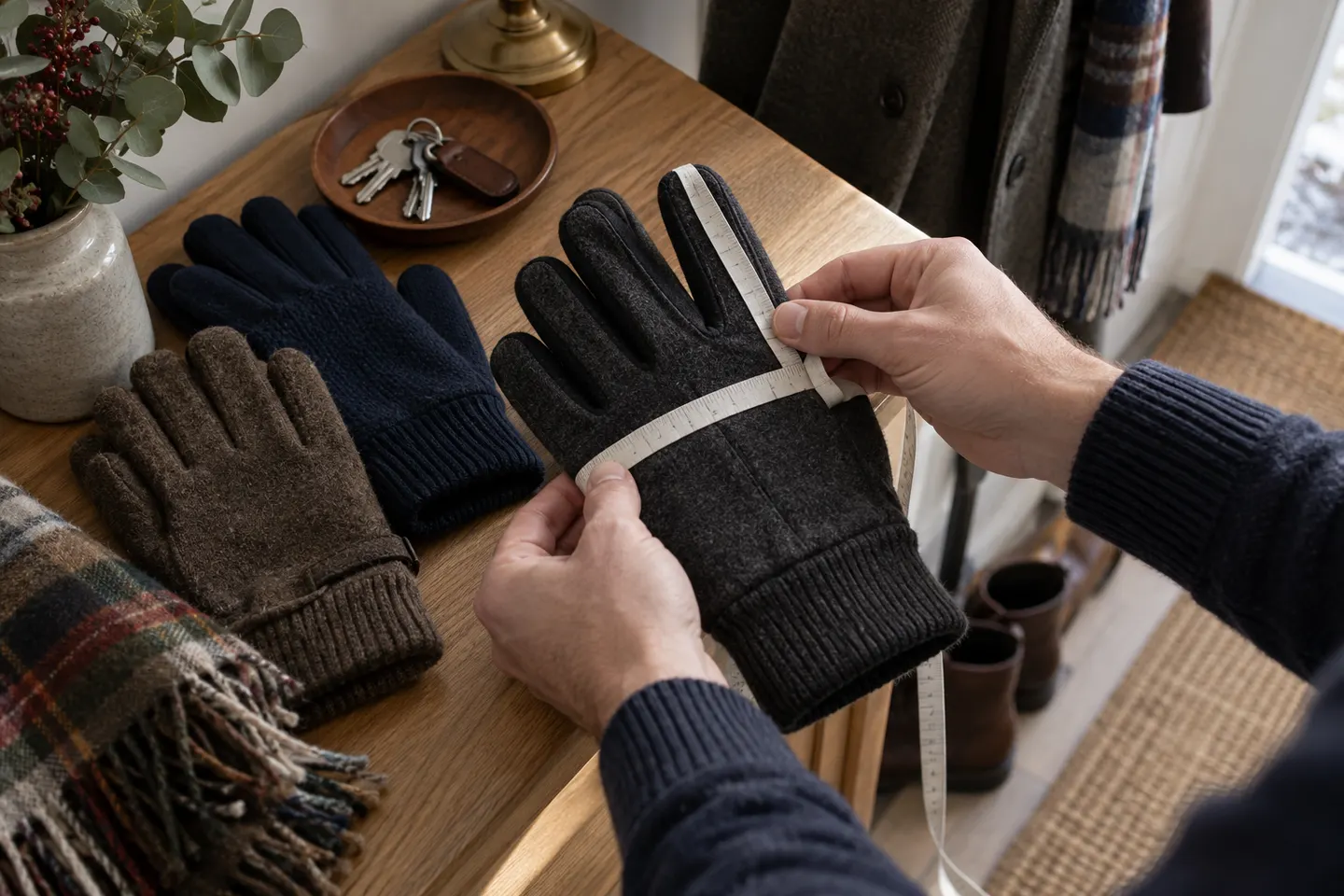
Begin with fit and intended use, then choose insulation and weather protection for your routine. A close but comfortable fit helps preserve warmth without restricting movement.
Match insulation and shell construction to the job: daily wear needs flexibility, while wet snow and outdoor work call for more coverage and durable materials.
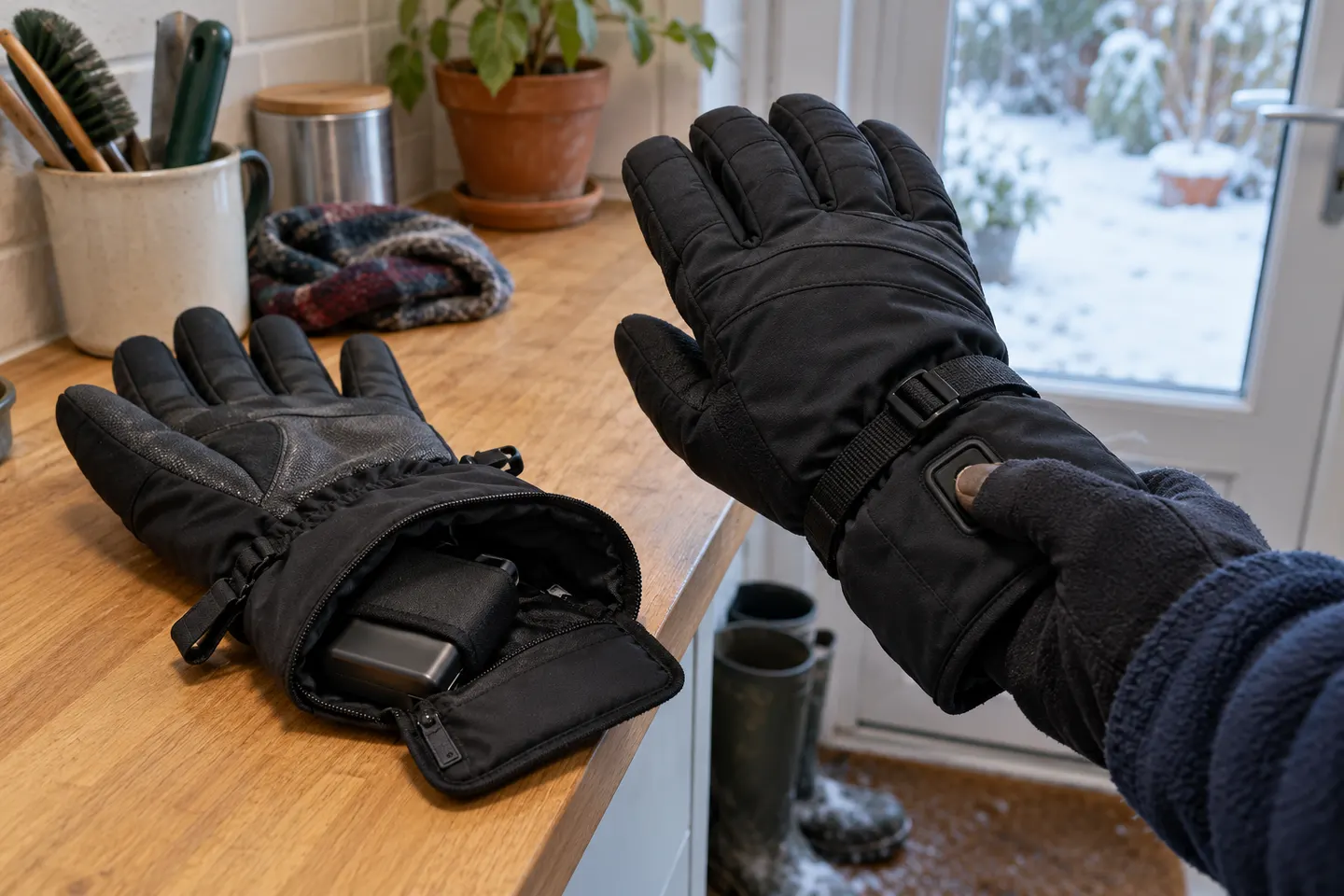
Powered warmth adds charging and care considerations to the usual questions of fit, insulation, and weather protection. Compare those trade-offs before choosing a style.
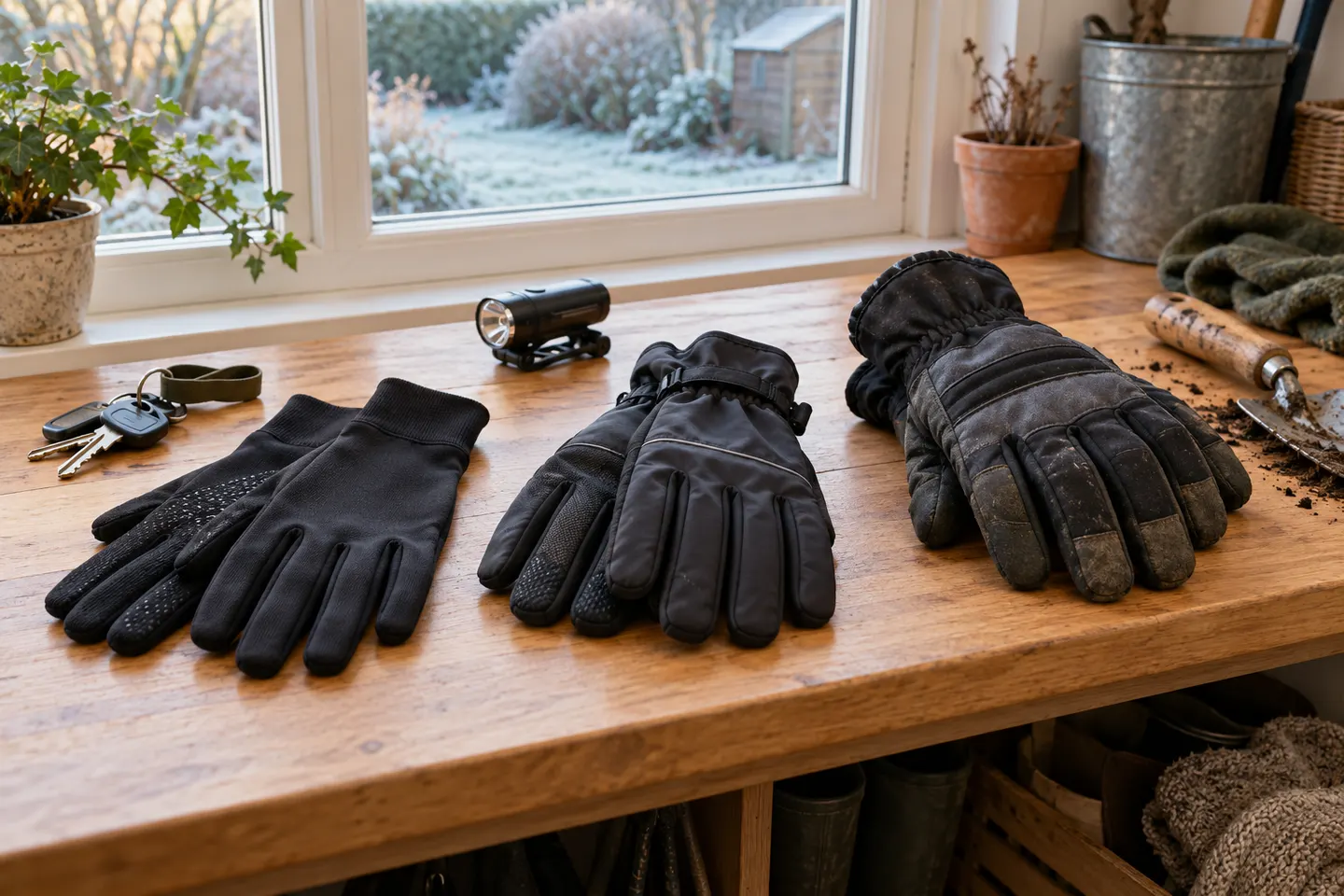
Start with the conditions you face: everyday cold, wet weather, hands-on work, or snow sports. The right insulation and shell matter more than a generic warmth label.
Your privacy
We use cookies and similar technologies. Necessary ones keep the site working. With your permission we also use statistics cookies (Google Analytics and Microsoft Clarity) to understand which guides help readers. You can accept all, reject all or choose. You can change your choice at any time from "Cookie settings" at the bottom of every page. Cookie policy










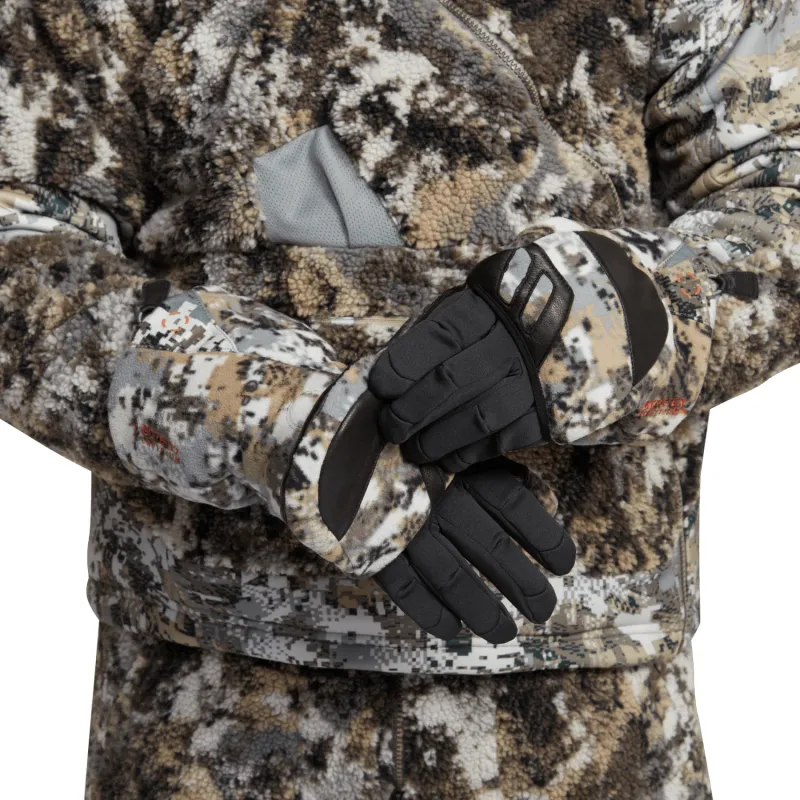 Official manufacturer image
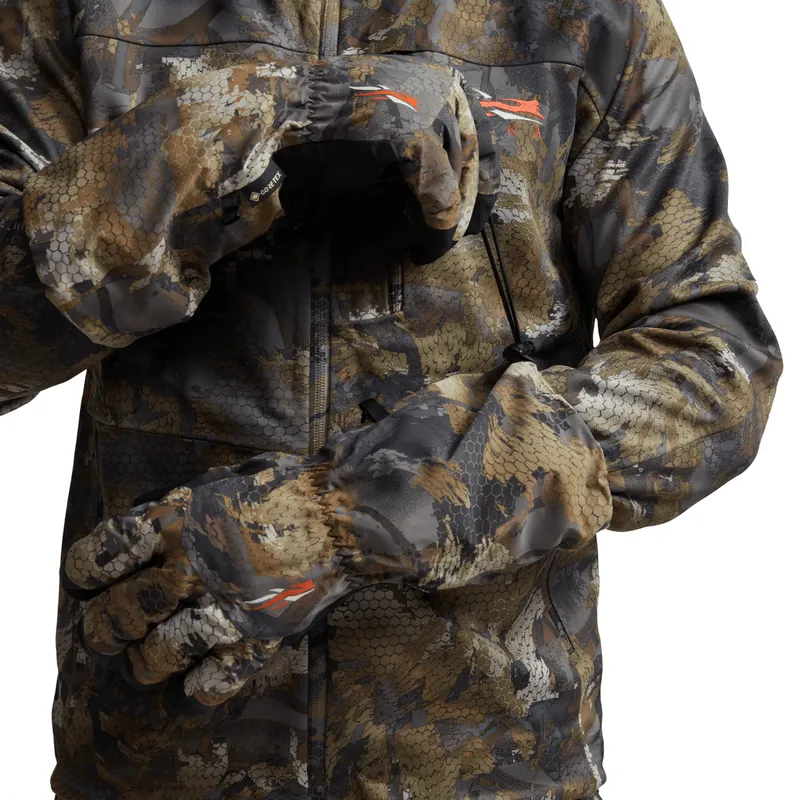 Official manufacturer image
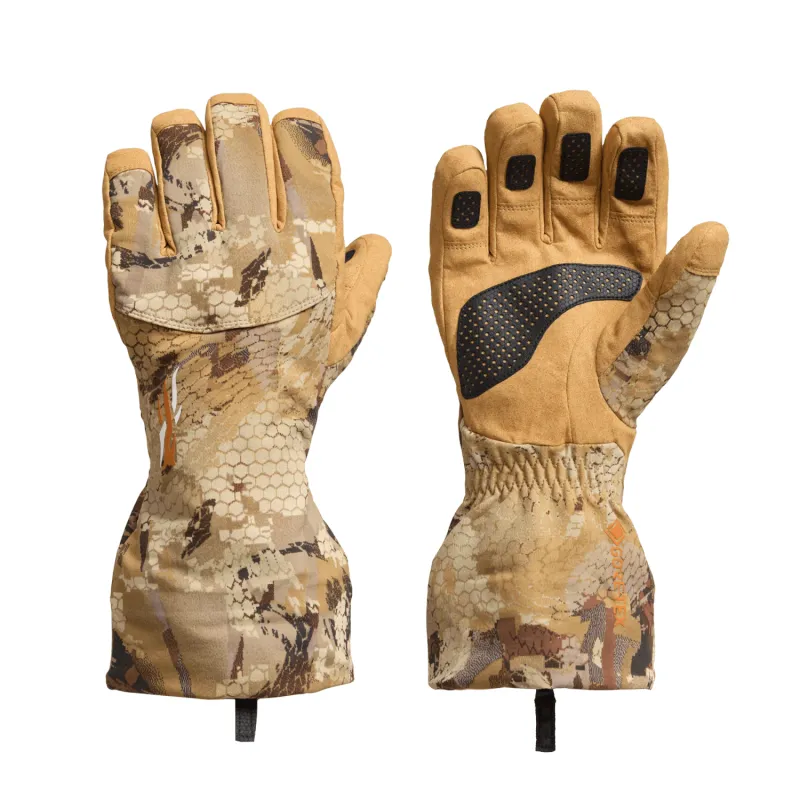 Official manufacturer image
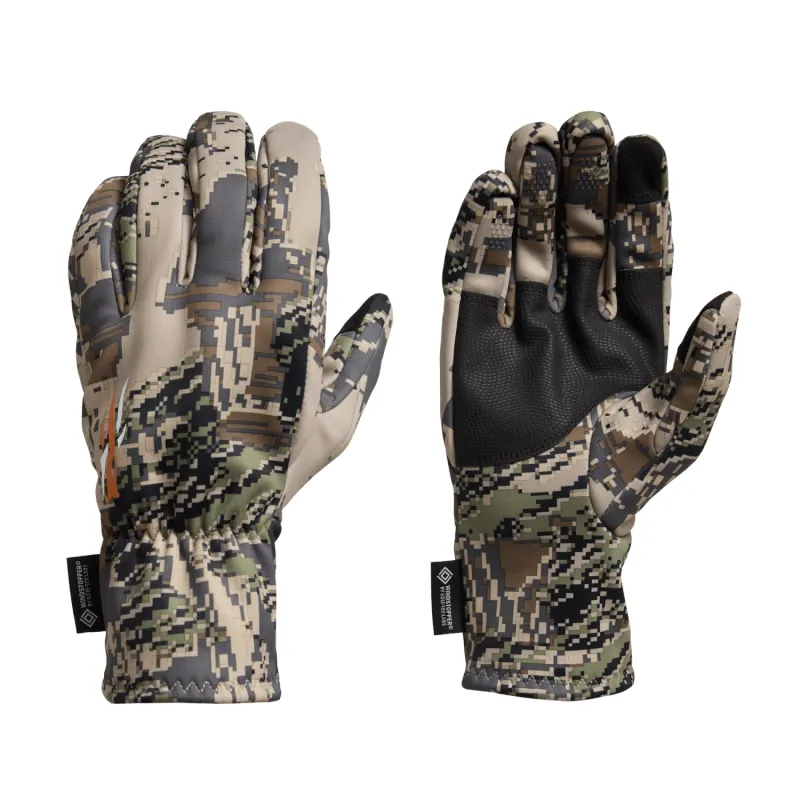 Official manufacturer image
 Official manufacturer image