We may earn a commission when you buy through links on this page.
Best picks
Top Rated Waterproof Winter Gloves for Wet, Cold Days
For serious wet cold, the Sealskinz Rocklands combines its waterproof membrane with insulation and a grippy leather palm. The Kelling is a lighter insulated choice; Harling and Lyng suit users who value dexterity and touchscreen use.
GGearjury editorial team · Updated October 22, 2026· 7 min
Quick answer
Sealskinz Rocklands is the strongest match for cold, wet conditions, with Aquasealz waterproofing, PrimaLoft Gold insulation and Fusion Control. Choose Kelling for a lighter insulated profile, Harling for a simpler waterproof glove with a grippy palm, or Lyng for a merino lining and bonded construction.
A waterproof membrane is designed to block water through the glove body, but water may enter at the cuff or through damage and wear. Match the cuff to your activity and maintain the glove as its maker directs.
What is the difference between waterproof and water-resistant gloves?
Waterproof models use a membrane or construction intended to prevent water ingress; water-resistant finishes mainly shed light exposure and may not hold up in sustained rain. Check the specific product construction rather than relying on the label alone.
Do waterproof gloves keep hands warm?
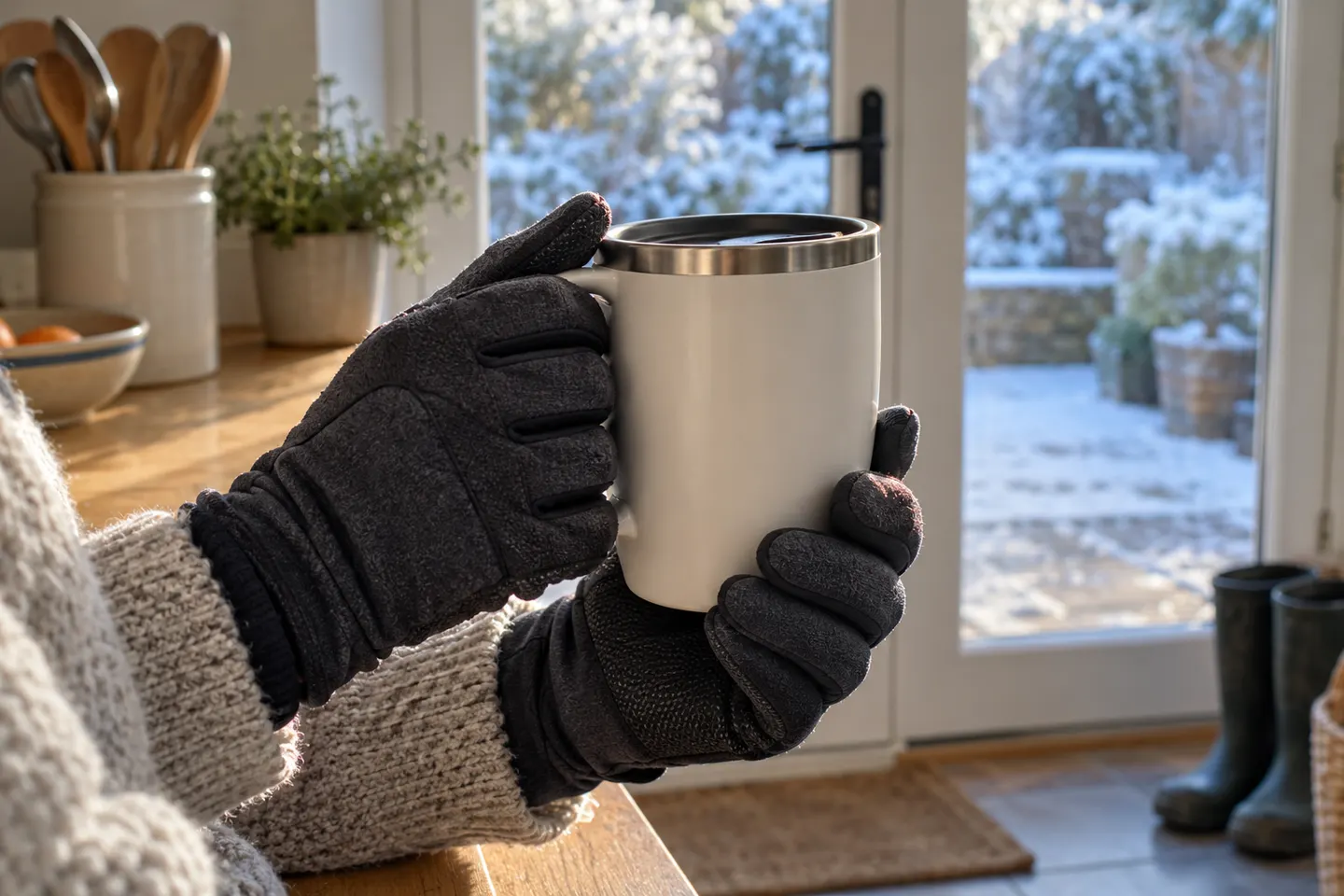
Waterproofing helps keep rain and snow out, while warmth comes from insulation and lining. For cold, wet use, look for both, such as Rocklands with a waterproof membrane and PrimaLoft insulation.
Can I use a waterproof winter glove with a touchscreen?
Some can. Sealskinz lists touchscreen-compatible thumb and forefinger on Harling and touchscreen function on Kelling; check exact model details because this feature is not universal.
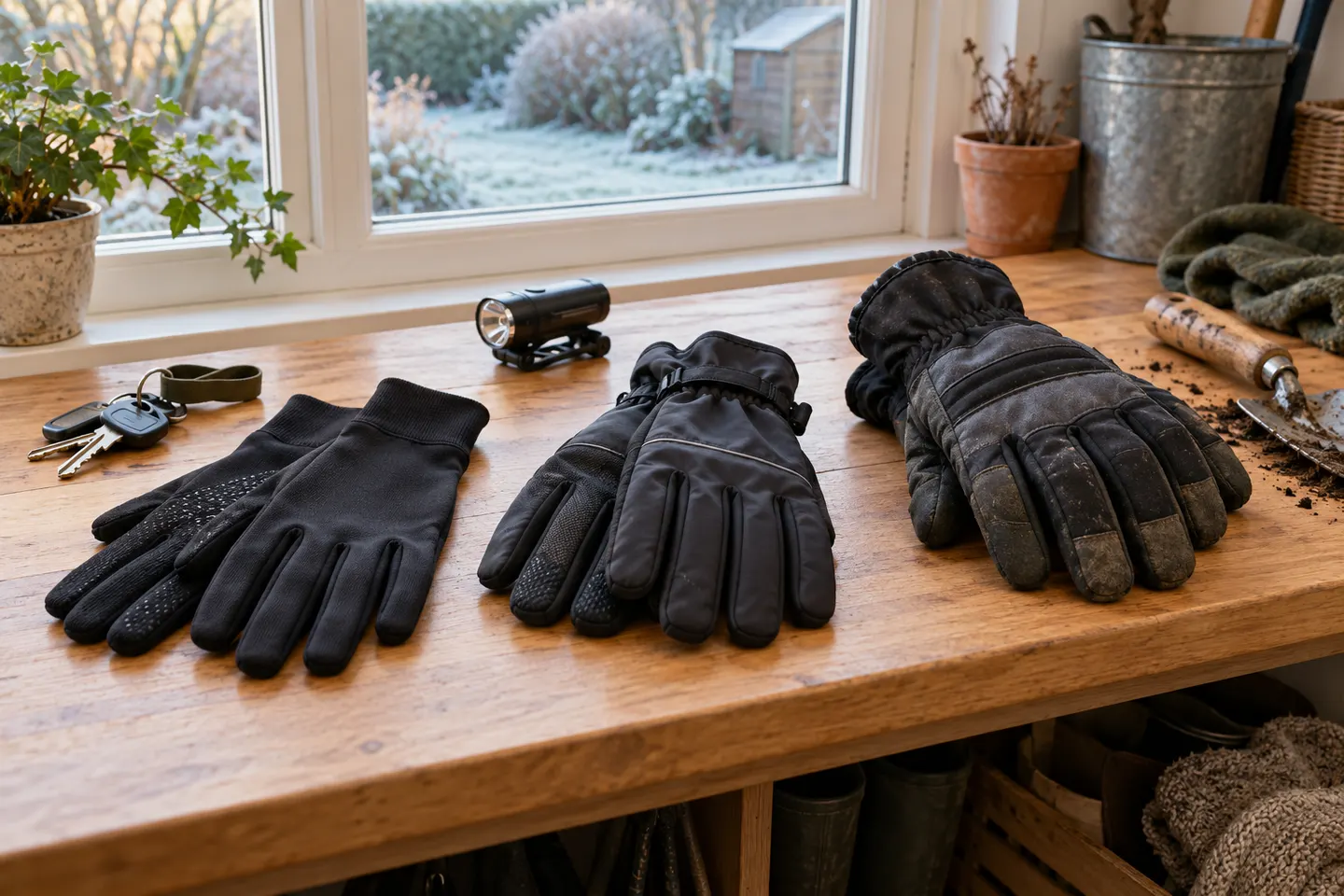
Start with the conditions you face: everyday cold, wet weather, hands-on work, or snow sports. The right insulation and shell matter more than a generic warmth label.
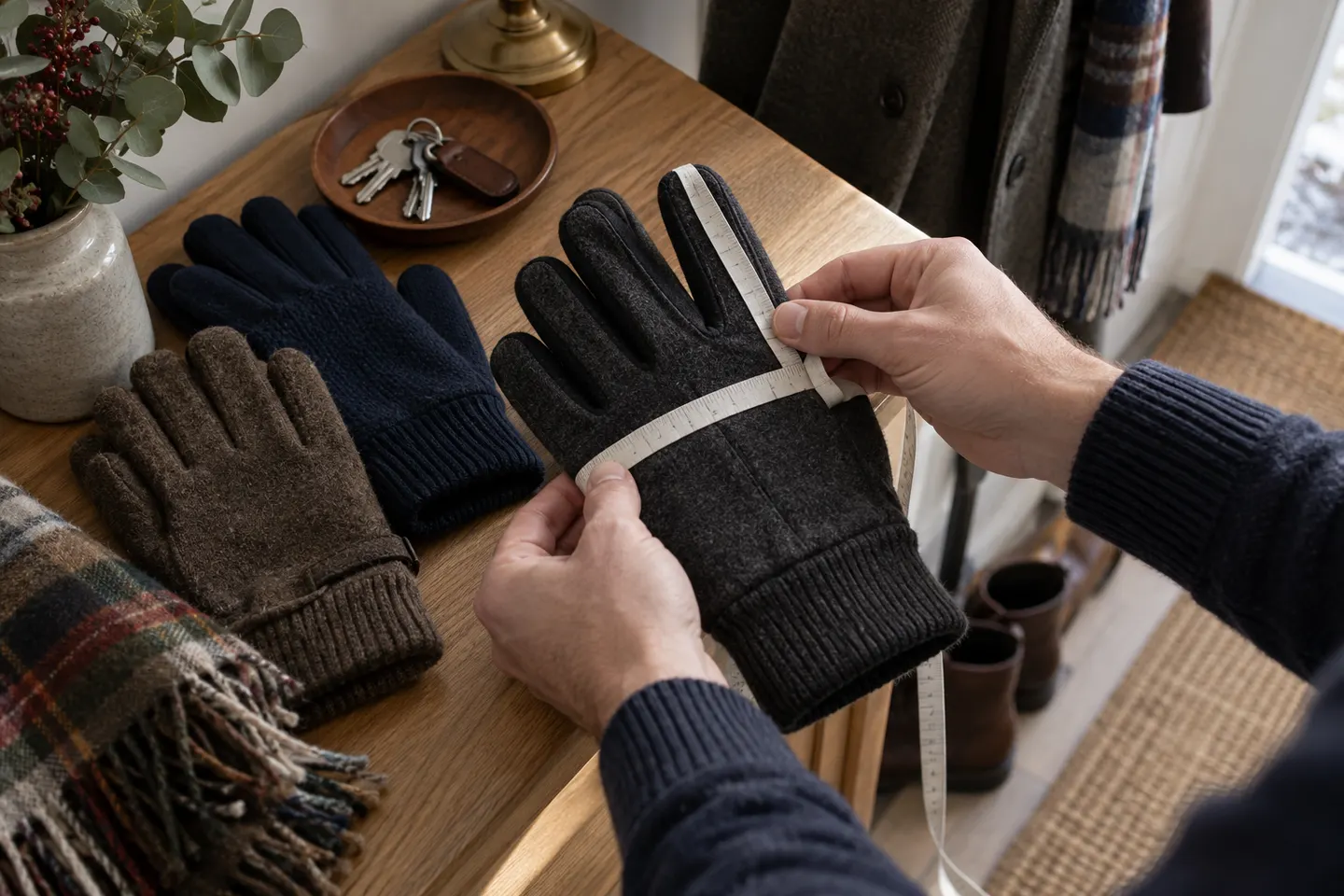
Begin with fit and intended use, then choose insulation and weather protection for your routine. A close but comfortable fit helps preserve warmth without restricting movement.
Match insulation and shell construction to the job: daily wear needs flexibility, while wet snow and outdoor work call for more coverage and durable materials.
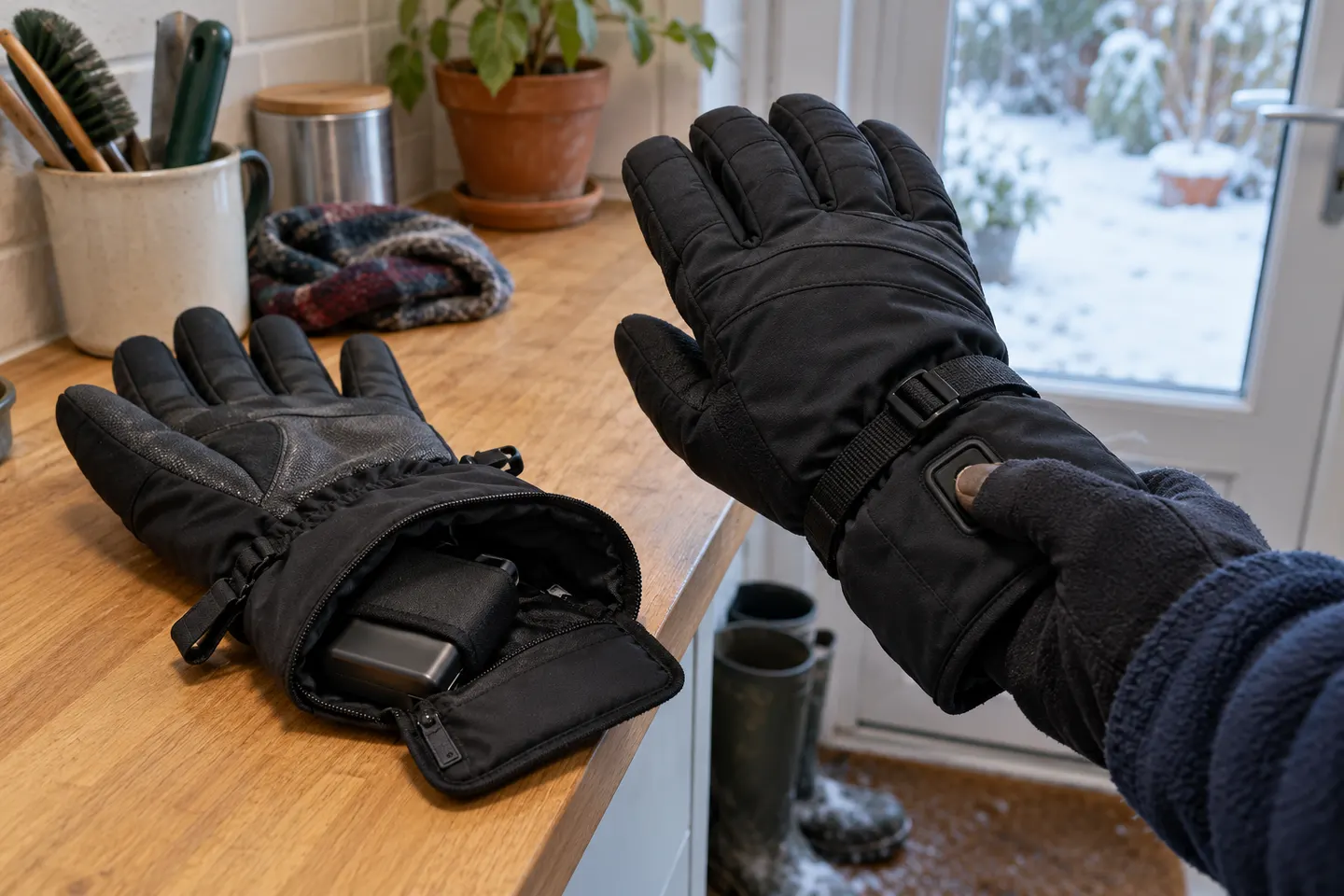
Powered warmth adds charging and care considerations to the usual questions of fit, insulation, and weather protection. Compare those trade-offs before choosing a style.
Your privacy
We use cookies and similar technologies. Necessary ones keep the site working. With your permission we also use statistics cookies (Google Analytics and Microsoft Clarity) to understand which guides help readers. You can accept all, reject all or choose. You can change your choice at any time from "Cookie settings" at the bottom of every page. Cookie policy










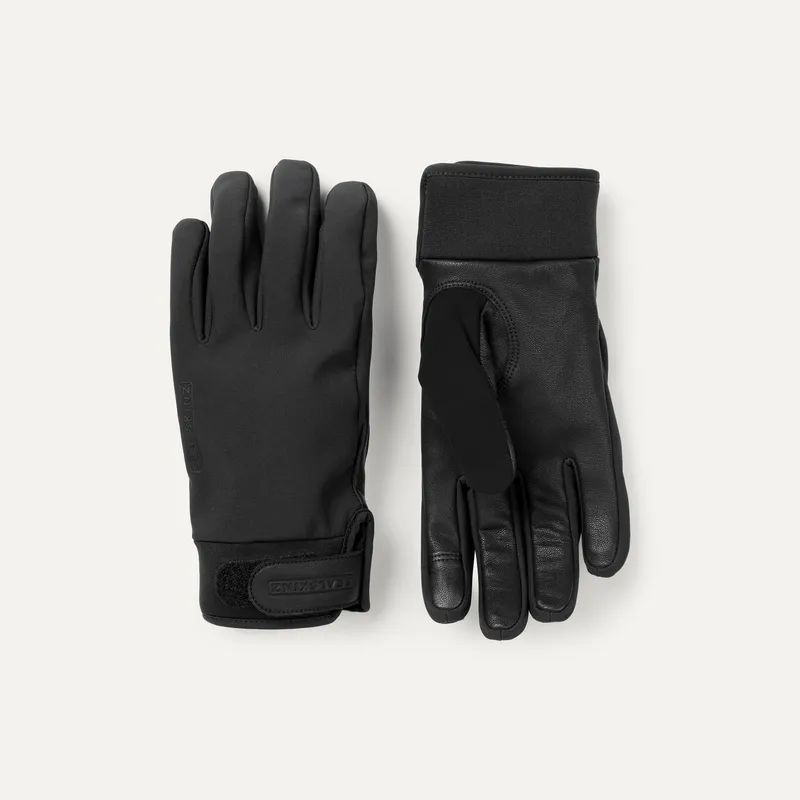 Official manufacturer image
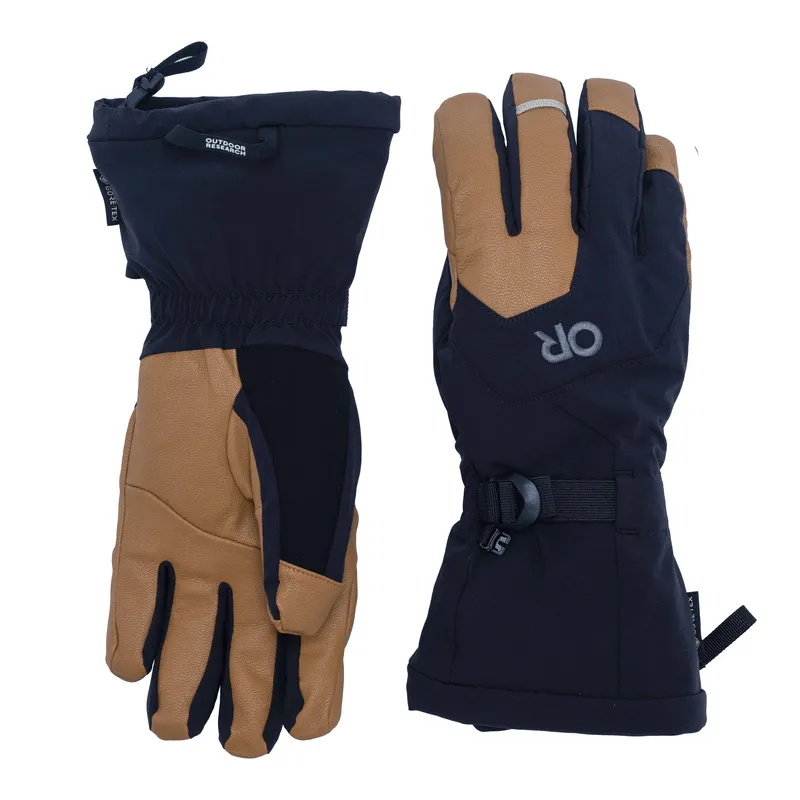 Official manufacturer image