









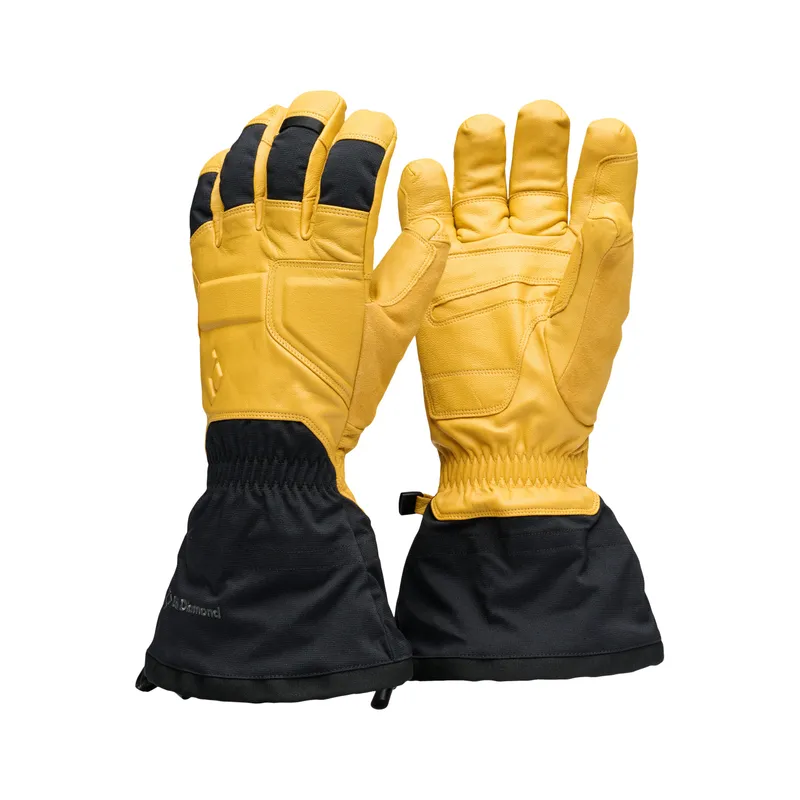
 Official manufacturer image
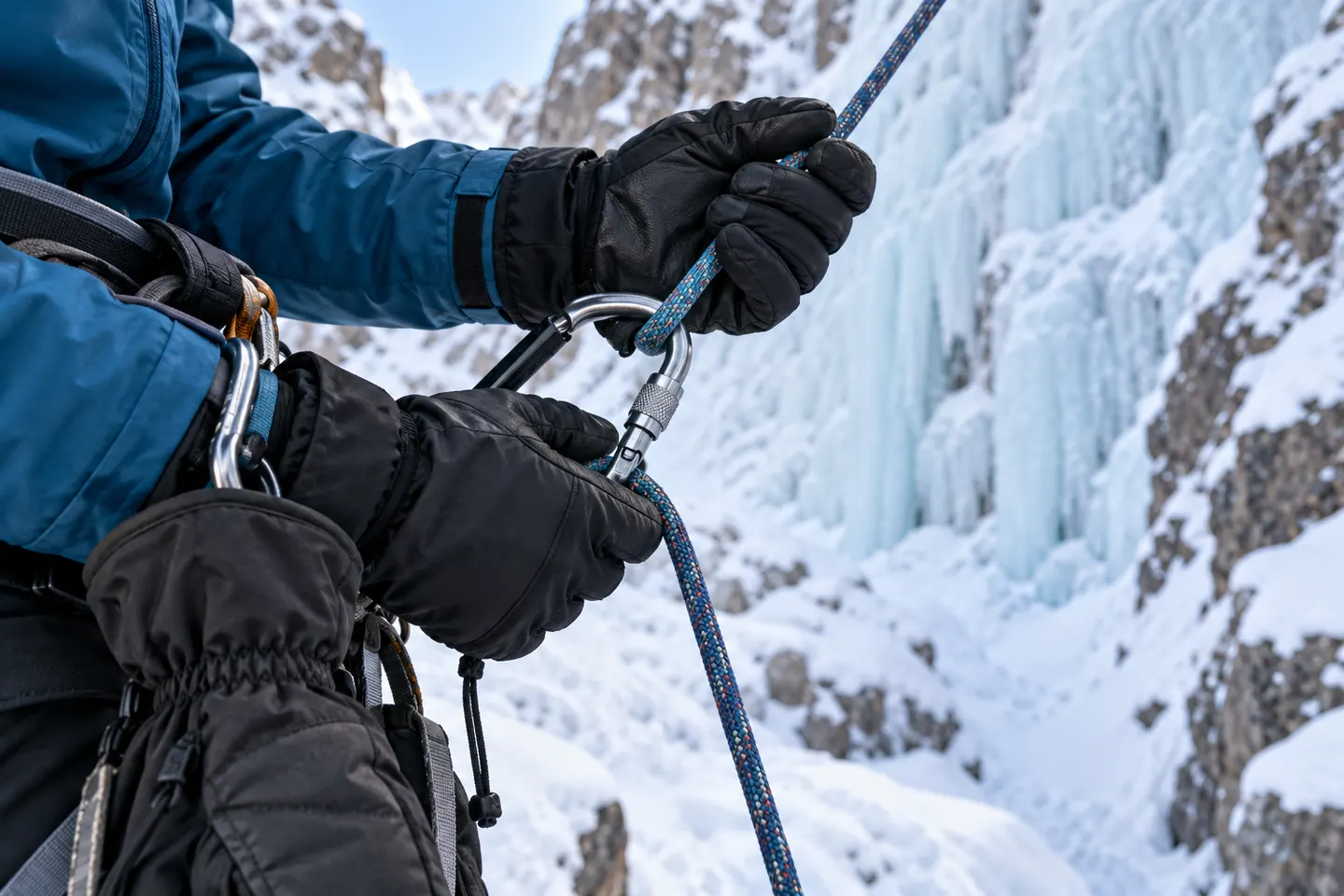
Our picks
Top picks
Official manufacturer image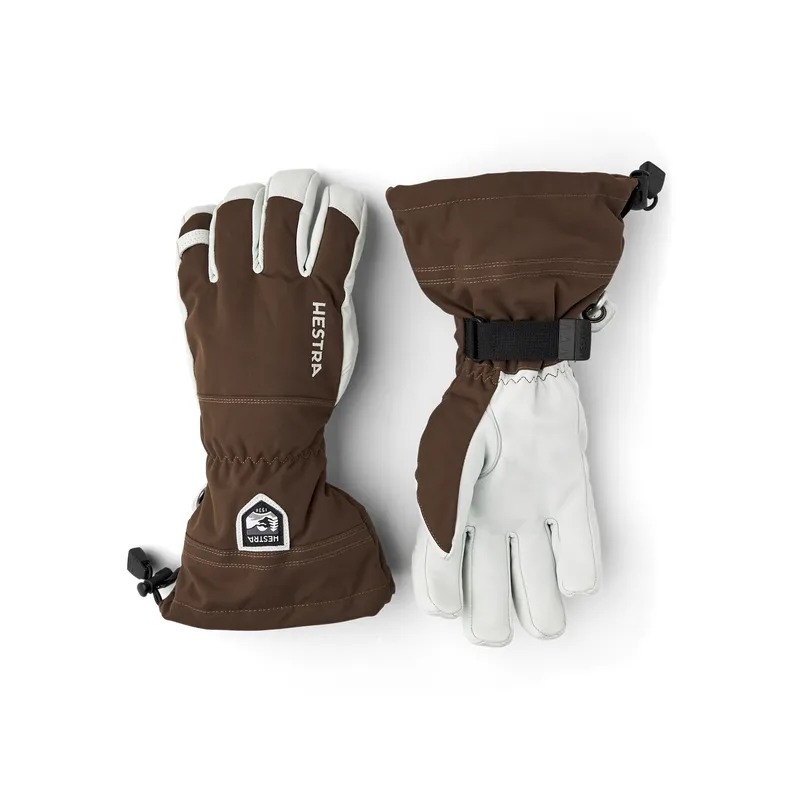 Official manufacturer image
Hestra Army Leather Heli Ski - 5 finger
Check price on Amazon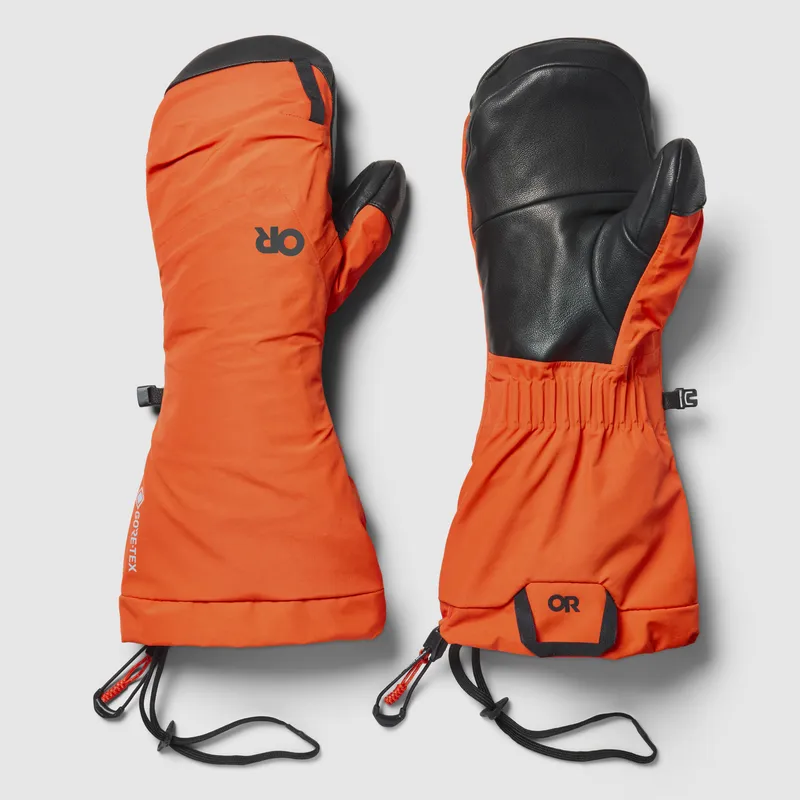 Official manufacturer image
Outdoor Research Alti II GORE-TEX Mitts
Check price on AmazonCommon questions
Questions before you buy
Are mittens practical for winter climbing?
They can be useful for belaying or rest stops, but are less suited to tasks requiring separate finger movement. Climbers often layer a dexterous glove with a warmer overmitt.
Should climbing gloves be waterproof?
A waterproof shell can help in wet snow, but breathability and drying also matter. Choose protection for the route conditions and follow the maker’s care guidance.
What is a three-finger climbing glove?
It combines the index finger separately with a mitten-like section for the remaining fingers, aiming to balance tool handling with extra warmth.
How should I layer winter climbing gloves?
Use a close-fitting liner or active glove for movement and carry a roomier insulated shell or mitt for belays. Avoid layers so tight that they compress insulation.