Check the fit before adding layers
A glove that compresses your fingers can feel cold and makes a liner harder to use. Leave enough space to flex and wiggle each finger, while avoiding loose ends that let cold air circulate.

 Best picksGood Meat Thermometers for Every Kind of Cook
 Best picksBest WiFi Extenders: Which Range Extender Should You Buy?
 Best picksBest Dash Cams for Cars in 2026
 Best picksBest Radar Detectors for Cars: Models Compared
 Best picksGood Winter Gloves for Cold Weather: Five Useful Picks
 Best picksBest Headlamps: Six Lights Compared for Different Uses
 Best picksTop 10 Best Battery-Powered Weed Eaters for Different Yards
 Best picksBest Portable Air Coolers for Patios, Workshops and Small Spaces (2026)
 Best picksBest Air Purifier for Bedroom in the US: Quiet Models Compared
Gearjury may earn a commission from qualifying purchases made through retailer links.
Guide
Start with dry hands and gloves that leave room for movement. If your fingertips still chill, check fit, moisture, wind exposure and whether the glove's insulation suits the activity.
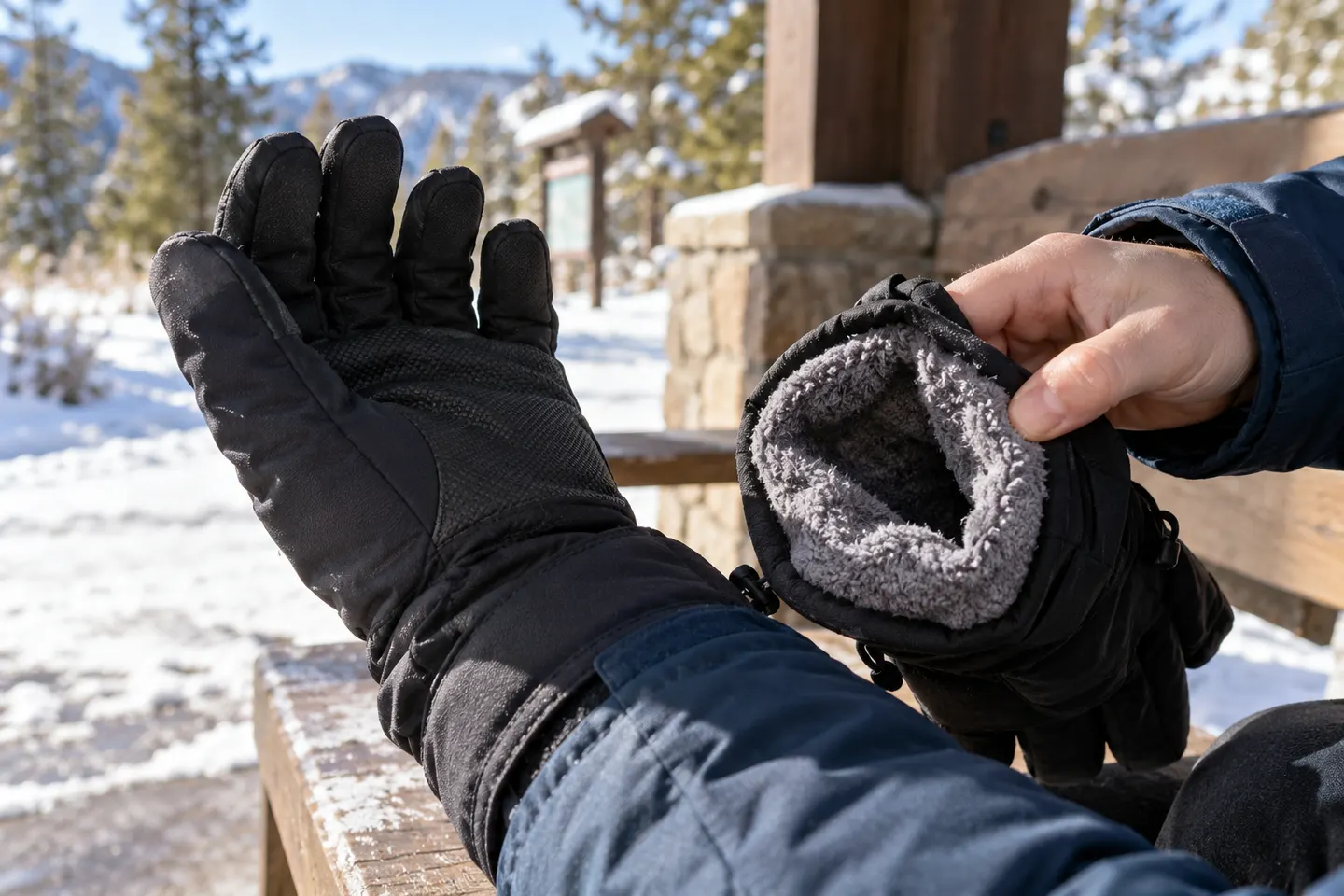
A glove that compresses your fingers can feel cold and makes a liner harder to use. Leave enough space to flex and wiggle each finger, while avoiding loose ends that let cold air circulate.
Moisture from snow, rain or sweat can make hands feel colder. Start with dry skin and liners, and choose a breathable glove for active use; carry a dry spare pair for long outings.
Cold hands can accompany whole-body cooling. Add a warm layer to your torso and overlap glove cuffs with jacket sleeves so wind does not funnel toward the fingers.
A thick insulated glove can suit low-output time outdoors, while a lighter glove may be easier for active tasks. For severe cold, mittens keep fingers together; a liner under a mitten can add adaptable coverage.
Battery-powered gloves may be an option when passive insulation is not enough. Compare battery placement, heat settings, charging instructions and dexterity, and follow the manufacturer's safety guidance.
Common questions
Common reasons include a tight fit, damp lining, wind entering at the cuff, or insulation that does not suit the conditions. Check each before adding another layer.
They should fit securely without squeezing. A little room supports movement and layering, but excessive space can let cold air circulate.
A compatible liner can add insulation and manage moisture, provided the outer glove still fits comfortably. Avoid stacking layers so tightly that finger movement is restricted.
Mittens often retain warmth well because fingers share an enclosed space, though they reduce individual finger dexterity. Choose according to the task and conditions.
Keep exploring
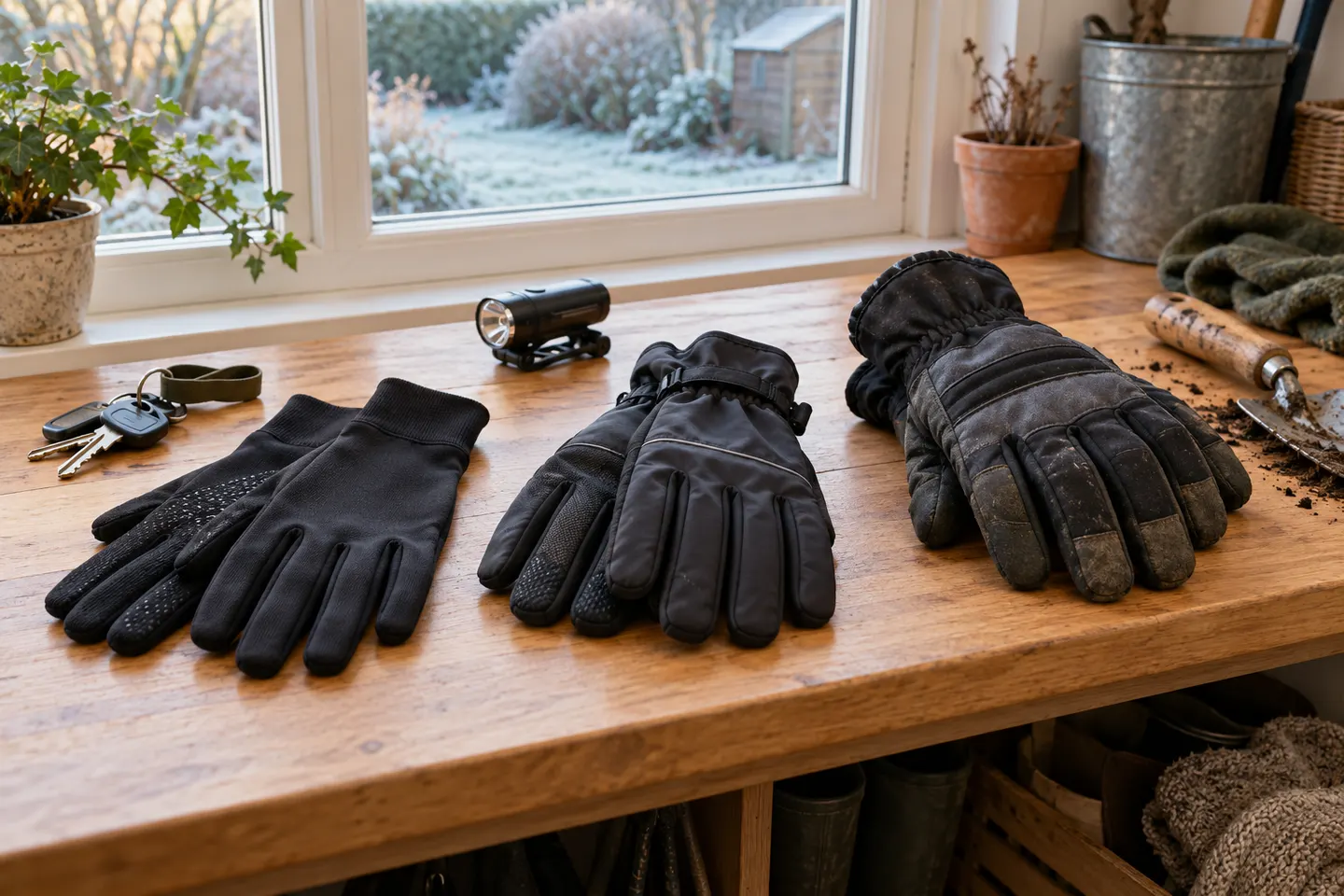
Start with the conditions you face: everyday cold, wet weather, hands-on work, or snow sports. The right insulation and shell matter more than a generic warmth label.
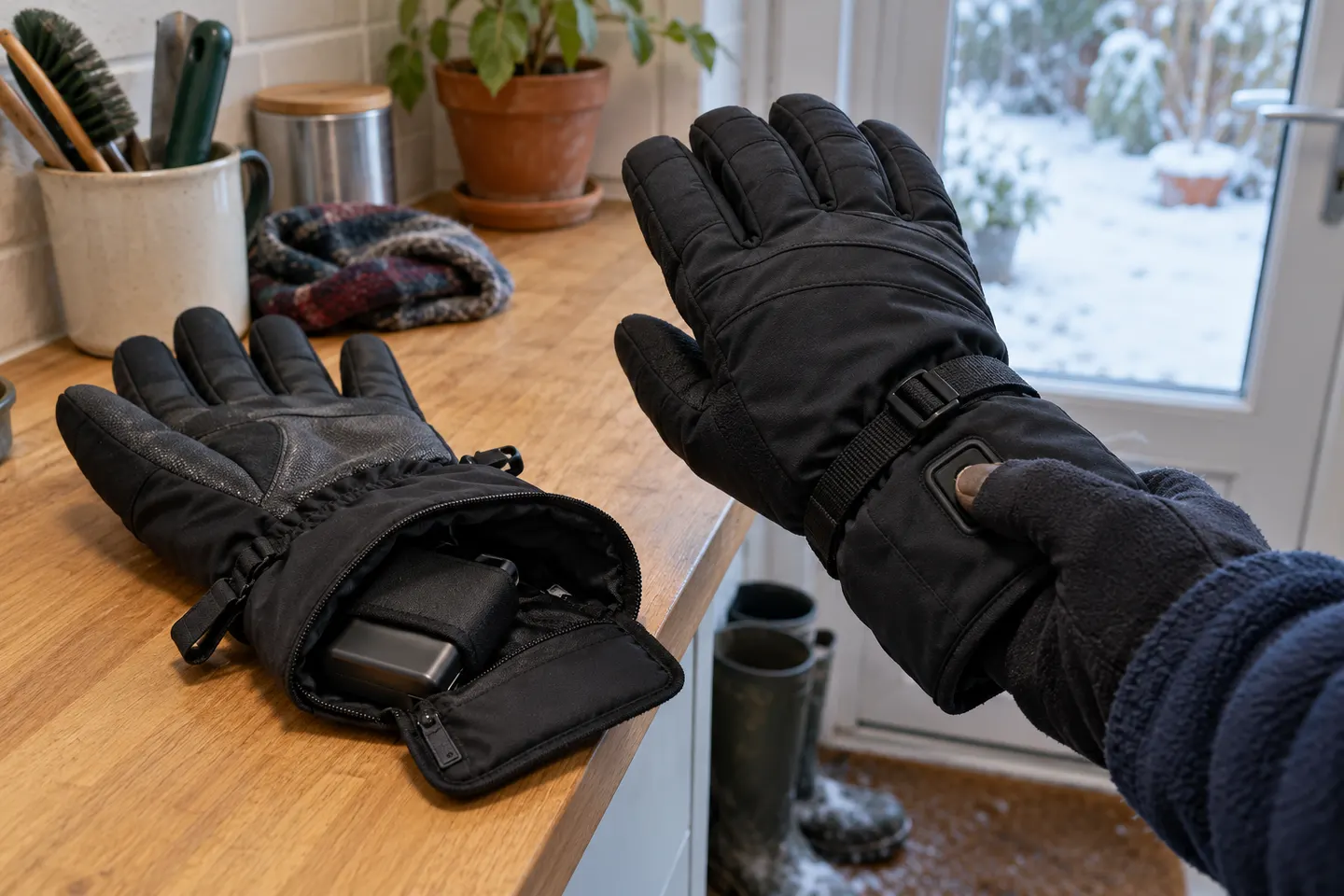
Powered warmth adds charging and care considerations to the usual questions of fit, insulation, and weather protection. Compare those trade-offs before choosing a style.
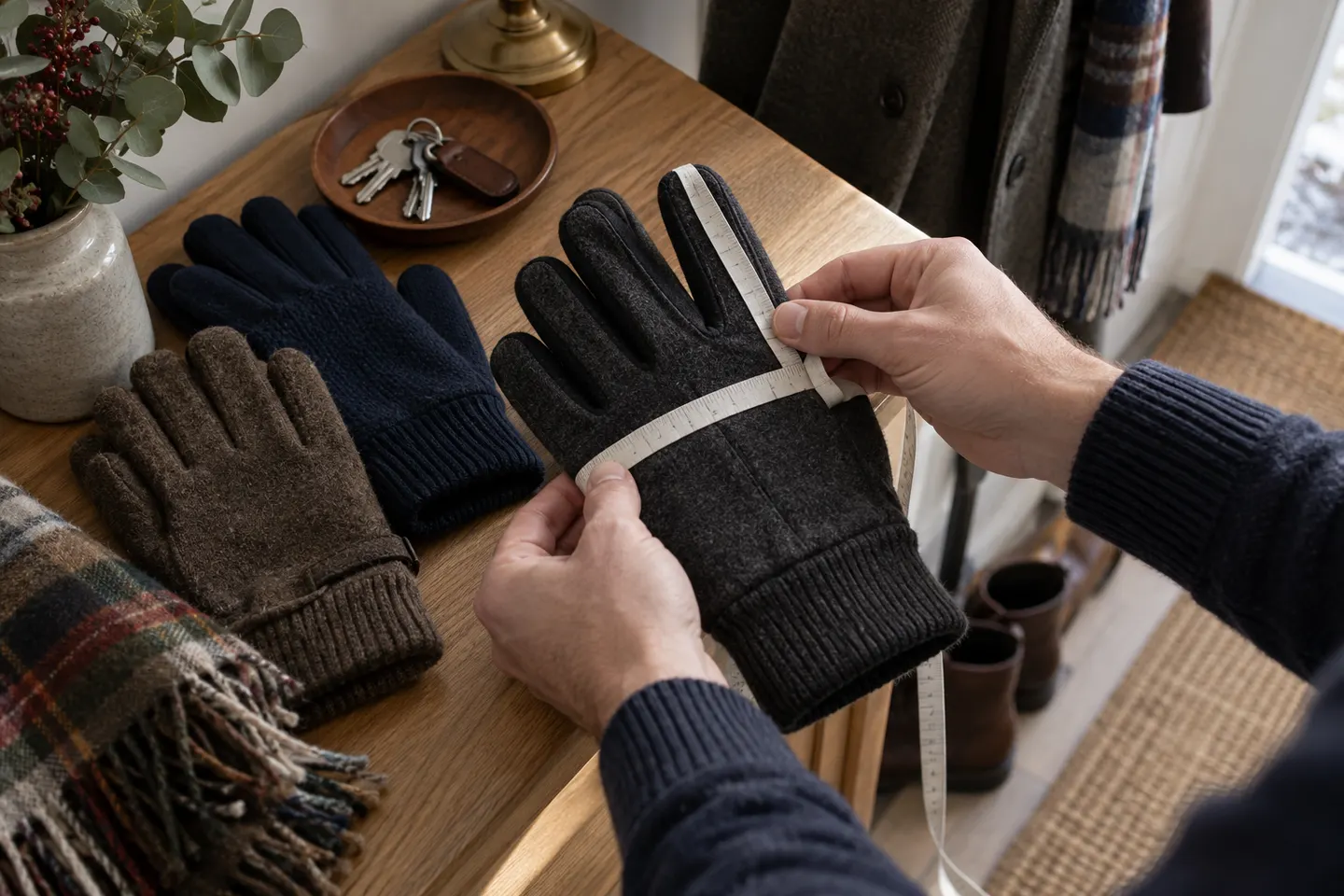
Match insulation and shell construction to the job: daily wear needs flexibility, while wet snow and outdoor work call for more coverage and durable materials.
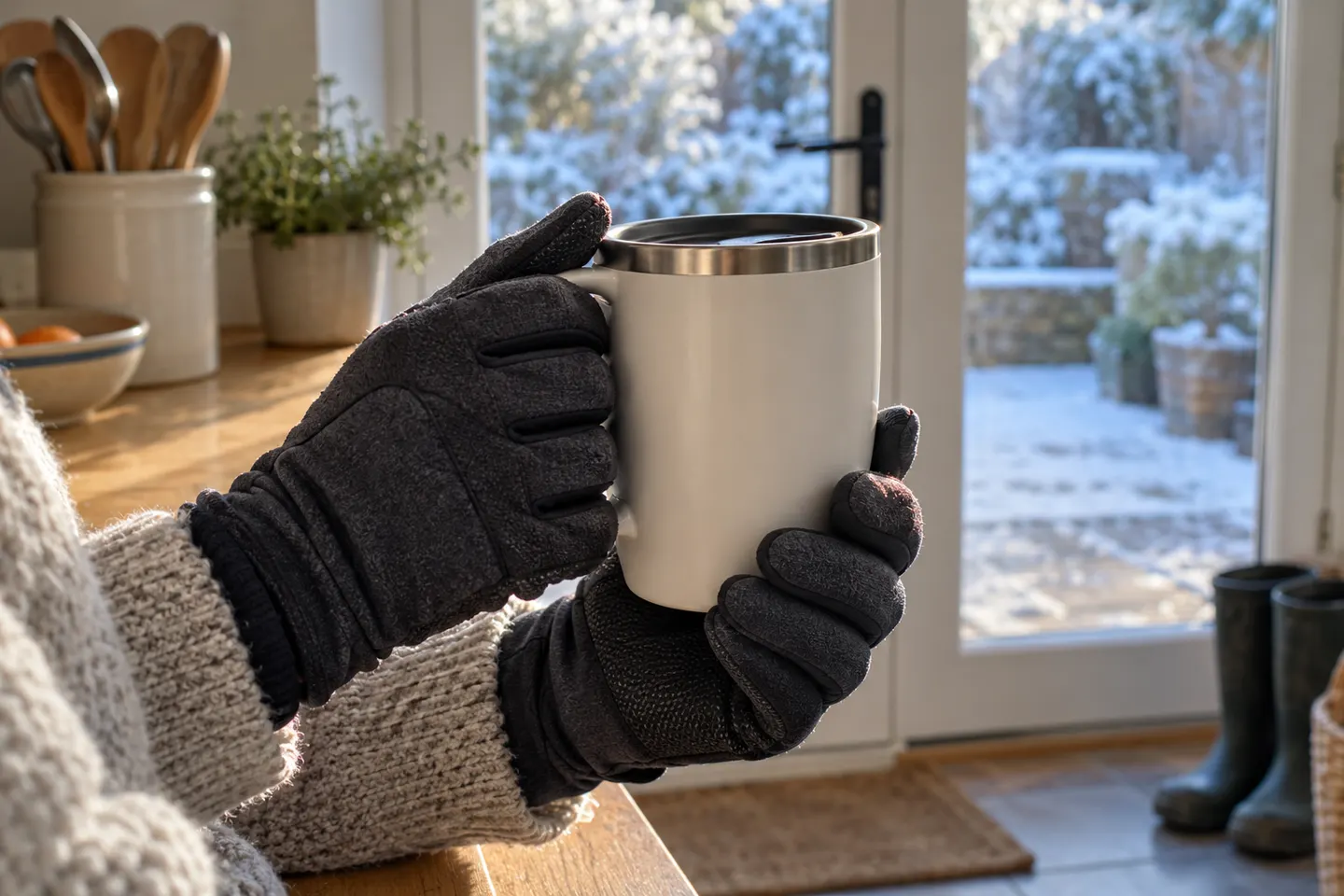
Begin with fit and intended use, then choose insulation and weather protection for your routine. A close but comfortable fit helps preserve warmth without restricting movement.