Gearjury may earn a commission from qualifying purchases made through retailer links.
Guide
What Types of Gloves Provide Thermal Protection?
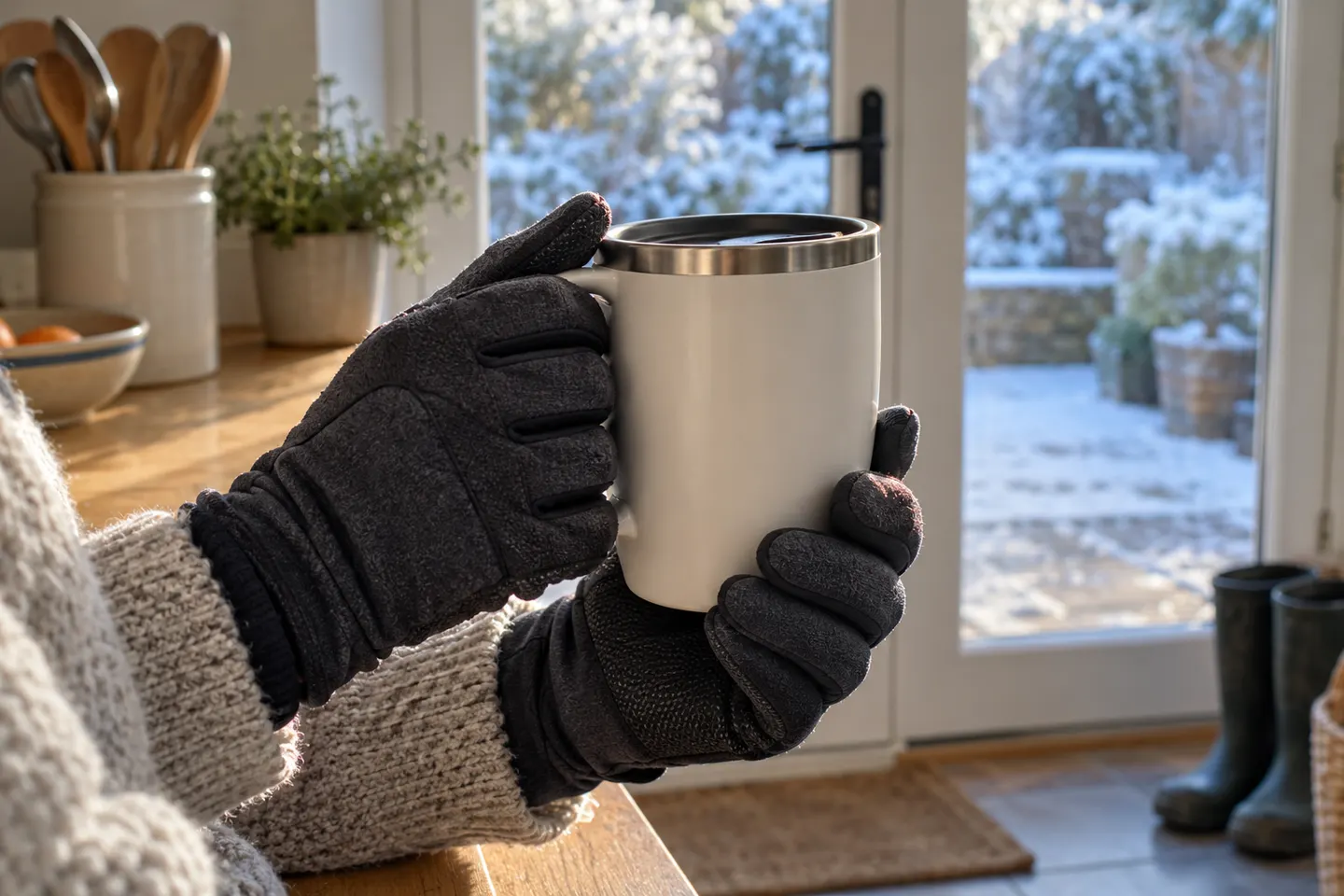
Thermal protection comes from a suitable insulation layer, a shell matched to wind or moisture, and a fit that preserves movement. For typing, favor a thinner liner or touchscreen fingertips.
GGearjury editorial team · Updated October 22, 2026· 5 min
01
What type of gloves provide thermal protection?
Insulated gloves retain warmth, while a wind-resistant or water-resistant outer helps limit exposure to weather. Match the combination to how long you will be outside, your activity and whether conditions are wet or windy. NIOSH advises keeping hands protected and clothing dry in cold environments.
02
Choose gloves or mittens for the task
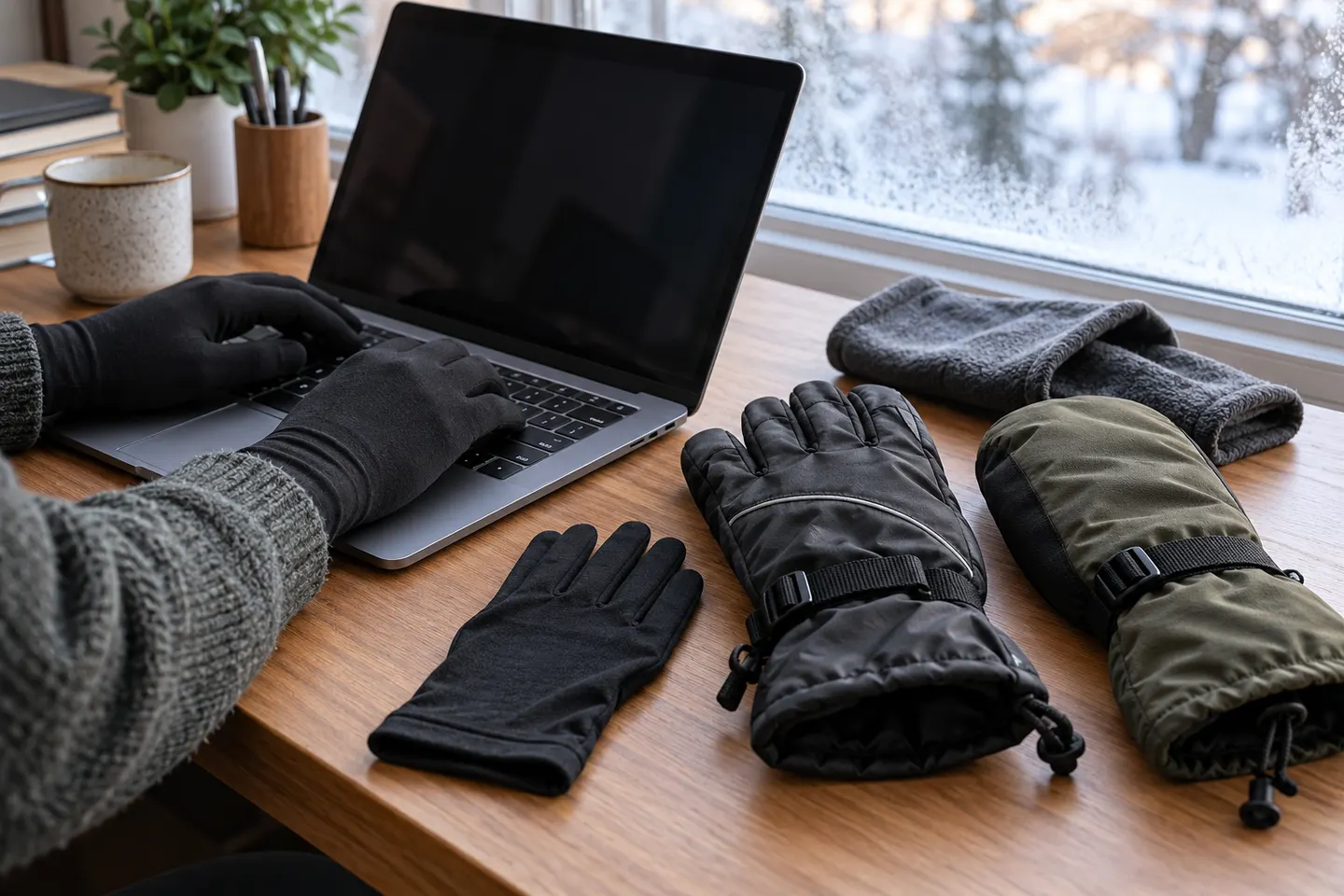
Gloves separate the fingers for handling objects; mittens keep fingers together and can preserve warmth at the expense of dexterity. If you need both, consider a mitten shell over a glove liner.
03
Use layers without squeezing your hands
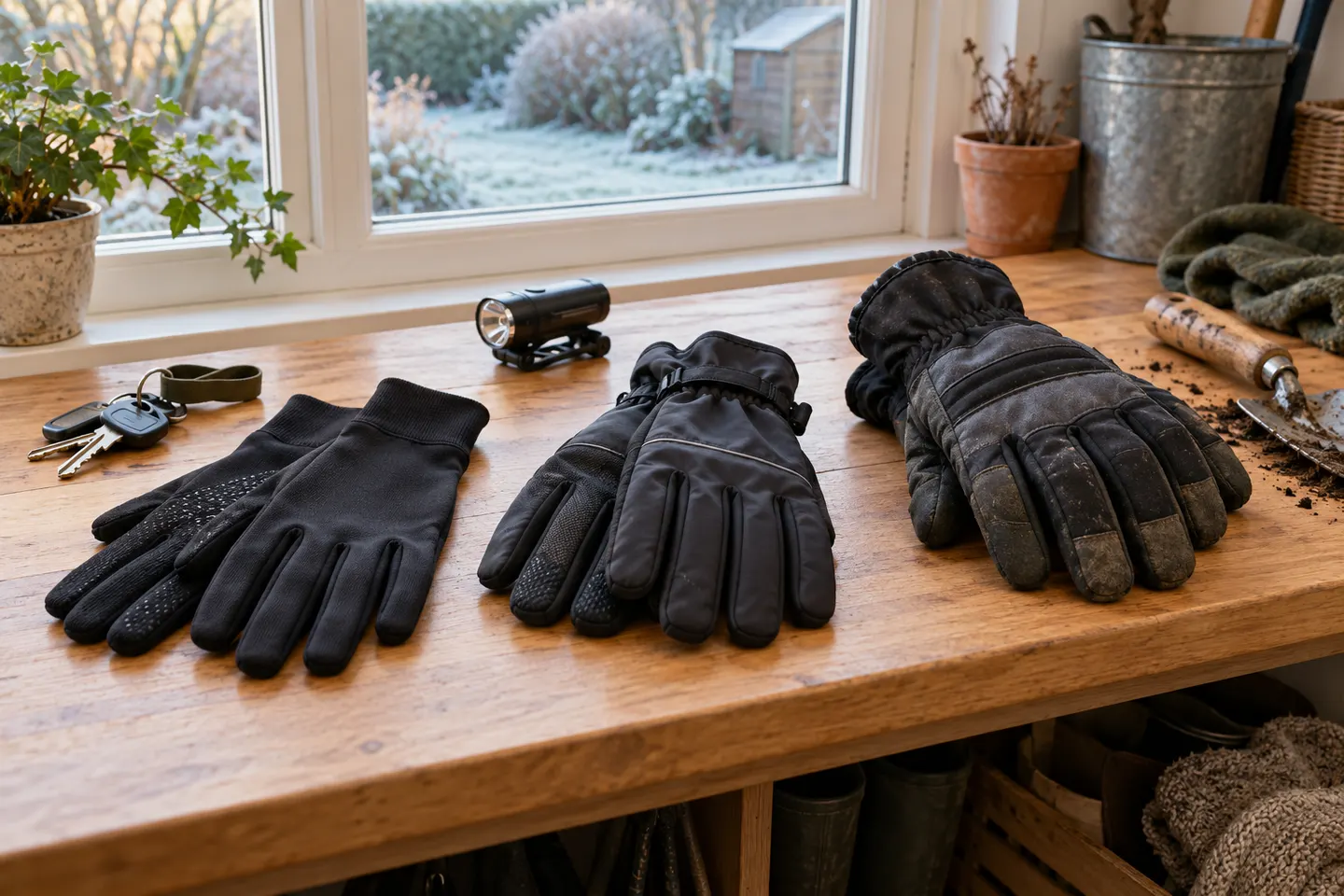
A thin liner under an insulated shell lets you adapt as conditions change. Try the full combination before heading out: cramped fingers or restricted movement undermine comfort and control.
04
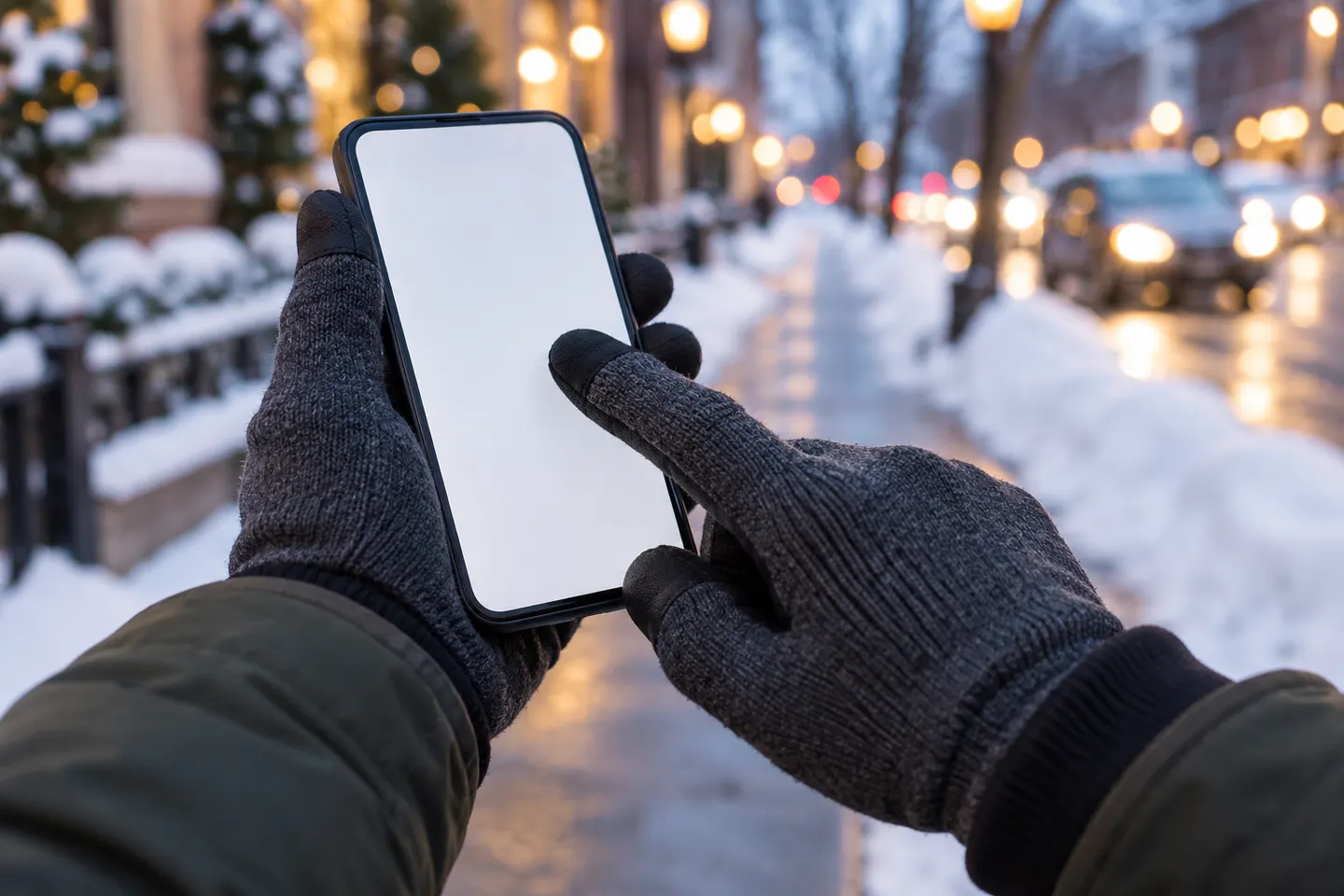
What gloves let you type with?
Look for conductive fingertips if you need to use a phone without removing your gloves. Thin, close-fitting materials generally make taps easier to place, though screen response depends on the glove and device. See warm gloves that work with a phone for selection considerations.
05
Stay warm while using a keyboard
For laptop typing, a light liner may preserve more finger movement than a heavily insulated glove. If the room is cold, warm the environment where possible and take breaks to restore comfortable hand movement.
06
Keep protection dry and know its limits
Wet gloves can lose insulating usefulness, so carry a dry spare for prolonged outdoor activity. For occupational hazards, select protective equipment rated for the specific task; ordinary winter gloves are not a substitute for certified work PPE.
Common questions
Questions before you buy
What type of gloves provide thermal protection in wet weather?
Choose insulation paired with an outer material specified for water resistance or waterproofing, and check seam and care details. Replace wet gloves with a dry pair when possible.
Are mittens warmer than gloves?
Mittens often keep fingers warmer because they share one space, while gloves offer better individual dexterity. Layering a glove under a mitten can combine both functions.
What gloves can you type with?
A thin, close-fitting glove with conductive fingertips may work on a touchscreen. For a physical keyboard, prioritize finger movement and a fit that does not bunch.
Can you wear thermal gloves under another pair?
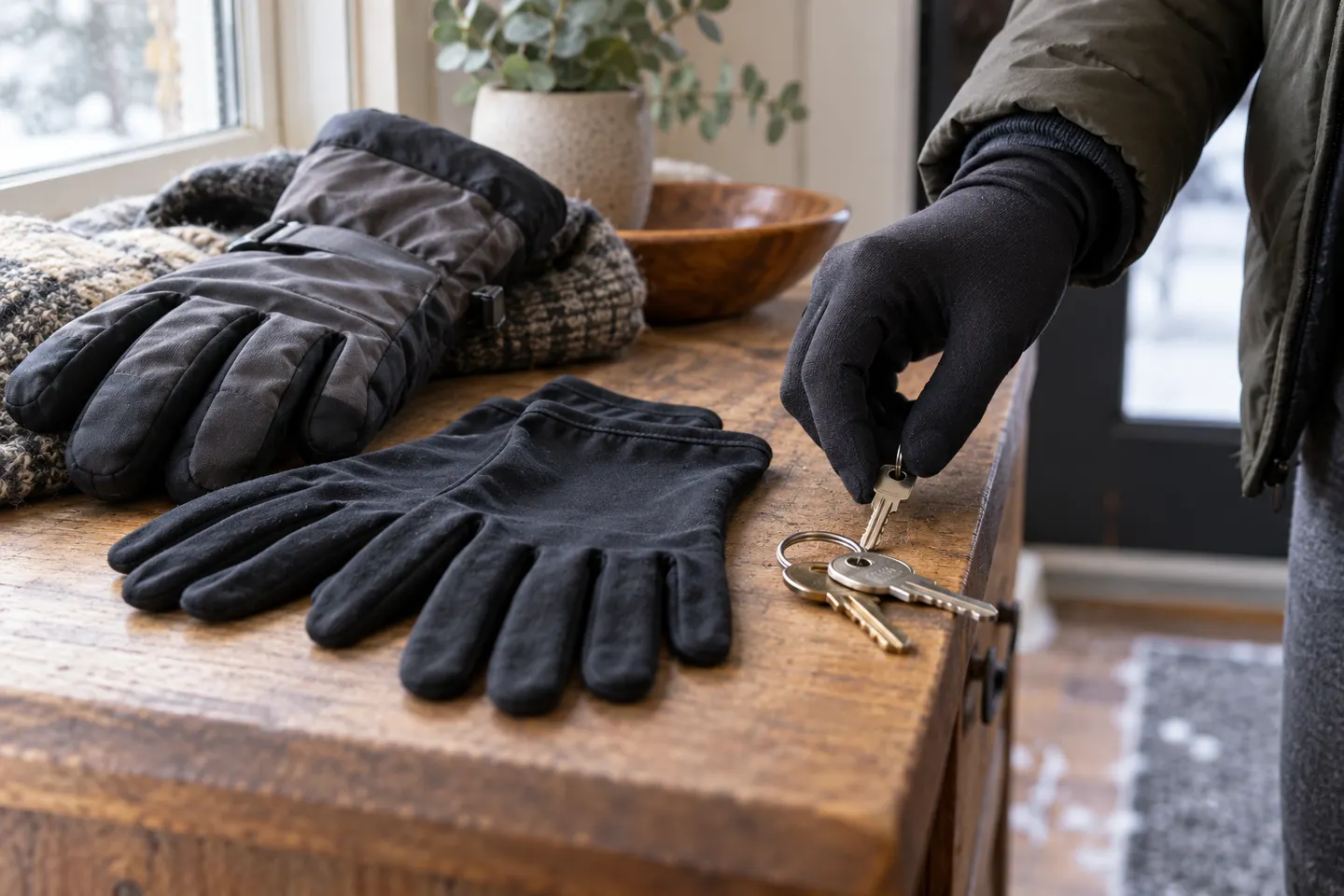
Yes, if the combined fit remains comfortable and allows natural movement. A liner plus a weather-protective shell is a flexible arrangement.
A close-fitting liner is the usual starting point when you want warmth under another glove. Treat ultra-thin gloves as a layer, not severe-cold protection.
Start with the conditions you face: everyday cold, wet weather, hands-on work, or snow sports. The right insulation and shell matter more than a generic warmth label.
Begin with fit and intended use, then choose insulation and weather protection for your routine. A close but comfortable fit helps preserve warmth without restricting movement.
Your privacy
We use cookies and similar technologies. Necessary ones keep the site working. With your permission we also use statistics cookies (Google Analytics and Microsoft Clarity) to understand which guides help readers. You can accept all, reject all or choose. You can change your choice at any time from "Cookie settings" at the bottom of every page. Cookie policy