What makes gloves thermal?
Insulating material traps air near the skin and slows heat transfer. A shell can reduce wind or water exposure, while a poor fit or compressed insulation can undermine comfort.

 Best picksGood Meat Thermometers for Every Kind of Cook
 Best picksBest WiFi Extenders: Which Range Extender Should You Buy?
 Best picksBest Dash Cams for Cars in 2026
 Best picksBest Radar Detectors for Cars: Models Compared
 Best picksGood Winter Gloves for Cold Weather: Five Useful Picks
 Best picksBest Headlamps: Six Lights Compared for Different Uses
 Best picksBest Portable Air Coolers for Patios, Workshops and Small Spaces (2026)
 Best picksTop 10 Best Battery-Powered Weed Eaters for Different Yards
 Best picksBest Air Purifier for Bedroom in the US: Quiet Models Compared
Gearjury may earn a commission when you buy through a retailer link. Editorial conclusions are based on cited evidence.
Guide
Thermal gloves use insulating layers and a fit that helps retain heat around the hand. The right type depends on activity, exposure and whether you need water protection.
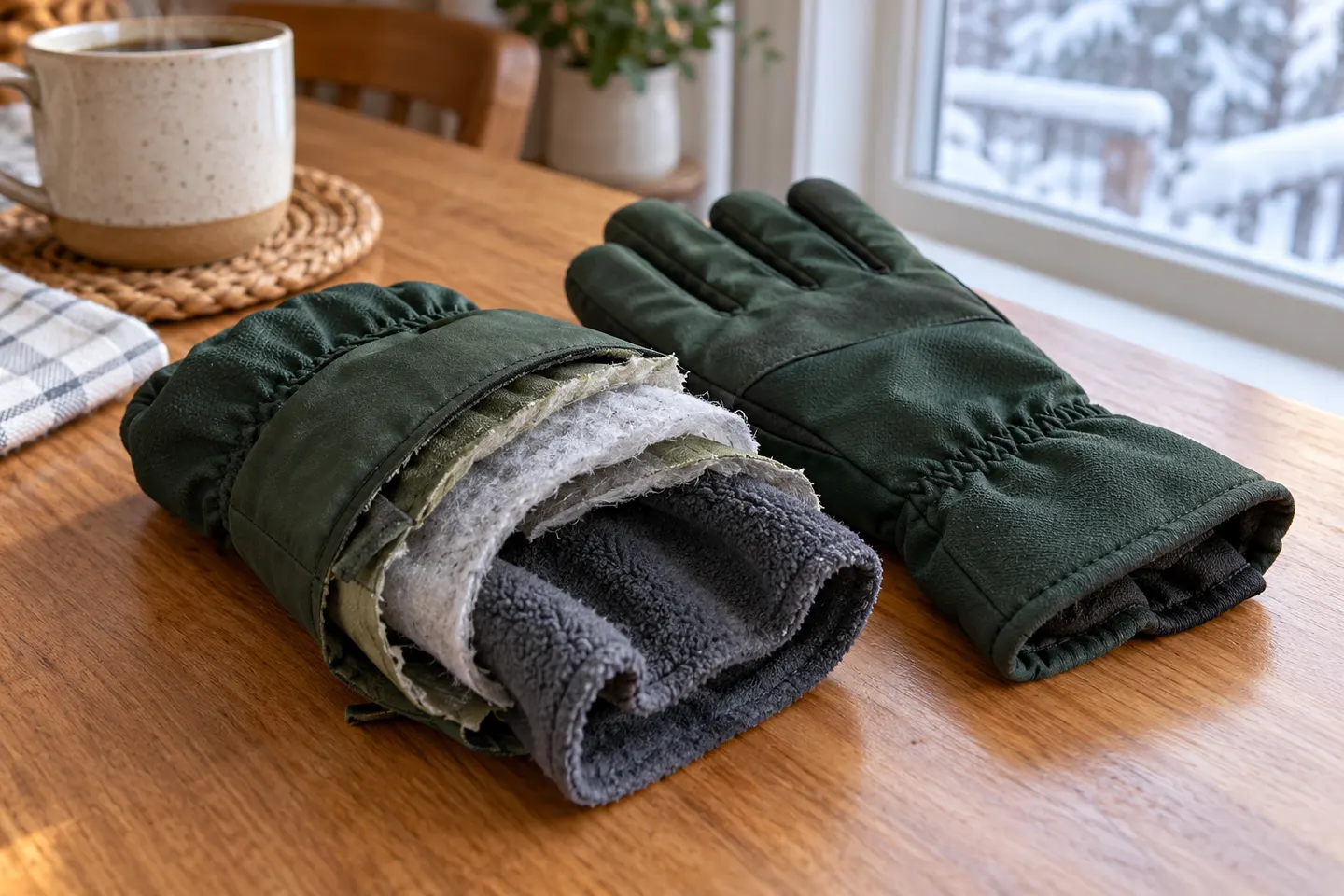
Insulating material traps air near the skin and slows heat transfer. A shell can reduce wind or water exposure, while a poor fit or compressed insulation can undermine comfort.
Thermal styles emphasize insulation or weather protection. Lightweight fashion gloves may offer little insulation, so compare materials, lining and stated use rather than relying on the name.
Not necessarily. Insulation type, wind protection, fit, moisture and activity all matter. A bulky glove may also make tasks harder.
They add powered warmth for some users and situations. Check battery type, controls, care instructions and weather limits for the exact product.
Match the glove to your exposure and task: compare insulation, cuff coverage, weather resistance, grip and dexterity, then use the maker?s size chart.
Common questions
Some are, but thermal describes warmth rather than waterproofing. Check whether the product specifies a waterproof membrane and sealed construction.
Yes, if the weight and breathability suit your activity. High-output exercise may call for lighter gloves that manage moisture rather than maximum insulation.
No. Thermal gloves rely on insulating materials; heated gloves use a powered heating element, often alongside insulation.
They should allow natural finger movement without excessive empty space or compression. Follow the maker?s sizing instructions and account for any liner.
Keep exploring
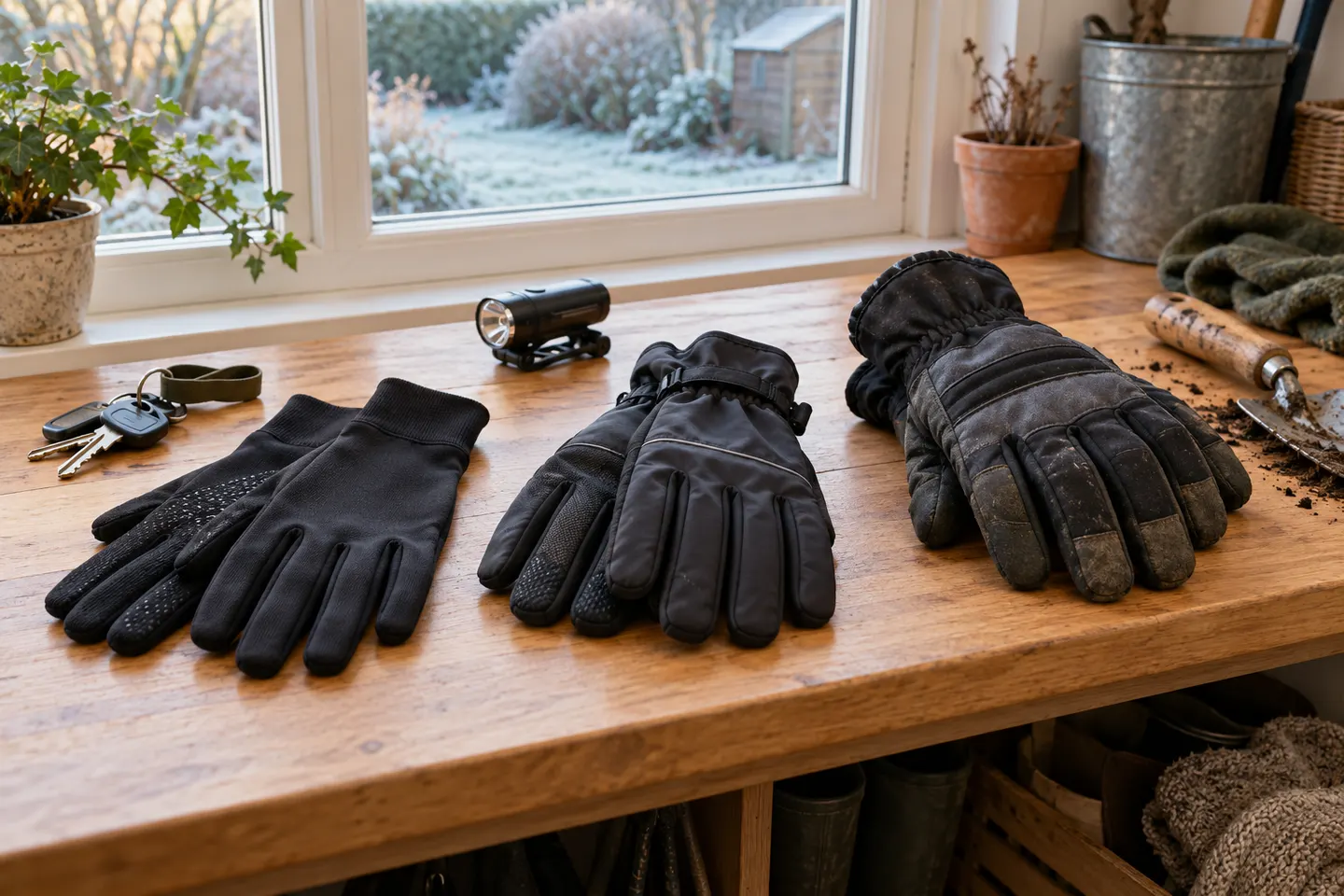
Start with the conditions you face: everyday cold, wet weather, hands-on work, or snow sports. The right insulation and shell matter more than a generic warmth label.
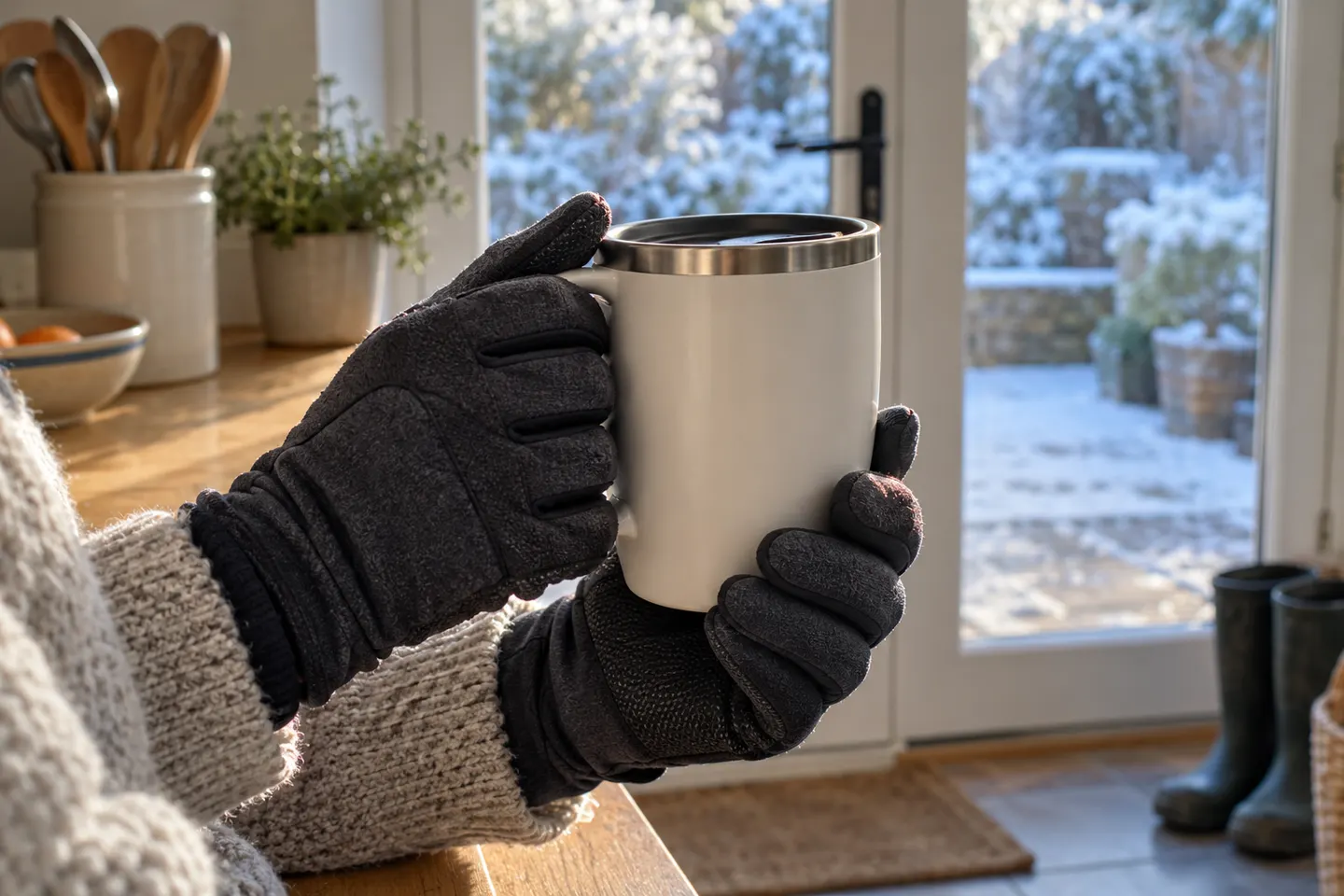
Begin with fit and intended use, then choose insulation and weather protection for your routine. A close but comfortable fit helps preserve warmth without restricting movement.
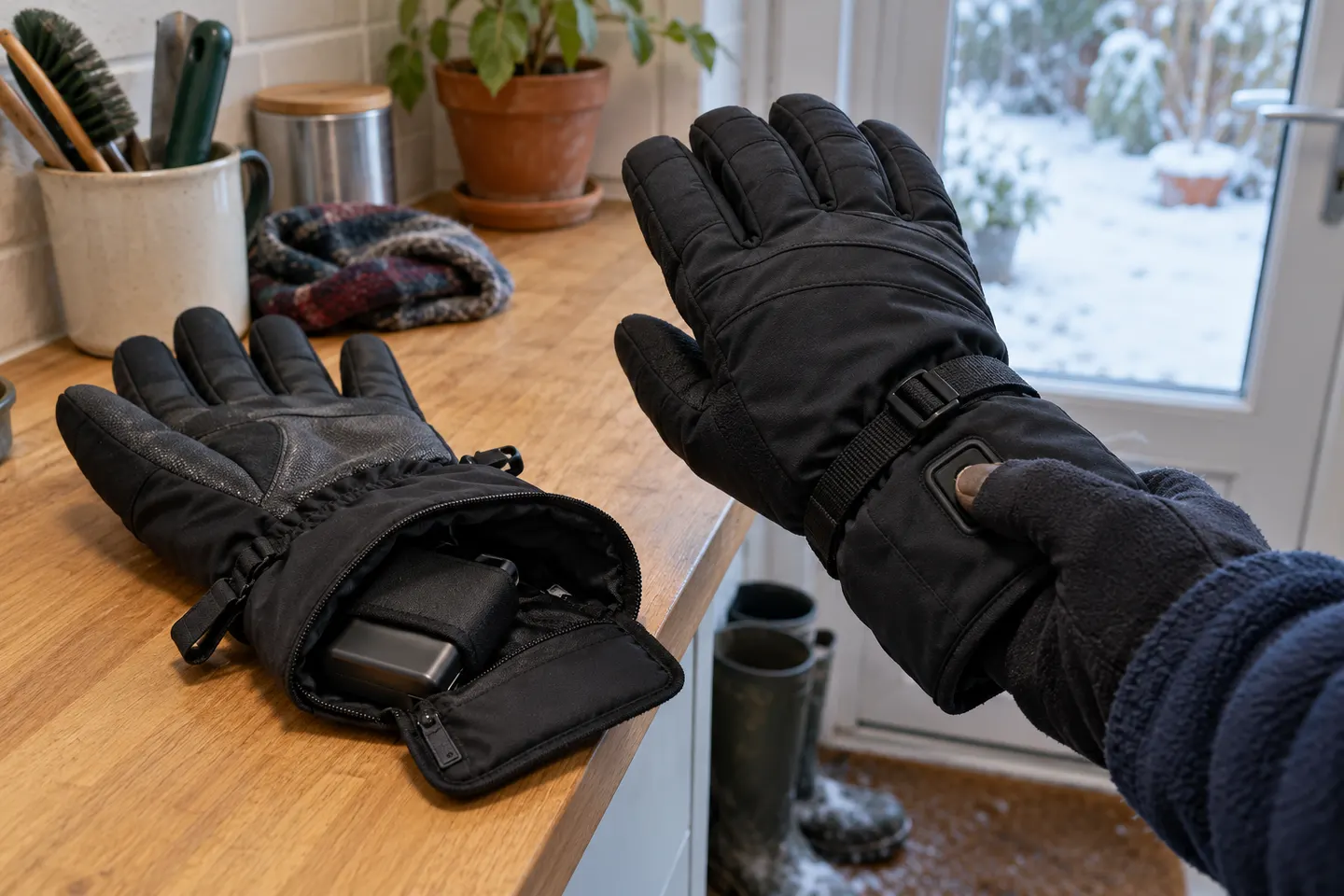
Powered warmth adds charging and care considerations to the usual questions of fit, insulation, and weather protection. Compare those trade-offs before choosing a style.
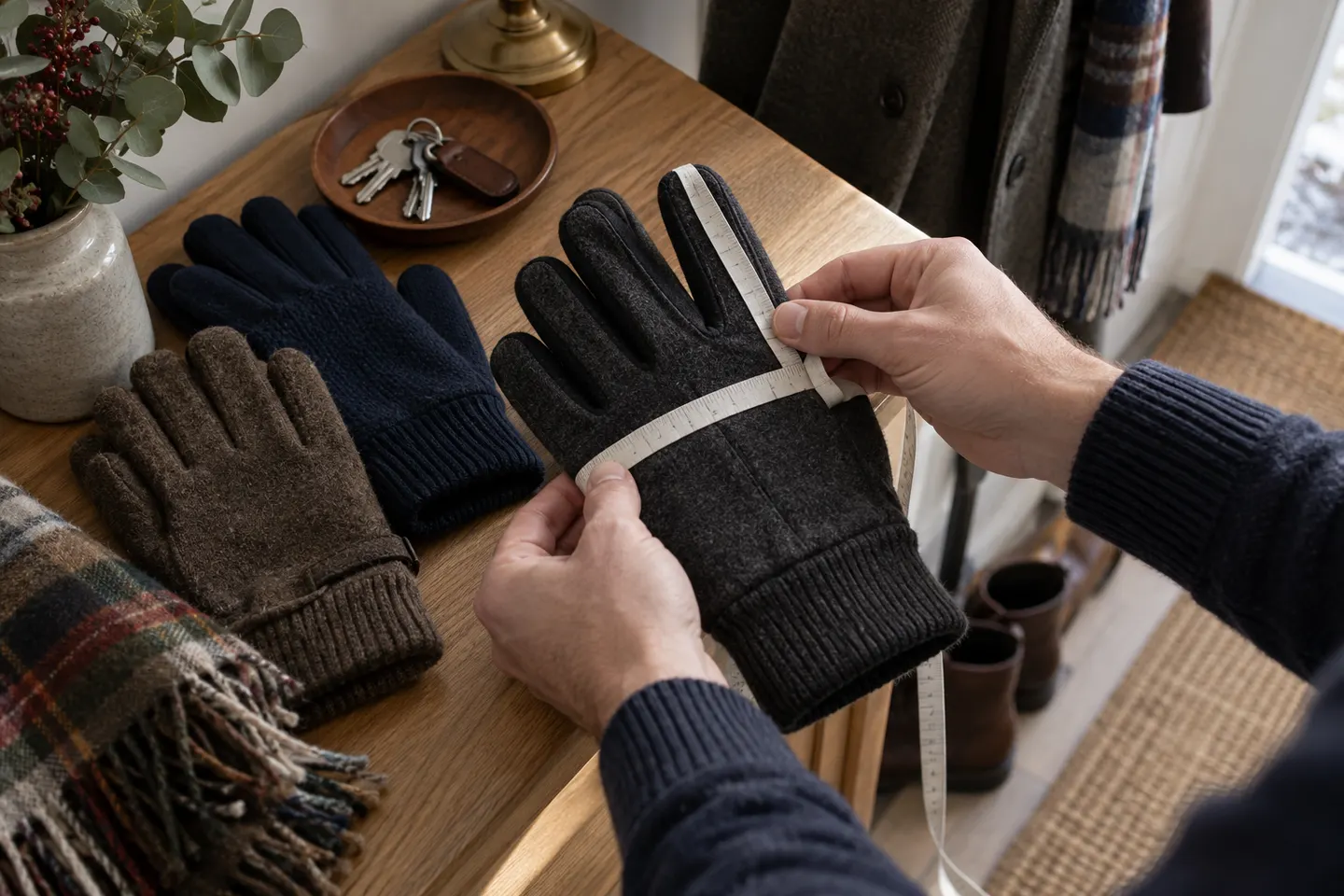
Match insulation and shell construction to the job: daily wear needs flexibility, while wet snow and outdoor work call for more coverage and durable materials.