









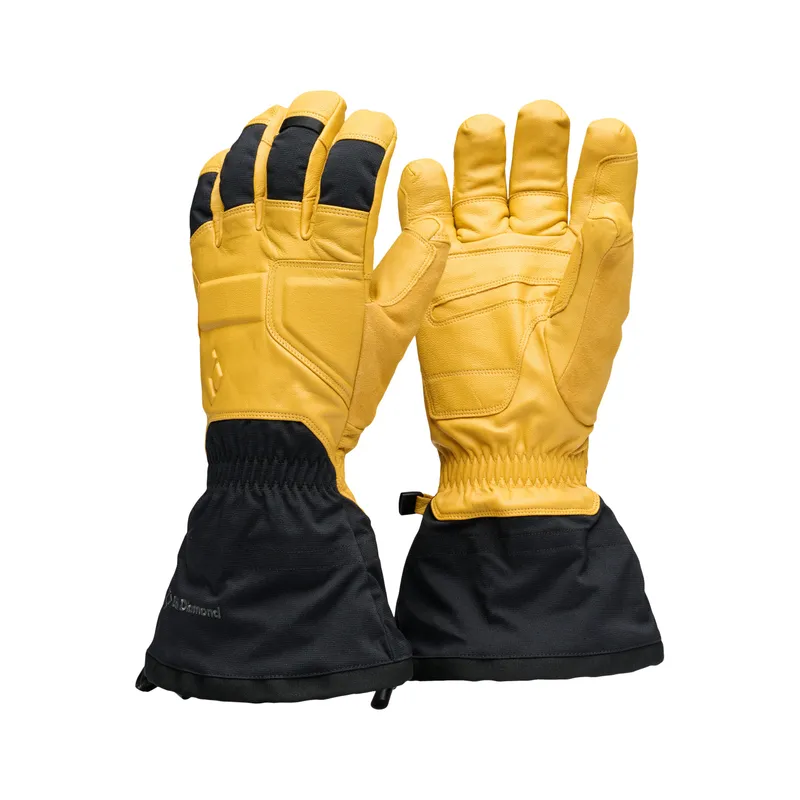
 Official manufacturer image
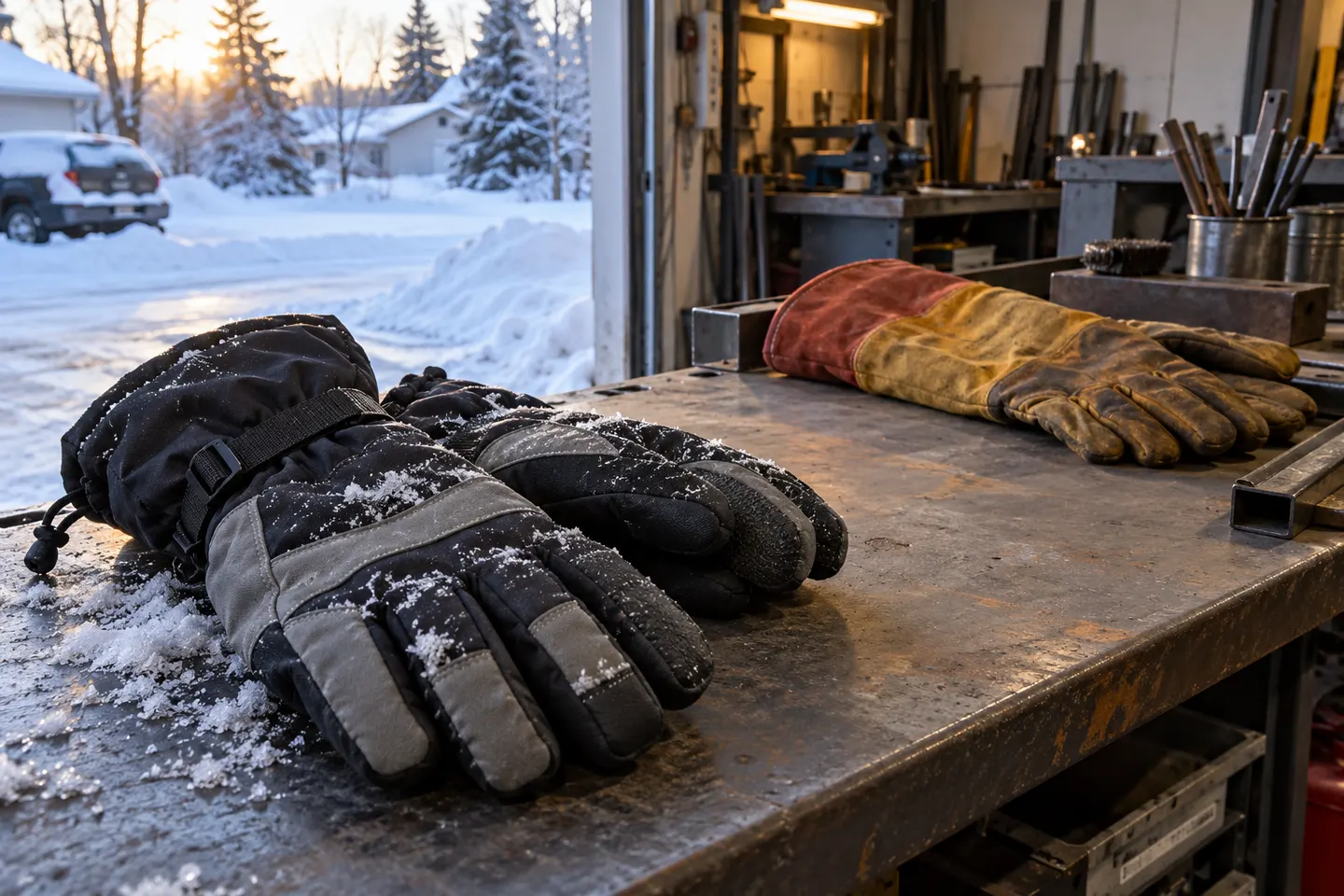
Our picks
Top picks
Official manufacturer image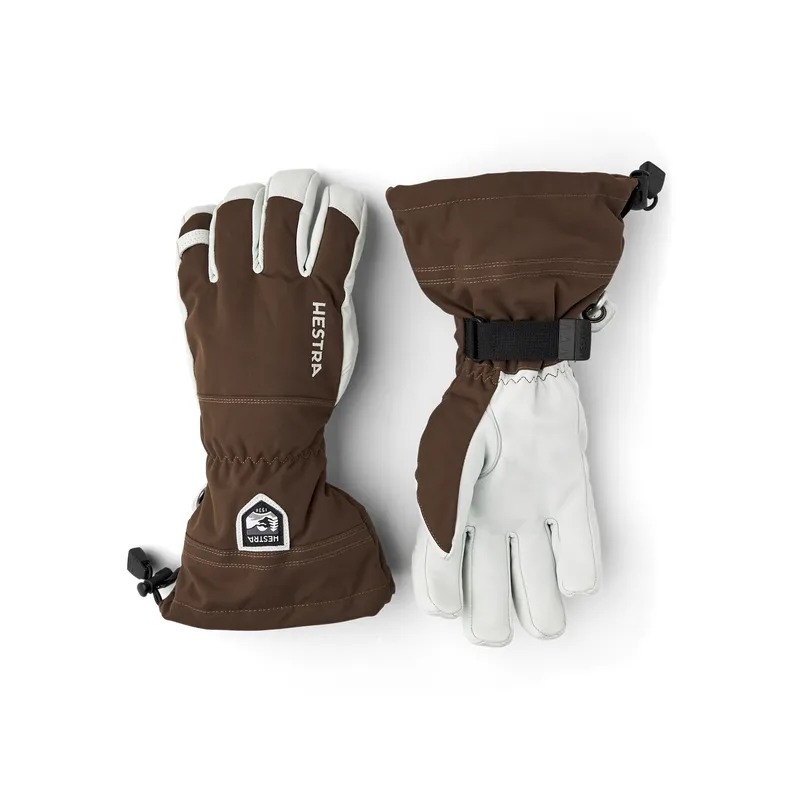 Official manufacturer image
Hestra Army Leather Heli Ski - 5 finger
Check price on Amazon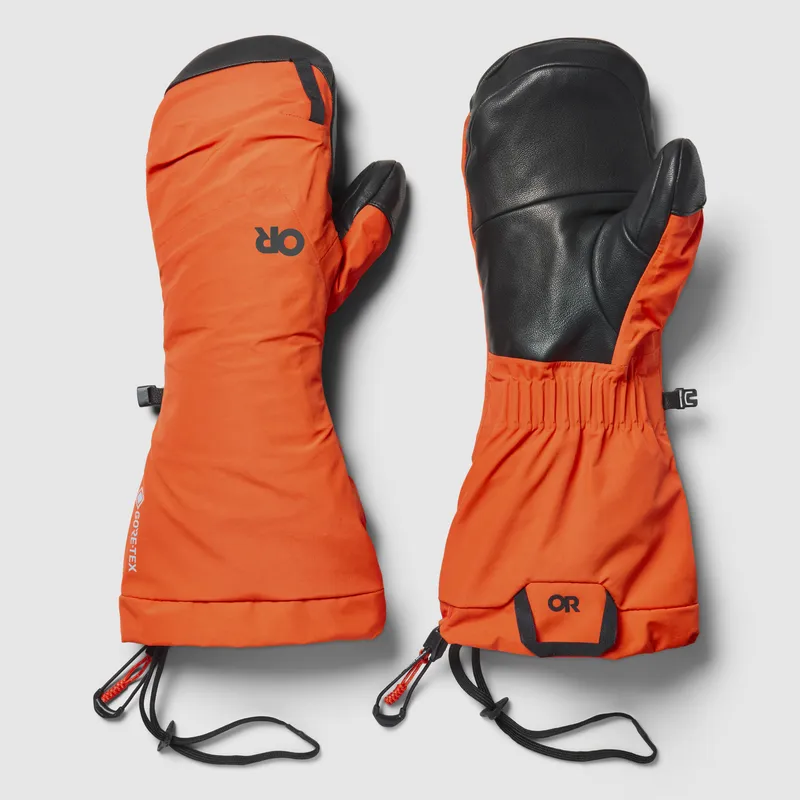 Official manufacturer image
Outdoor Research Alti II GORE-TEX Mitts
Check price on AmazonMore topics
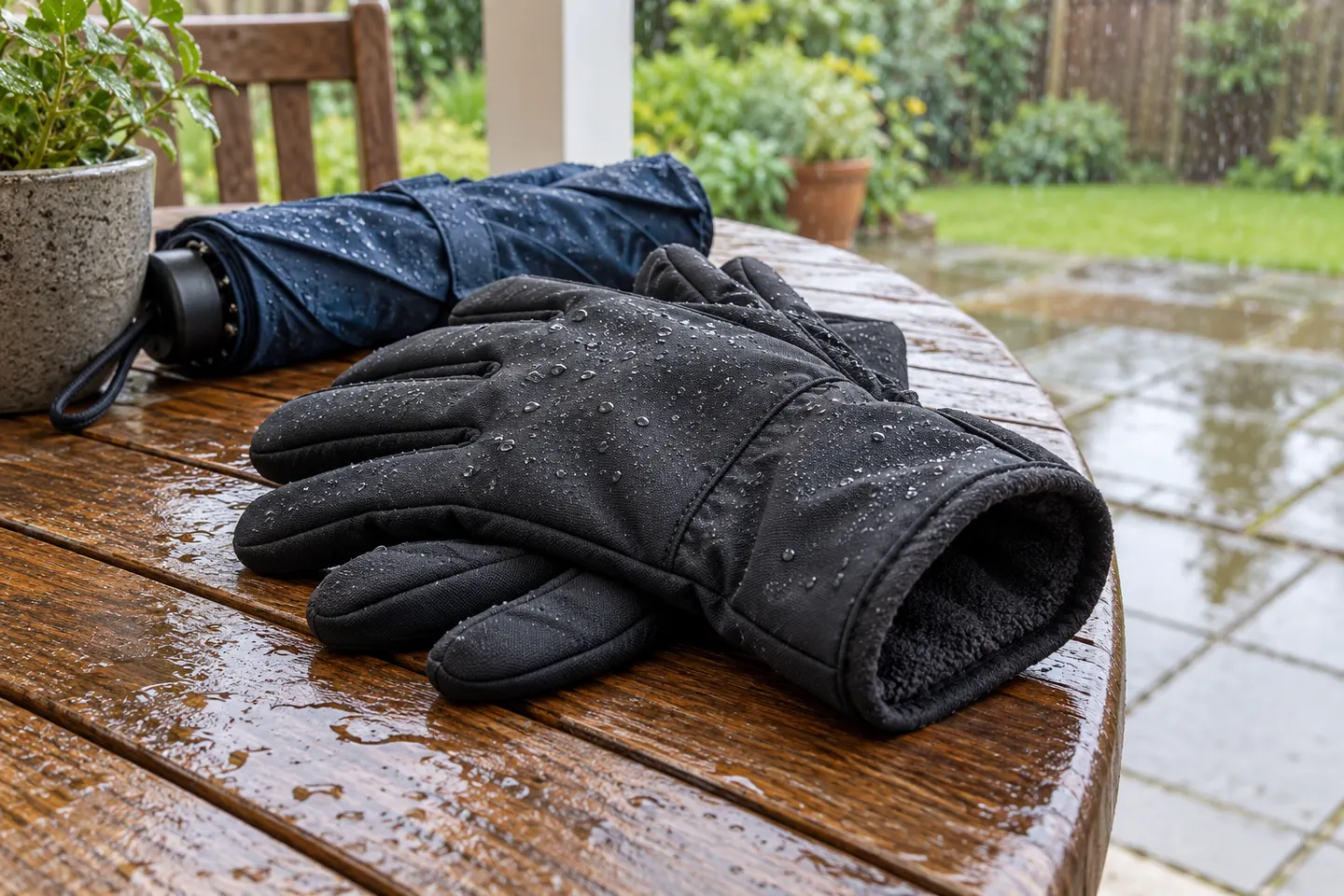 Winter Gloves That Are Water Resistant
Common questions
Questions before you buy
What makes gloves resistant to cold?
Insulating materials, suitable fit and wrist coverage help limit heat loss. Wind and moisture protection may also be needed.
Are resistant gloves the same as waterproof gloves?
No. “Resistant” can refer to cold or wind protection, while waterproofing addresses liquid water. Look for a clear specification for each.
Are layered gloves warmer than one thick pair?
Layers can add flexibility if they do not compress insulation or restrict circulation. One glove may be simpler for tasks needing dexterity.
How do I choose gloves for changing winter weather?
Consider a removable liner or shell and check wind and moisture protection. Confirm the cuff works with your jacket sleeves.