









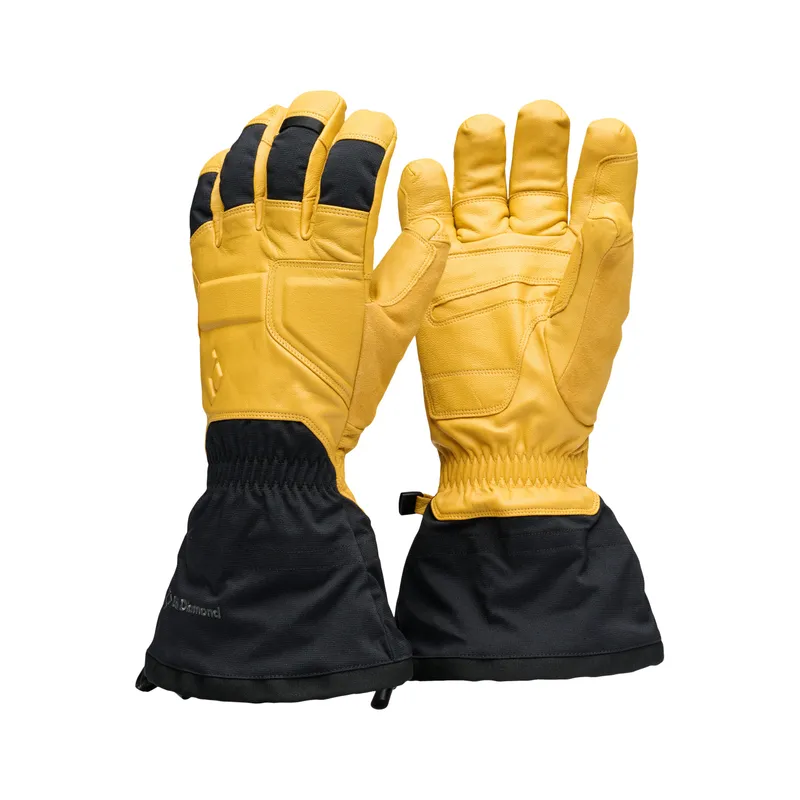
 Official manufacturer image
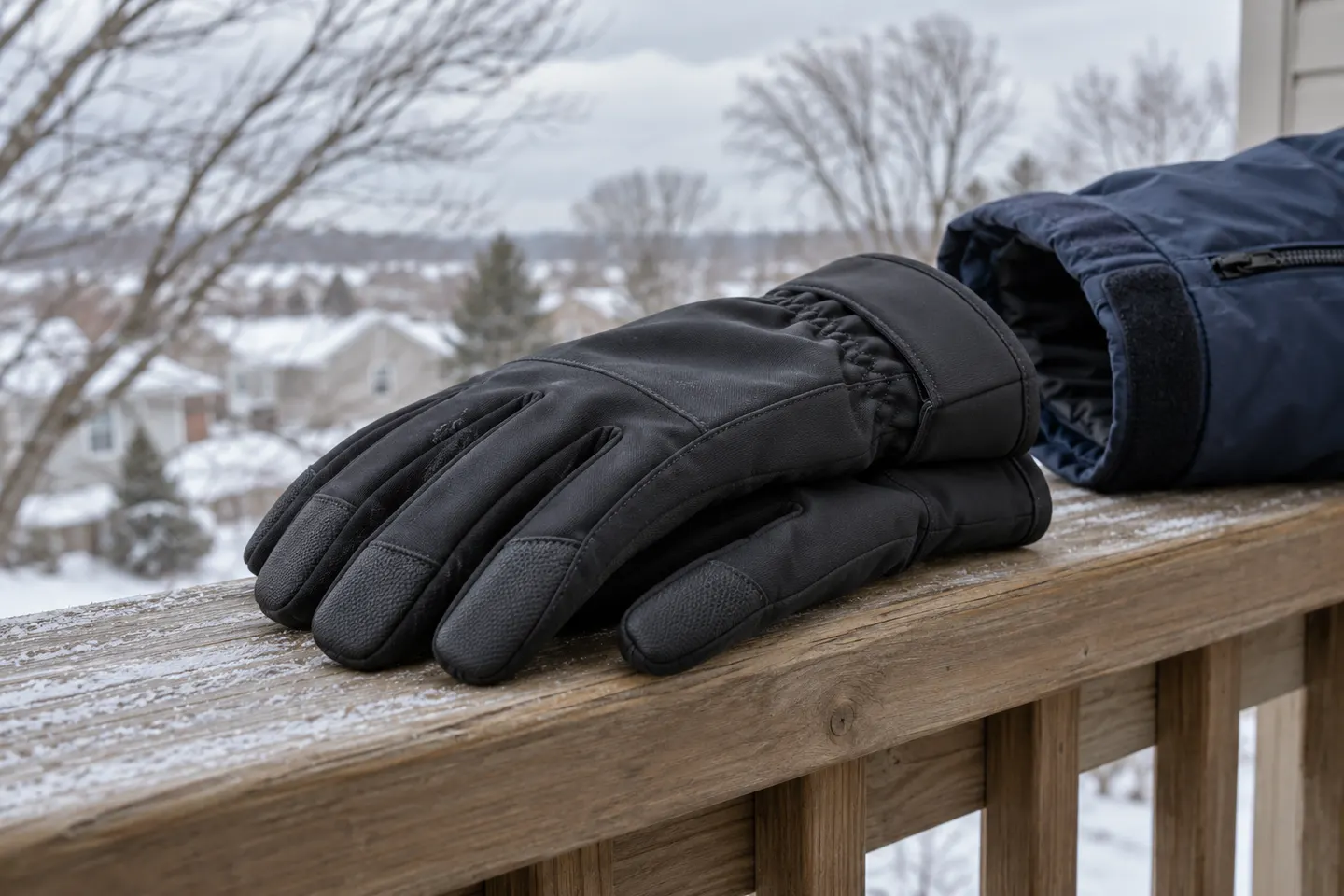
Our picks
Top picks
Official manufacturer image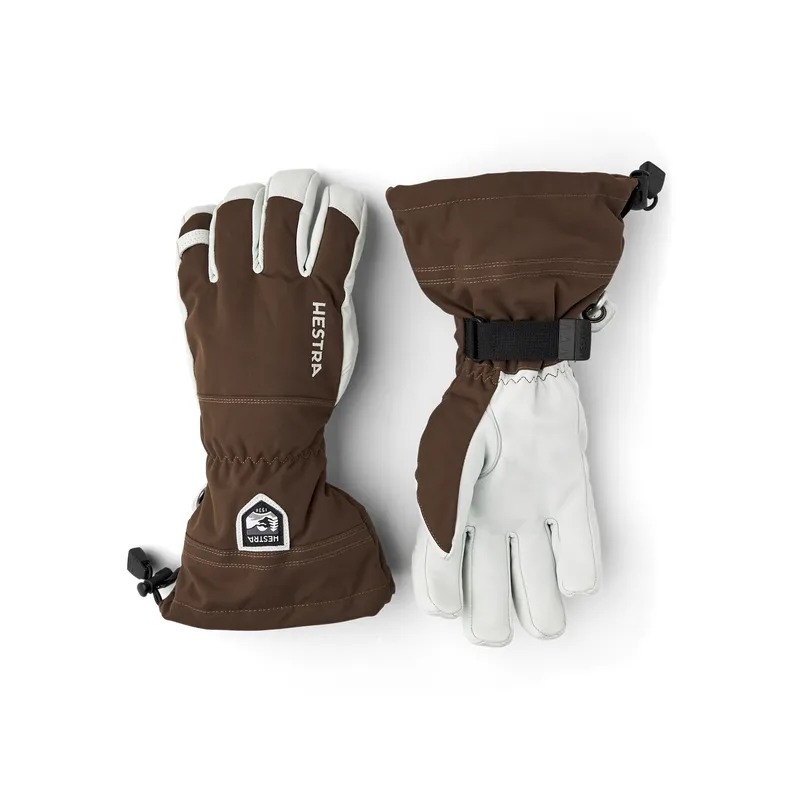 Official manufacturer image
Hestra Army Leather Heli Ski - 5 finger
Check price on Amazon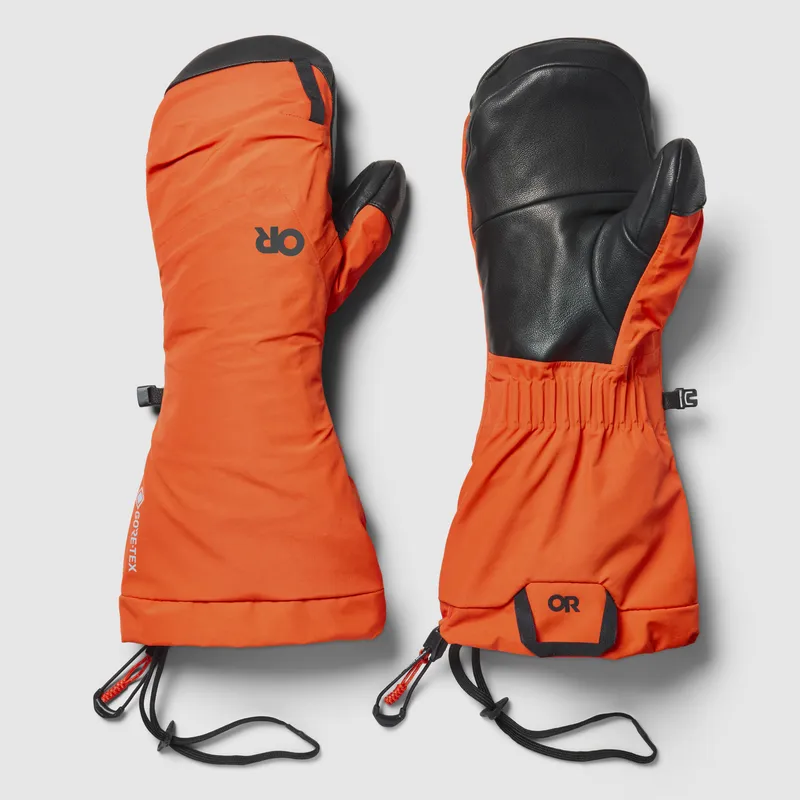 Official manufacturer image
Outdoor Research Alti II GORE-TEX Mitts
Check price on AmazonBy activity
 Windproof cycling
By feature and material
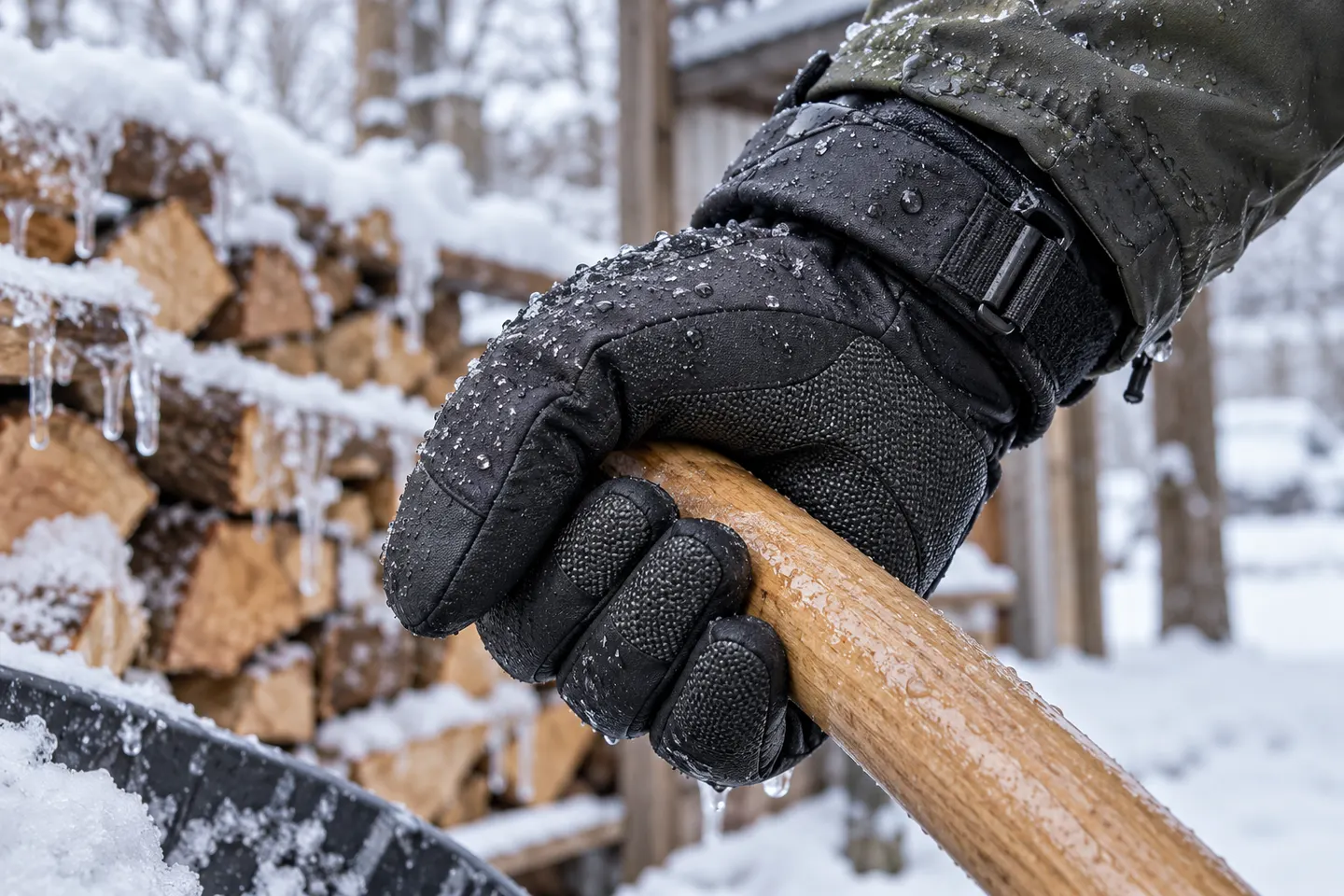 Ultimate waterproof windproof non slip
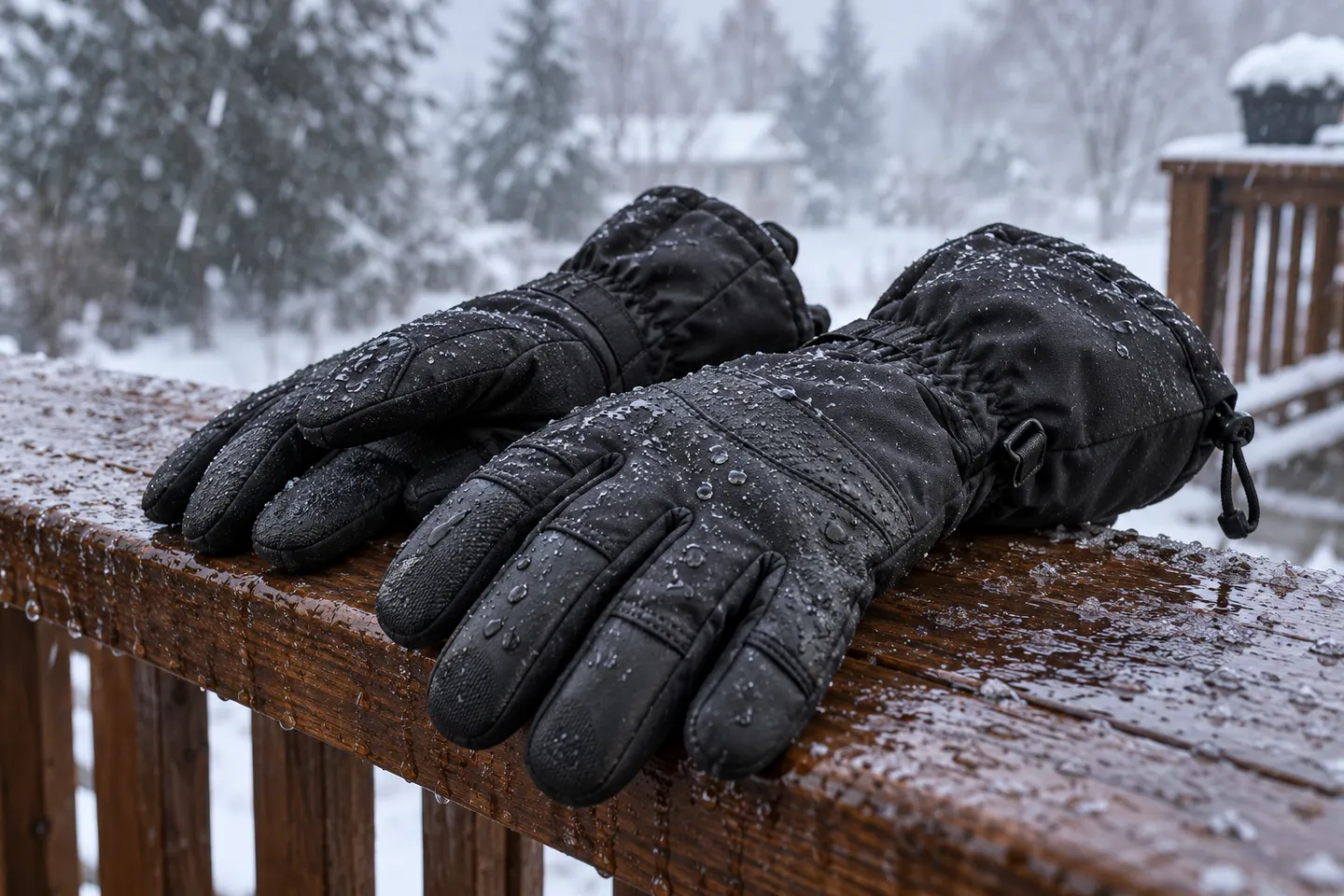 Ultimate waterproof windproof
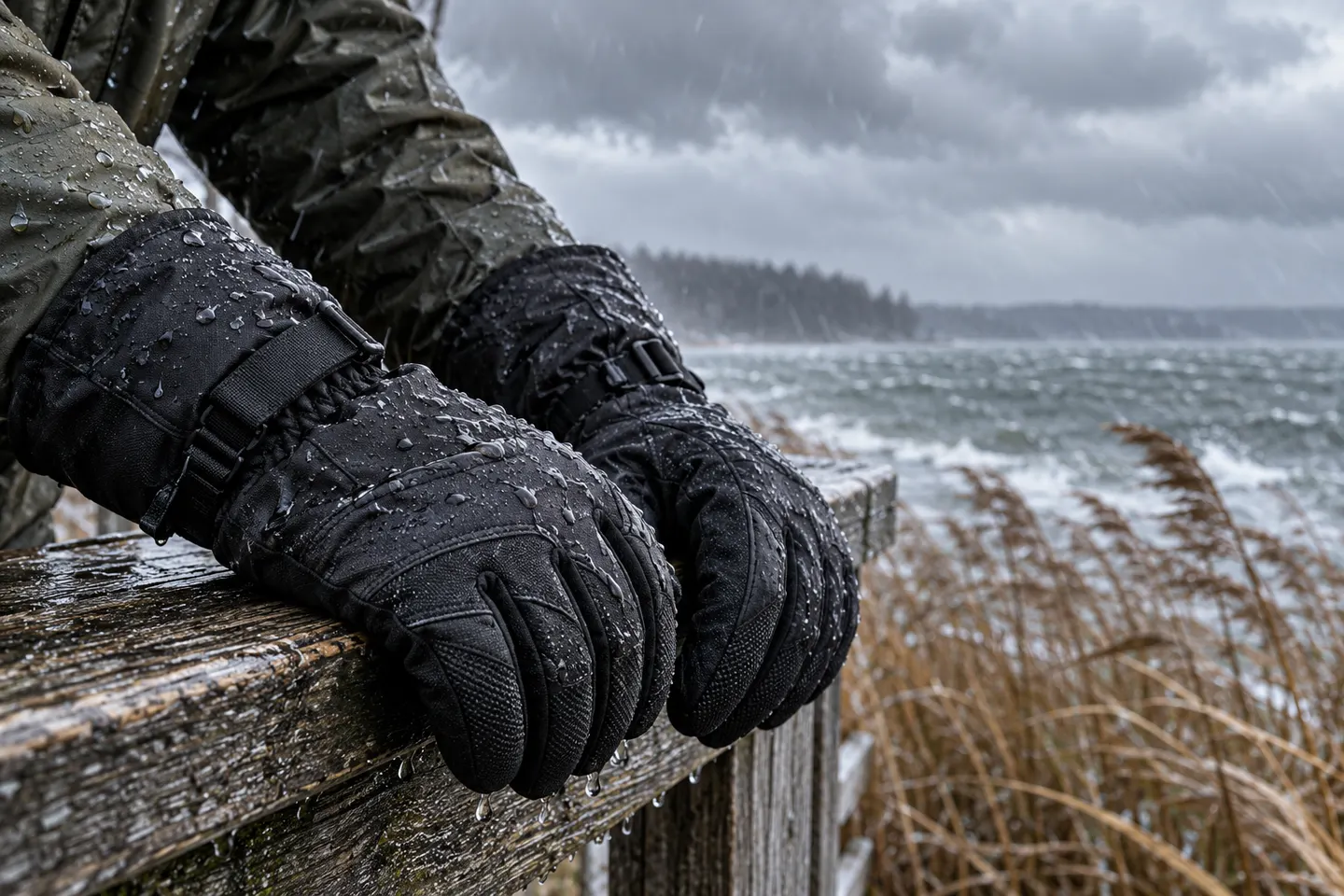 Waterproof windproof
Common questions
Questions before you buy
What makes winter gloves windproof?
A tightly woven shell or membrane can reduce air passing through the glove. Check the manufacturer's description because wind resistance is distinct from waterproof construction.
Are windproof thermal gloves waterproof?
Not necessarily. Thermal insulation retains warmth and a wind barrier reduces drafts; waterproofing requires separate construction such as a membrane or insert.
Are windproof gloves warmer than fleece gloves?
A windproof shell can reduce heat loss in breezy conditions, while fleece adds insulation. Which feels warmer depends on layering, fit, activity and moisture.
Can I layer windproof gloves over liners?
Yes, if the outer size leaves room without compressing the liner or restricting movement. A snug system can be more versatile across changing conditions.