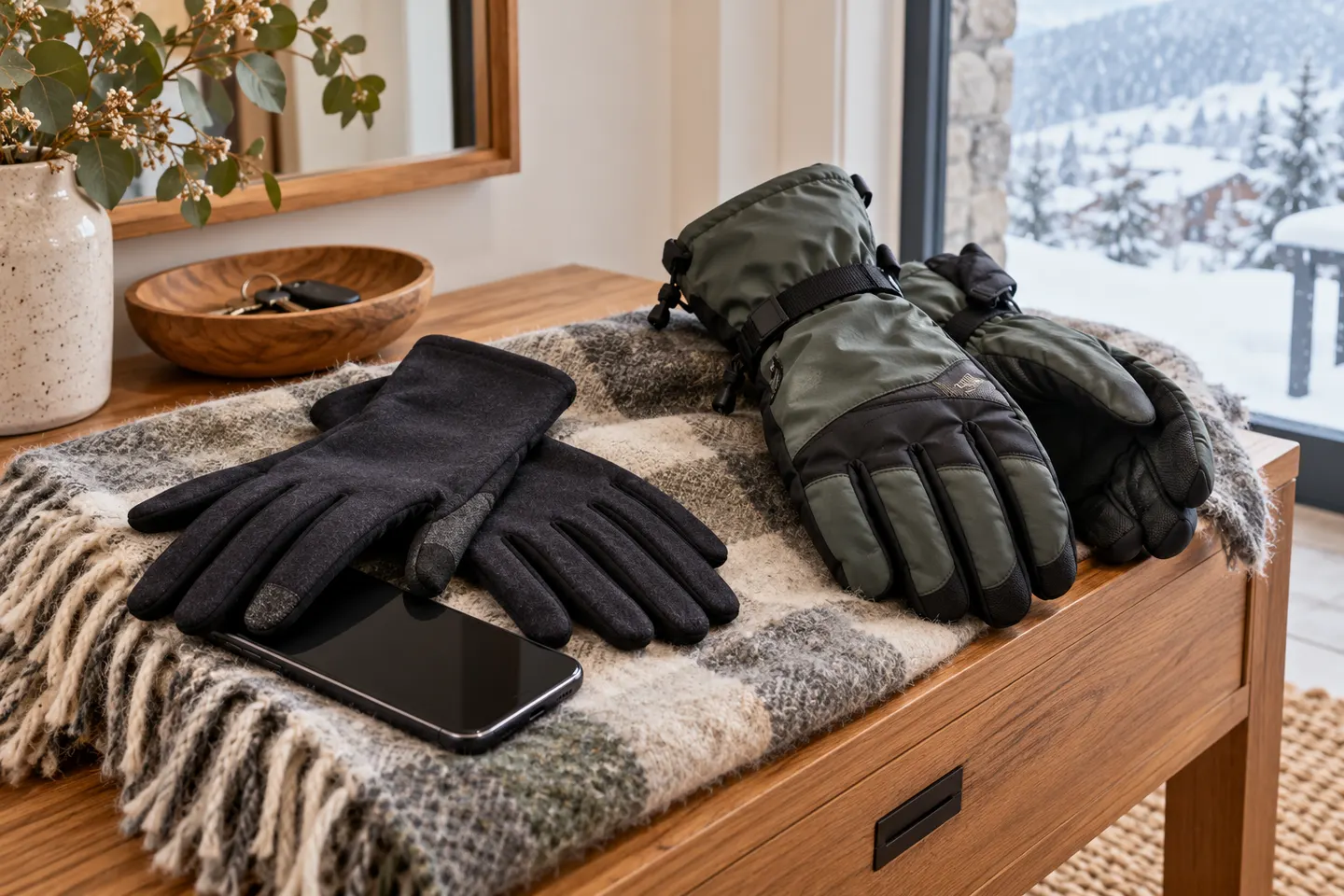
Best Women’s Winter Gloves for Snow and Everyday Cold
Hestra Army Leather Heli Ski suits snow and adjustable layering; Black Diamond Guide Gloves offer a waterproof insert, while Nike’s fleece style is lighter for daily use.

 Best picksGood Meat Thermometers for Every Kind of Cook
 Best picksBest WiFi Extenders: Which Range Extender Should You Buy?
 Best picksBest Dash Cams for Cars in 2026
 Best picksBest Radar Detectors for Cars: Models Compared
 Best picksGood Winter Gloves for Cold Weather: Five Useful Picks
 Best picksBest Headlamps: Six Lights Compared for Different Uses
 Best picksTop 10 Best Battery-Powered Weed Eaters for Different Yards
 Best picksBest Portable Air Coolers for Patios, Workshops and Small Spaces (2026)
 Best picksBest Air Purifier for Bedroom in the US: Quiet Models Compared
Start here
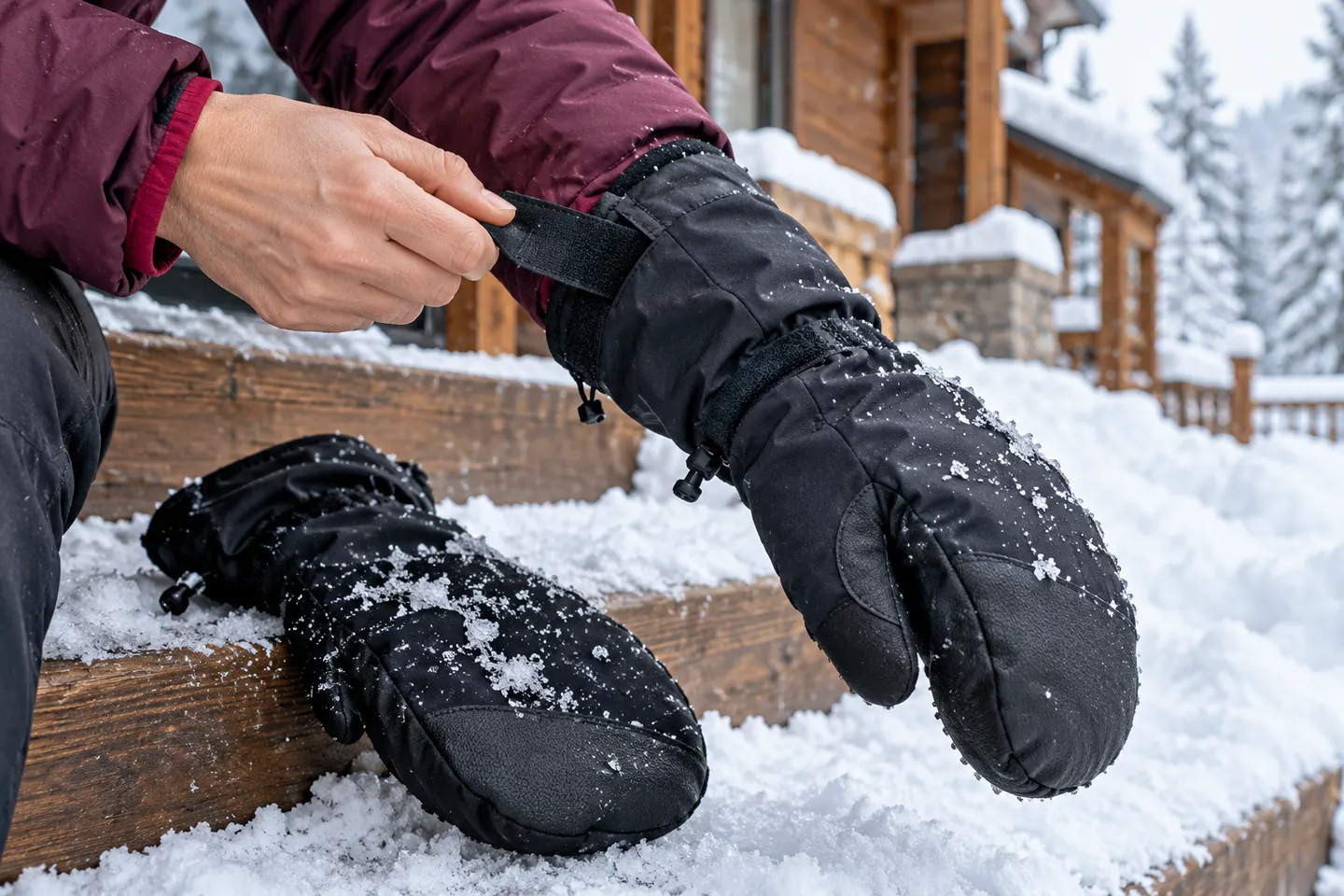
Hestra Army Leather Heli Ski suits snow and adjustable layering; Black Diamond Guide Gloves offer a waterproof insert, while Nike’s fleece style is lighter for daily use.
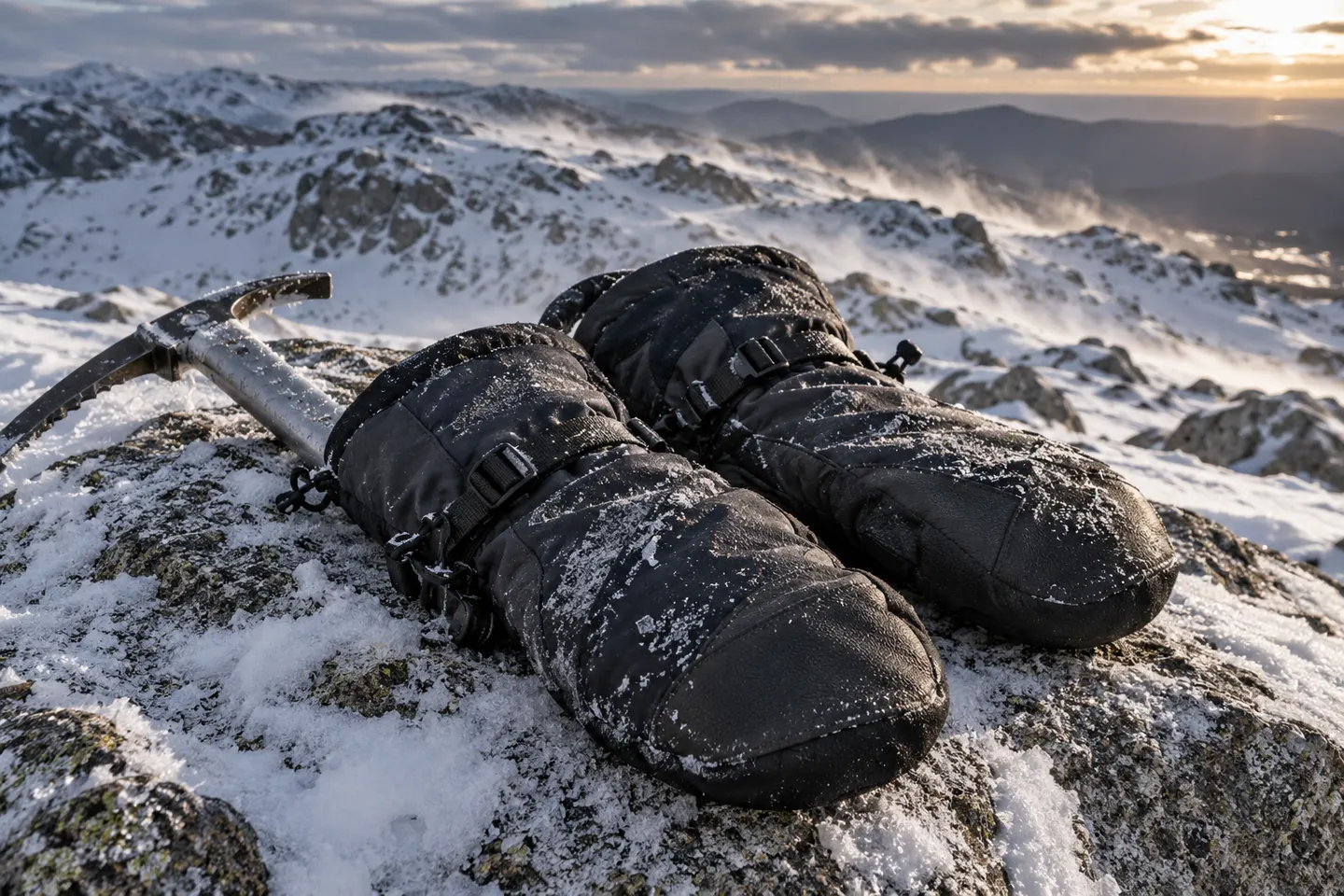
For prolonged cold, Hestra’s Army Leather Heli Ski 3-finger has a removable lining and windproof construction. Seirus Whiteout gives you a removable inner glove and waterproof shell.
Our picks
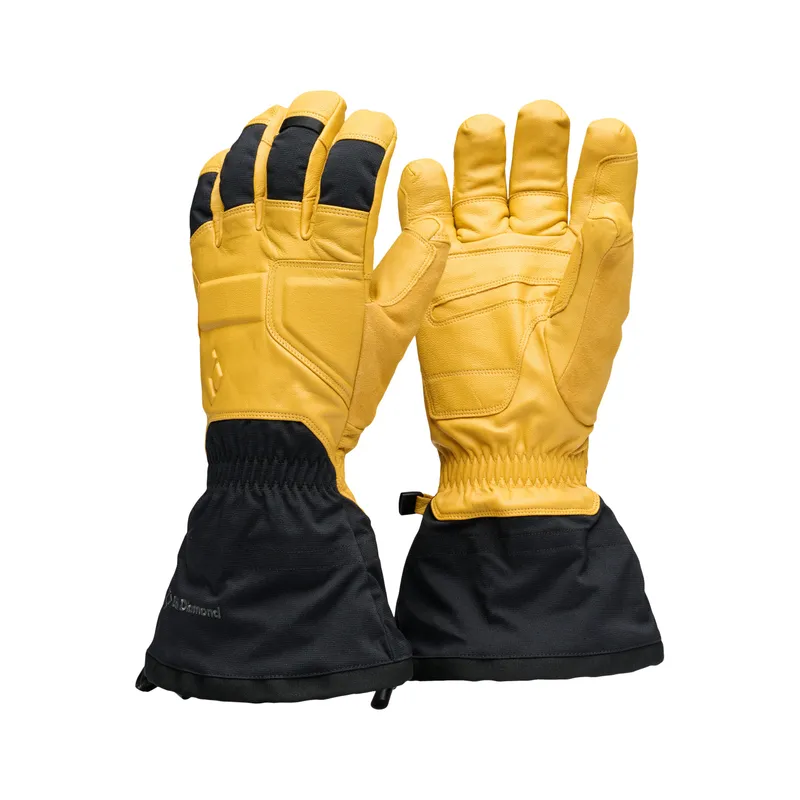 Official manufacturer image
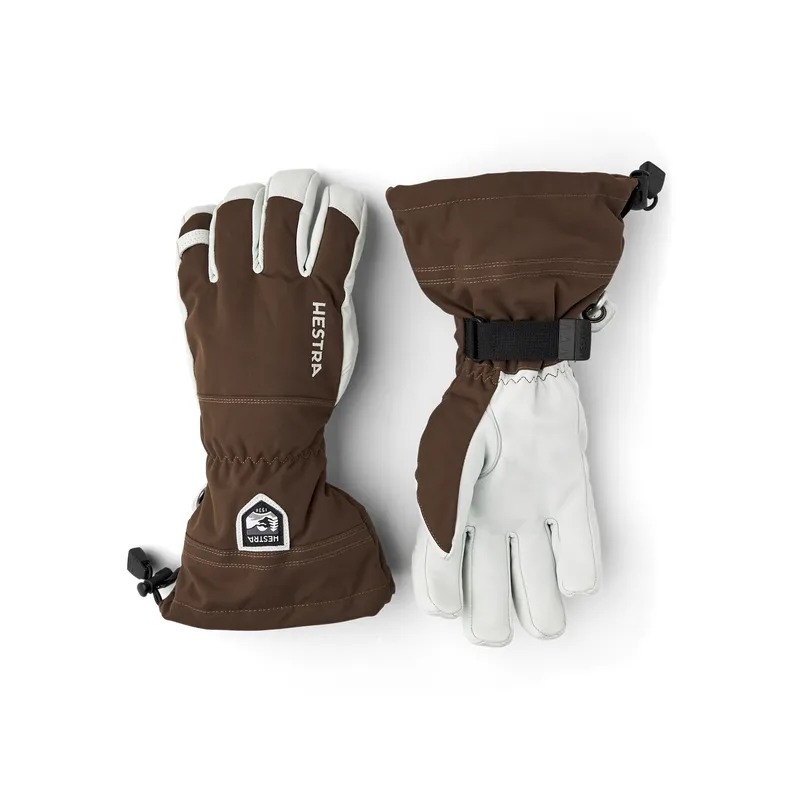 Official manufacturer image
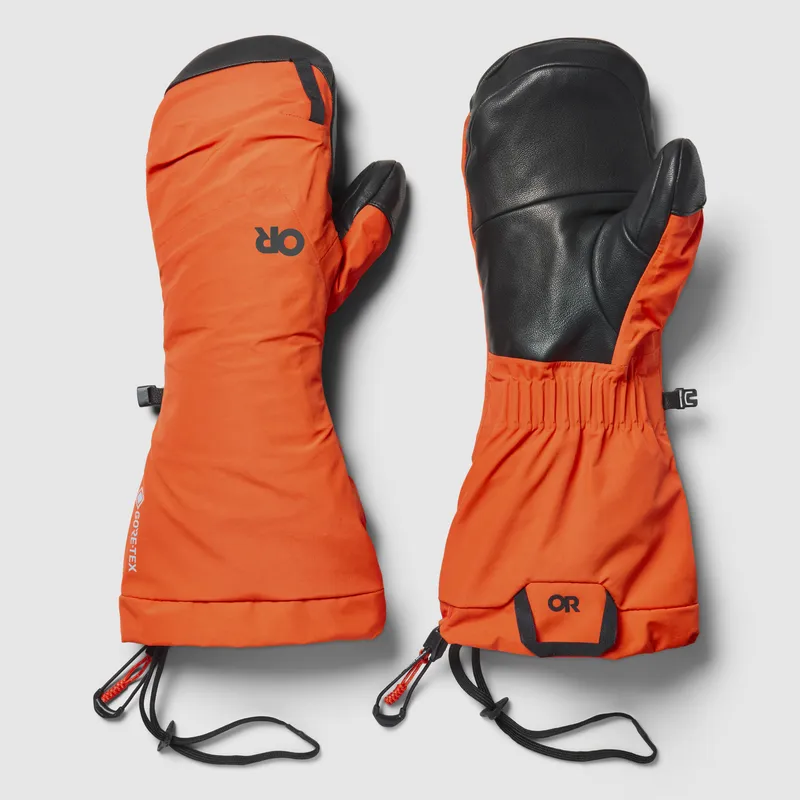 Official manufacturer image
Best picks
Hestra Army Leather Heli Ski suits snow and adjustable layering; Black Diamond Guide Gloves offer a waterproof insert, while Nike’s fleece style is lighter for daily use.
For prolonged cold, Hestra’s Army Leather Heli Ski 3-finger has a removable lining and windproof construction. Seirus Whiteout gives you a removable inner glove and waterproof shell.
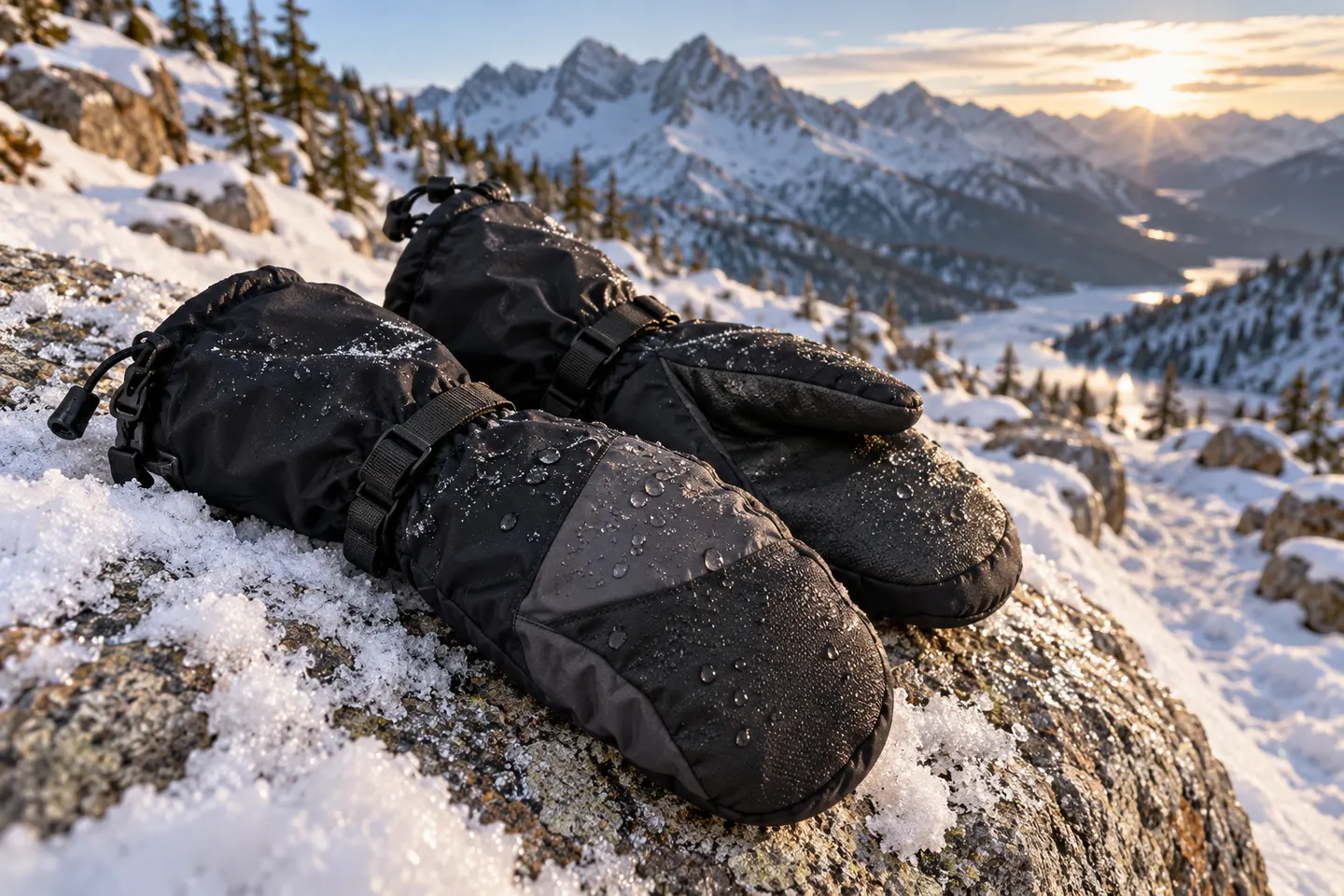
For cold, wet days, start with a waterproof shell and substantial insulation. Burton GORE-TEX Deluxe Gloves are a strong feature-led option; the standard GORE-TEX Gloves and leather Gondy model suit different cuff and palm preferences.
Common questions
Look for substantial insulation, wind protection, coverage at the wrist and a fit that leaves room for movement. Waterproofing is important for wet snow; a mitten can increase warmth when dexterity is less important.
Mittens generally let fingers share warmth and are often warmer, but make separate finger movements difficult. Choose a five-finger design when precise handling is essential.
For snow, sleet or wet conditions, waterproof construction helps keep insulation dry. In dry cold, a wind-resistant glove may be sufficient, depending on exposure and activity.
They can add adjustable warmth, but compare battery operation, weather protection and fit. A heated glove still needs suitable insulation and a reliable outer shell for the conditions.
 Women
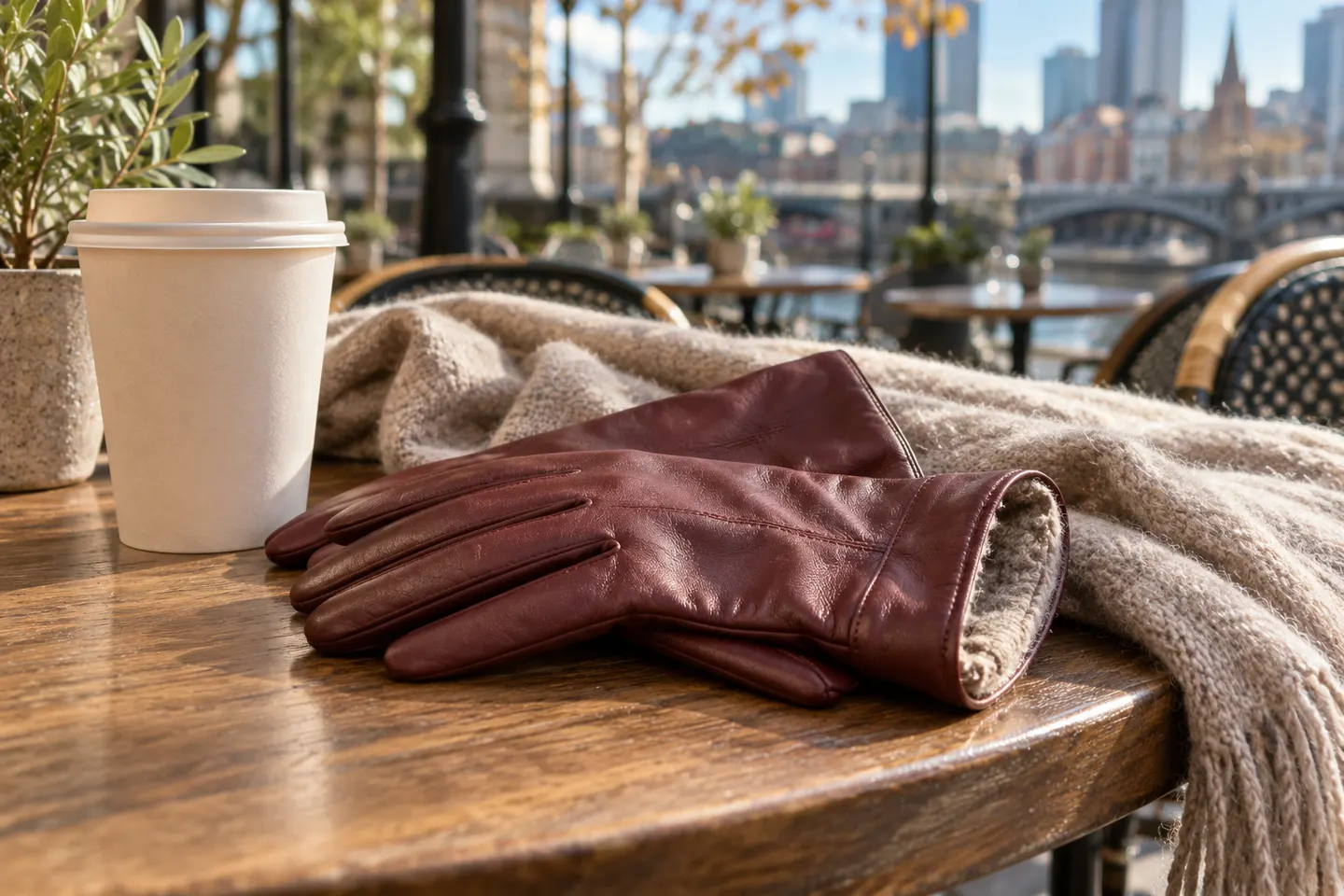 Leather women
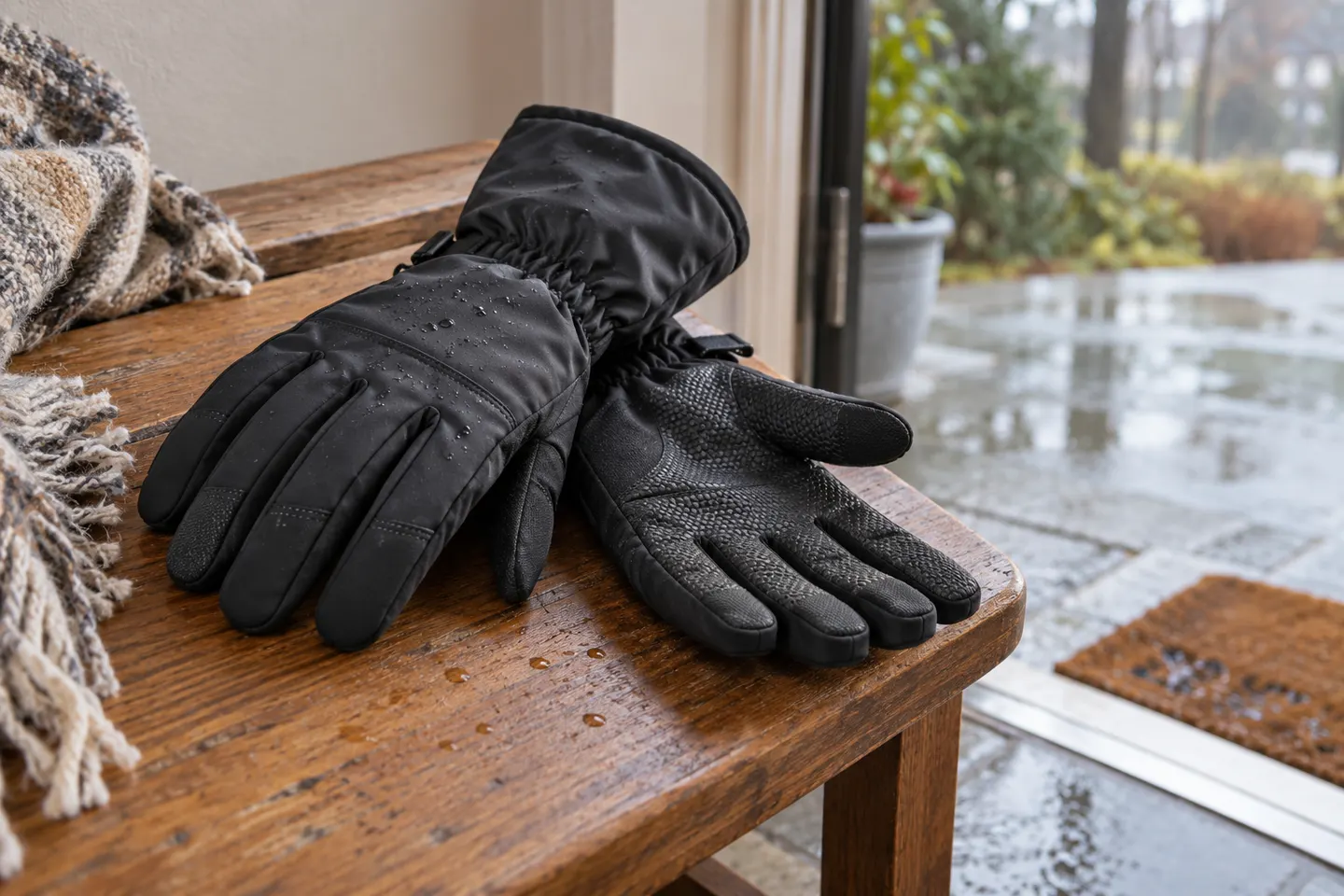 Waterproof women
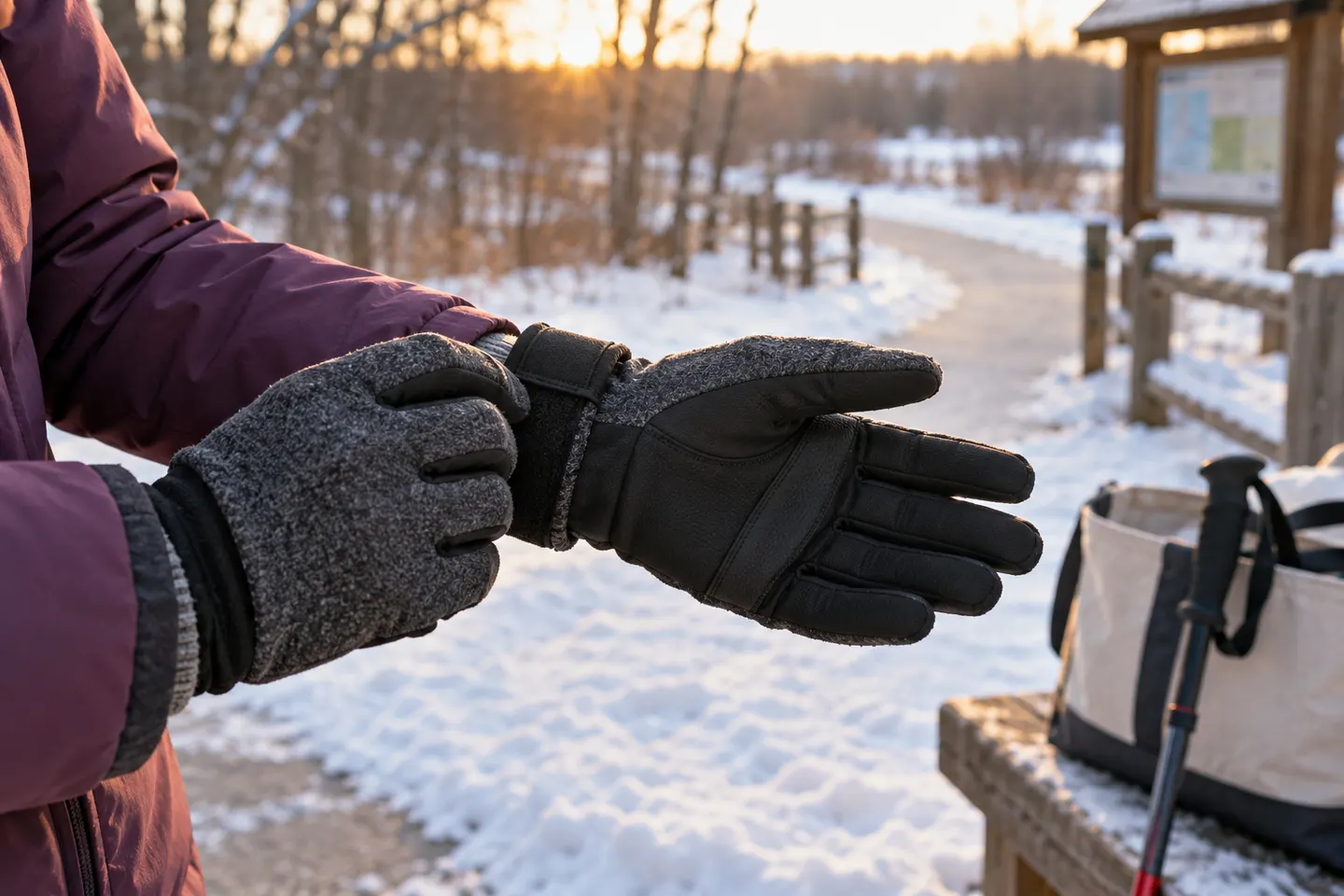 Wear women