
Independent buying guidance · Canada editionHow we work
Gearjury
All categories
All categories
Best picksThe Best Dash Cam Cameras for Different Drivers
Best picksBest WiFi Extenders in Canada for Different Home Networks
Best picksBest Meat Thermometers in Canada for 2026
Best picksBest Winter Gloves for Canadian Conditions (2026)
Best picksBest Headlamps: Compare Reliable Options for Canada
Best picksRadar Detector Best Picks for Canadian Drivers (2026)
Best picksBest Portable Air Coolers to Consider in 2026
Best picksBest cordless grass trimmers with a battery and charger
Best picksBest Air Purifier for Bedroom in the Canada: Quiet Models Compared
CanadaEnglish

Gearjury may receive a commission if you purchase through a retailer link; this does not change our editorial criteria.

Guide

Which Dashcam Is Best for Your Car?

For most drivers, the best fit is a discreet front-and-rear camera with dependable loop recording, a supercapacitor and an app that makes clips easy to retrieve. Rideshare drivers may benefit more from an interior channel, while parked-car coverage requires a compatible power setup.

Which Dashcam Is Best for Your Car?
01

Which dashcam to get for everyday driving

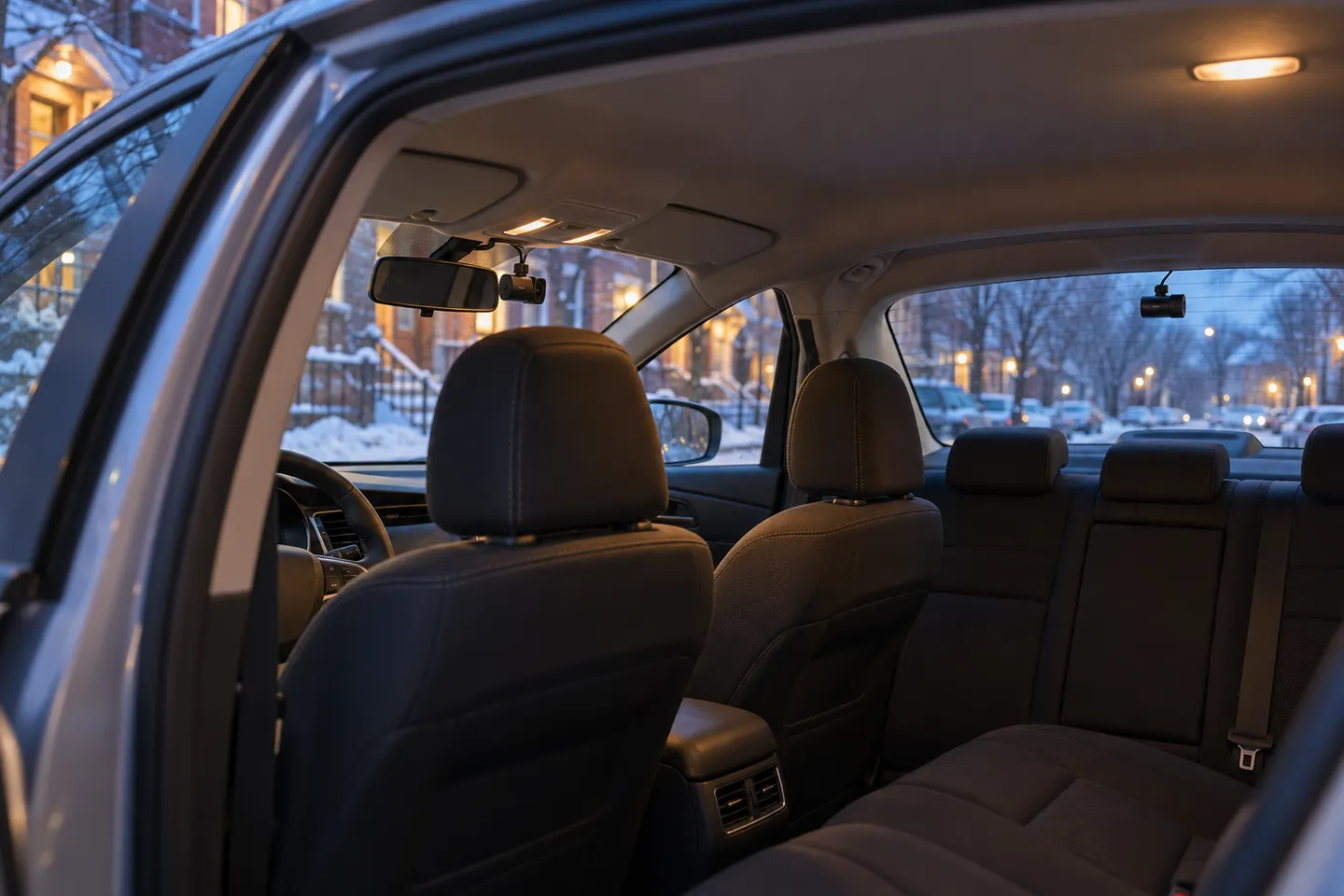
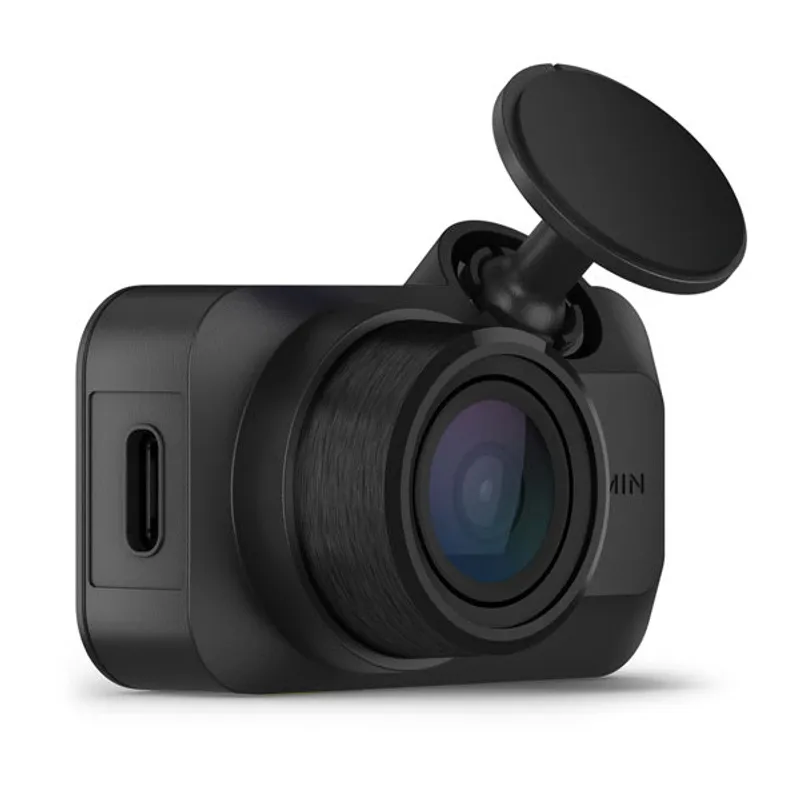
Start with the coverage you will actually use. A single front camera is simplest; front-and-rear records approaches from both directions; a cabin channel adds context for rideshare or family vehicles. More channels also mean more wiring and storage demand.
02

Prioritize readable evidence over headline resolution

Resolution alone does not ensure a useful plate image. Sensor, lens, exposure processing, mounting angle and motion all matter. Compare published sample footage in daylight and darkness, and look for HDR when headlights or deep shadows are common.

03

Choose storage that suits continuous recording

Confirm the maker's maximum card capacity and required speed class. Continuous rewriting is demanding, so use a compatible high-endurance card and follow the manual's formatting schedule. Keep a spare card reader for retrieving a locked clip.

04

Decide whether parking mode matters

Parking surveillance generally needs a hardwire kit or dedicated battery accessory. Check whether the system offers low-voltage protection, buffered recording and a mode suited to where you park; installation complexity should be part of the buying decision.

05

Plan for Canadian temperature swings

Check the published operating-temperature range rather than assuming every camera suits winter cold or a sun-heated cabin. A supercapacitor is commonly chosen for temperature tolerance, but the complete camera still has maker-defined limits.

06

Assess the app before choosing

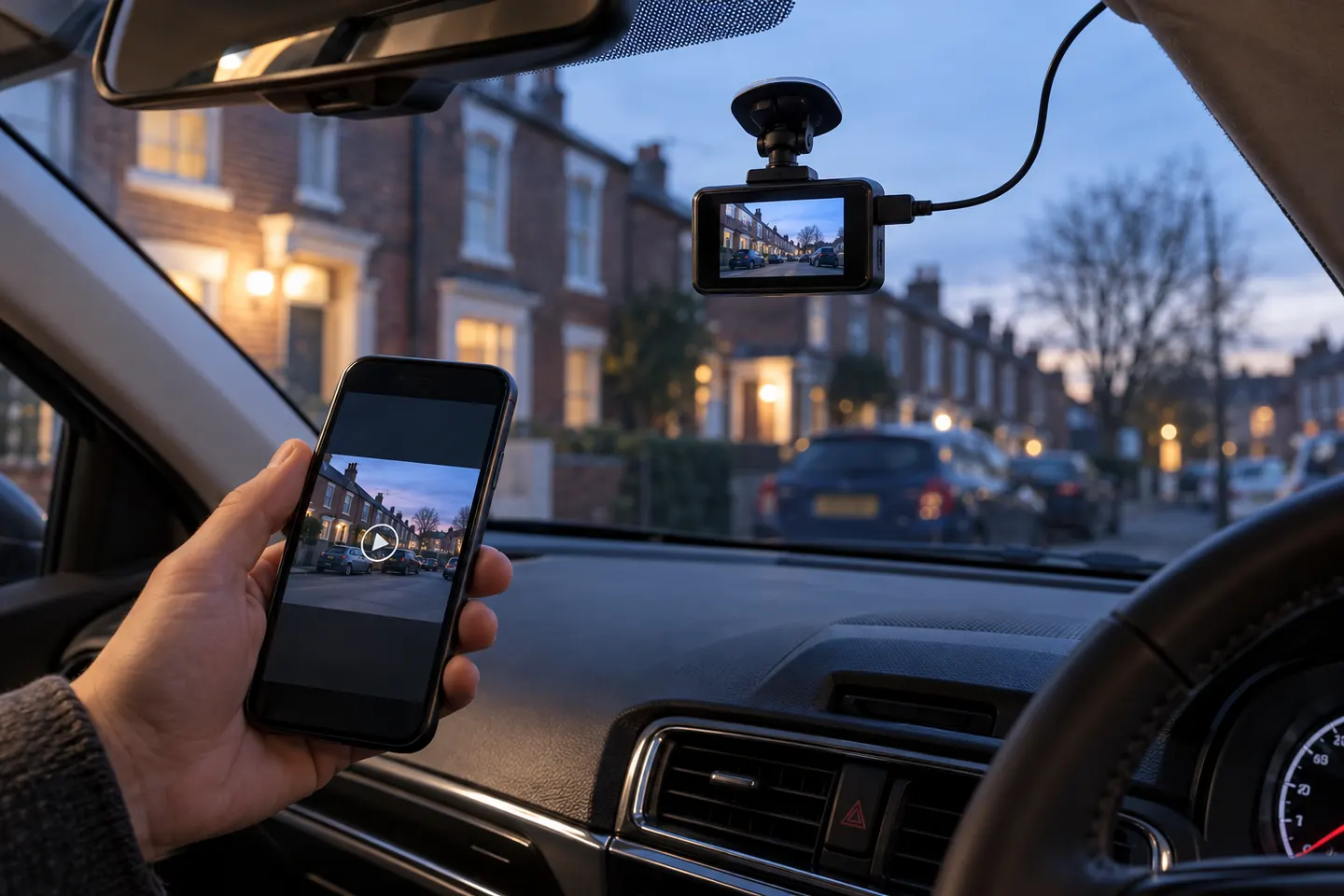
A good app should let you locate, preview and export an incident clip without unnecessary steps. Also check whether core recording continues without cloud service, whether GPS is built in or optional, and how firmware updates are delivered.

Common questions

Questions before you buy

Which dashcam should I get?

Choose by coverage first: front-only for simplicity, front-and-rear for broader road evidence, or a cabin channel for interior context. Then check low-light footage, storage compatibility and operating temperature.

Is a front and rear dash cam worth it?

It is useful when you want evidence of rear impacts or events behind the vehicle. The trade-offs are extra wiring, installation time and greater storage use.

Do I need a dash cam with parking mode?

Only if unattended-car recording solves a real need. Confirm the required hardwire kit, low-voltage cutoff and local privacy considerations before selecting it.

Is a supercapacitor better for a dash cam in Canada?

It can be a sensible choice for temperature resilience, but it does not make a camera immune to extreme cold or heat. Use the model's stated operating range as the deciding specification.

Sources and how we chose