Gearjury may earn a commission when you buy through a retailer link. Editorial content remains independent.
Guide
Which Dashcam Is Best for Your Car in Australia?
The best choice is the camera you can power safely, position legally and retrieve footage from quickly. Start with coverage and parking needs before comparing resolution.
GGearjury editorial team · Updated 15 October 2026· 6 min
01
Which dashcam coverage is best?
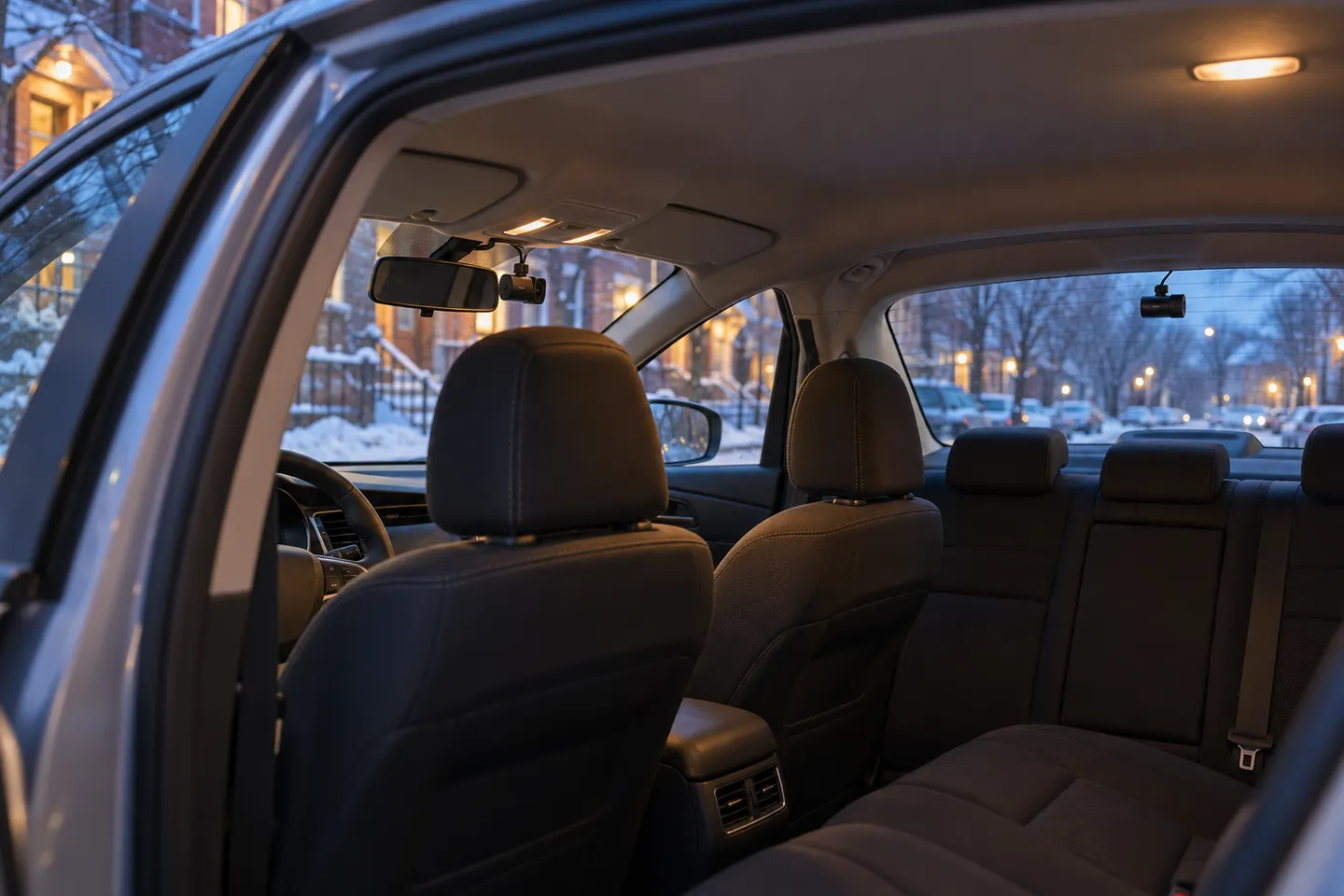
Choose a single front camera for basic road evidence, front-and-rear for incidents behind the car, or a three-channel system when cabin recording has a clear purpose. More channels mean more wiring, storage and footage to manage.
02
How much video quality do you need?
Resolution matters, but it is not a guarantee of number-plate detail. Compare sensor generation, HDR implementation, bitrate, lens angle and published sample footage in daylight and darkness.
03
Do you need parking mode?
Parking surveillance requires constant power and battery protection. Decide whether you need impact-only, buffered event, time-lapse or remote alerts, then budget for the compatible power accessory and installation.
04
Will the dash cam cope with Australian heat?
Read the manufacturer's stated operating range and warranty conditions. A supercapacitor design is commonly chosen for hot cabins, but correct placement and ventilation still matter.
05
How will you retrieve important footage?
A screen is convenient at the roadside, while Wi-Fi can move clips to a phone. Removable microSD storage remains useful for preserving originals; cloud access adds connectivity and account dependencies.
06
Check installation and running requirements
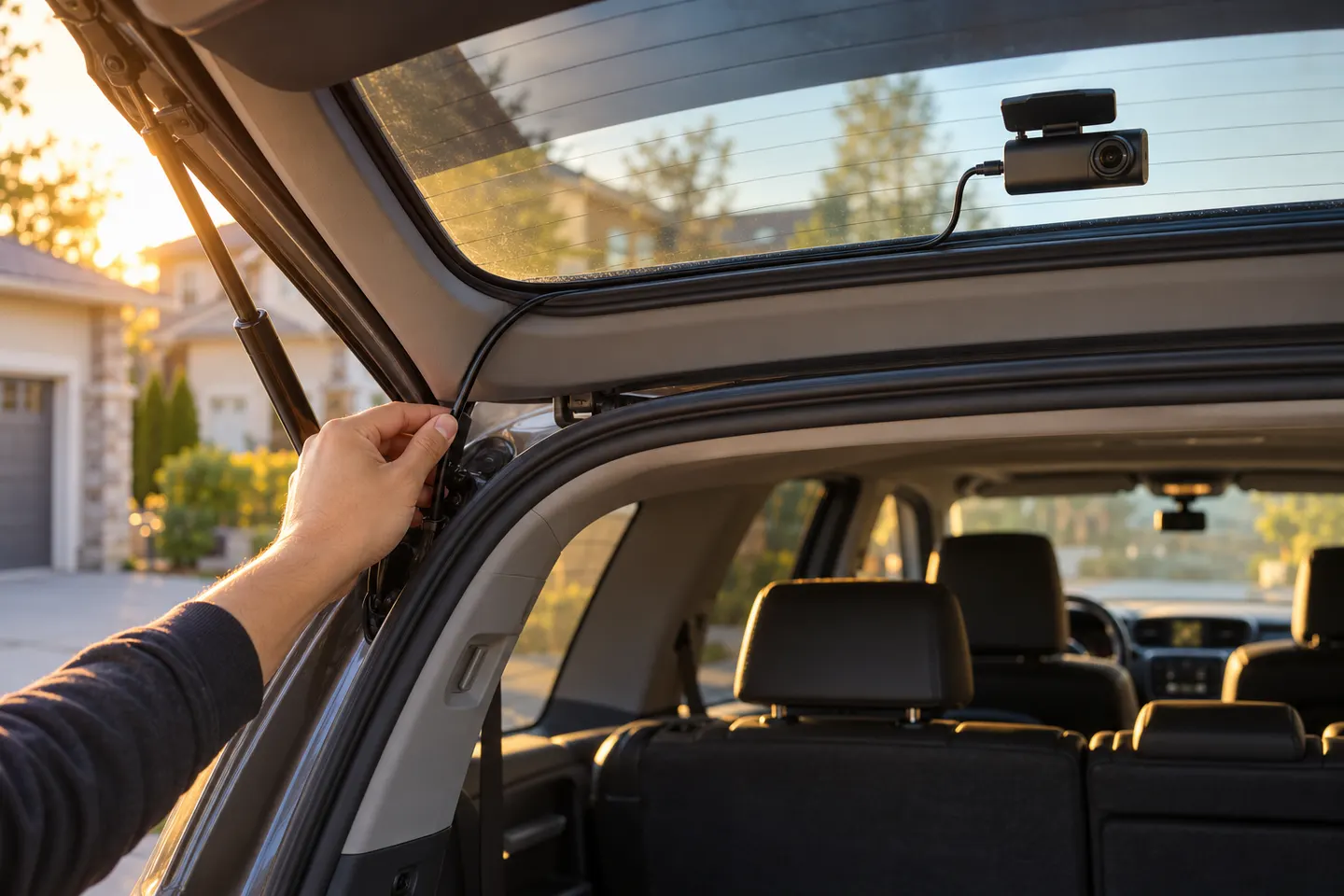
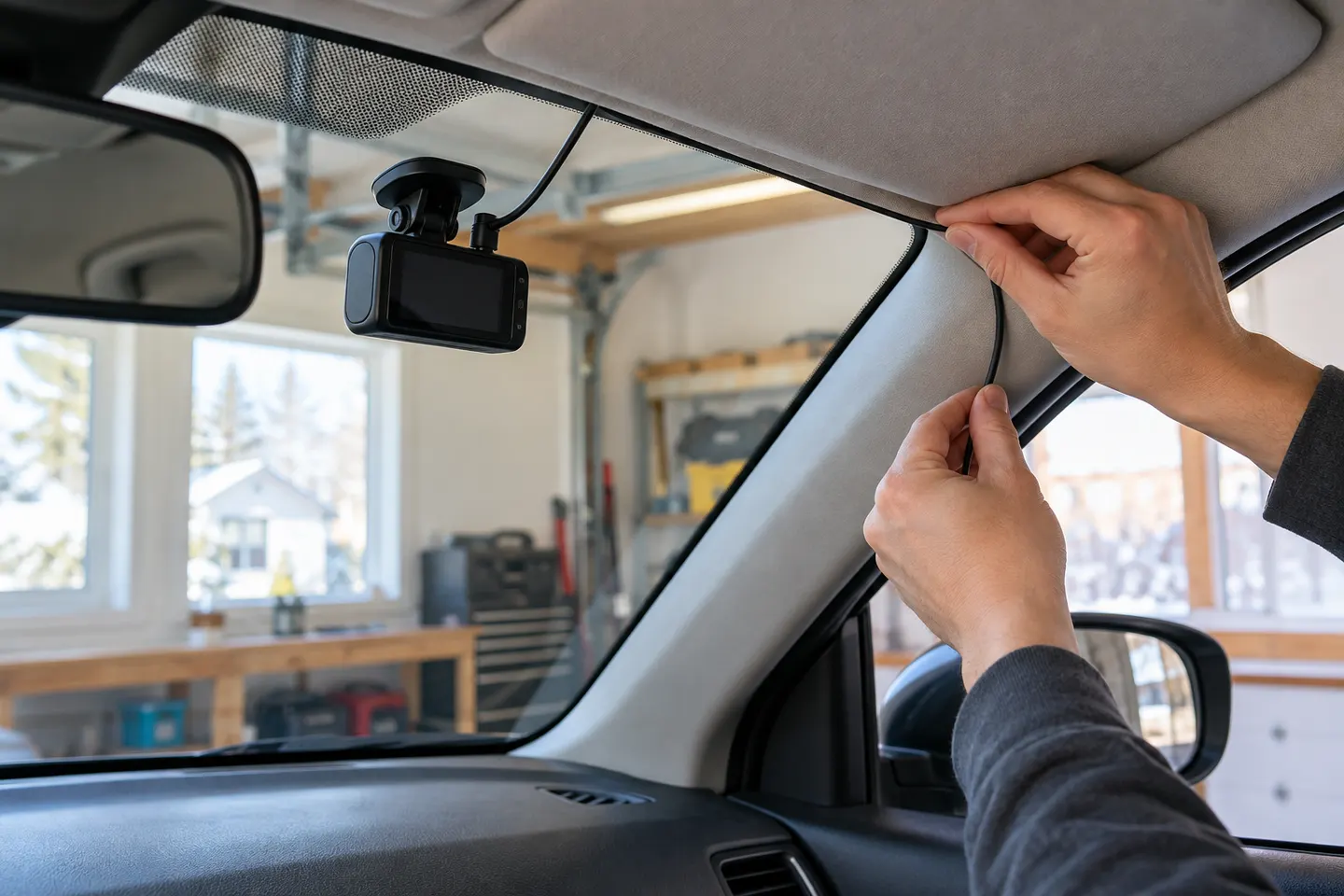
Confirm the memory-card type, cable length, fuse or OBD compatibility, app support and whether rear-camera wiring suits the vehicle. Install the unit without obstructing the driver's view or interfering with airbags.
Common questions
Questions before you buy
Which dashcam is best for most drivers?
A reliable front-and-rear model with clear footage, a suitable memory card and accessible file transfer is the practical default. Add parking mode only with proper power management.
Is a front-only dash cam enough?
It records the most important forward view and may be enough for a simple setup. It cannot show events behind the vehicle or inside the cabin.
Should I buy a 4K dash cam?
Choose 4K when the camera also has good processing, sensible compression and useful low-light performance. Higher resolution alone does not ensure readable plates.
How large should the memory card be?
Use a capacity and endurance rating approved by the camera manufacturer. More channels and higher bitrates shorten the amount of time stored before loop recording overwrites old files.
A two-channel system is the clearest choice when you want evidence from both directions. Prioritise rear-camera quality, cable length and an installation that keeps the driver's view clear.
A plug-in installation suits basic driving recording; professional hardwiring is the safer route for neat cabling and parking mode. Keep every camera and cable clear of vision and airbags.
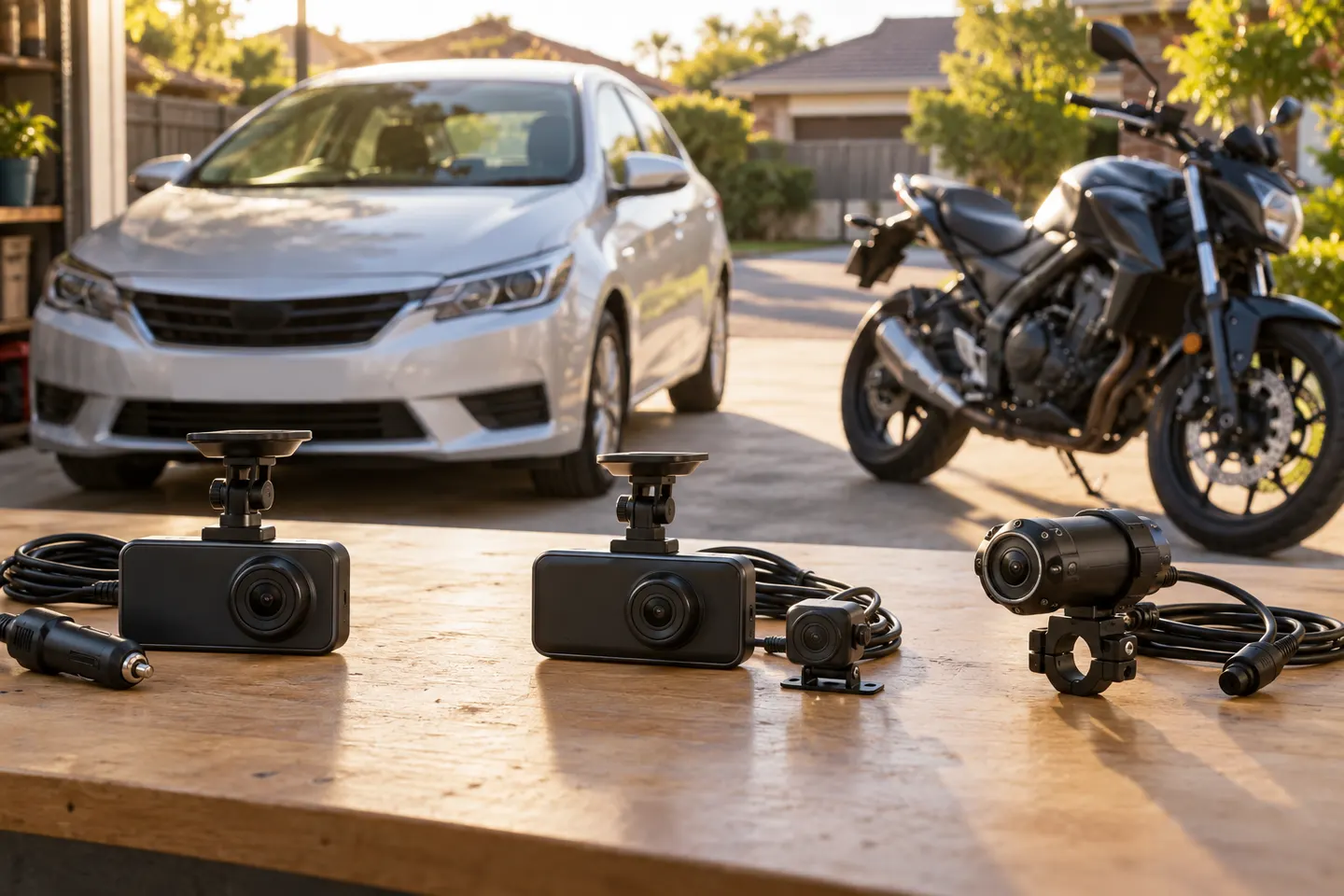
Start with the coverage you need: front-only for simplicity, front-rear for broader evidence, or a dedicated motorcycle system. Then decide how you will power it.
Your privacy
We use cookies and similar technologies. Necessary ones keep the site working. With your permission we also use statistics cookies (Google Analytics and Microsoft Clarity) to understand which guides help readers. You can accept all, reject all or choose. You can change your choice at any time from "Cookie settings" at the bottom of every page. Cookie policy