




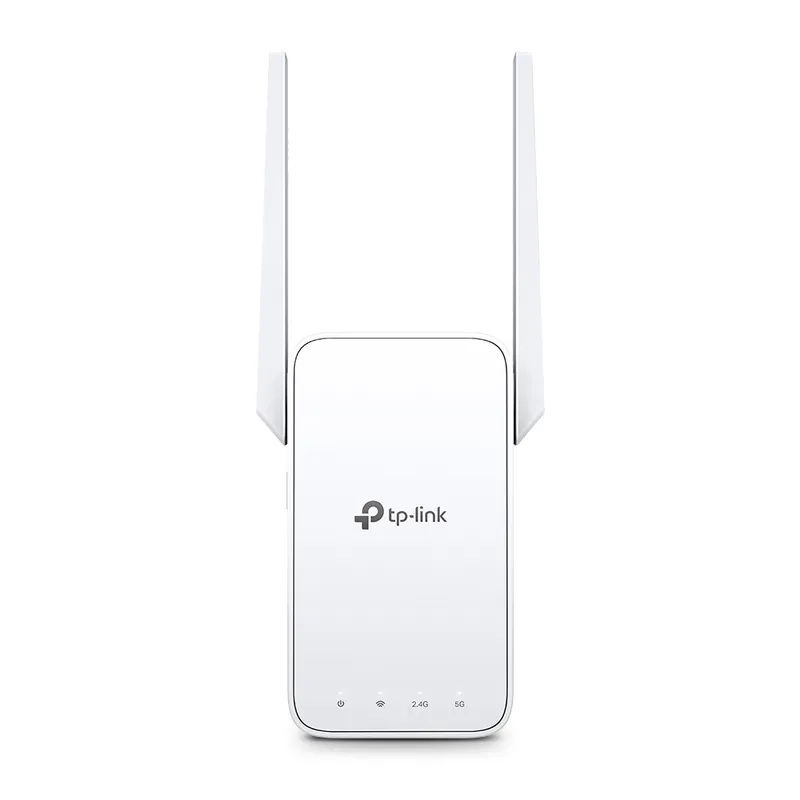
 Official manufacturer image

Our picks
Top picks
Official manufacturer image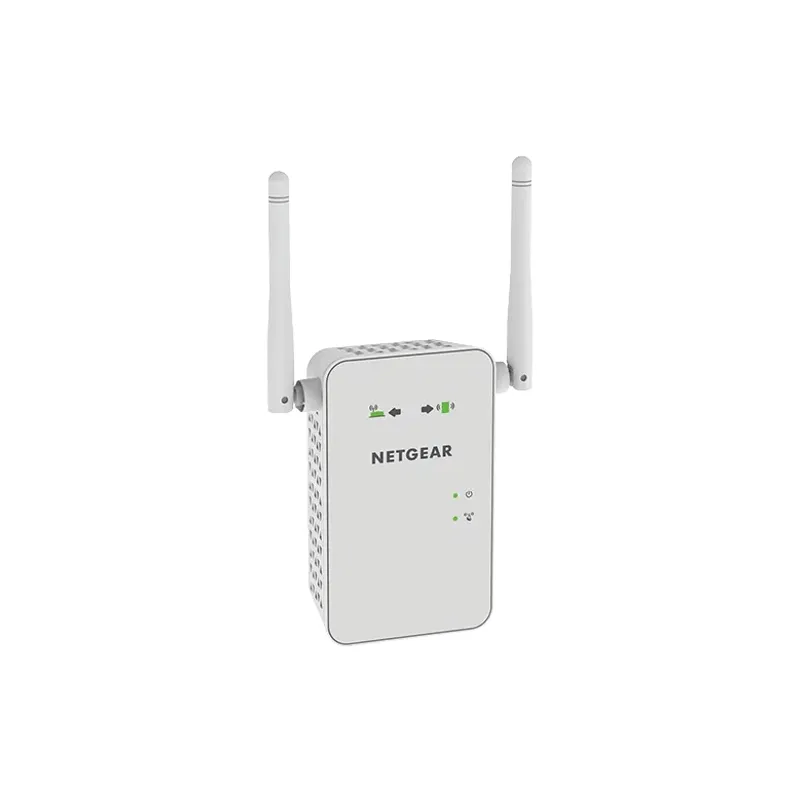 Official manufacturer image
NETGEAR EX6120
Check price on Amazon UK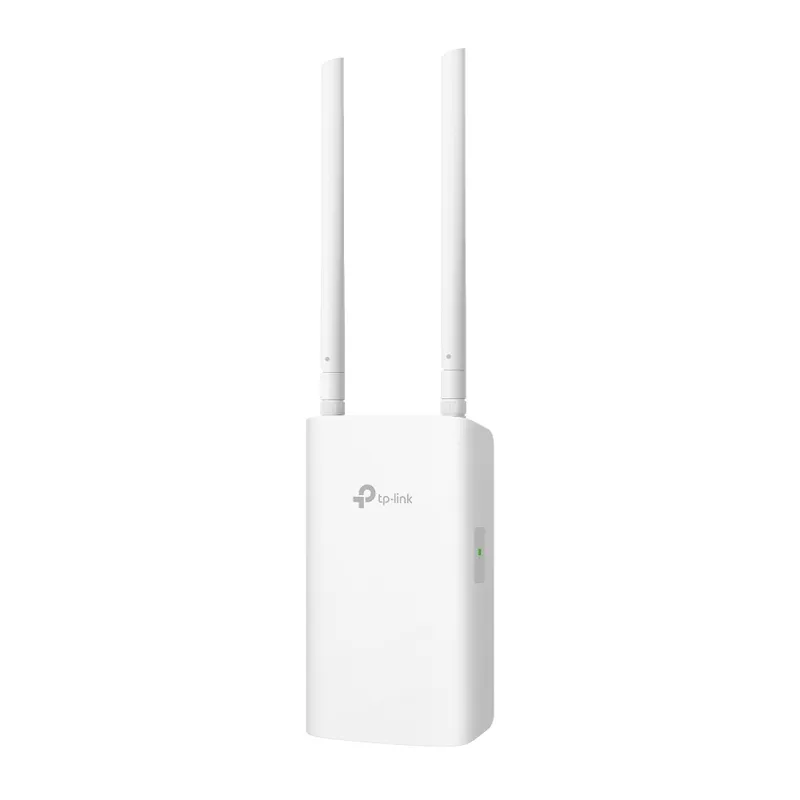 Official manufacturer image
TP-Link RE705X-Outdoor
Check price on Amazon UKCommon questions
Questions before you buy
Does a 5GHz Wi-Fi extender also support 2.4GHz?
Many dual-band models do. TP-Link RE700X and RE315 list both 5GHz and 2.4GHz bands.
Is 5GHz better than 2.4GHz for an extender?
5GHz can offer higher link rates at shorter range; 2.4GHz generally reaches farther through obstacles. Actual results vary with interference and construction.
Can I use a 5GHz extender with any router?
A compatible dual-band extender can connect to many Wi-Fi routers, but features and standards vary. Confirm that your router broadcasts a 5GHz network.
What does N300 mean on a 5GHz extender search?
N300 usually refers to an 802.11n speed class, commonly associated with 2.4GHz equipment. Check the model?s actual band specification rather than relying on a search phrase.