









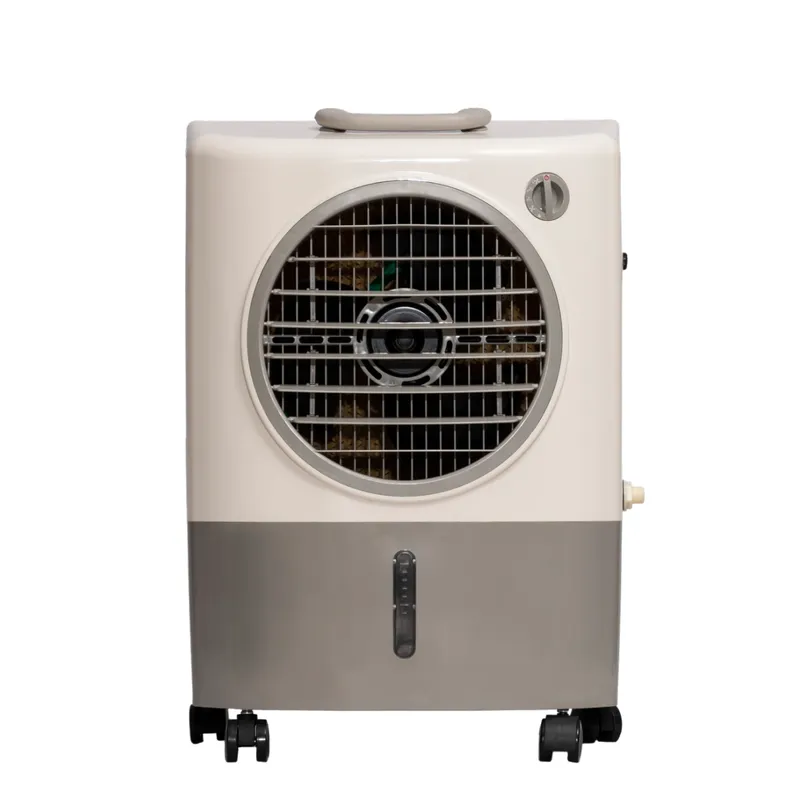
 Official manufacturer image
Our picks
Top picks
Official manufacturer image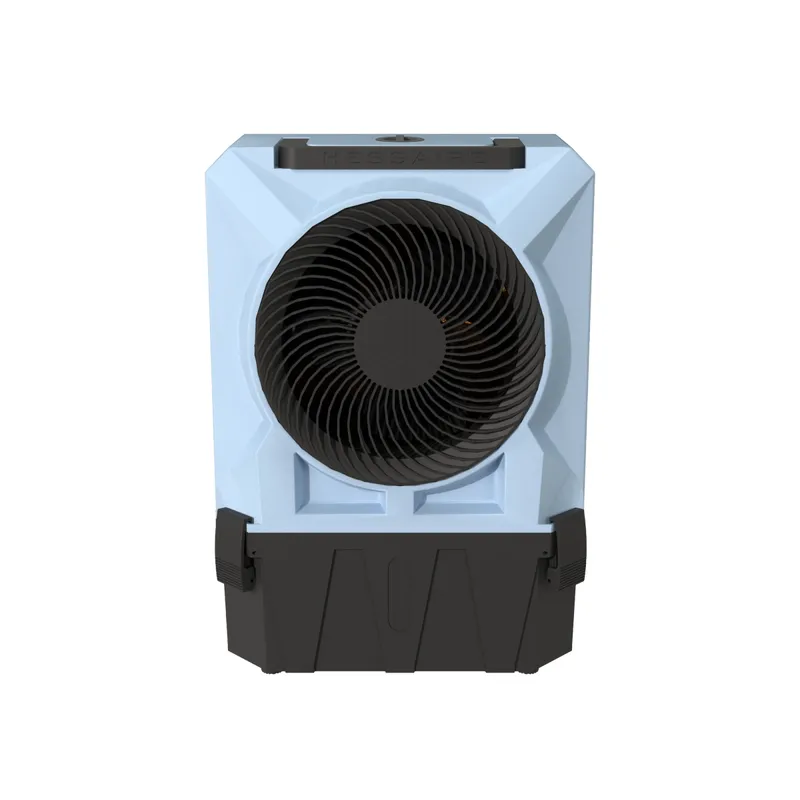 Official manufacturer image
Hessaire MC12V
Check price on Amazon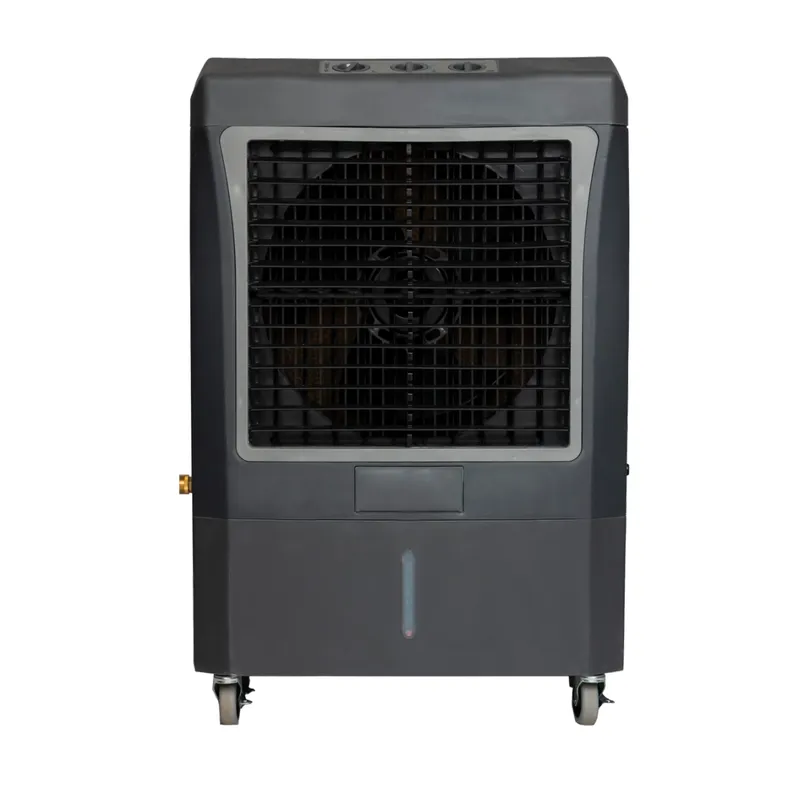 Official manufacturer image
Hessaire MC37M
Check price on AmazonHow-to guides
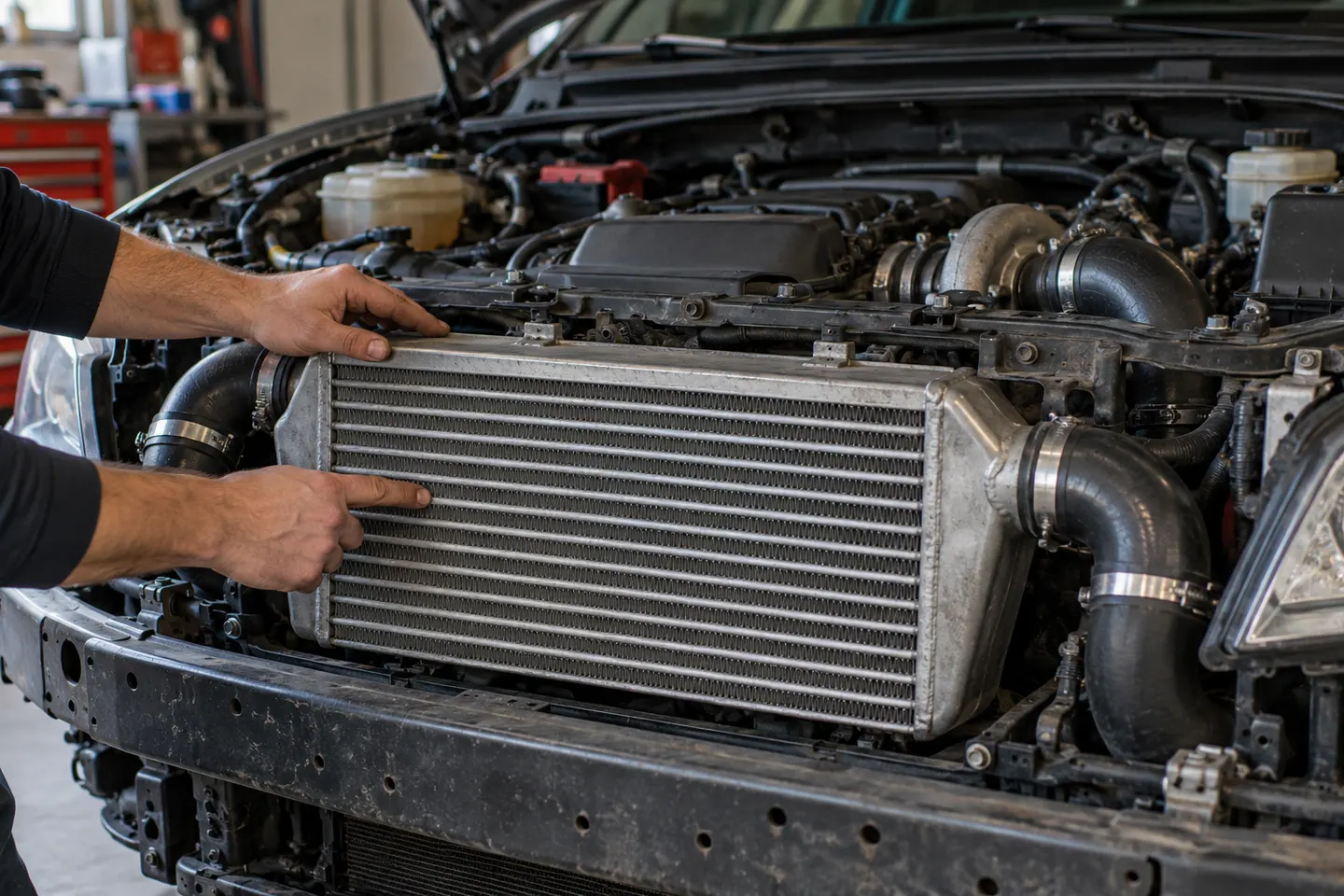 What Is a Charge Air Cooler and What Does It Do?
More topics
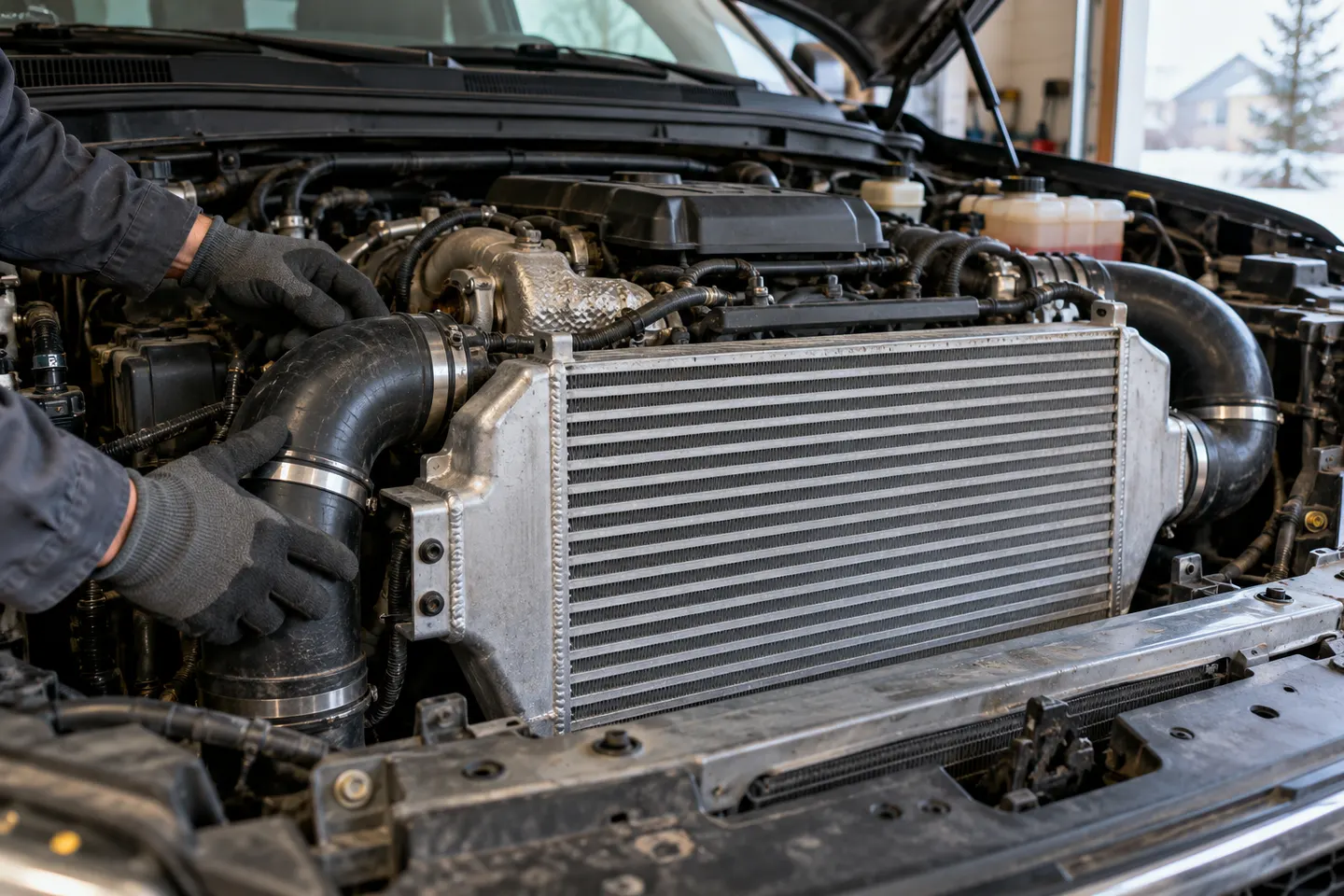 Charge Air Cooler
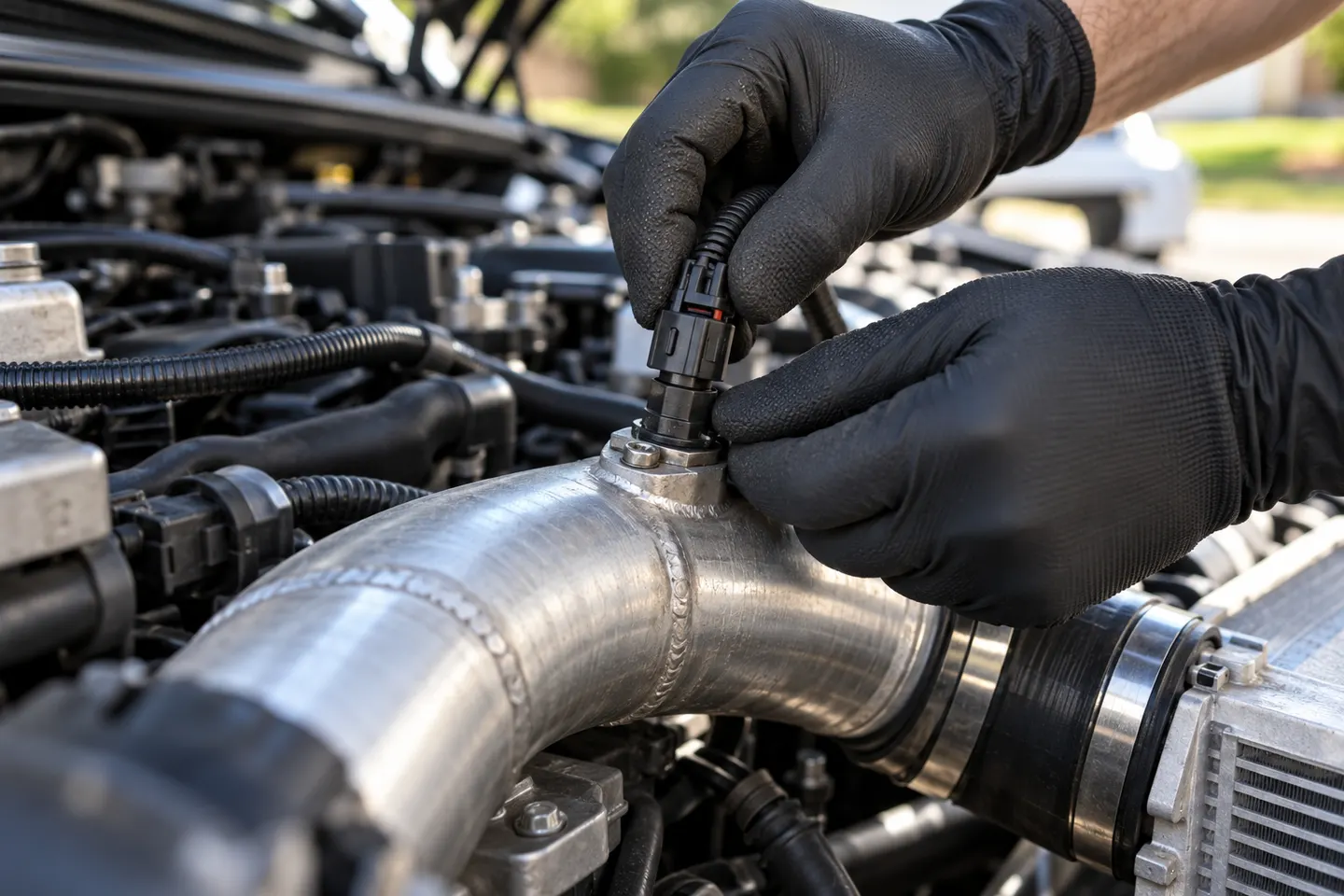 Charge Air Cooler Temperature Sensors
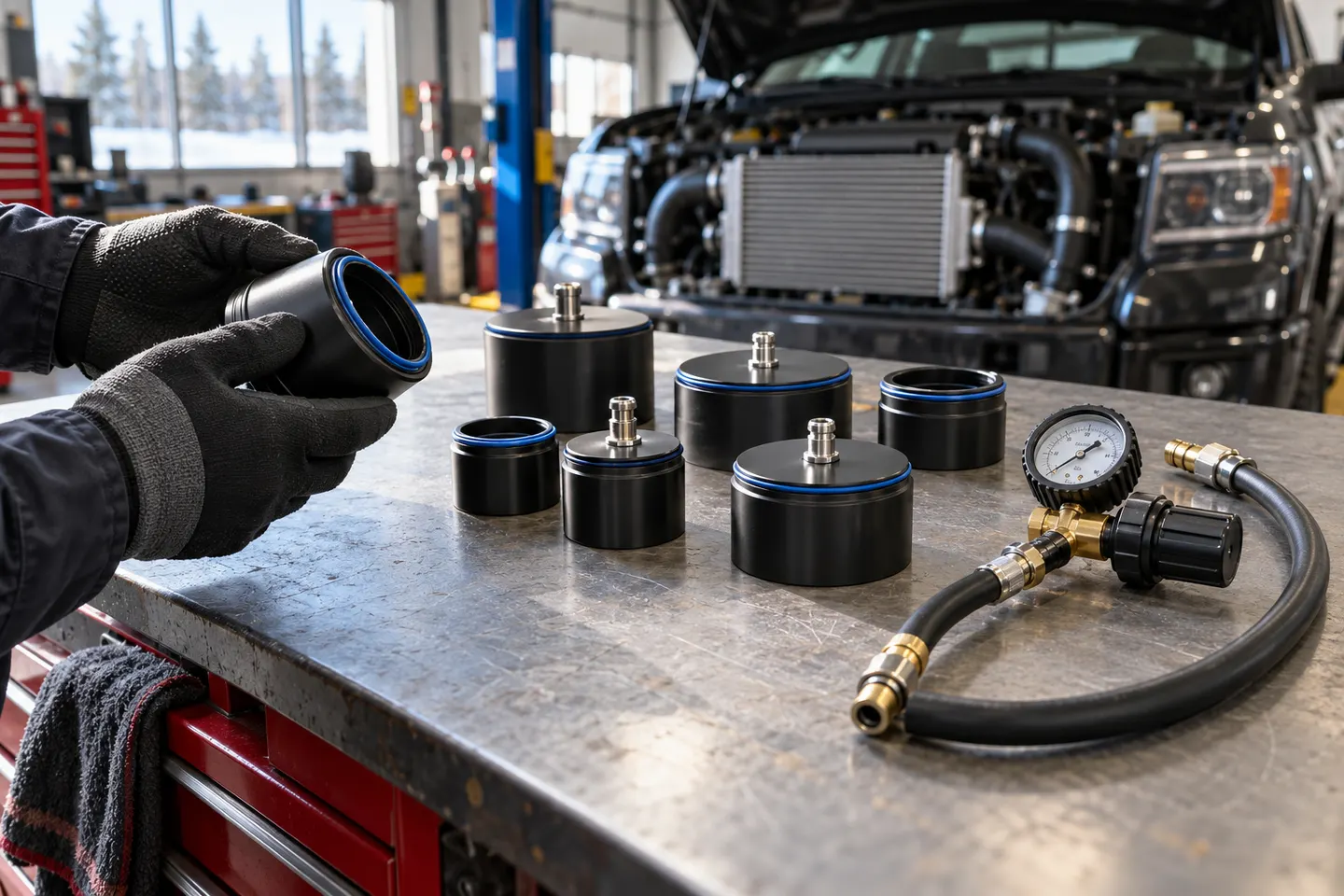 Charge Air Cooler Tester Kits for Leak Diagnosis
Common questions
Questions before you buy
What does a charge air cooler test kit test?
Depending on the kit and procedure, it can help pressurize charge-air piping or a cooler section to locate leaks. It does not diagnose every possible engine fault.
How do I choose a charge air cooler test kit?
Check adapter sizes, connector styles, pressure gauge and regulator details, plus compatibility with your vehicle’s intake layout.
What pressure should I use to test a charge air cooler?
Use only the vehicle or component manufacturer’s specified test pressure and procedure. An unsuitable pressure can damage parts or create a safety hazard.
Can I test a turbo system with the engine running?
Follow the kit and vehicle service instructions; pressure-leak checks are generally performed with the engine off. If you are unsure, have a qualified technician do the test.