









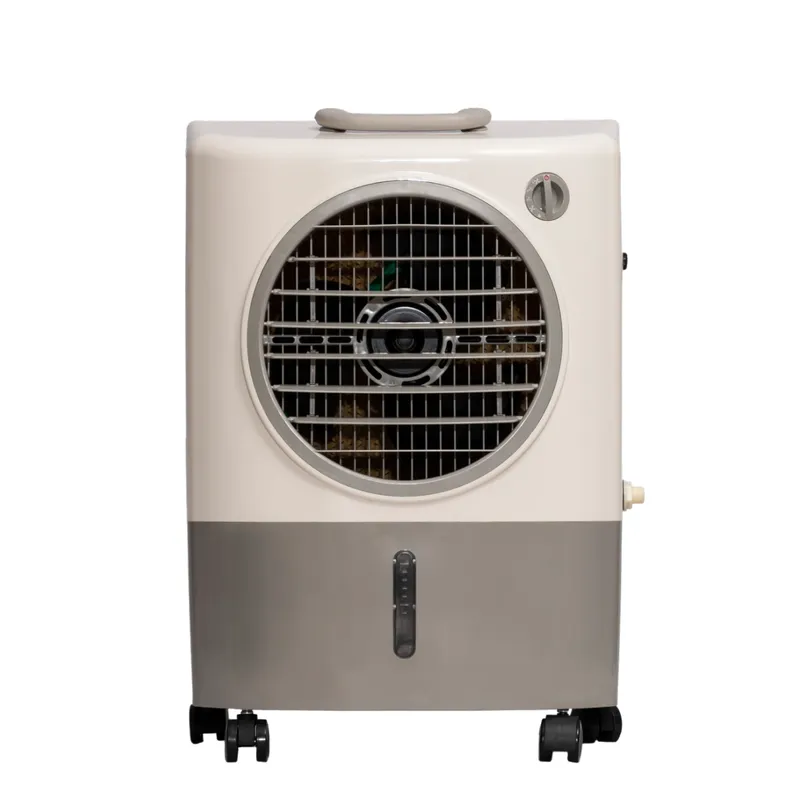
 Official manufacturer image
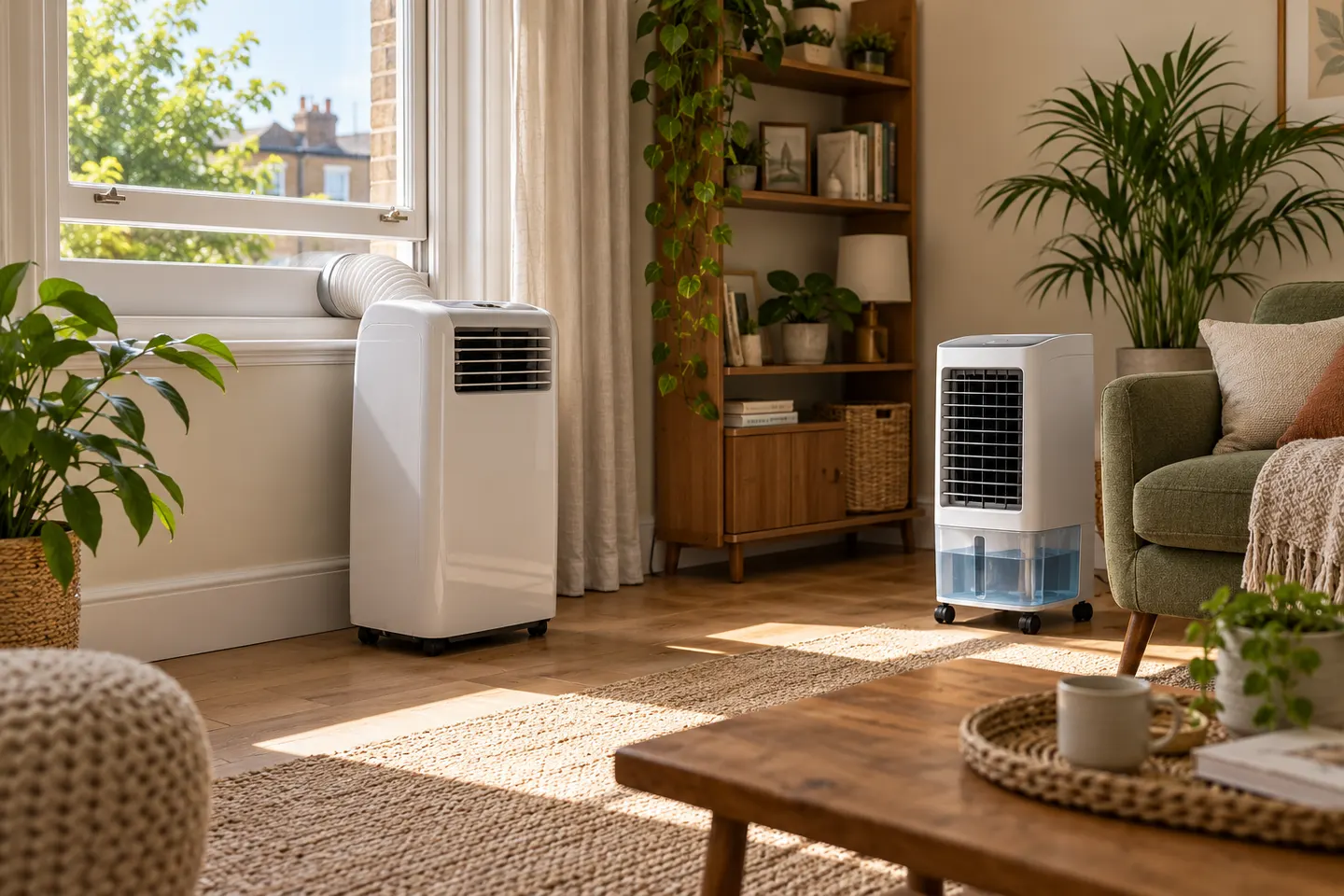
Our picks
Top picks
Official manufacturer image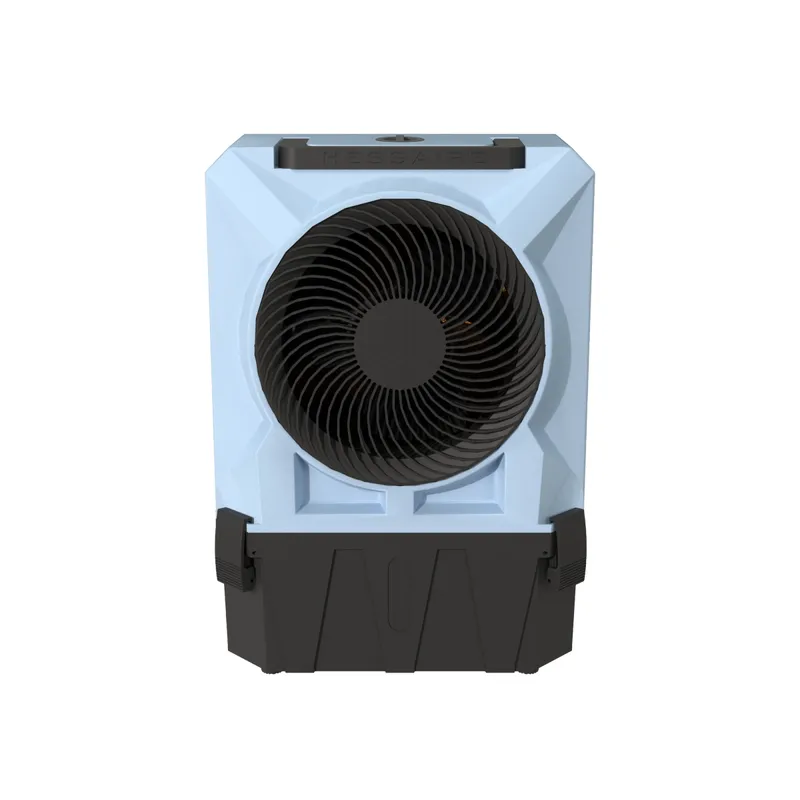 Official manufacturer image
Hessaire MC12V
Check price on Amazon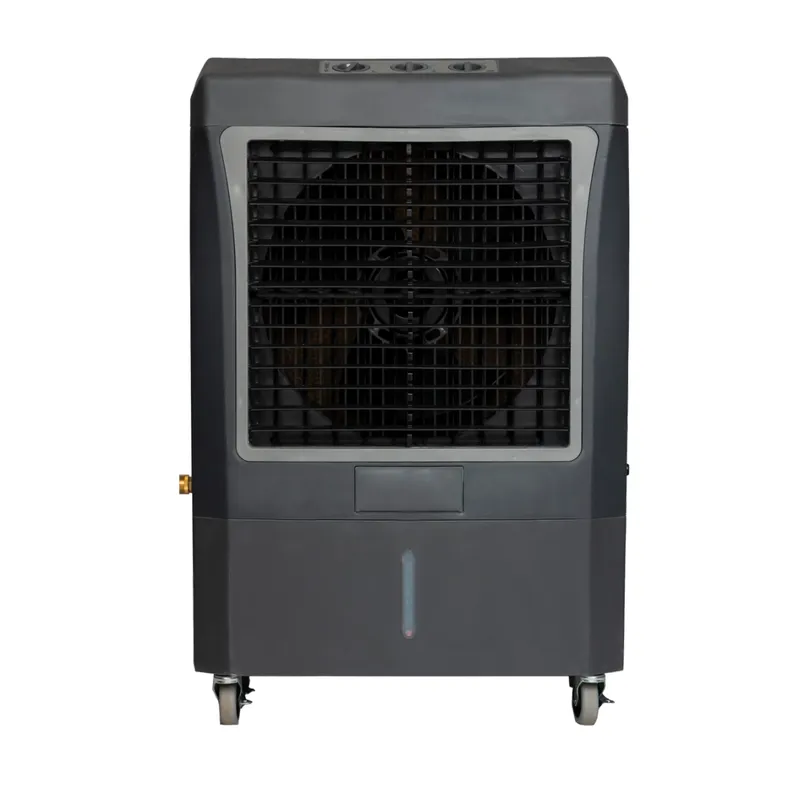 Official manufacturer image
Hessaire MC37M
Check price on AmazonHead to head
Comparisons
Evaporative Cooler vs Air Con: Which Works for You?
For dry air and fresh ventilation, an evaporative cooler may suit; for humid weather, moisture removal and more controlled cooling, air conditioning is usually the stronger fit.
Read more →Common questions
Questions before you buy
Is an air cooler the same as air con?
No. An evaporative air cooler uses water evaporation and airflow, while air conditioning uses a refrigeration cycle to transfer heat out of the space.
Which is better in humid weather, air con or air cooler?
Air conditioning is generally more suitable when you need cooling that also reduces indoor humidity. Evaporative coolers lose effectiveness as humidity rises.
Does an air cooler need an open window?
Evaporative cooling generally needs ventilation so air can move through the space. Follow the product’s instructions for placement and airflow.
Can an air cooler lower the temperature like an air conditioner?
It can lower the temperature of incoming air under suitable dry conditions, but results vary with humidity, ventilation and the system. It does not operate like refrigerated air conditioning.