









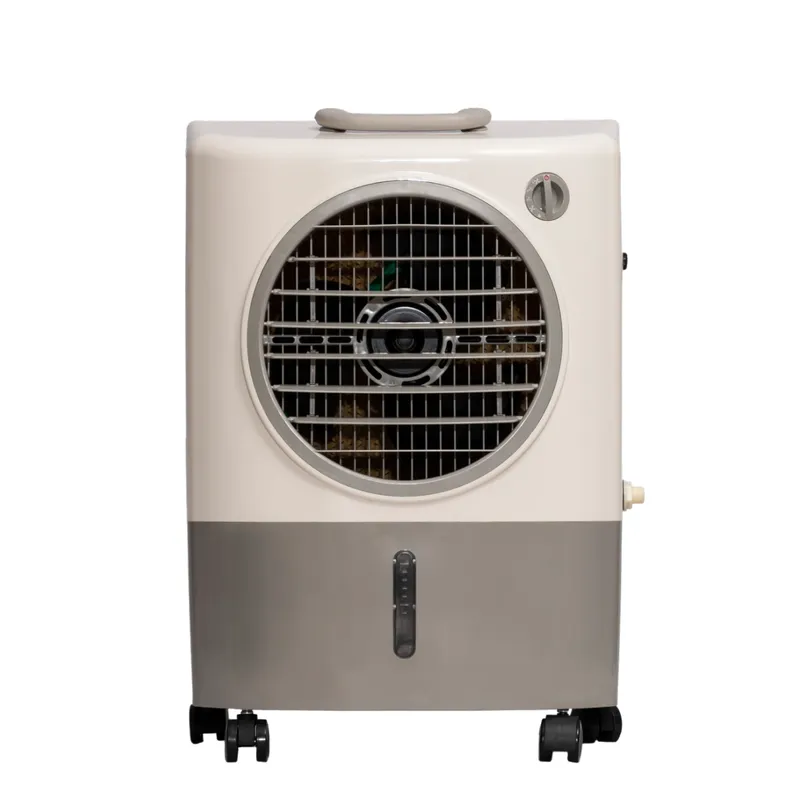
 Official manufacturer image
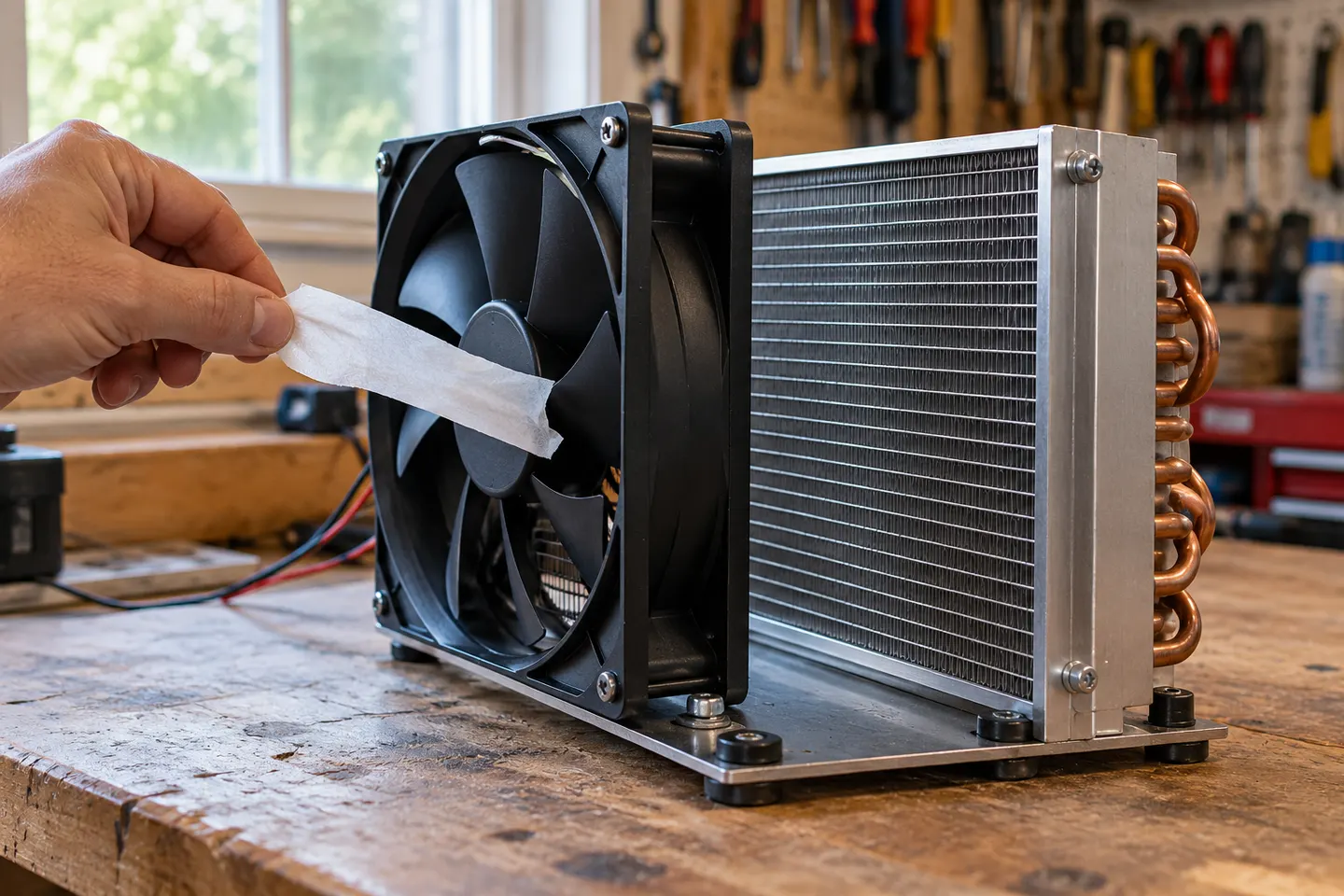
Our picks
Top picks
Official manufacturer image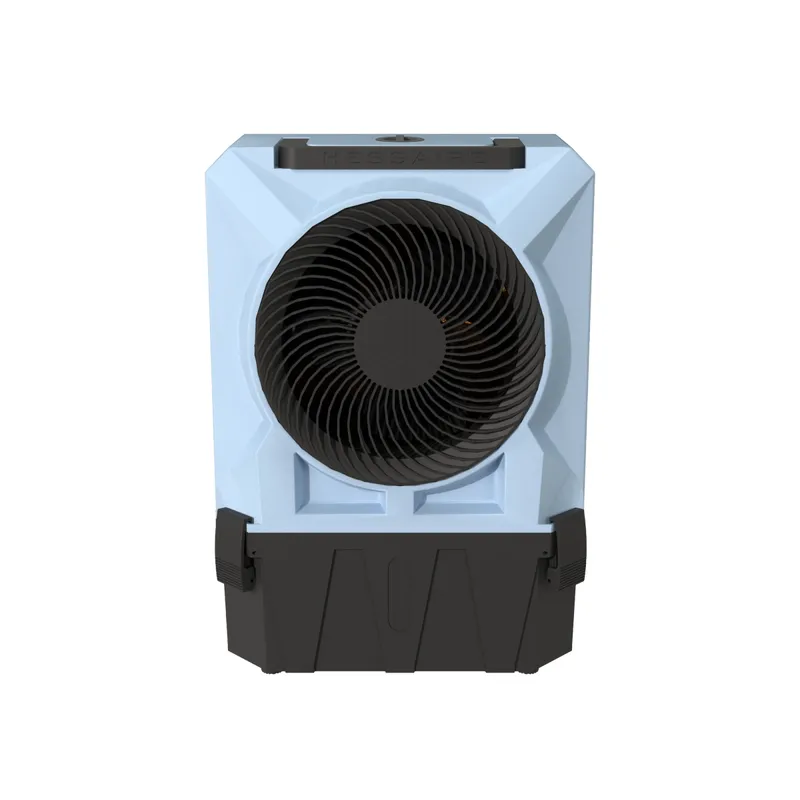 Official manufacturer image
Hessaire MC12V
Check price on Amazon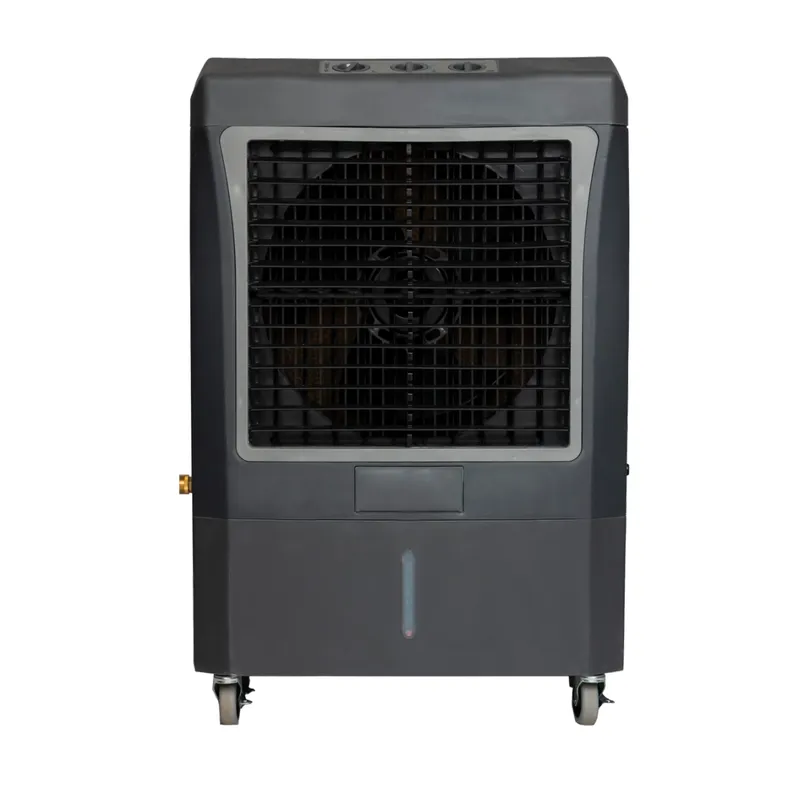 Official manufacturer image
Hessaire MC37M
Check price on AmazonMore topics
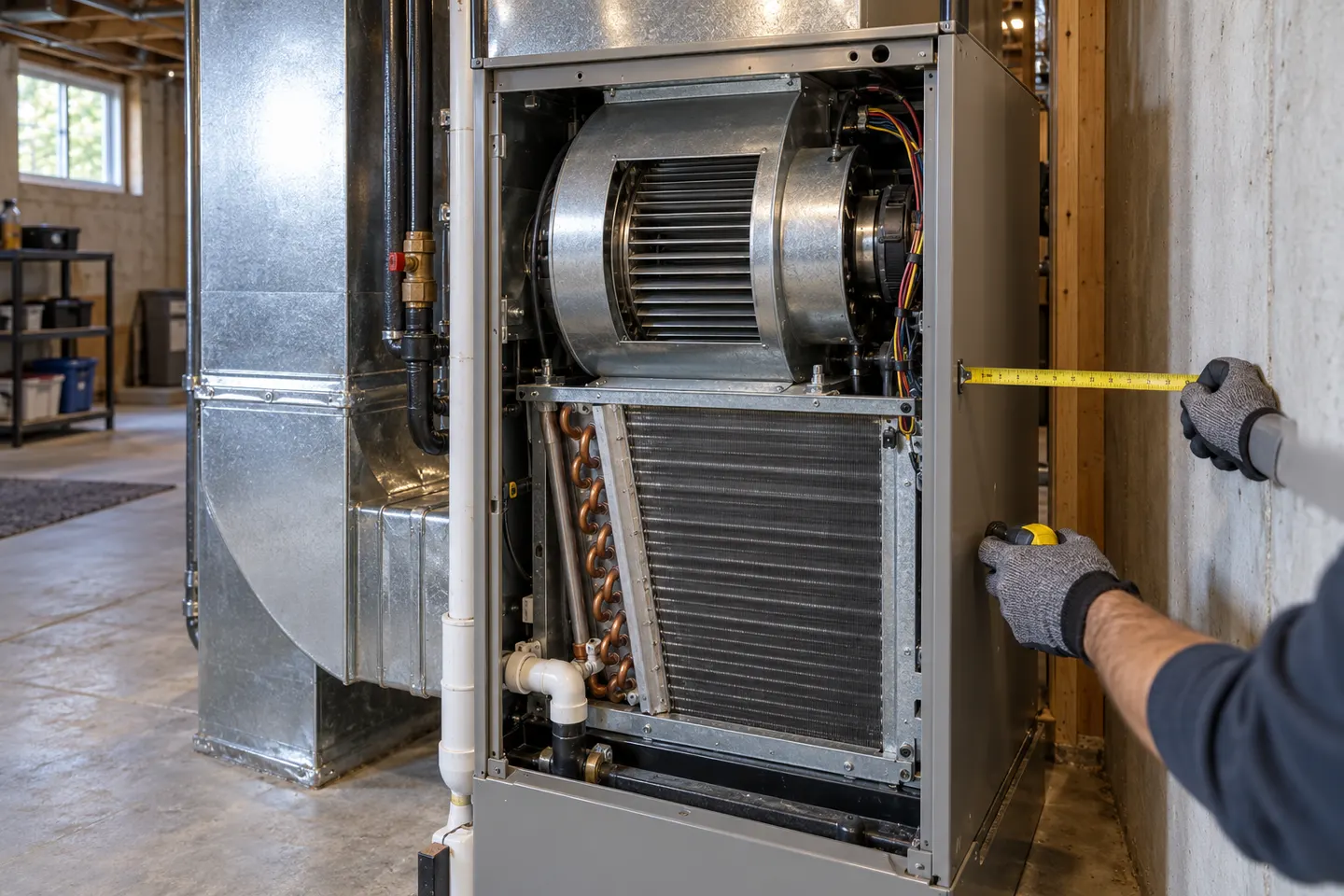 Forced-Air Coolers
Common questions
Questions before you buy
What does forced air cooling mean?
It describes using a fan or blower to move air through a cooling system or over a heat-transfer surface. Product names can apply to unrelated systems, so check the intended use.
Does forced air cooling use water?
Some evaporative room coolers use water; many computer and vehicle air-cooling arrangements do not. Read the model's technical description to confirm its method.
What specifications matter most?
Application-specific airflow and heat capacity come first, followed by dimensions, power, noise and installation details. Use the manufacturer's limits for your equipment.
Can a forced-air cooler replace central air conditioning?
Not automatically. A portable evaporative cooler and a central refrigerated system work differently and serve different installation conditions. Assess climate, ventilation and the space's cooling load.