









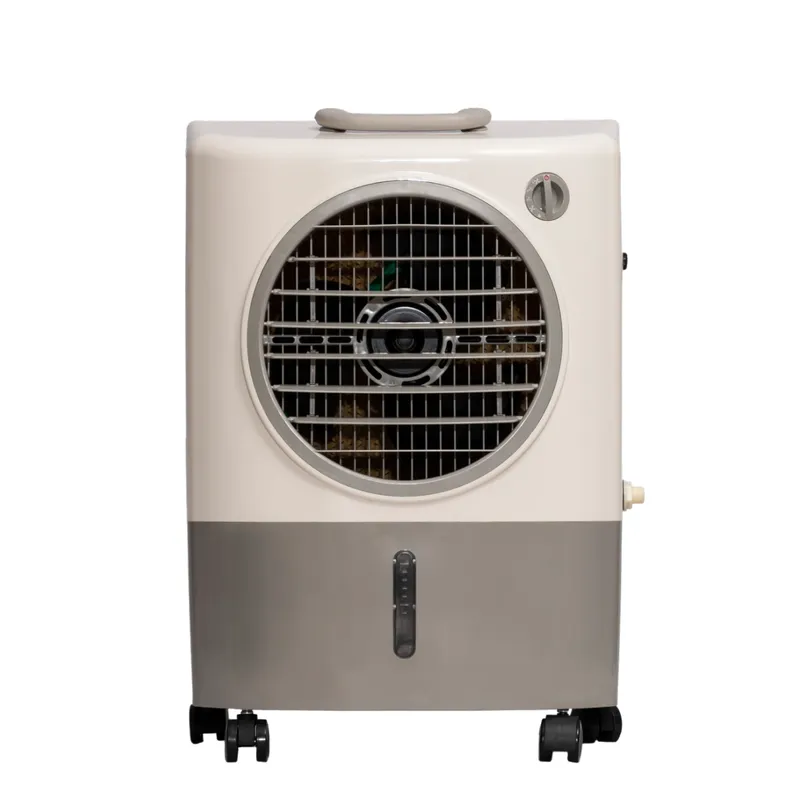
 Official manufacturer image
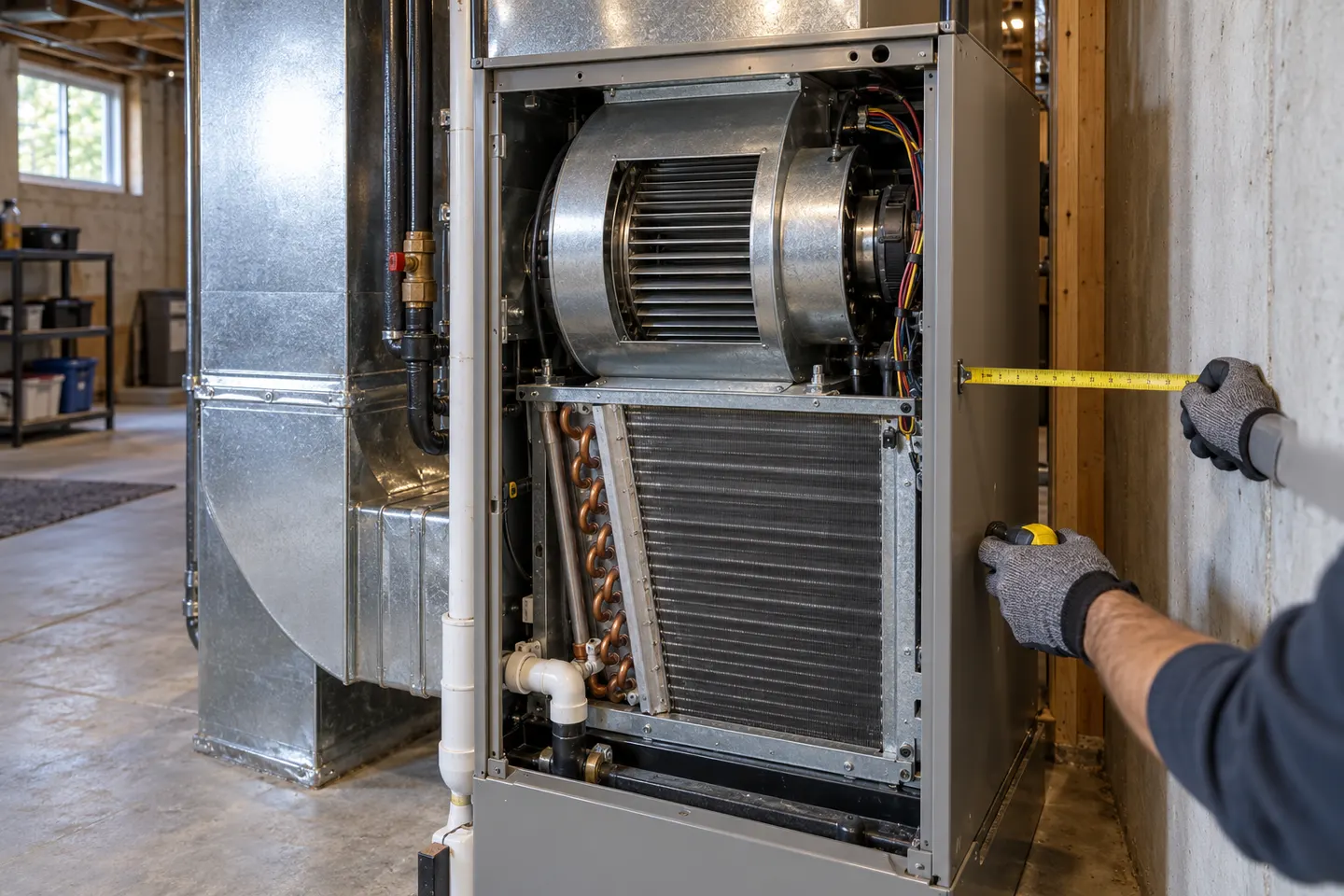
Our picks
Top picks
Official manufacturer image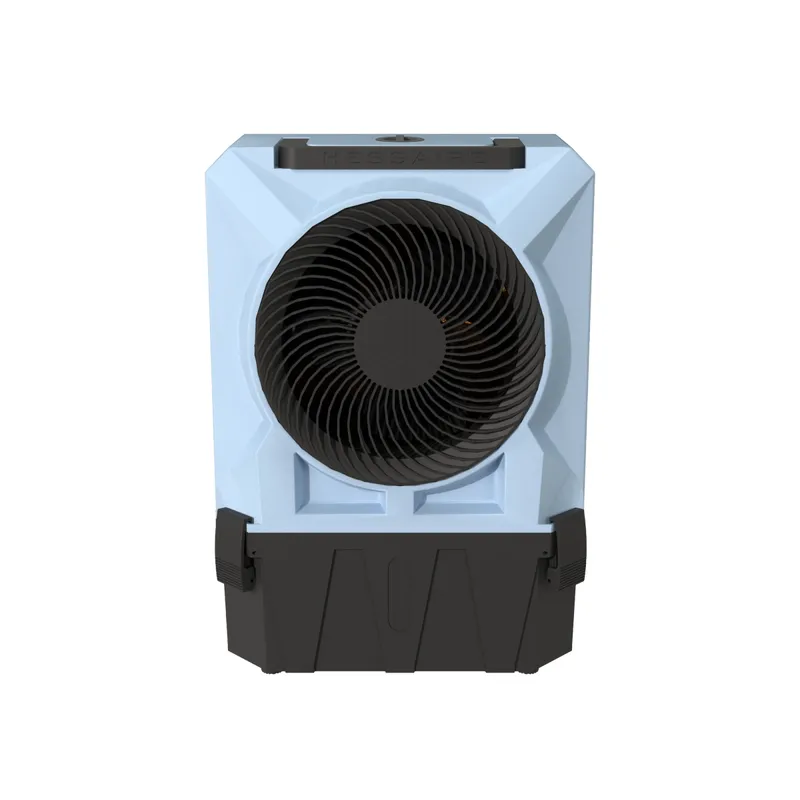 Official manufacturer image
Hessaire MC12V
Check price on Amazon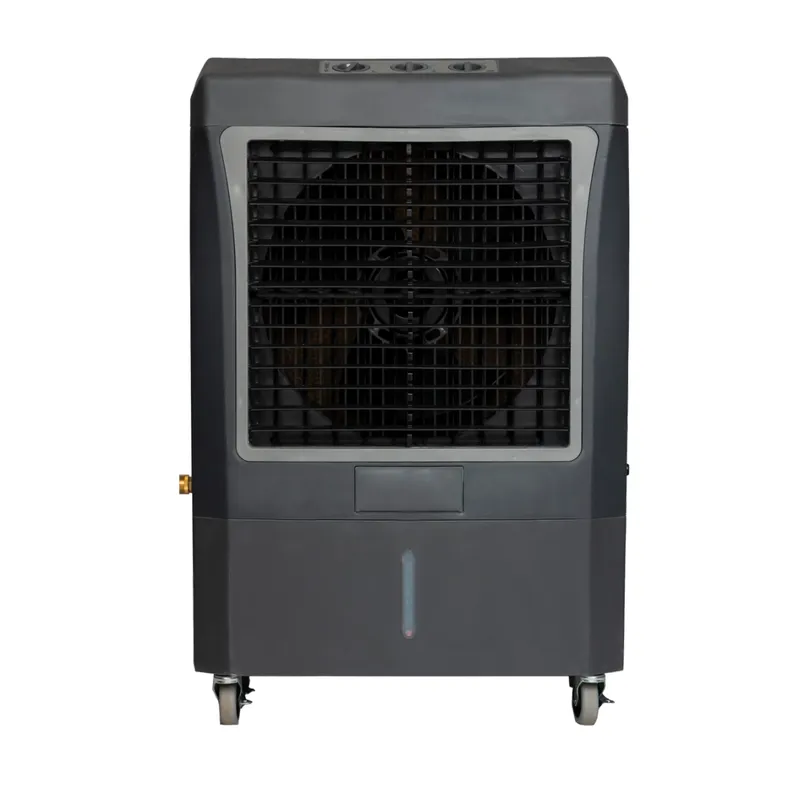 Official manufacturer image
Hessaire MC37M
Check price on AmazonBrands
Head to head
Comparisons

Swamp Cooler vs Air Conditioner: Which Cooling Method Fits?
Choose an evaporative swamp cooler for dry air when you can ventilate; choose air conditioning when you need more dependable cooling across humid conditions or need dehumidification.

Air Conditioning vs Swamp Cooler: How to Choose
Choose air conditioning when you need refrigeration and moisture removal; consider an evaporative swamp cooler for a dry, ventilated setting where added humidity is acceptable.
Swamp Cooler Versus Air Conditioner: How to Choose
Choose an evaporative swamp cooler for hot, dry air and a ventilated space. Choose an air conditioner when you need compressor cooling or moisture removal, especially in humid weather.
Air Cooler vs Liquid Cooler: Which Cooling System Fits Your Space?
An evaporative air cooler suits dry air and a breeze directed at you; a refrigerant-based liquid cooling system is the better route when you need controlled room temperatures across a wider range of humidity.
Common questions
Questions before you buy
What is a forced-air cooler?
It is a cooling arrangement that uses a fan or blower to move air across a heat-transfer surface. The exact meaning varies by application, so confirm the system type before buying.
Is a forced-air cooler the same as an air conditioner?
No. A fan-driven cooler may use evaporation or another heat-transfer method; a conventional air conditioner uses a refrigeration cycle. Check the product description and installation requirements.
How do I choose a forced-air cooler?
Start with the application, then verify airflow, cooling capacity, power, dimensions and operating environment against the equipment or room requirements.
Can a portable evaporative cooler cool a whole house?
That depends on the unit and layout, and many portable units are intended for localized airflow. Check the manufacturer's stated coverage and allow for required ventilation.