Independent buying guidance · US editionHow we work
Gearjury
All categories
All categories
Best picksGood Meat Thermometers for Every Kind of Cook
Best picksBest WiFi Extenders: Which Range Extender Should You Buy?
Best picksBest Dash Cams for Cars in 2026
Best picksBest Radar Detectors for Cars: Models Compared
Best picksGood Winter Gloves for Cold Weather: Five Useful Picks
Best picksBest Headlamps: Six Lights Compared for Different Uses
Best picksTop 10 Best Battery-Powered Weed Eaters for Different Yards
Best picksBest Portable Air Coolers for Patios, Workshops and Small Spaces (2026)
Best picksBest Air Purifier for Bedroom in the US: Quiet Models Compared
United StatesEnglish

Category hub

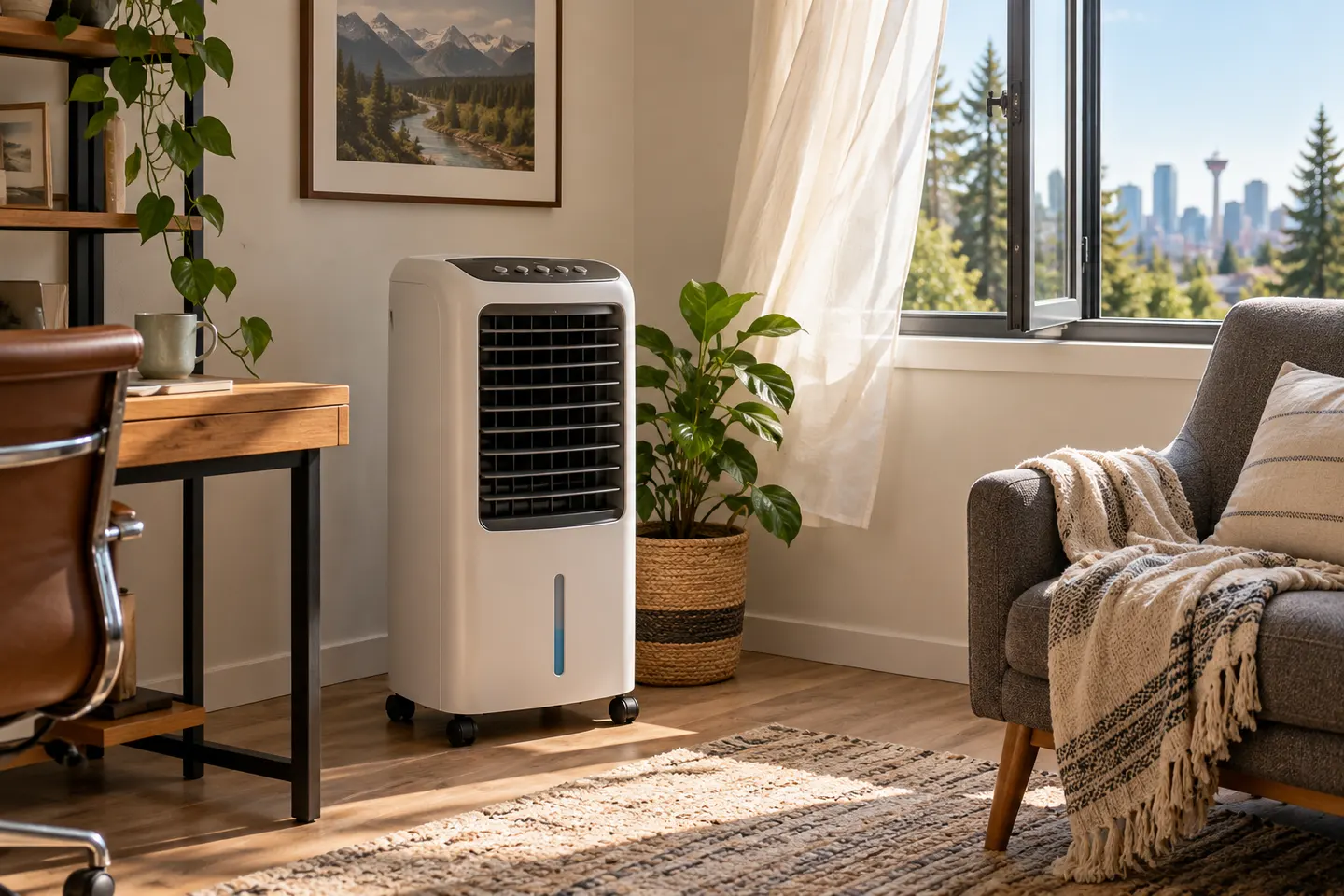
Indoor Portable Air Coolers: What to Compare

Indoor evaporative coolers suit dry, ventilated spaces best. Compare the maker’s airflow and coverage claim with your room and cross-ventilation options.

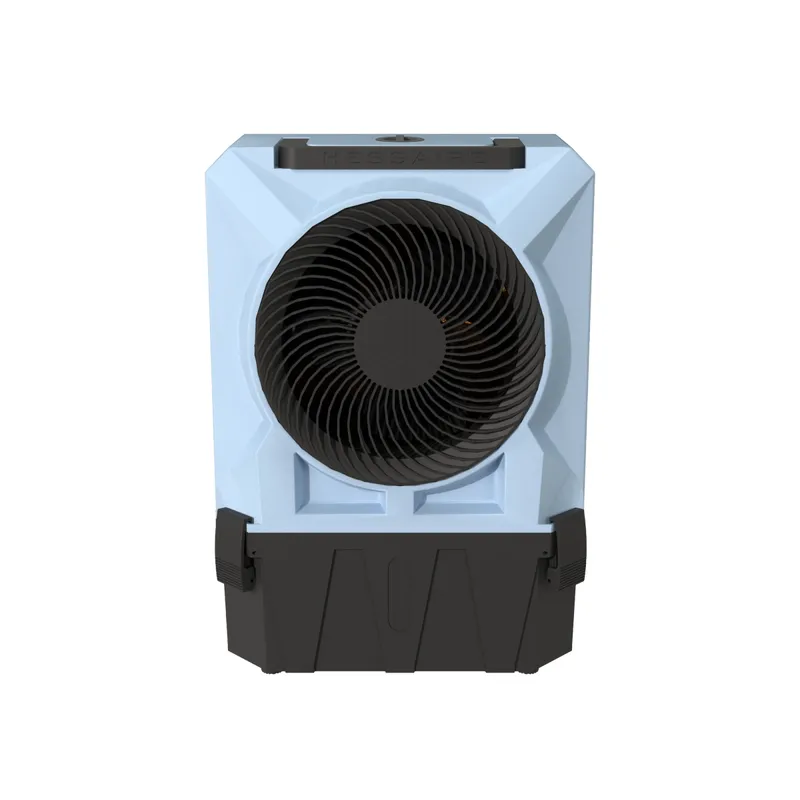
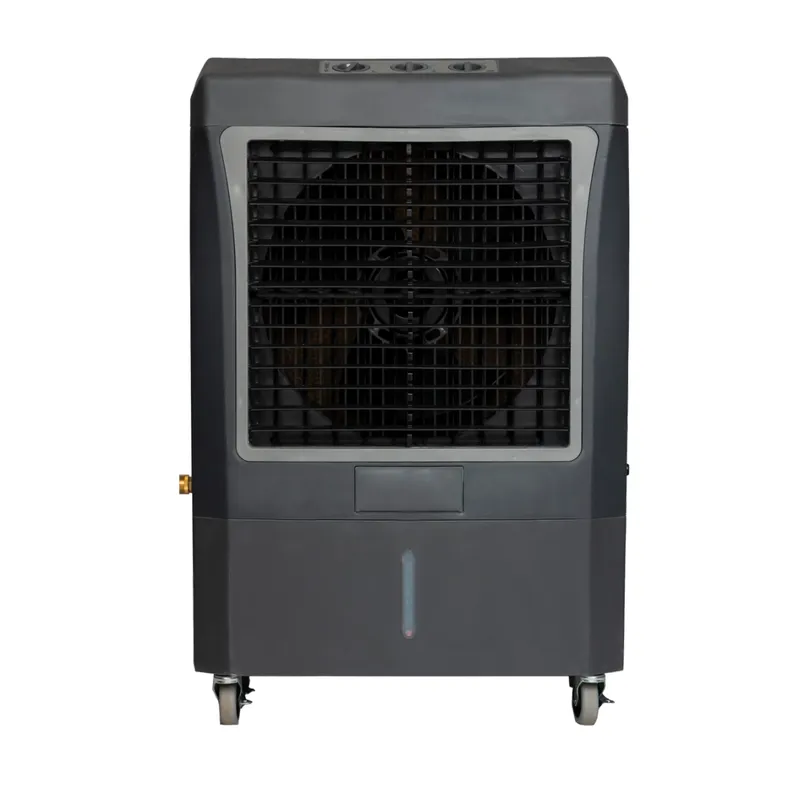
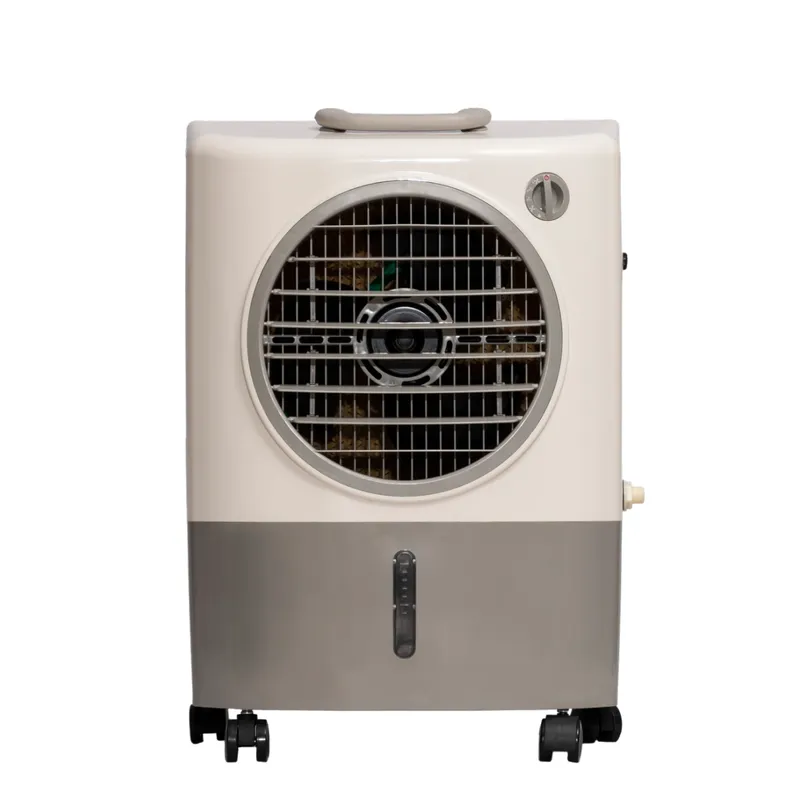
An indoor portable air cooler uses water evaporation rather than a compressor. This means an indoor evaporative air cooler can add moisture, and the U.S. Department of Energy says evaporative coolers work best in arid climates. For a portable indoor air cooler, check airflow, stated coverage, tank capacity, cleaning access and whether a window or door should remain open.

Indoor Portable Air Coolers: What to Compare

Common questions

Questions before you buy

Can I use an evaporative air cooler indoors?

Yes, if the specific model is intended for indoor use and the room can be ventilated as directed.

Should windows be open for an indoor swamp cooler?

DOE guidance says windows or vents must be open when an evaporative cooling system operates. Follow the model manual too.

Will an indoor air cooler lower room humidity?

No. Direct evaporative units add moisture; they do not dehumidify like an air conditioner.

What room size should I choose?

Use manufacturer stated coverage as a starting point, accounting for ventilation, climate and room layout.