







 Official manufacturer image
Our picks
Top picks
Official manufacturer image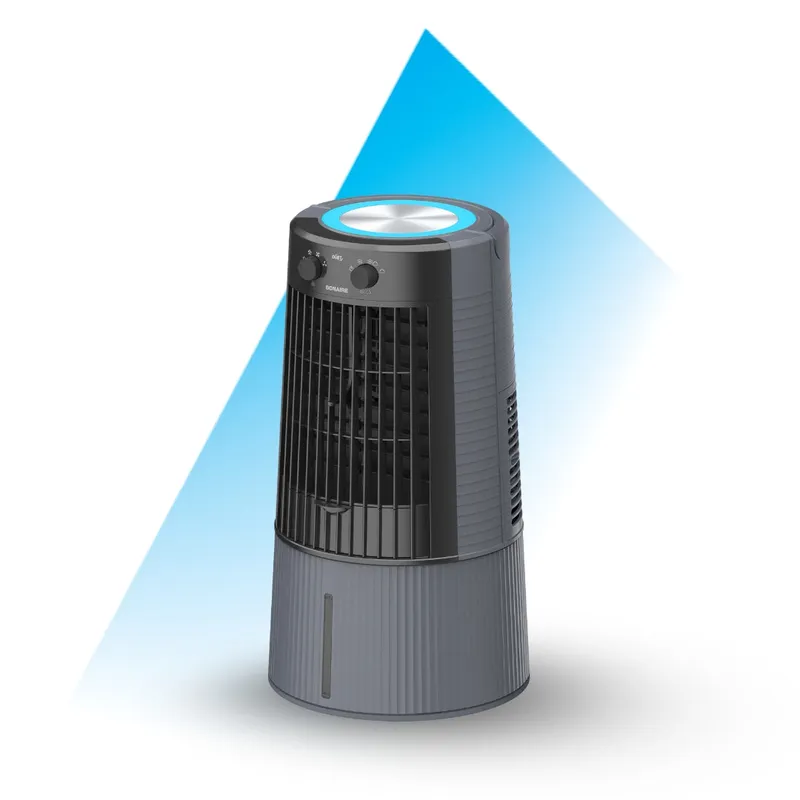 Official manufacturer image
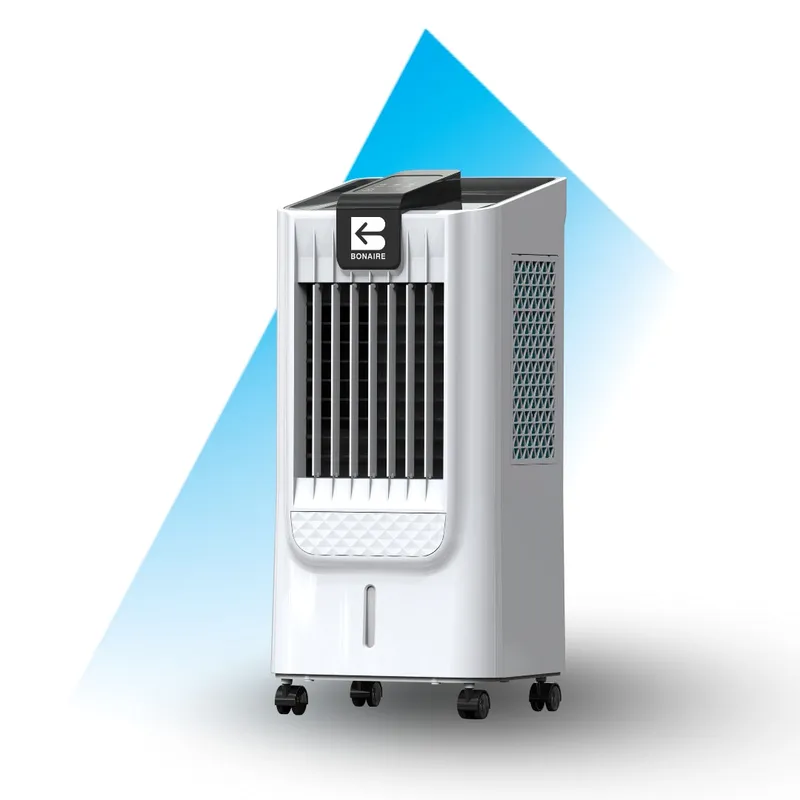
Bonaire Duet Portable Evaporative Air Cooler 6L
Check price on Amazon AUCommon questions
Questions before you buy
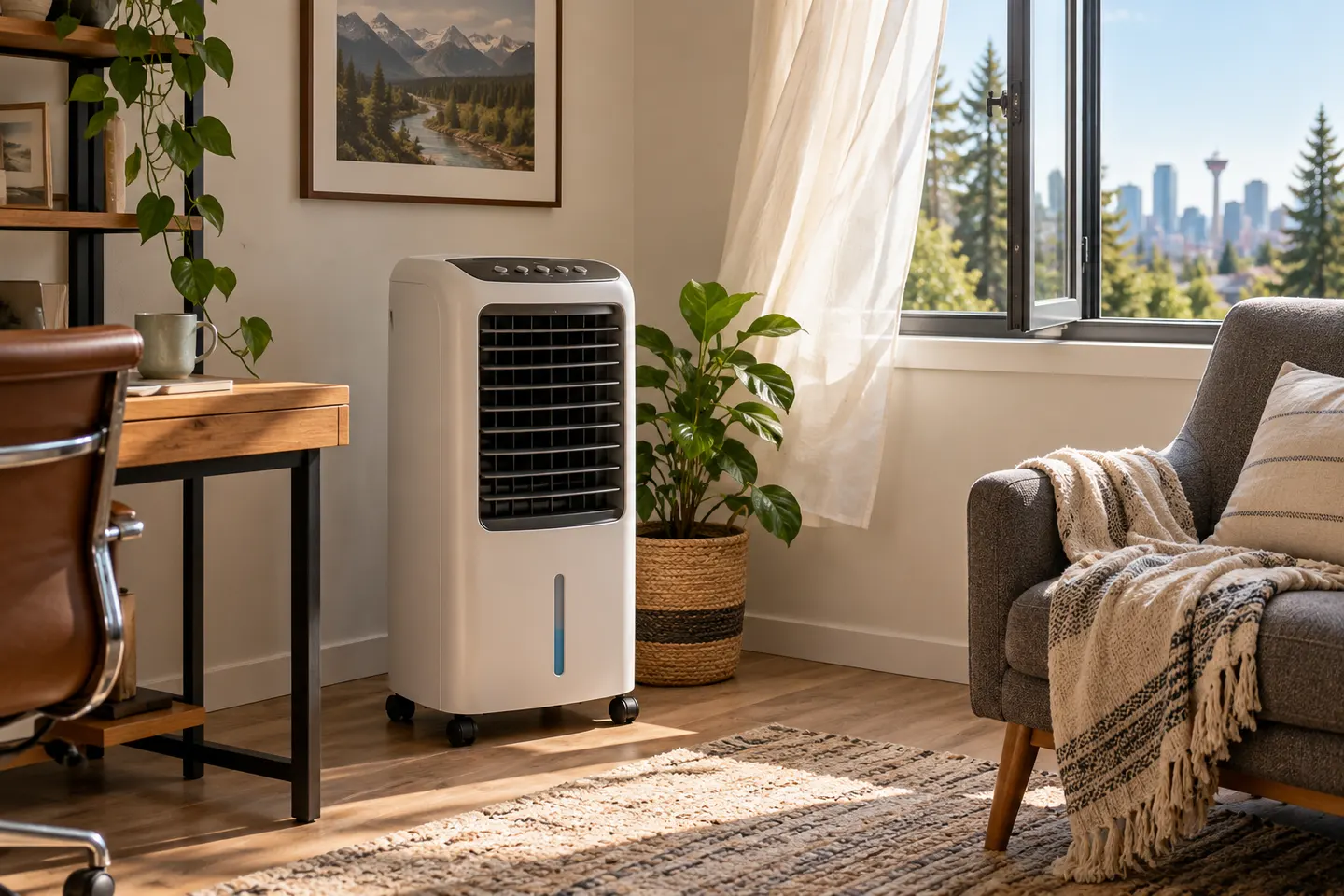
Can I use an evaporative air cooler indoors?
Yes, when the room has a suitable fresh-air path and the model is designed for indoor use. Follow the manual's placement and ventilation directions.
Should windows be open when an evaporative cooler is running?
Usually some opening is needed so humid air can leave and fresh air can enter. Use the specific cooler's manual for the recommended arrangement.
Is an indoor portable evaporative cooler effective in a humid climate?
Its cooling effect can be limited when the air is already humid. A fan or refrigerated air conditioner may fit better, depending on whether you need whole-room temperature control.
How do I choose the right size indoor evaporative cooler?
Start with the room coverage stated by the manufacturer, then account for ceiling height, sun and airflow. Treat coverage as guidance because real conditions influence results.