









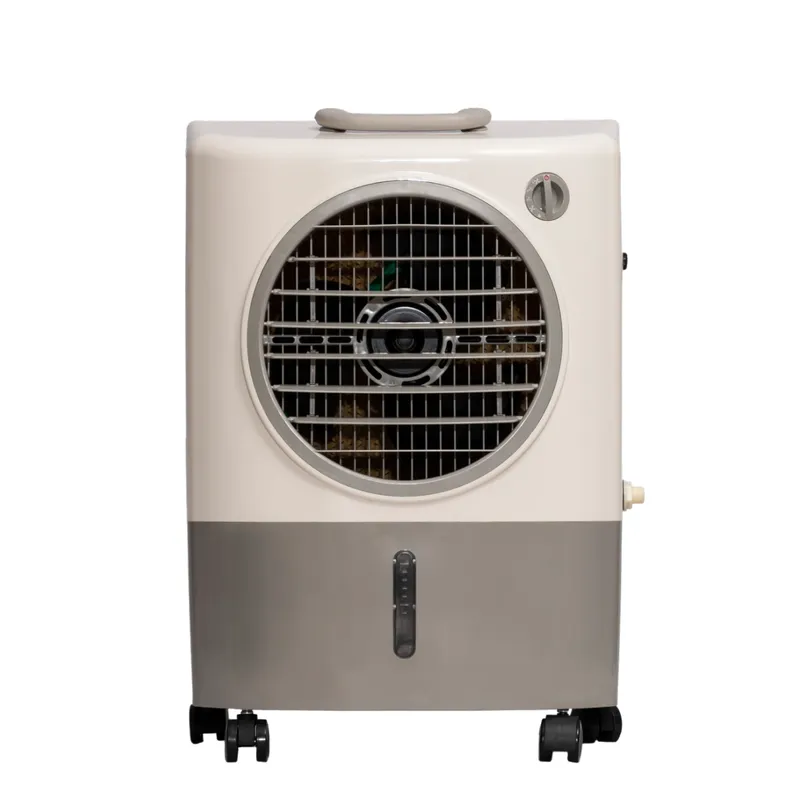
 Official manufacturer image
Our picks
Top picks
Official manufacturer image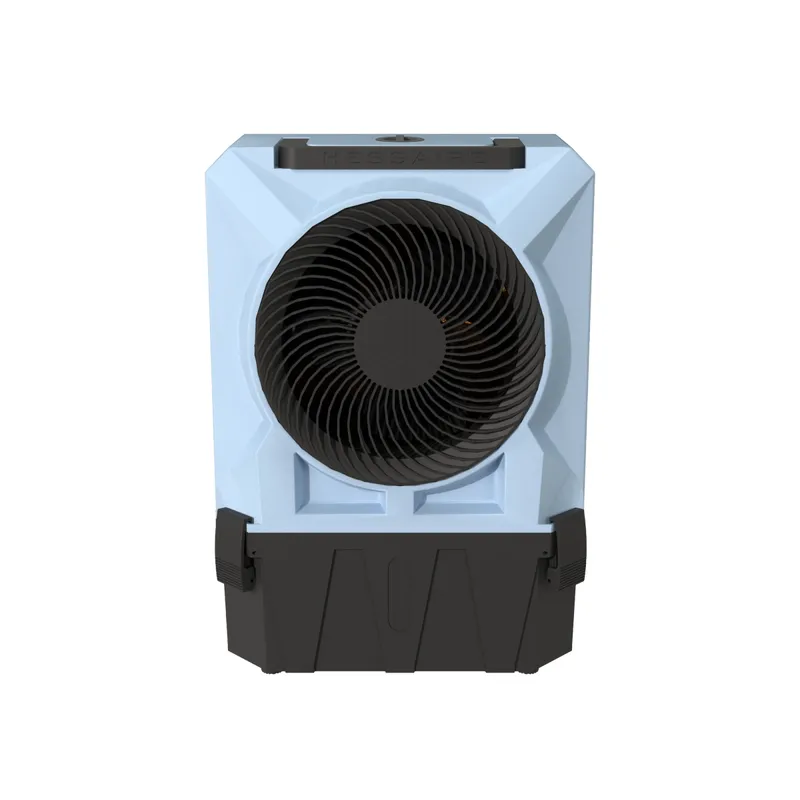 Official manufacturer image
Hessaire MC12V
Check price on Amazon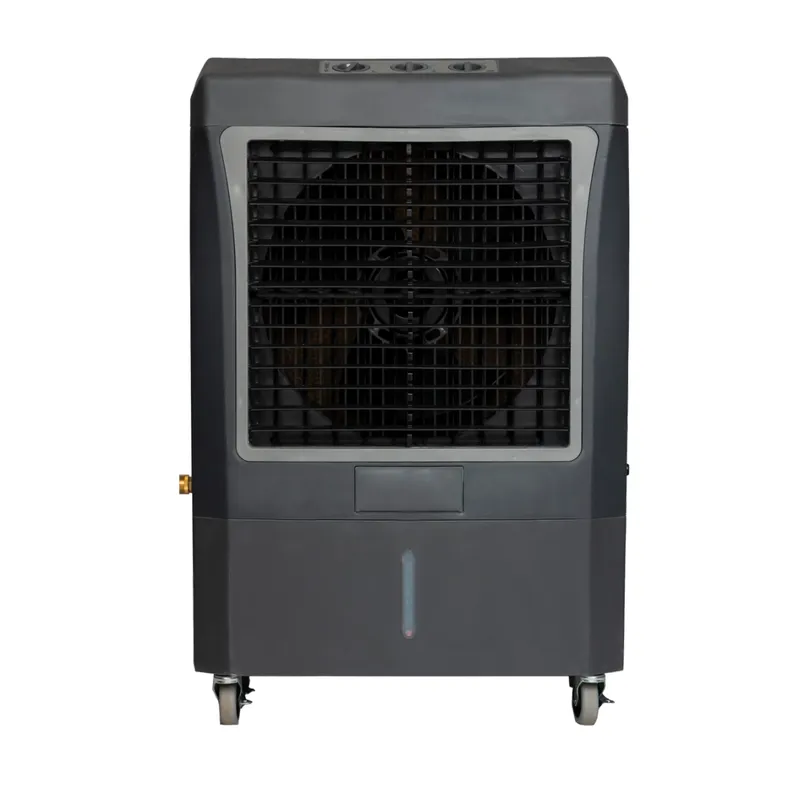 Official manufacturer image
Hessaire MC37M
Check price on AmazonMore topics
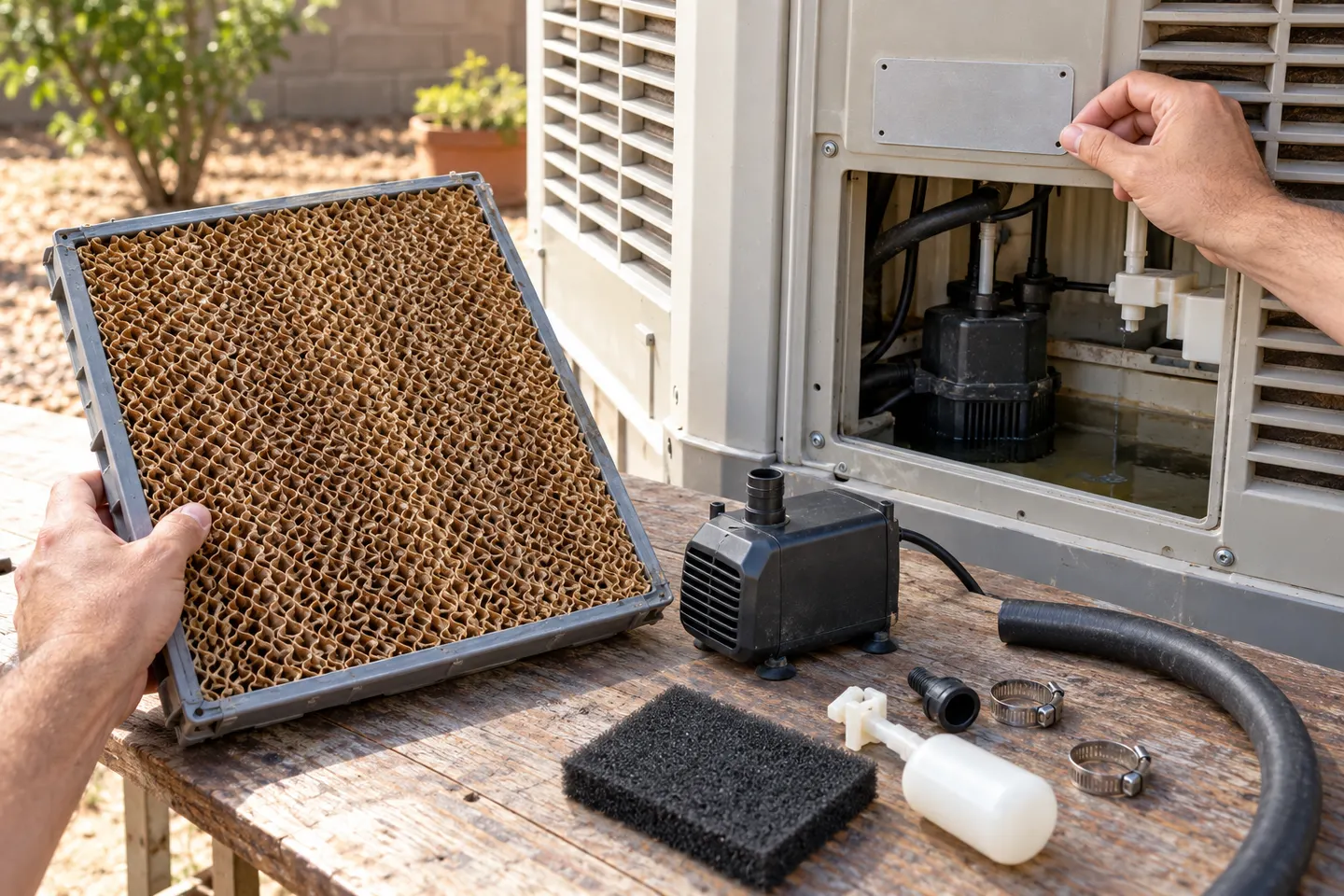 Bonaire Air Cooler Parts and Spare Parts Support
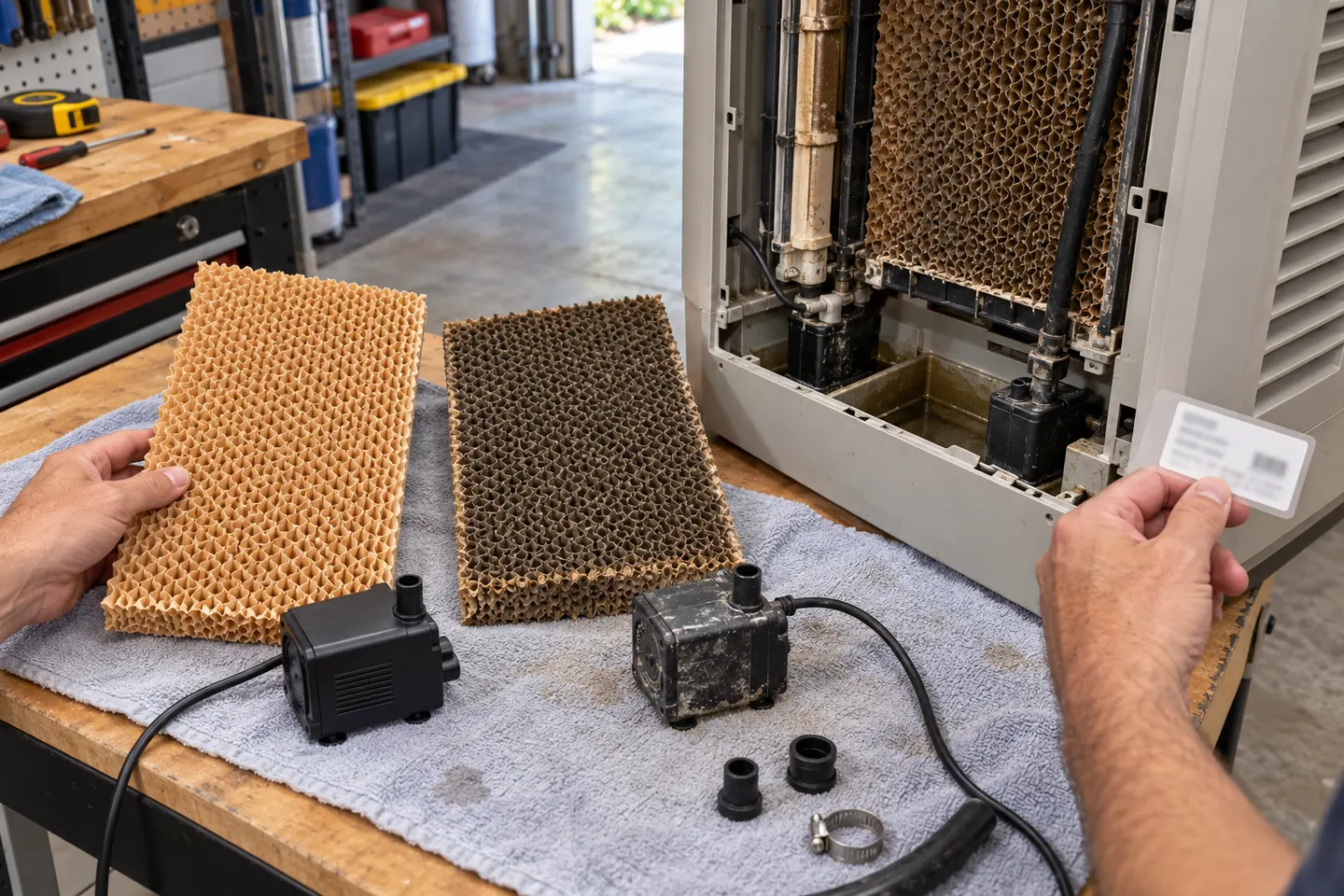 Breeze Air Evaporative Cooler Parts
Common questions
Questions before you buy
What parts are inside an evaporative air cooler?
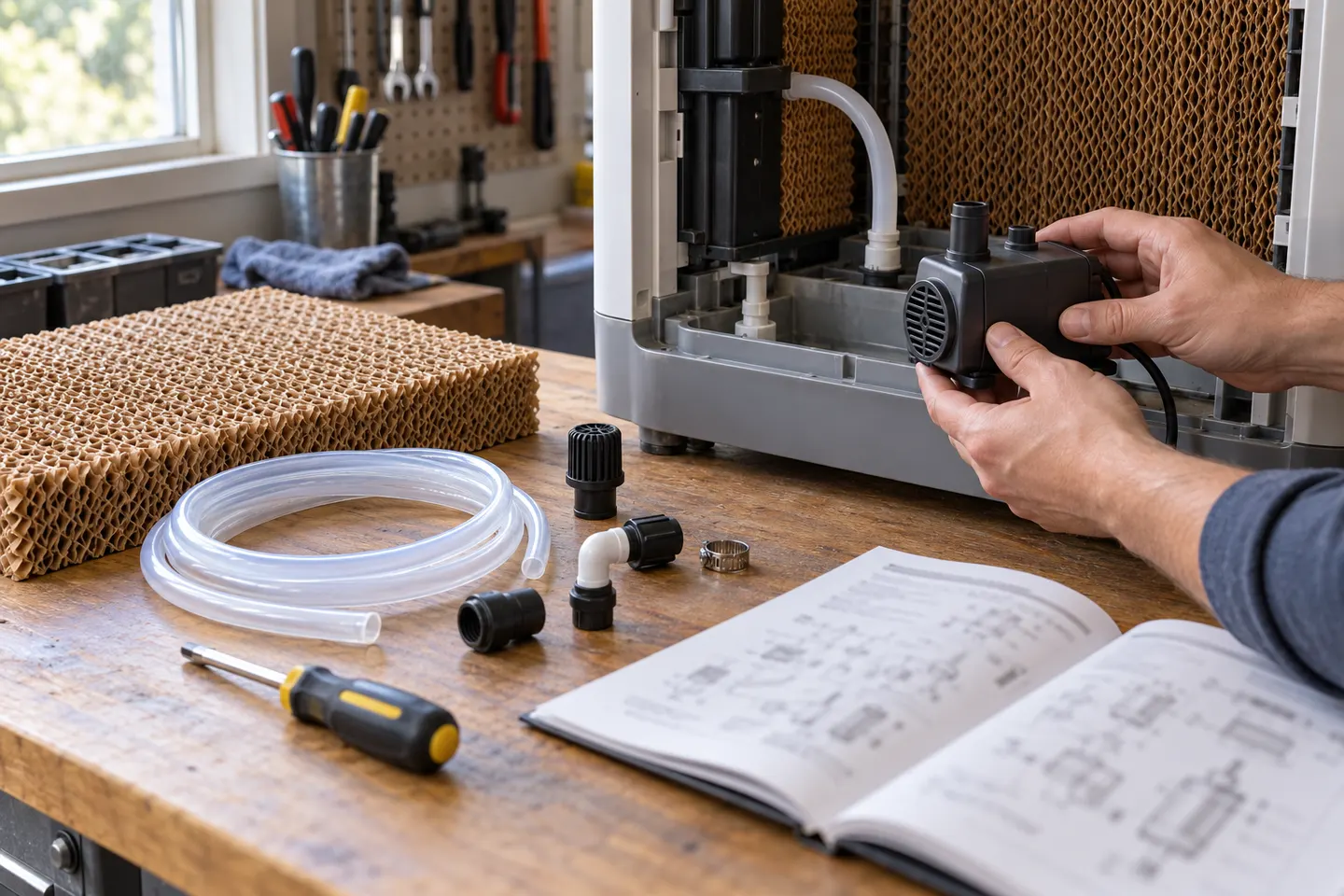
Common components include a fan, wet cooling pad, water reservoir, pump, water distributor, float and drain. The precise assembly depends on the model.
How do I find the right replacement pump?
Match the cooler’s model and the pump part number in its parts list. Also confirm electrical and hose details from the official documentation.
When should an evaporative cooler pad be replaced?
Follow the manufacturer’s maintenance schedule and inspect for scale, damage or restricted airflow. Water quality and usage affect service needs.
Can I replace evaporative cooler parts myself?
Only follow the model-specific service instructions. Disconnect power before maintenance, and refer wiring or uncertain repairs to a qualified technician.