







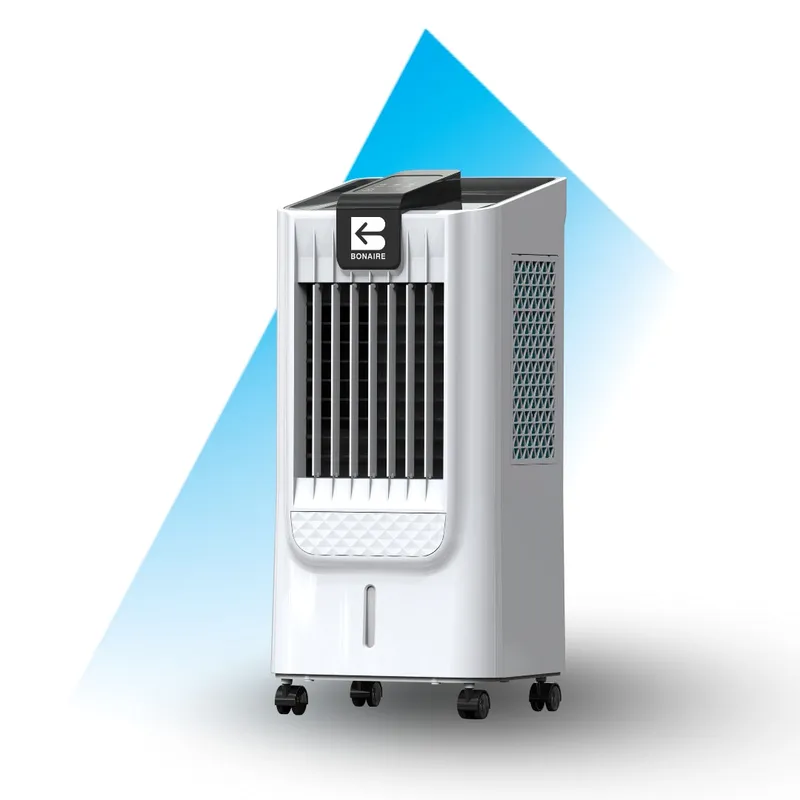
 Official manufacturer image
Our picks
Top picks
Official manufacturer image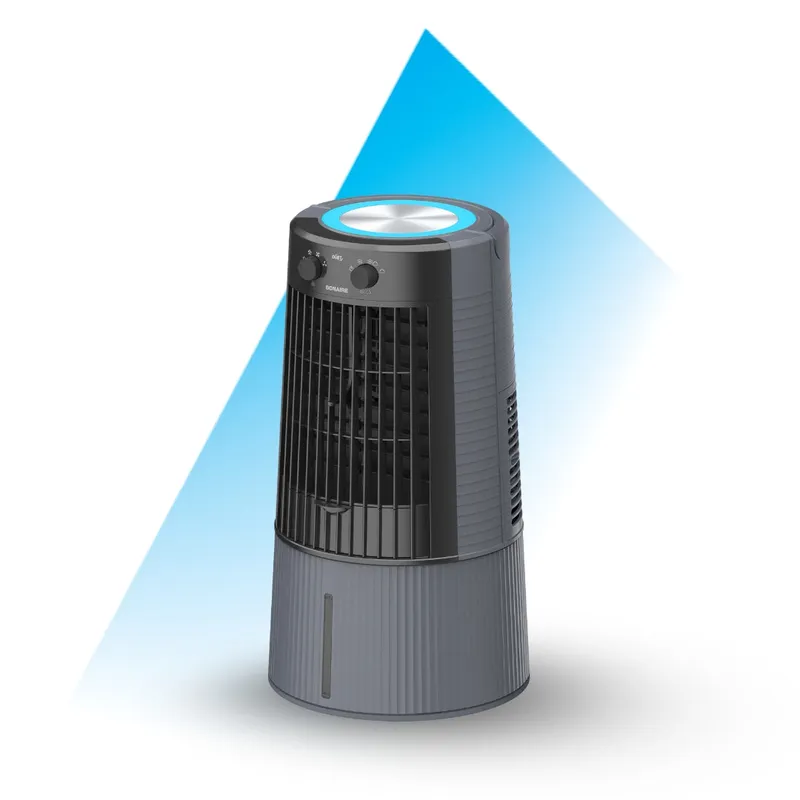 Official manufacturer image
Bonaire Duet Portable Evaporative Air Cooler 6L
Check price on Amazon AUMore topics
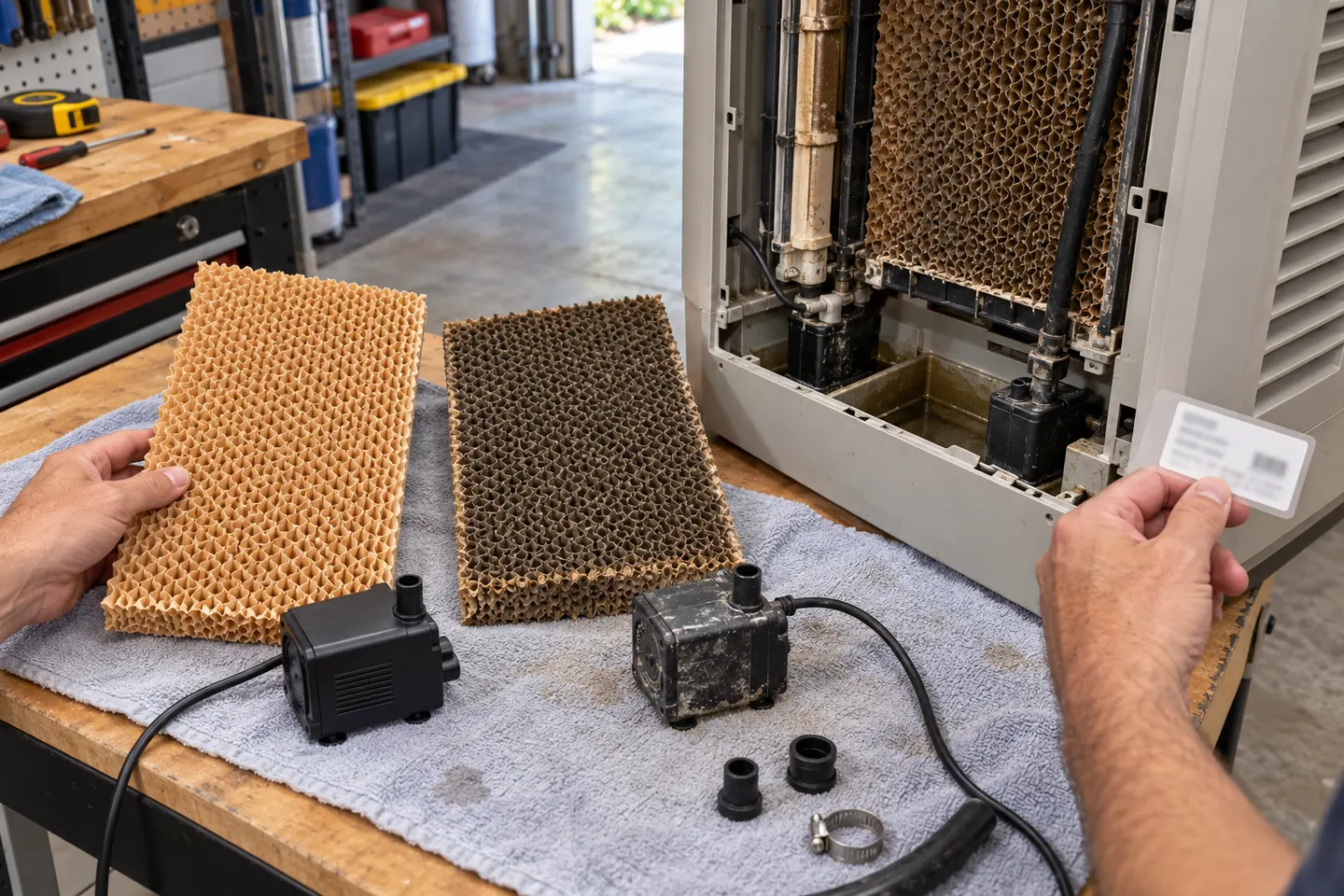 Breeze Air Evaporative Cooler Parts
Common questions
Questions before you buy
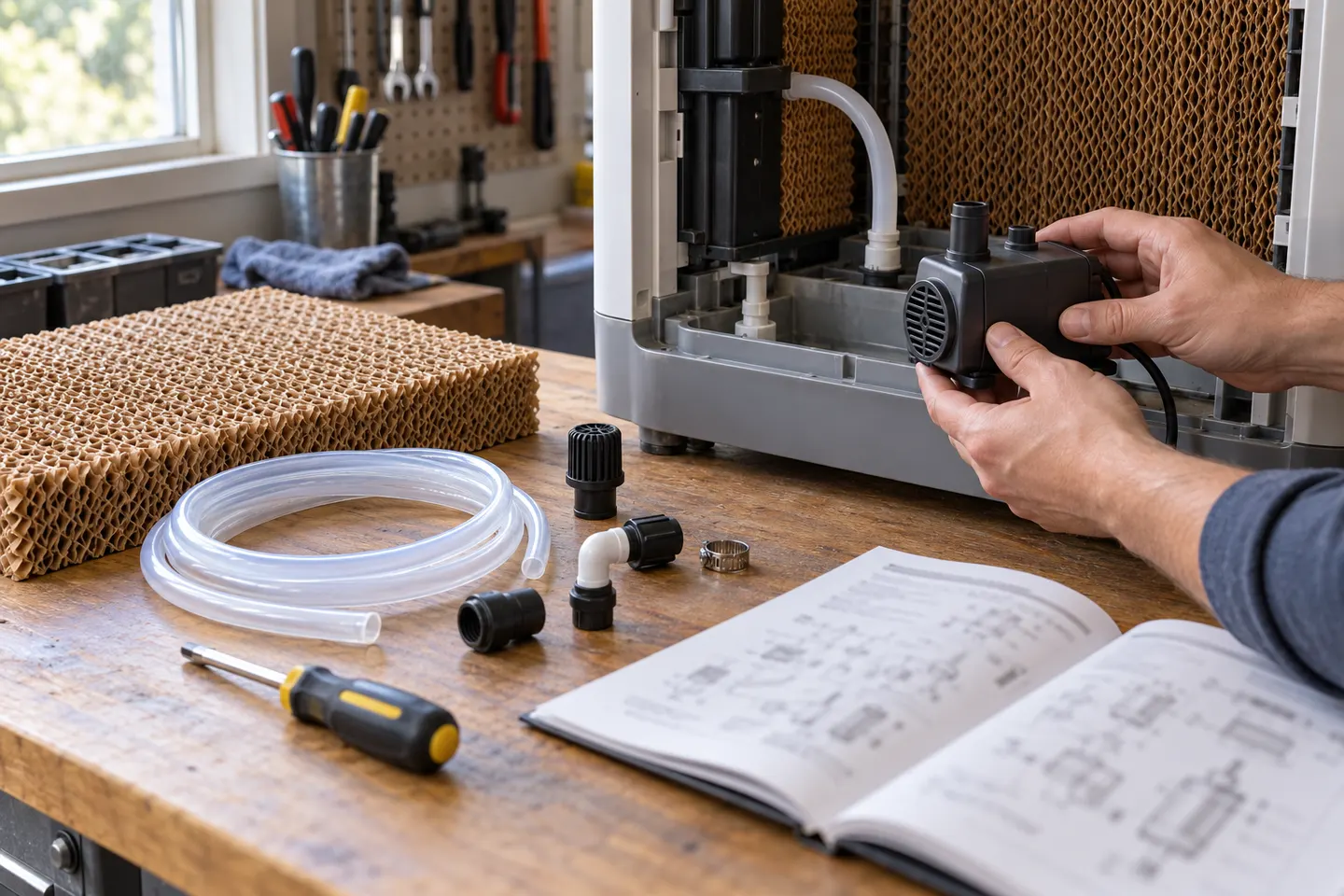
How do I find parts for an evaporative air cooler?
Locate the model and serial labels, then search the manufacturer’s official parts catalogue or contact its support team. Provide the full model code and a description or photo of the component.
Are evaporative cooler pads universal?
No. Pads vary in size, thickness and mounting arrangement. Match the replacement to the model’s specified part number and installation instructions.
Can I replace an air cooler water pump myself?
Only if the manufacturer’s instructions describe the job as user serviceable and you can isolate power and water safely. Otherwise use an authorised service technician.
Which parts need regular maintenance?
The manual may call for periodic cleaning or inspection of the reservoir, cooling media, dust filter, drain and water delivery path. Follow the schedule for your model and local water conditions.