









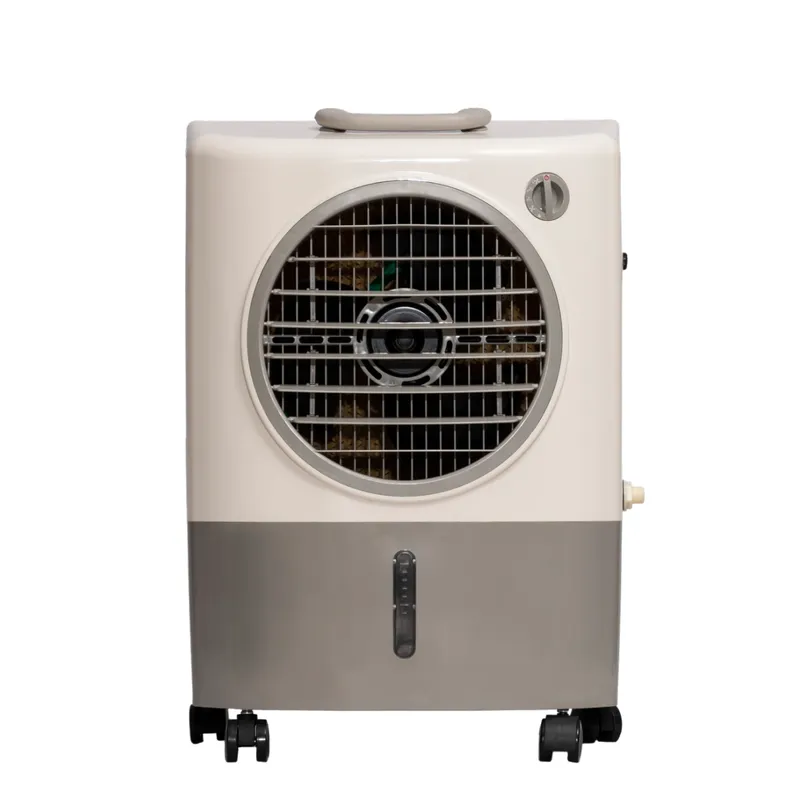
 Official manufacturer image
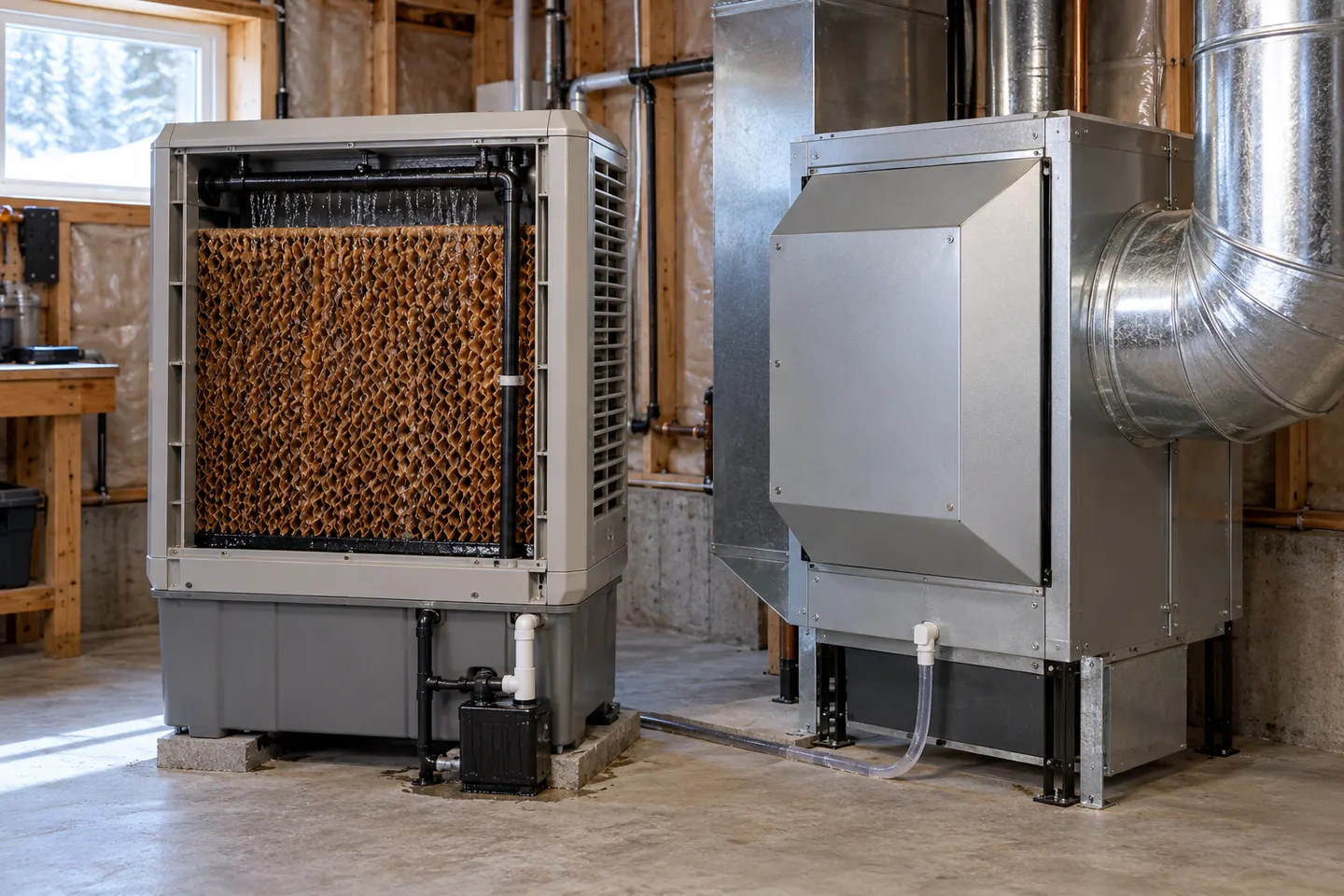
Our picks
Top picks
Official manufacturer image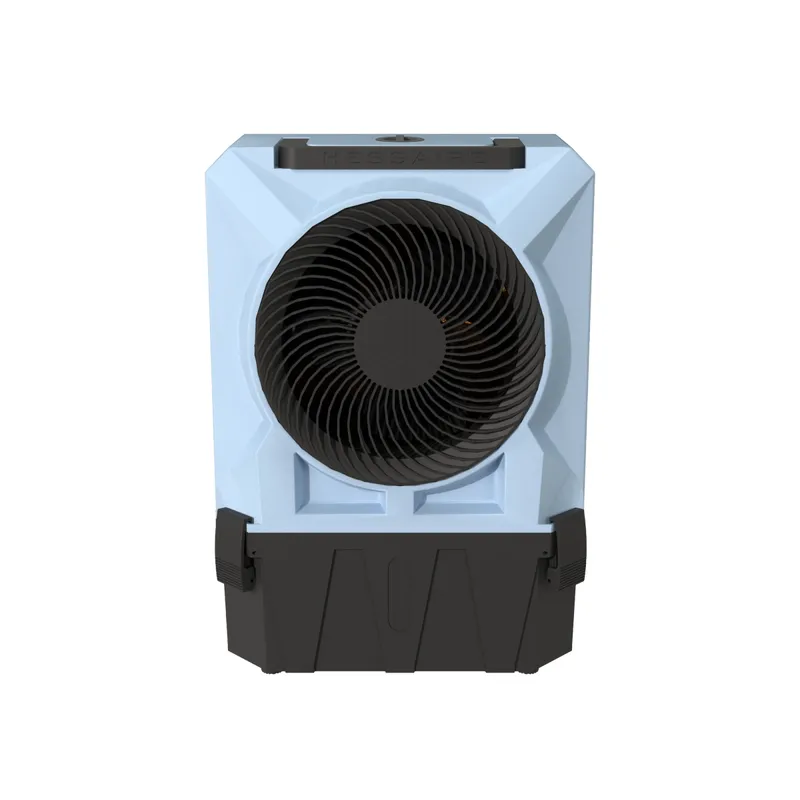 Official manufacturer image
Hessaire MC12V
Check price on Amazon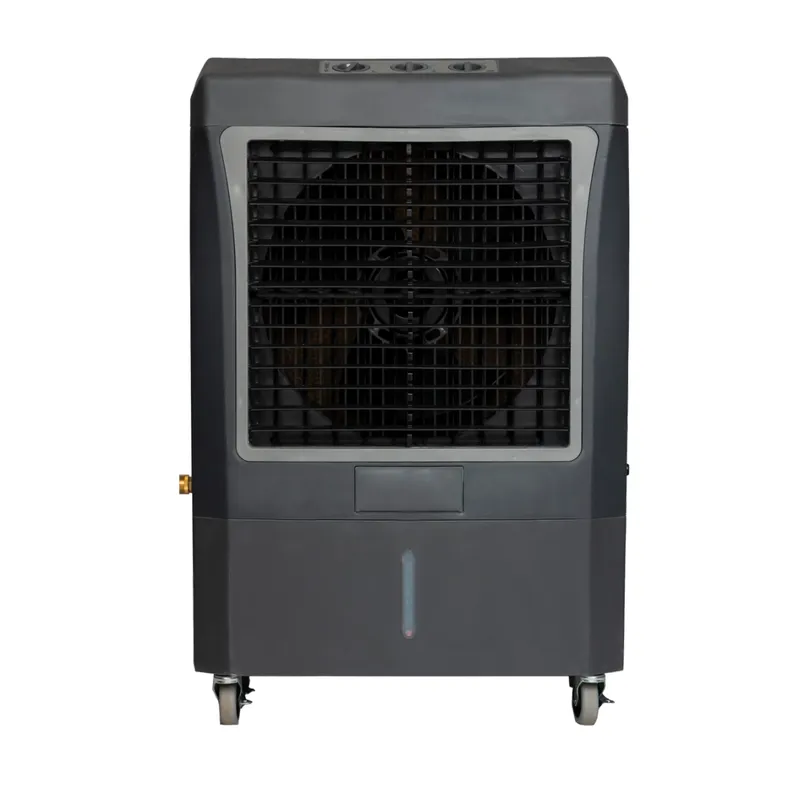 Official manufacturer image
Hessaire MC37M
Check price on AmazonCommon questions
Questions before you buy
What is an evaporative air cooler system?
It moves air across water-wetted media so evaporation removes heat from the airstream. Direct systems also add moisture; indirect designs use a heat exchanger to limit that effect.
Does an evaporative air cooler system need ventilation?
Yes, the setup generally needs a way for air to leave the cooled area as fresh air enters. Follow the design and installation guidance for your particular system.
What is the difference between direct and indirect cooling?
Direct cooling passes air through wet media and adds moisture. Indirect cooling transfers heat through a heat exchanger, so the supply air gains less moisture.
How often should an air cooler system be serviced?
Use the service schedule in the owner’s manual. Water quality, dust and operating conditions affect cleaning needs, so inspect the system as the manufacturer directs.