









 Official manufacturer image
Our picks
Top picks
Official manufacturer image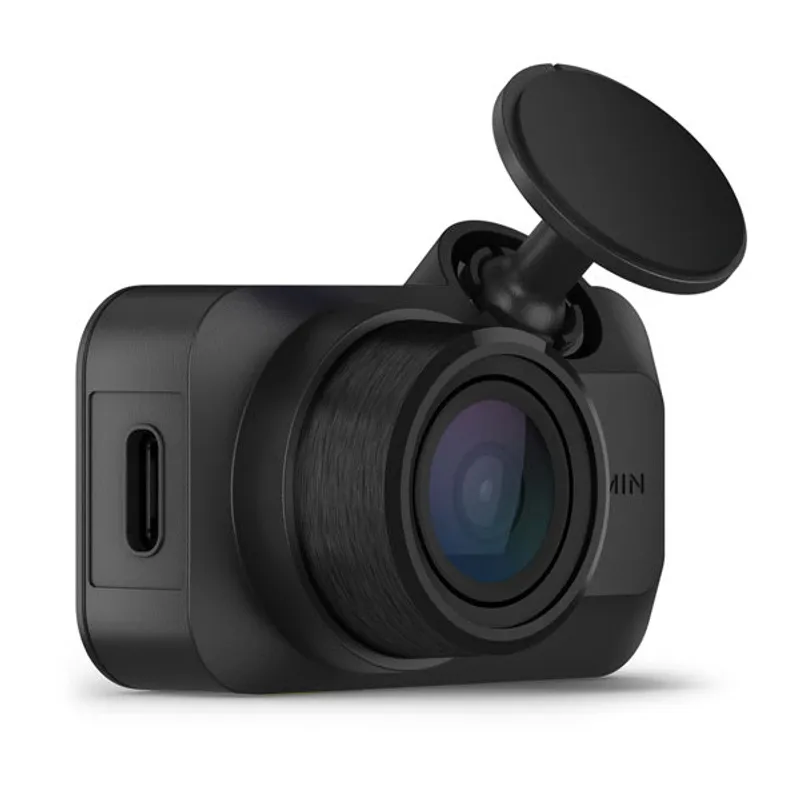 Official manufacturer image
Garmin Dash Cam Mini 3
Check price on Amazon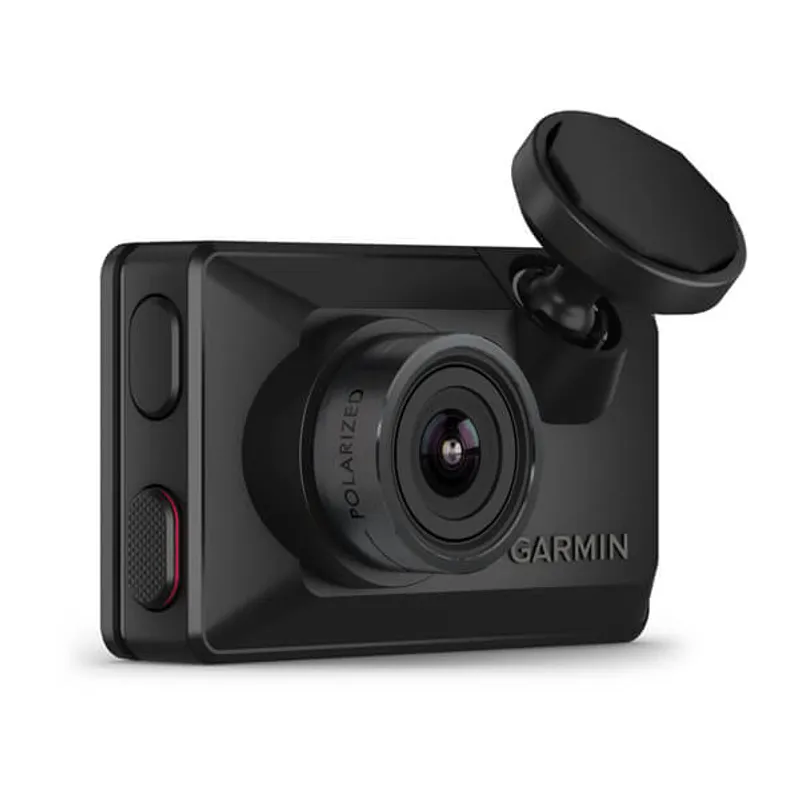 Official manufacturer image
Garmin Dash Cam X310
Check price on AmazonCommon questions
Questions before you buy
Is a front-and-rear dashcam better than front only?
It records more context and can capture a rear impact, but it adds wiring, storage use and installation work. Front only remains sensible when simplicity is the priority.
Is higher resolution always better for a dashcam?
No. Sensor performance, processing, lens quality, exposure and motion all affect usable detail. Compare representative footage alongside the stated resolution.
Should I choose a battery or supercapacitor dashcam?
Many purpose-built cameras use a supercapacitor for shutdown tasks and rely on vehicle power during recording. Small internal batteries are not necessarily intended for long cordless operation.
How much storage does a dashcam need?
It depends on bitrate, channel count, clip retention and the capacities the camera supports. Follow the manufacturer’s card specification and prioritize endurance-rated media.