








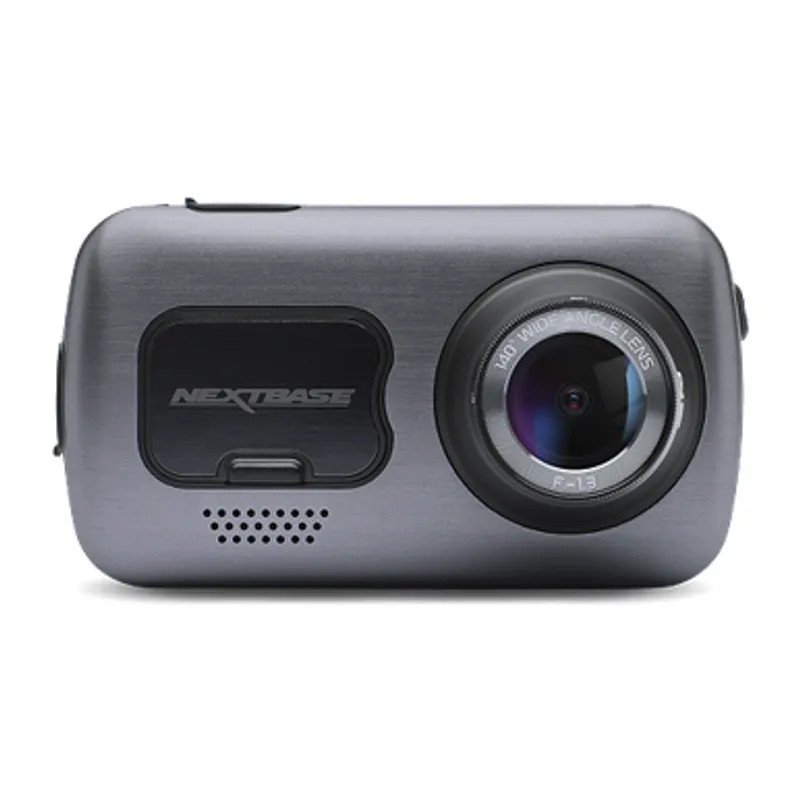
 Official manufacturer image
Our picks
Top picks
Official manufacturer image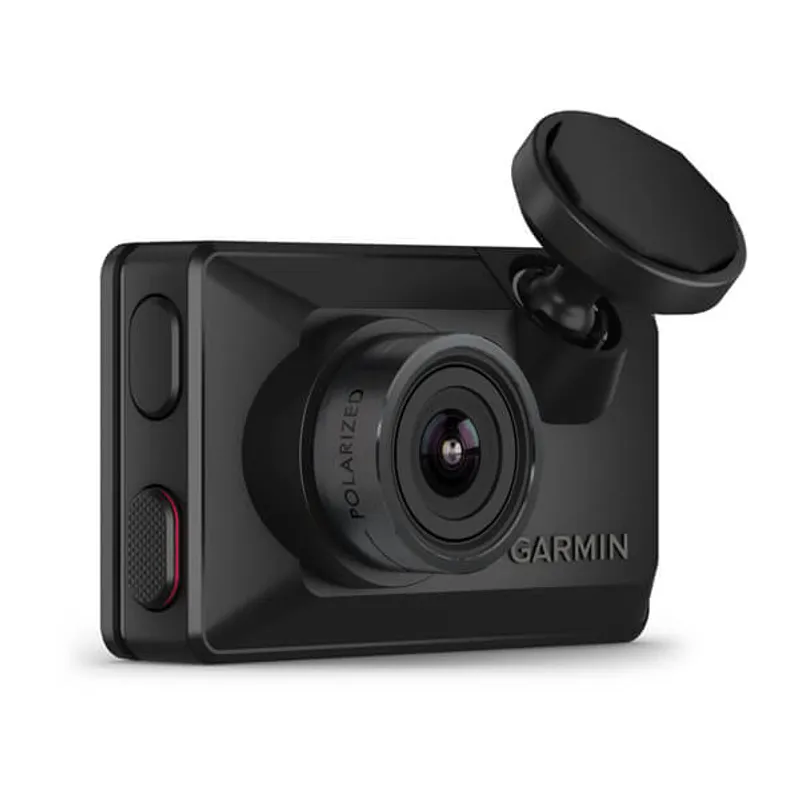 Official manufacturer image
Garmin Dash Cam X310
Check price on Amazon UK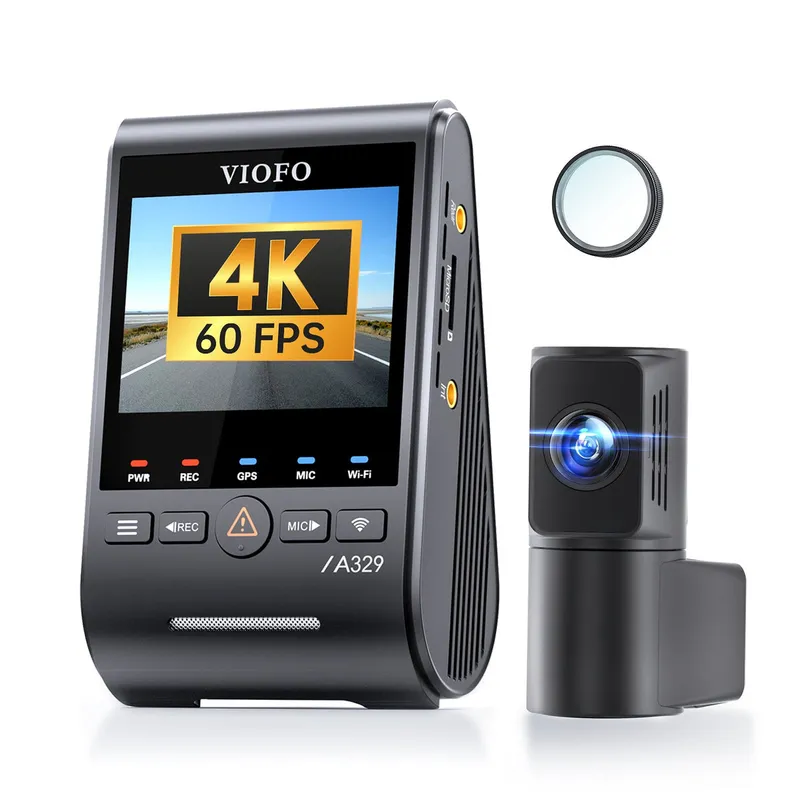 Official manufacturer image
VIOFO A329S 2CH
Check price on Amazon UKCommon questions
Questions before you buy
Is 4K always better than 2K for a dash cam?
Not necessarily. Sensor quality, bitrate, exposure, lens and motion all affect readable detail. Compare representative footage captured in the mode you will actually use.
Is front and rear better than front only?
It gives more context around the vehicle, especially from behind, but costs storage and adds fitting complexity. Front-only remains simpler to transfer between cars.
What field of view is best for a dash cam?
A wider view captures more across the road but can make distant detail smaller. Look for a balanced view and examine how the exact model handles distortion.
Which dash-cam feature matters most for parking?
Reliable supported power is fundamental. Compare trigger type, buffered capture, low-voltage protection and how the camera reports an event when you return.