









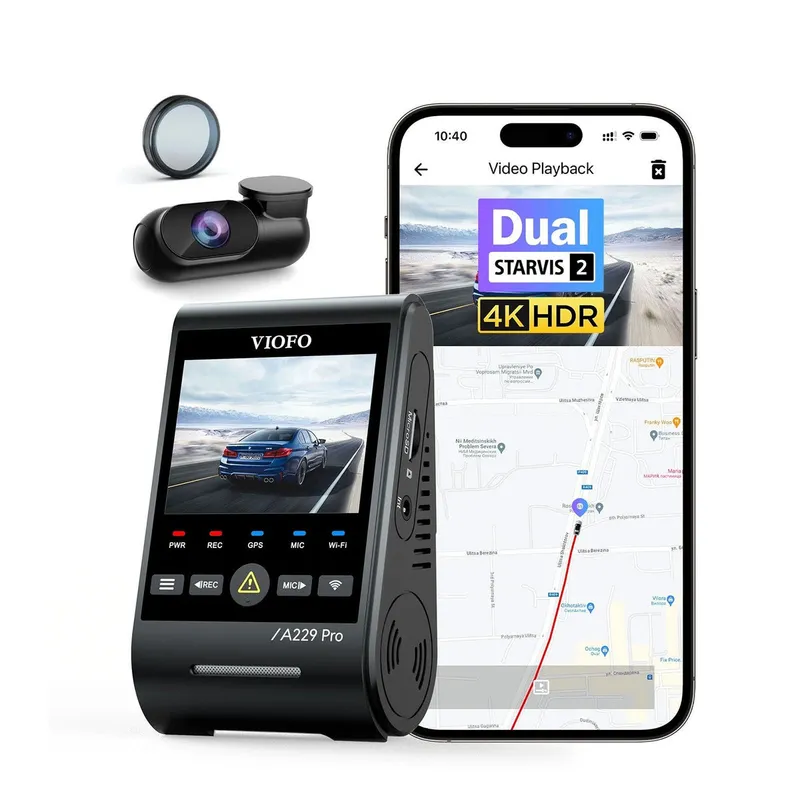
 Official manufacturer image
Our picks
Top picks
Official manufacturer image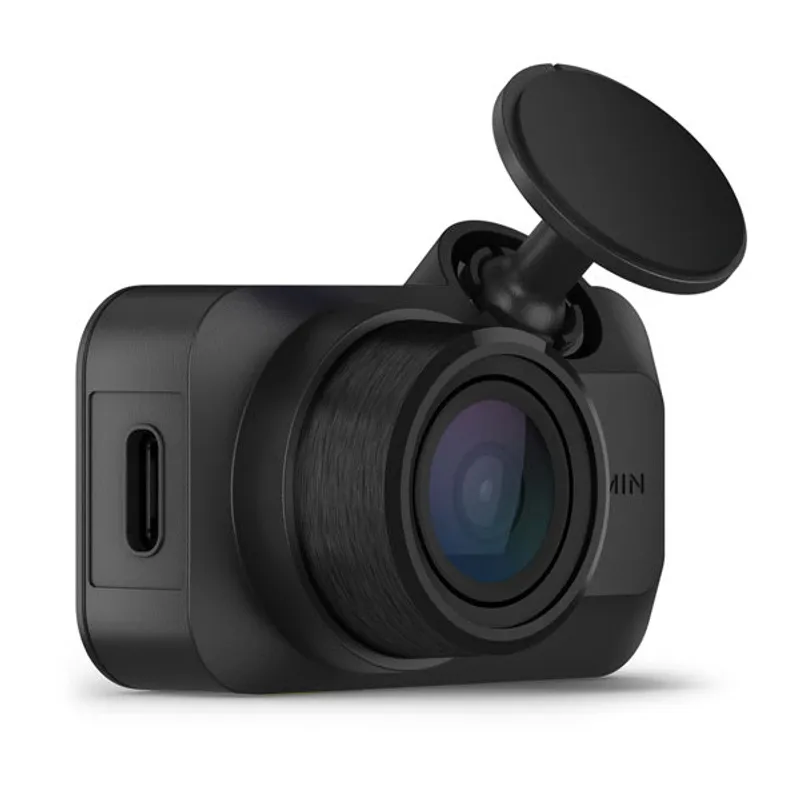 Official manufacturer image
Garmin Dash Cam Mini 3
Check price on Amazon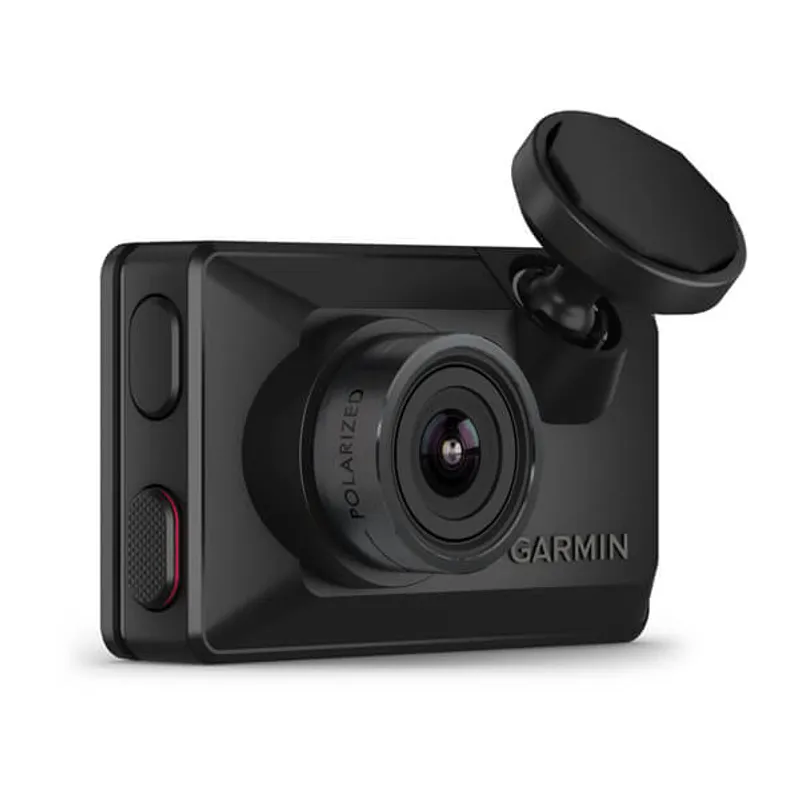 Official manufacturer image
Garmin Dash Cam X310
Check price on AmazonMore topics
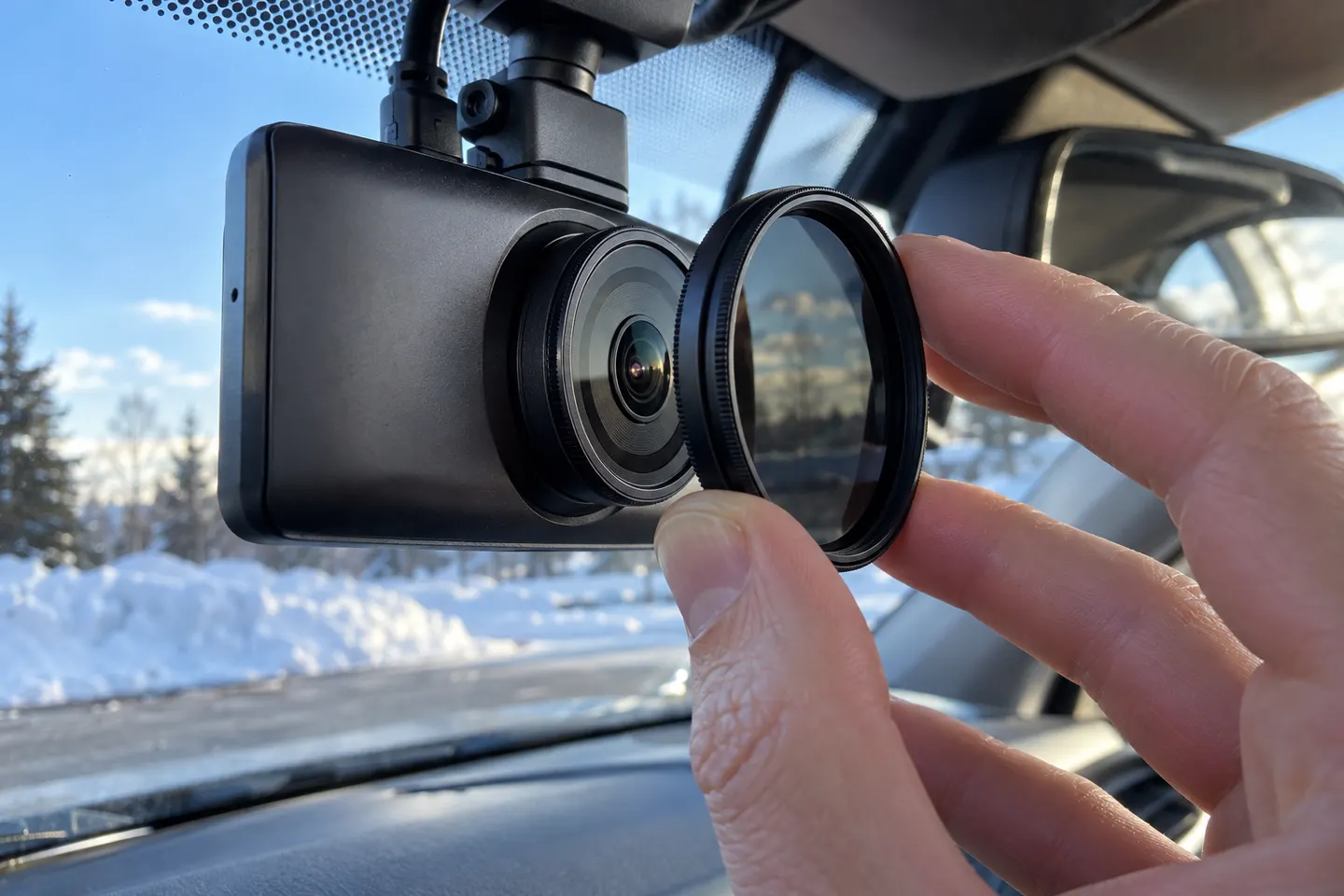 CPL Filter for Dashcam Windshield Reflections
Common questions
Questions before you buy
Is a polarizer filter worth using on a dash cam?
It can be worthwhile when dashboard or windshield reflections regularly obscure daytime footage. The benefit is smaller when reflections are already controlled.
Will a polarizer improve license-plate detail?
It may reduce glare in some conditions, but it cannot guarantee readable plates. Motion, distance, exposure, lighting, and camera resolution still matter.
Should I remove the filter at night?
A filter reduces light, so compare night clips with and without it. Whether removal helps depends on the camera and driving conditions.
Why are the corners dark after fitting a filter?
The filter or mount may intrude into the lens field of view. Refit it and confirm that it is specified for the camera.