Independent buying guidance · US editionHow we work
Gearjury
All categories
All categories
Best picksGood Meat Thermometers for Every Kind of Cook
Best picksBest WiFi Extenders: Which Range Extender Should You Buy?
Best picksBest Dash Cams for Cars in 2026
Best picksBest Radar Detectors for Cars: Models Compared
Best picksGood Winter Gloves for Cold Weather: Five Useful Picks
Best picksBest Headlamps: Six Lights Compared for Different Uses
Best picksTop 10 Best Battery-Powered Weed Eaters for Different Yards
Best picksBest Portable Air Coolers for Patios, Workshops and Small Spaces (2026)
Best picksBest Air Purifier for Bedroom in the US: Quiet Models Compared
United StatesEnglish

Category hub

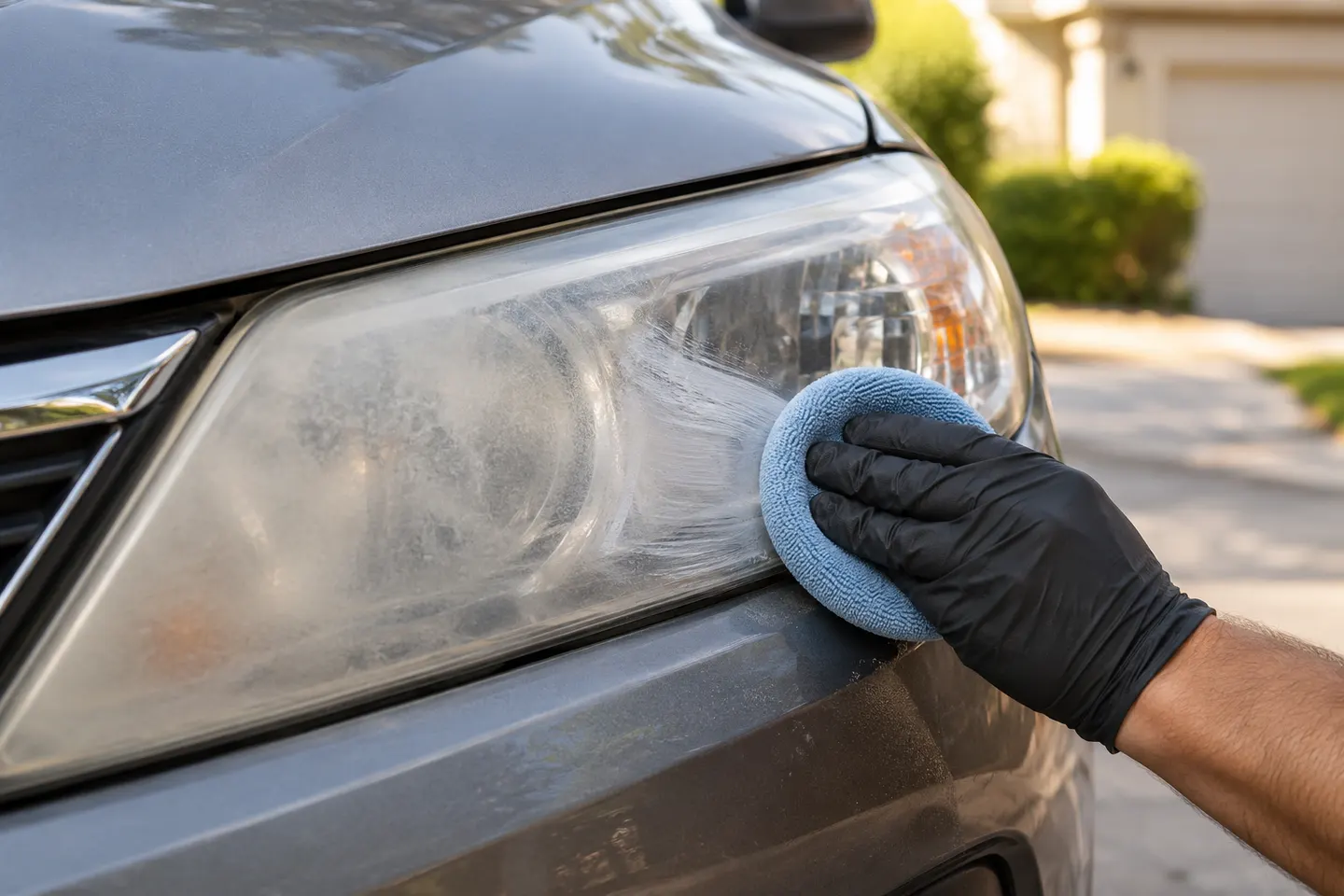
Headlamp Oxidation Removal: A Careful Restoration Guide

Headlamp oxidation removal addresses haze on an exterior vehicle lens.

Headlamp oxidation removal addresses haze on an exterior vehicle lens. Distinguish surface oxidation from internal moisture, a crack or a failed bulb. Choose a process made for automotive plastic and follow its finishing and protection steps; exterior polishing will not repair internal damage.

Headlamp Oxidation Removal: A Careful Restoration Guide

More topics

1

Common questions

Questions before you buy

What causes lens oxidation?

Sun and weather exposure can degrade the protective surface of plastic lenses.

Can removal restore a cloudy lens?

A suitable process may improve exterior haze, but not cracks or internal damage.

Should I protect the lens after polishing?

Follow the kit specified finishing step to protect the restored surface.

Does toothpaste remove oxidation?

Use a purpose-made process with compatible instructions and protective finish.