Independent buying guidance · US editionHow we work
Gearjury
All categories
All categories
Best picksGood Meat Thermometers for Every Kind of Cook
Best picksBest WiFi Extenders: Which Range Extender Should You Buy?
Best picksBest Dash Cams for Cars in 2026
Best picksBest Radar Detectors for Cars: Models Compared
Best picksGood Winter Gloves for Cold Weather: Five Useful Picks
Best picksBest Headlamps: Six Lights Compared for Different Uses
Best picksTop 10 Best Battery-Powered Weed Eaters for Different Yards
Best picksBest Portable Air Coolers for Patios, Workshops and Small Spaces (2026)
Best picksBest Air Purifier for Bedroom in the US: Quiet Models Compared
United StatesEnglish

Category hub

Green Egg Meat Thermometers for Grilling and Smoking

Use an instant-read probe to check food at several points, a leave-in probe for long cooks and the dome gauge to monitor the cooker. These measurements answer different questions.

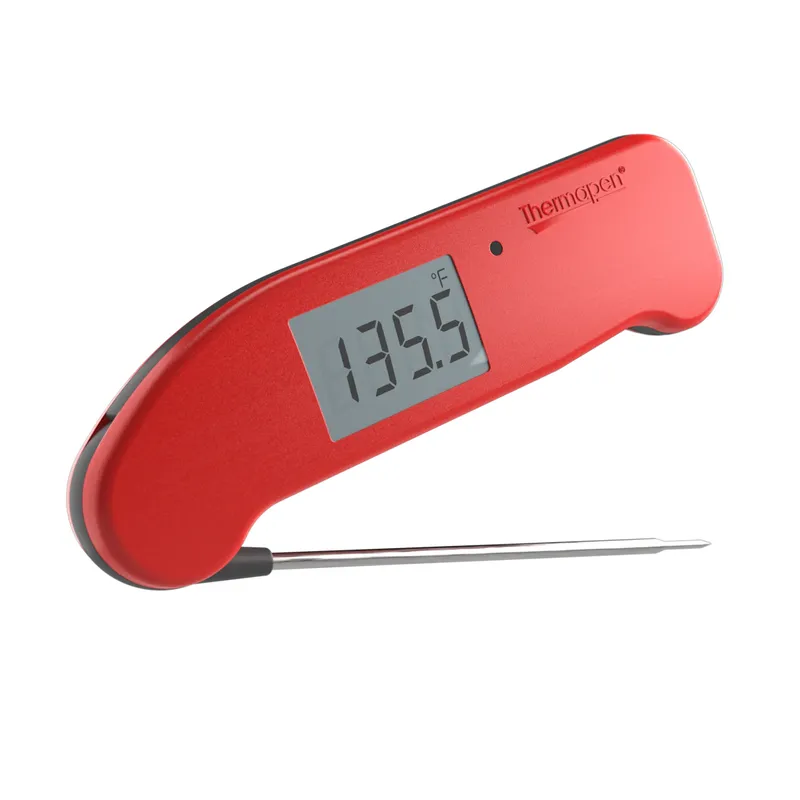
A Green Egg meat thermometer should match the decision you need to make. Big Green Egg's folding instant-read food thermometer is for spot-checking the center of meat, while wireless and cabled probes monitor a cook over time. The thermometer in the ceramic dome measures air near the dome, not the internal temperature of food and not necessarily the temperature at grate level.

More topics

1

Common questions

Questions before you buy

Do I still need a meat thermometer if my Big Green Egg has a dome gauge?

Yes. The dome gauge measures cooker air, while a food probe measures internal temperature; neither reading substitutes for the other.

Where should a probe sit in meat on a Green Egg?

Place the sensing area in the thickest section, away from bone, fat and gristle, and check multiple locations when the food is large or irregular.

Can an instant-read Green Egg thermometer stay in during cooking?

A folding instant-read model is meant for brief checks. Use a manufacturer-approved leave-in probe for continuous monitoring.

Why do dome and grate temperatures differ?

They measure different locations, and heat distribution changes with airflow, setup and food placement. Compare readings only after noting where each sensor sits.