Why a food thermometer is not for fever
It is designed and validated for food tasks, not clinical body-temperature measurement. Its range, sensing shape, response, labeling, and cleaning directions serve another purpose.

 Best picksGood Meat Thermometers for Every Kind of Cook
 Best picksBest WiFi Extenders: Which Range Extender Should You Buy?
 Best picksBest Dash Cams for Cars in 2026
 Best picksBest Radar Detectors for Cars: Models Compared
 Best picksGood Winter Gloves for Cold Weather: Five Useful Picks
 Best picksBest Headlamps: Six Lights Compared for Different Uses
 Best picksBest Portable Air Coolers for Patios, Workshops and Small Spaces (2026)
 Best picksTop 10 Best Battery-Powered Weed Eaters for Different Yards
 Best picksBest Air Purifier for Bedroom in the US: Quiet Models Compared
Gearjury may earn a commission from qualifying purchases made through retailer links.
Guide
No. A food thermometer is not a clinical thermometer and should not be used to assess body temperature or make health decisions.
It is designed and validated for food tasks, not clinical body-temperature measurement. Its range, sensing shape, response, labeling, and cleaning directions serve another purpose.
Choose a clinical thermometer labeled for the intended measurement site and user. Follow its instructions exactly.
A sharp stem can cause injury, and food-contact contamination creates an avoidable hygiene problem.
If illness is severe or concerning, seek appropriate medical advice instead of relying on a food thermometer result.
Common questions
A displayed number would not make it an appropriate or clinically reliable fever measurement. Use a clinical thermometer.
No. Cleaning does not convert a kitchen tool into a medical device, and the probe may cause injury.
No. Use a noncontact clinical thermometer specifically labeled for measuring human body temperature.
Use a clinical digital or infrared thermometer intended for the measurement site, following its instructions.
Keep exploring
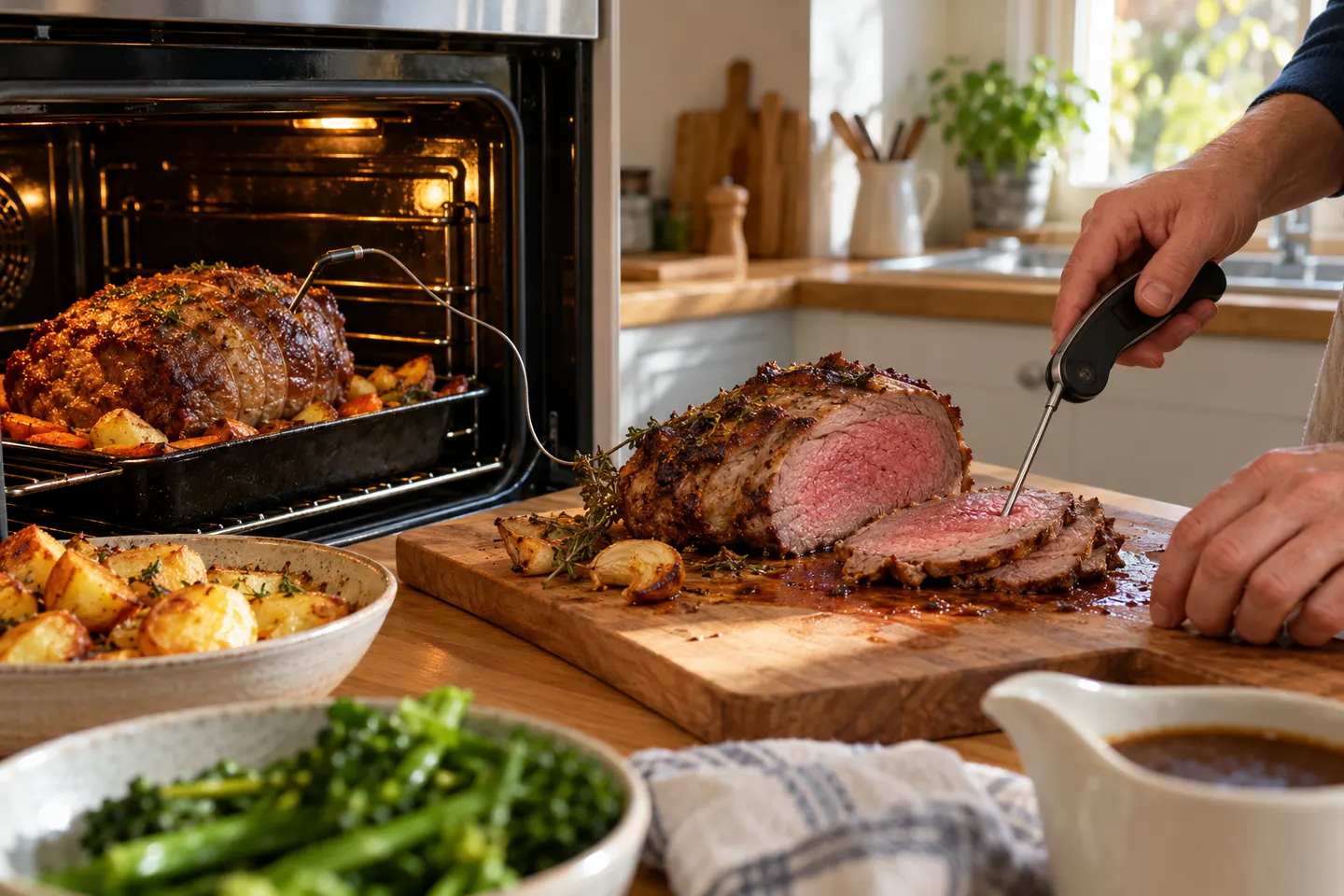
Start with a dependable instant-read thermometer; add a leave-in or wireless probe when you want continuous monitoring.
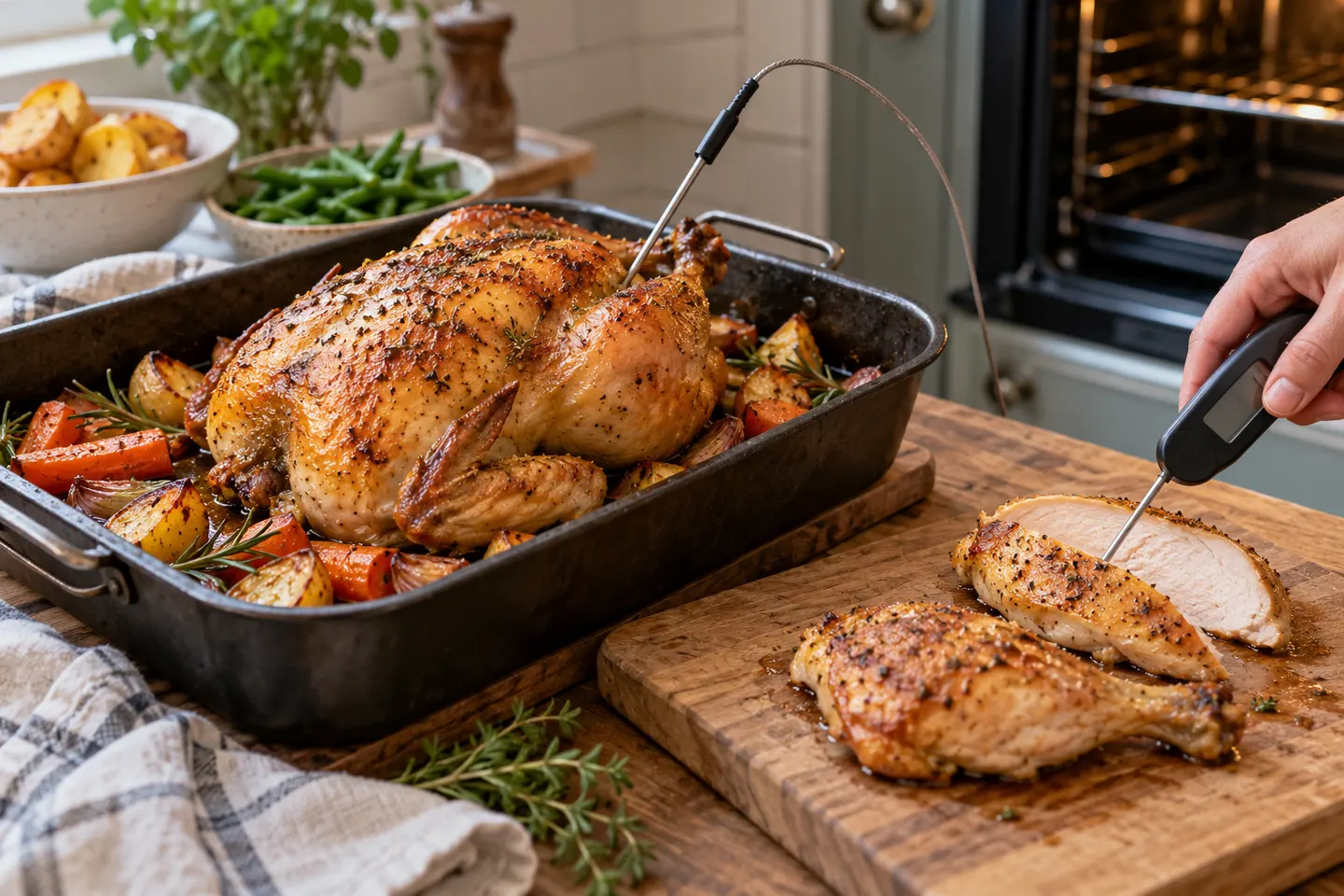
A fast, thin probe works well for portions; a heat-safe leave-in probe makes a whole roast easier to monitor.
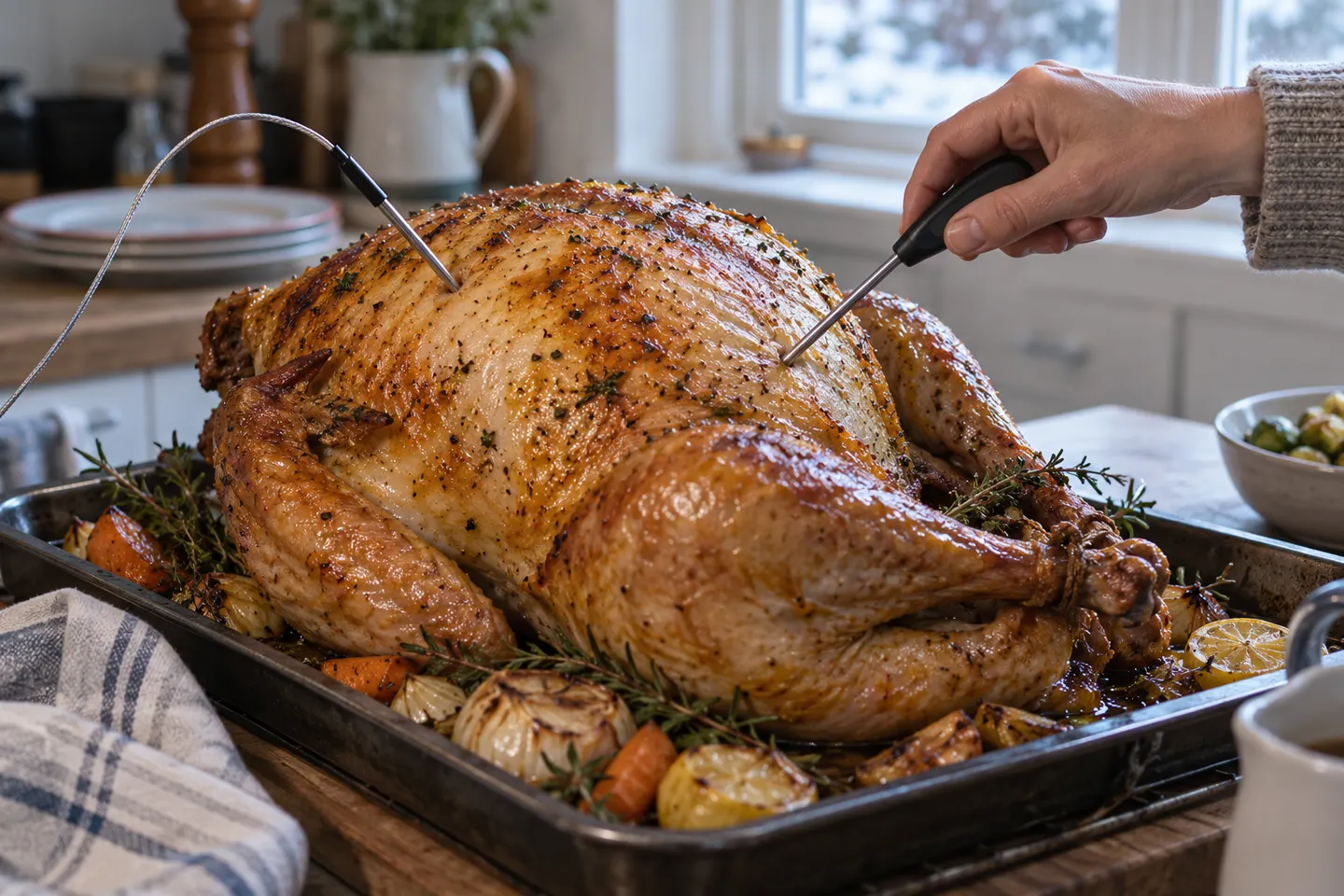
Use a leave-in probe to track the cook and an instant-read model to check more than one spot before serving.
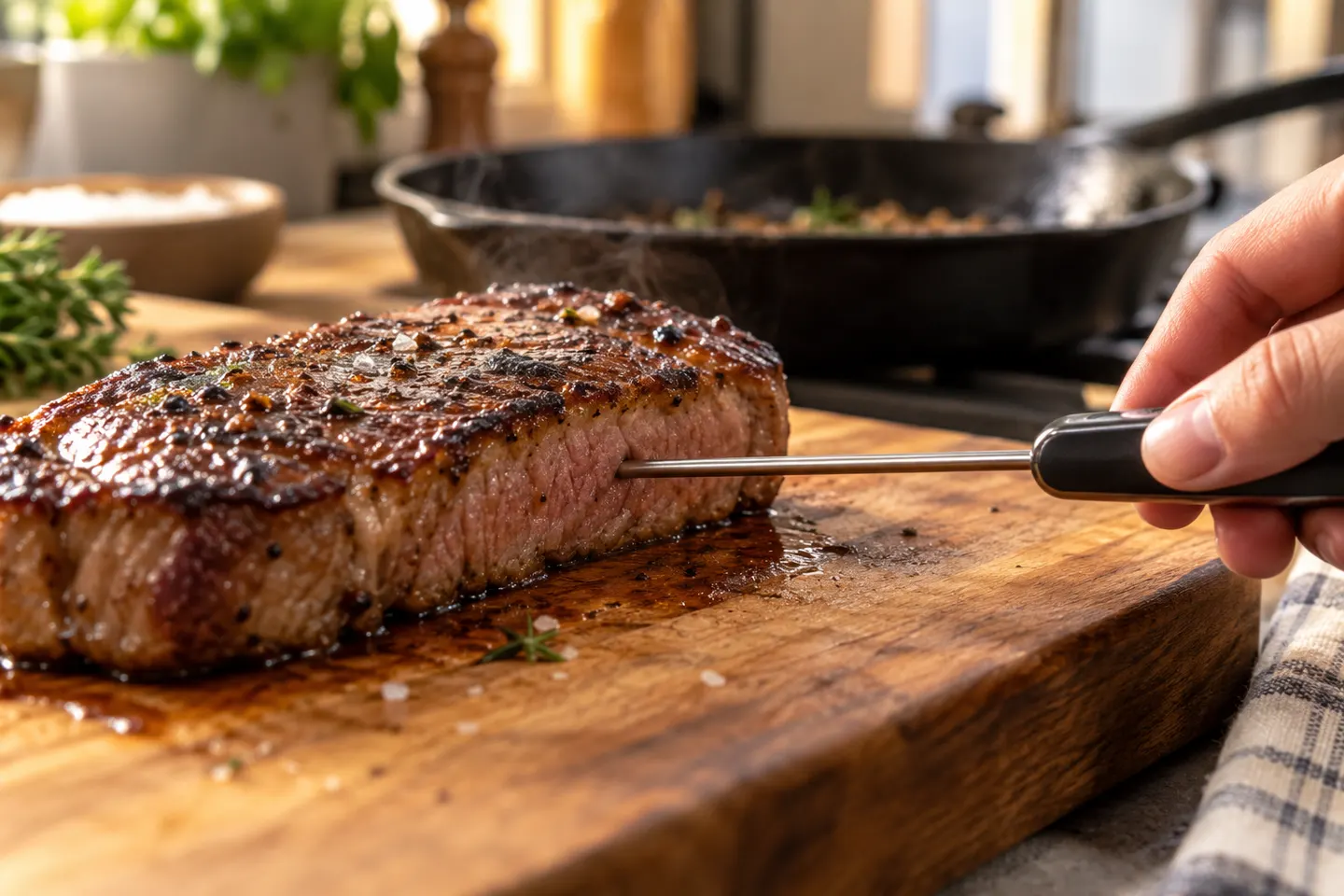
A fast instant-read probe is the most practical choice for steaks; insert it from the side into the center.