Independent buying guidance · US editionHow we work
Gearjury
All categories
All categories
Best picksGood Meat Thermometers for Every Kind of Cook
Best picksBest WiFi Extenders: Which Range Extender Should You Buy?
Best picksBest Dash Cams for Cars in 2026
Best picksBest Radar Detectors for Cars: Models Compared
Best picksGood Winter Gloves for Cold Weather: Five Useful Picks
Best picksBest Headlamps: Six Lights Compared for Different Uses
Best picksTop 10 Best Battery-Powered Weed Eaters for Different Yards
Best picksBest Portable Air Coolers for Patios, Workshops and Small Spaces (2026)
Best picksBest Air Purifier for Bedroom in the US: Quiet Models Compared
United StatesEnglish

Gearjury may earn a commission when you buy through a retailer link. This does not affect our editorial guidance.

Guide

What Action Should You Take After Using a Food Thermometer?

Wash the food-contact portion with hot, soapy water, following the manufacturer's care instructions. Dry it, protect the probe, store it safely, and recalibrate only when accuracy may have changed or the instructions require it.

01

What should you do after using a food thermometer?

Clean it promptly so residue from raw or cooked food is not carried to another item or surface. USDA guidance says food thermometers should be washed with hot, soapy water or cleaned according to the manufacturer's instructions, and notes that most thermometers should not be immersed.
02

Wash the probe without damaging the thermometer

Keep the sharp end pointed away from your hand. Wash the food-contact portion carefully, paying attention to seams, then dry it with a clean towel or let it air-dry as its instructions direct. Do not put the body, display, cable connection, or battery compartment underwater unless the manufacturer explicitly identifies the product as suitable for immersion.

03

Prevent cross-contamination before the next reading

A probe that touched raw meat or poultry should not go into cooked food until it has been properly cleaned. In a food-service setting, follow the applicable local code and the establishment's cleaning and sanitizing procedure; the FDA Food Code treats thermometers as food-contact equipment that can transfer microorganisms.

04

A food handler should calibrate a thermometer after what events?

Check calibration when accuracy may have been affected, such as after a drop, rough handling, a major temperature change, or an unexpected reading, and at the interval required by the workplace or manufacturer. The FDA Food Code says food temperature measuring devices should be calibrated according to manufacturer specifications as necessary to ensure accuracy.

05

How should you recalibrate a food thermometer?

Use the method specified for that model. USDA describes ice-water and boiling-water checks, but not every thermometer is user-adjustable; if the reading is outside the maker's allowed tolerance, adjust it only as directed or arrange service or replacement.

06

Store the thermometer with the probe protected

Once dry, place the probe in its stem sheath if one is provided and store the thermometer where it will not be bent, dropped, or exposed to damaging heat or moisture. USDA specifically recommends protected storage because probes are sharp and some thermometers are vulnerable to rough handling.

07

What is the purpose of using a thermometer when cooking?

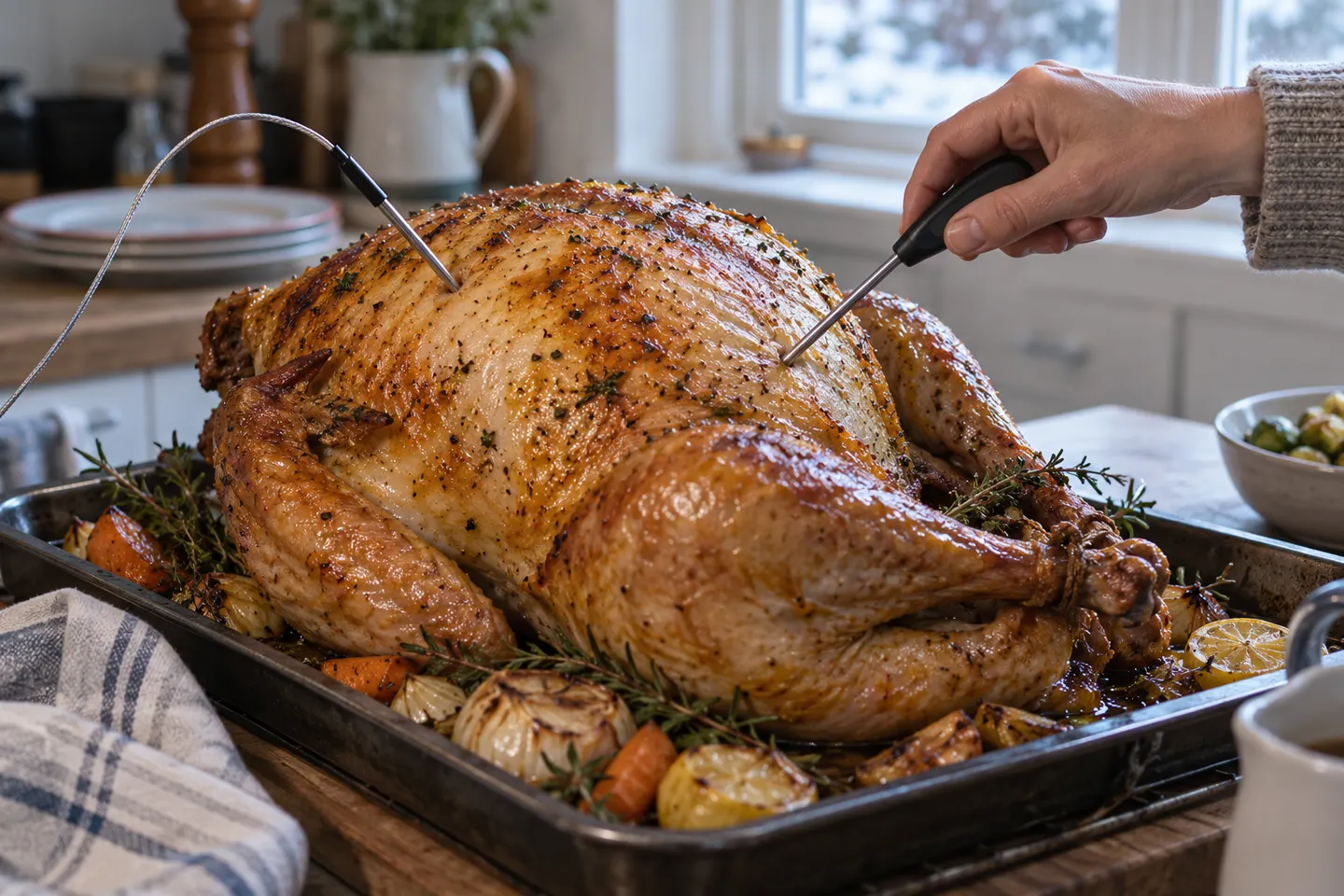
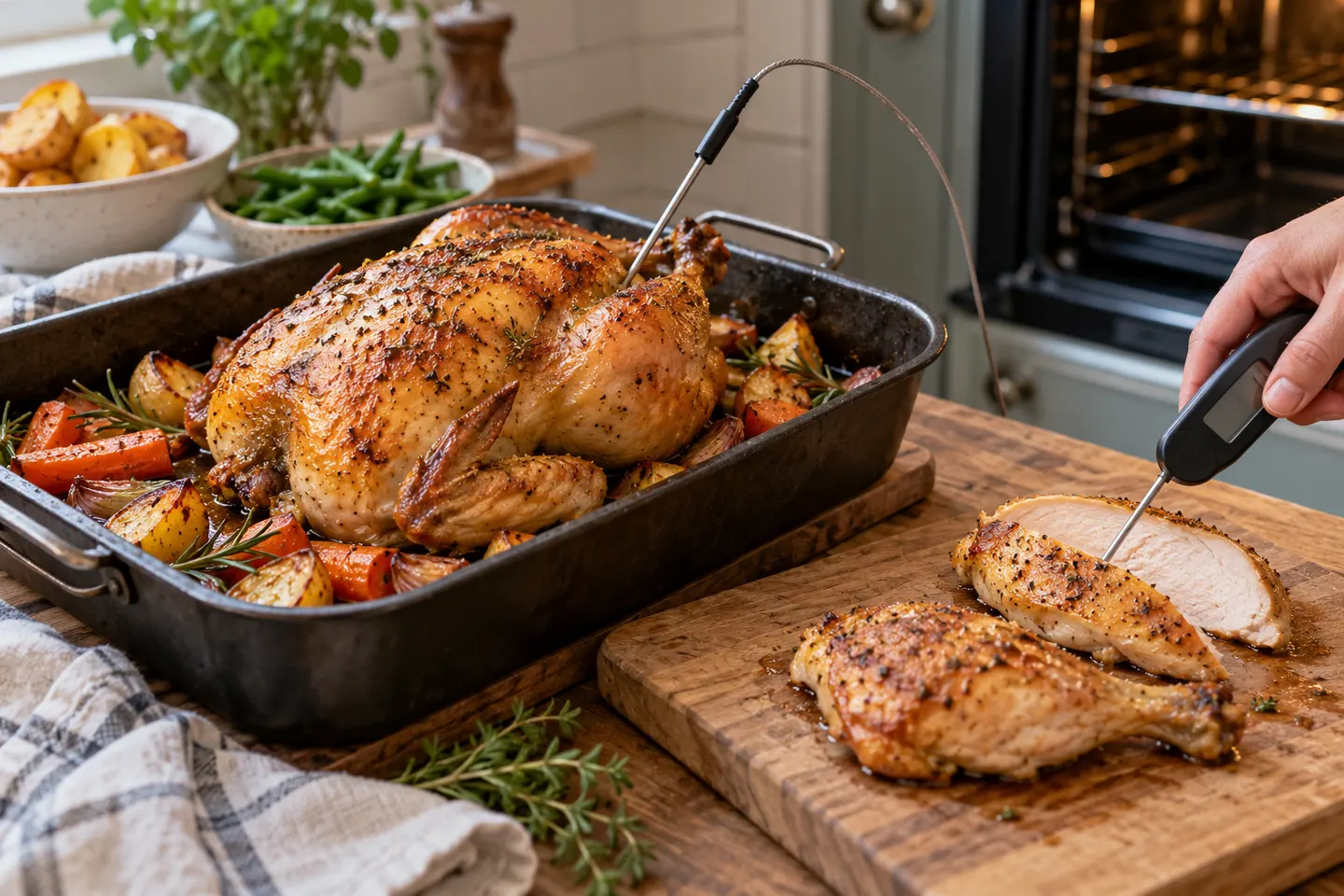
A food thermometer measures internal temperature so you can judge safety by a reading rather than color, texture, or cooking time alone. Place it in the correct part of the food and compare the result with current official guidance for that food.

Common questions

Questions before you buy

What should you do after using a food thermometer?

Wash the food-contact portion with hot, soapy water or follow the manufacturer's directions, then dry it and store the protected probe safely. Avoid immersing the unit unless its instructions allow it.

A food handler should calibrate a thermometer after what?

Calibration should be checked after an event that may affect accuracy, such as a drop, rough handling, an extreme temperature change, or a suspicious reading, and whenever the manufacturer or workplace procedure requires it.

A food handler should recalibrate a thermometer after what?

Recalibrate after a permitted accuracy check shows the device is outside the manufacturer's tolerance. Some models cannot be adjusted, so follow the product instructions for service or replacement.

What is the purpose of using a thermometer when cooking?

It measures the food's internal temperature, helping you determine whether it has reached the official safe target without relying on appearance alone. It can also help you avoid unnecessary overcooking.

Sources and how we chose