Independent buying guidance · US editionHow we work
Gearjury
All categories
All categories
Best picksGood Meat Thermometers for Every Kind of Cook
Best picksBest WiFi Extenders: Which Range Extender Should You Buy?
Best picksBest Dash Cams for Cars in 2026
Best picksBest Radar Detectors for Cars: Models Compared
Best picksGood Winter Gloves for Cold Weather: Five Useful Picks
Best picksBest Headlamps: Six Lights Compared for Different Uses
Best picksTop 10 Best Battery-Powered Weed Eaters for Different Yards
Best picksBest Portable Air Coolers for Patios, Workshops and Small Spaces (2026)
Best picksBest Air Purifier for Bedroom in the US: Quiet Models Compared
United StatesEnglish

Category hub

No Meat Thermometer? What You Can and Cannot Check

If you have no meat thermometer, you cannot verify that meat or poultry reached a safe internal temperature by color, juices or touch alone. The safest practical choice is to obtain a food thermometer.

No meat thermometer means there is no reliable way to verify internal temperature. USDA guidance says color and grill marks are not dependable safety indicators, and firmness or clear juices do not measure the coolest part of a cut. Cooking longer may reduce uncertainty, but it does not turn a visual cue into a measurement.

Common questions

Questions before you buy

How can I tell if chicken is done without a meat thermometer?

You cannot reliably confirm its internal temperature from appearance or juices. USDA recommends measuring the required areas with a food thermometer.

Can I check steak by pressing it with my finger?

Touch may suggest texture preference, but it cannot verify a safe internal temperature and varies with cut and cooking conditions.

Can a no-touch thermometer check cooked meat?

An infrared thermometer reads the surface, not the thermal center. It cannot replace an inserted food probe for internal doneness.

What type should I buy if I rarely cook meat?

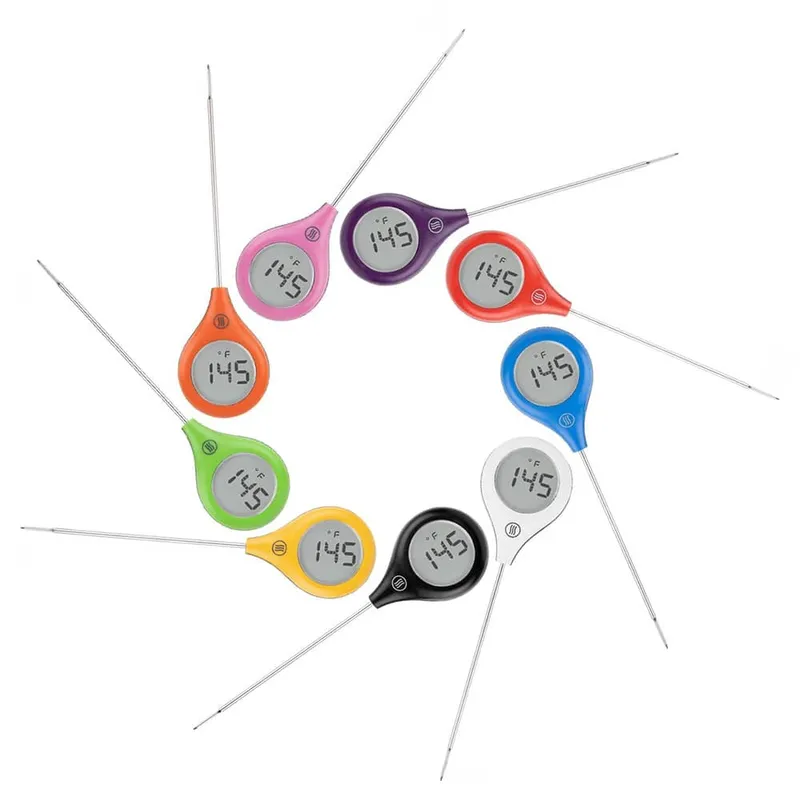
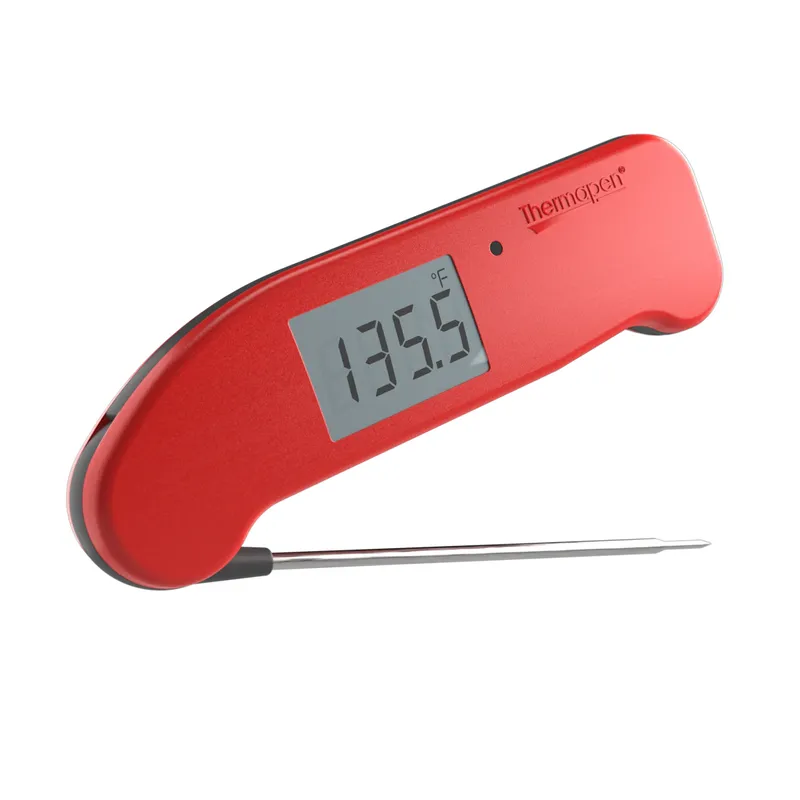
A simple digital instant-read model is versatile and stores easily. Prioritize a clear accuracy specification and an appropriate sensing tip.