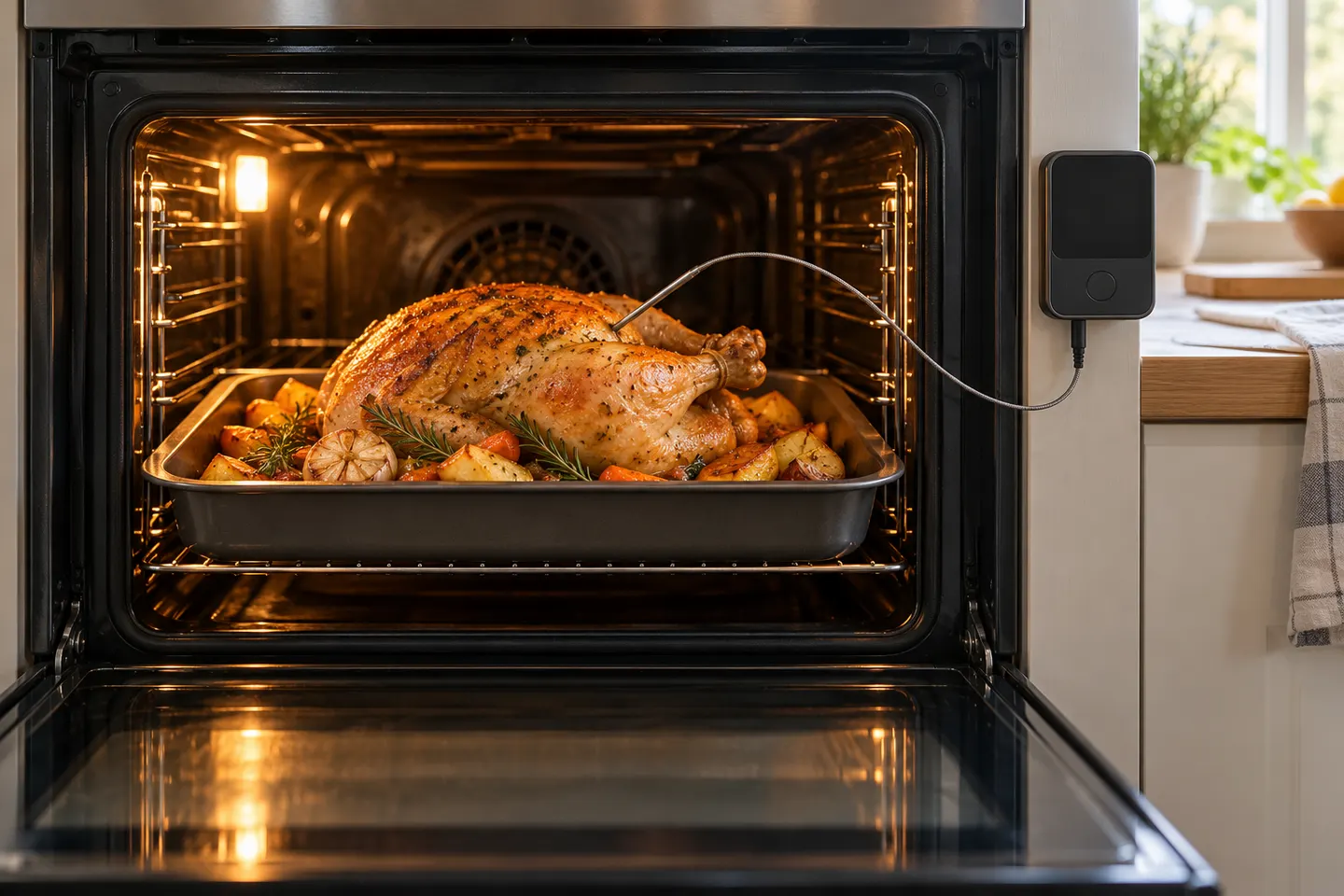
Best Meat Oven Thermometers for Leave-In Monitoring
ThermoWorks ChefAlarm is our top single-probe wired choice. DOT keeps controls simpler, Taylor 1471N adds presets, and TempSpike models remove the oven-door cable.

 Best picksGood Meat Thermometers for Every Kind of Cook
 Best picksBest WiFi Extenders: Which Range Extender Should You Buy?
 Best picksBest Dash Cams for Cars in 2026
 Best picksBest Radar Detectors for Cars: Models Compared
 Best picksGood Winter Gloves for Cold Weather: Five Useful Picks
 Best picksBest Headlamps: Six Lights Compared for Different Uses
 Best picksTop 10 Best Battery-Powered Weed Eaters for Different Yards
 Best picksBest Portable Air Coolers for Patios, Workshops and Small Spaces (2026)
 Best picksBest Air Purifier for Bedroom in the US: Quiet Models Compared
Start here
ThermoWorks ChefAlarm is our top single-probe wired choice. DOT keeps controls simpler, Taylor 1471N adds presets, and TempSpike models remove the oven-door cable.
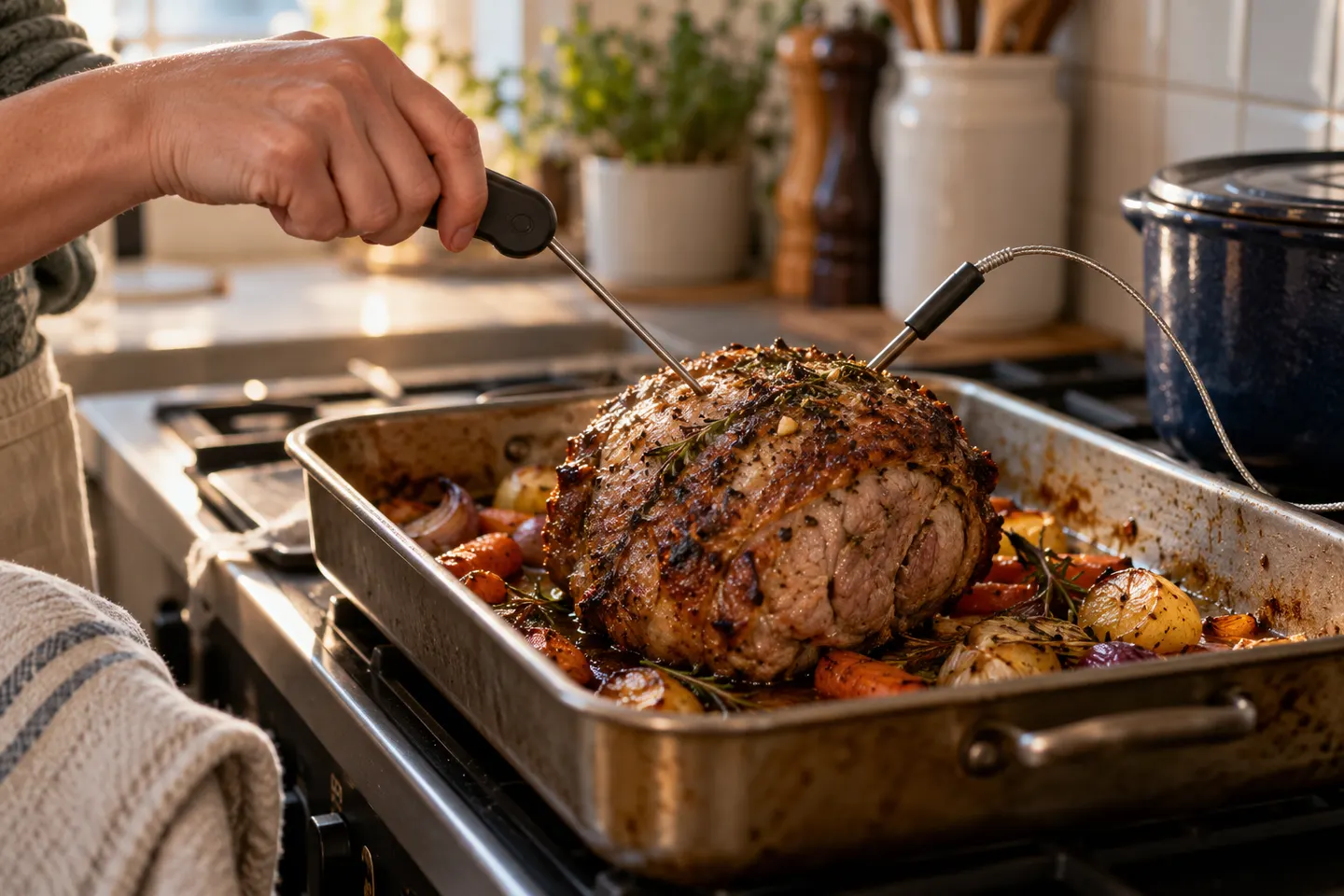
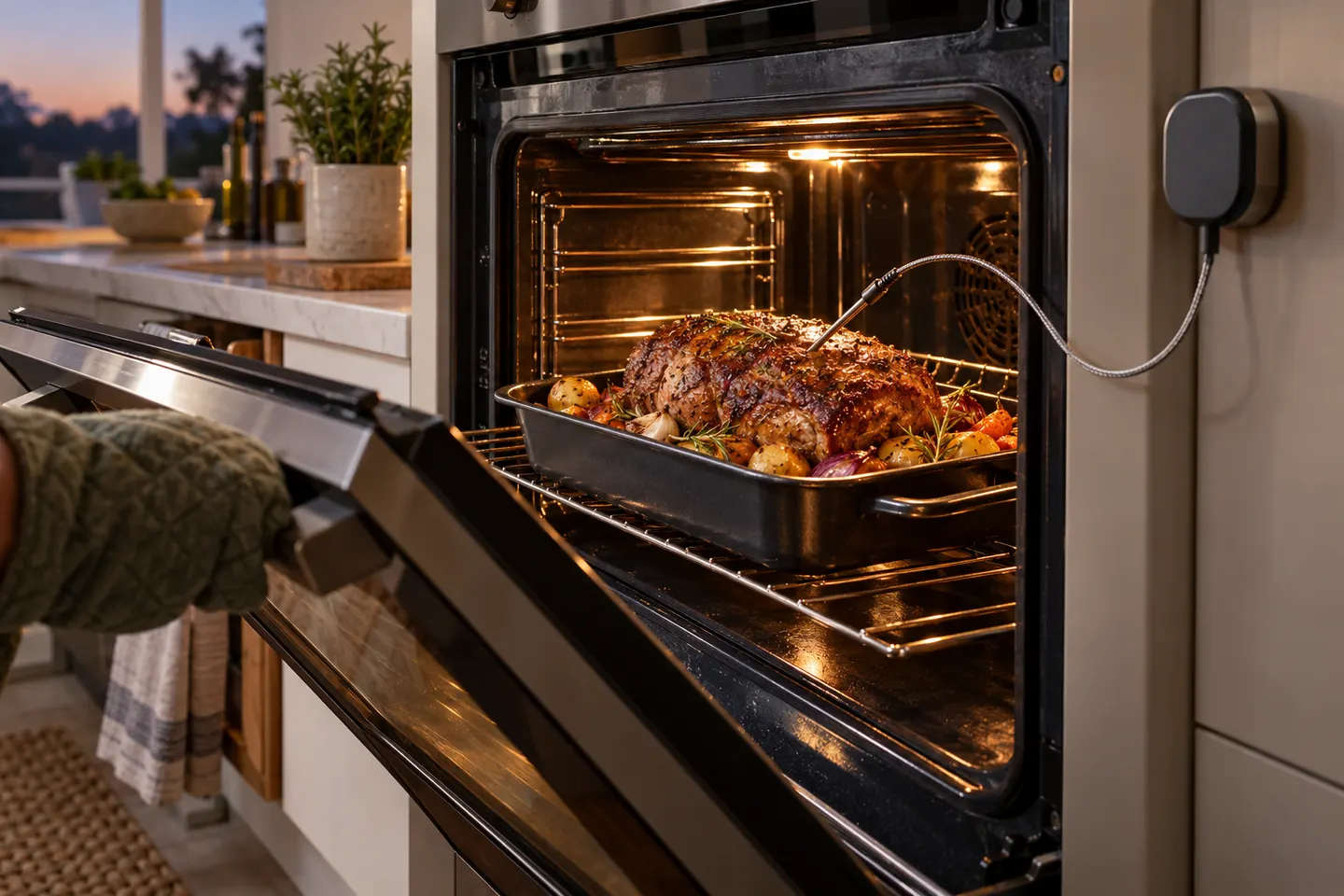
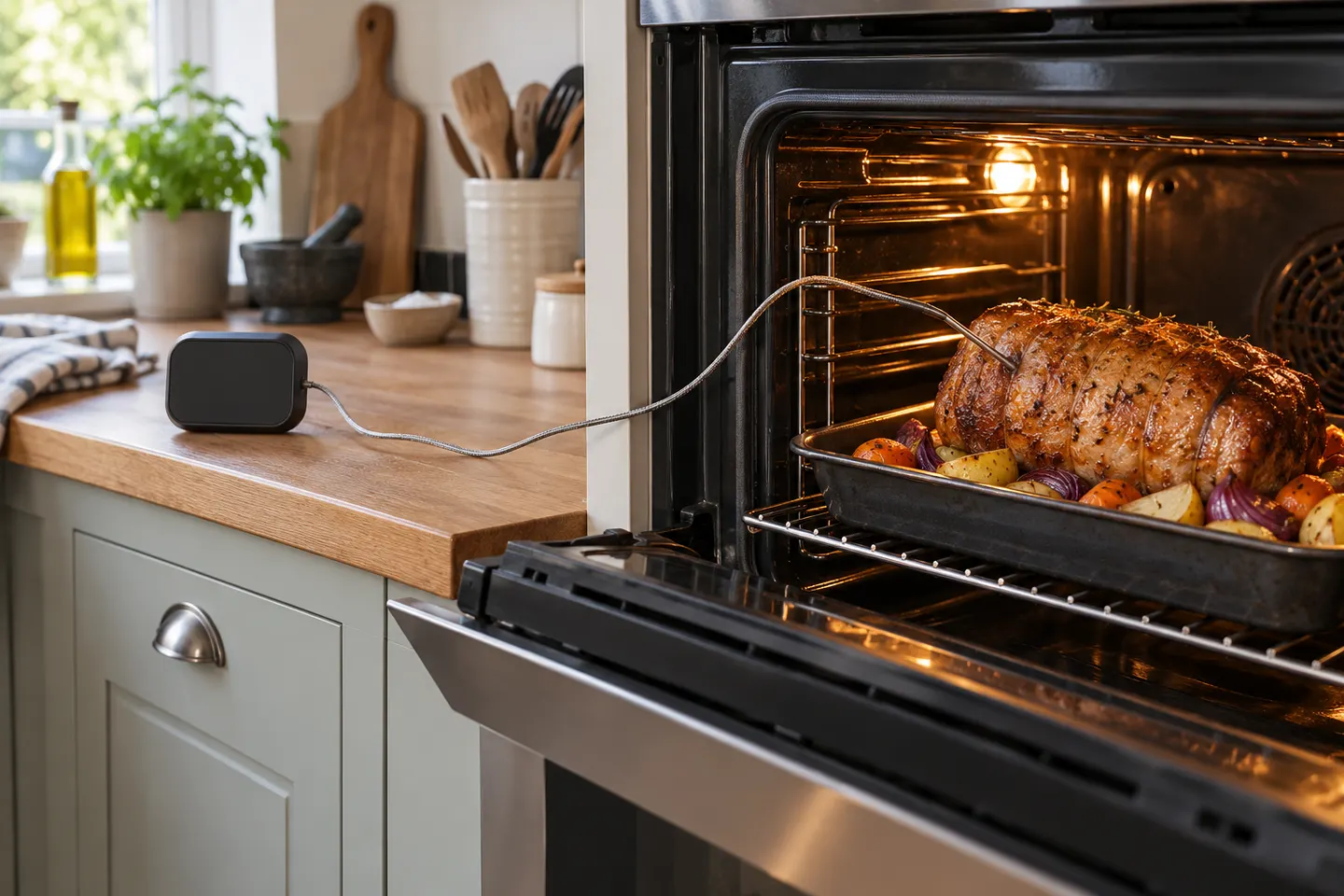
Yes, but only with an oven-safe leave-in thermometer. Remove instant-read models after each check unless their instructions explicitly say otherwise.
Our picks
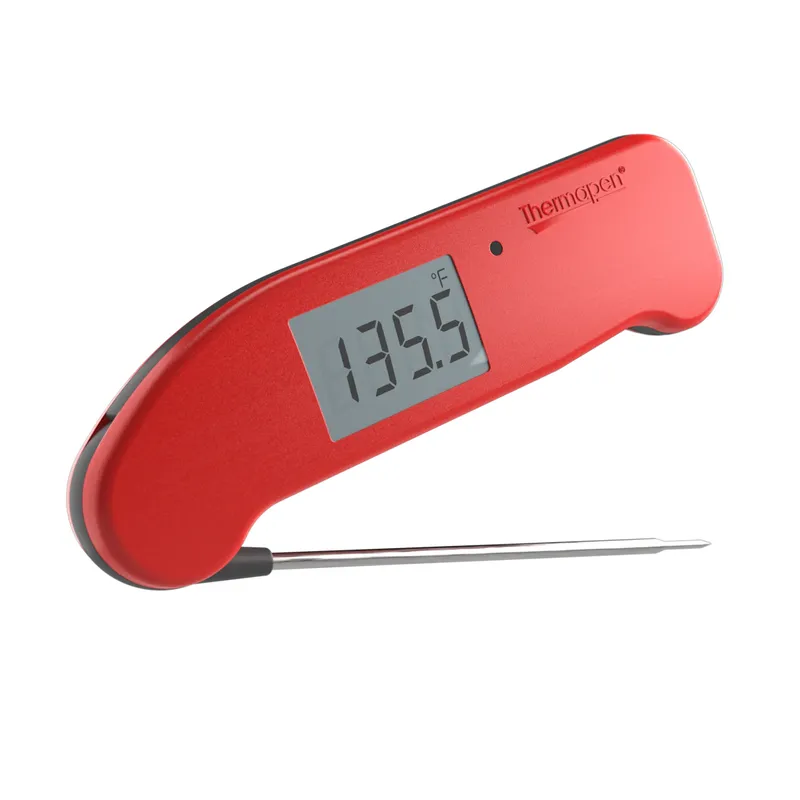 Official manufacturer image
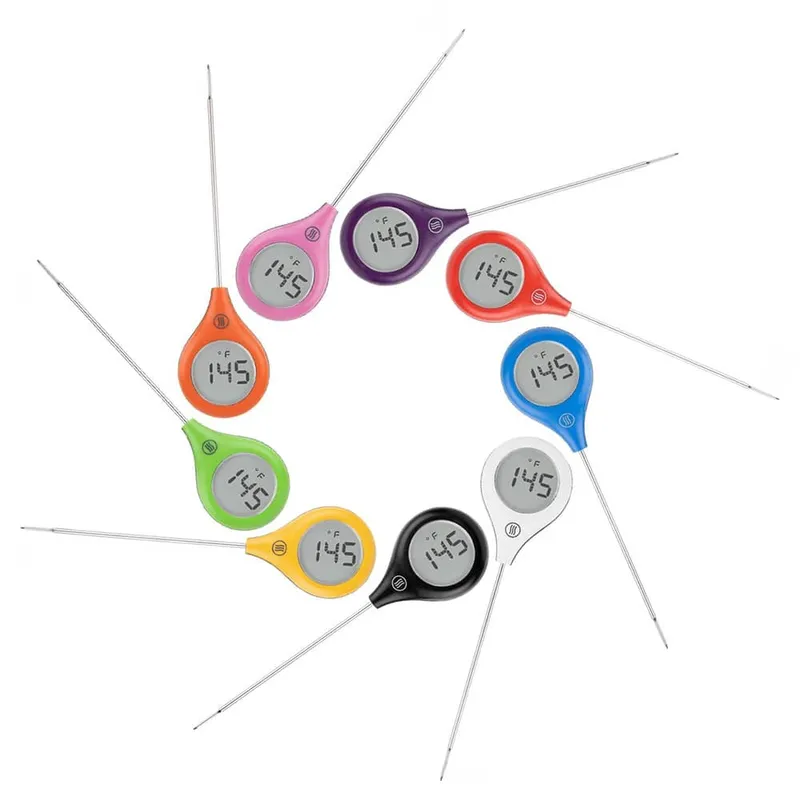 Official manufacturer image
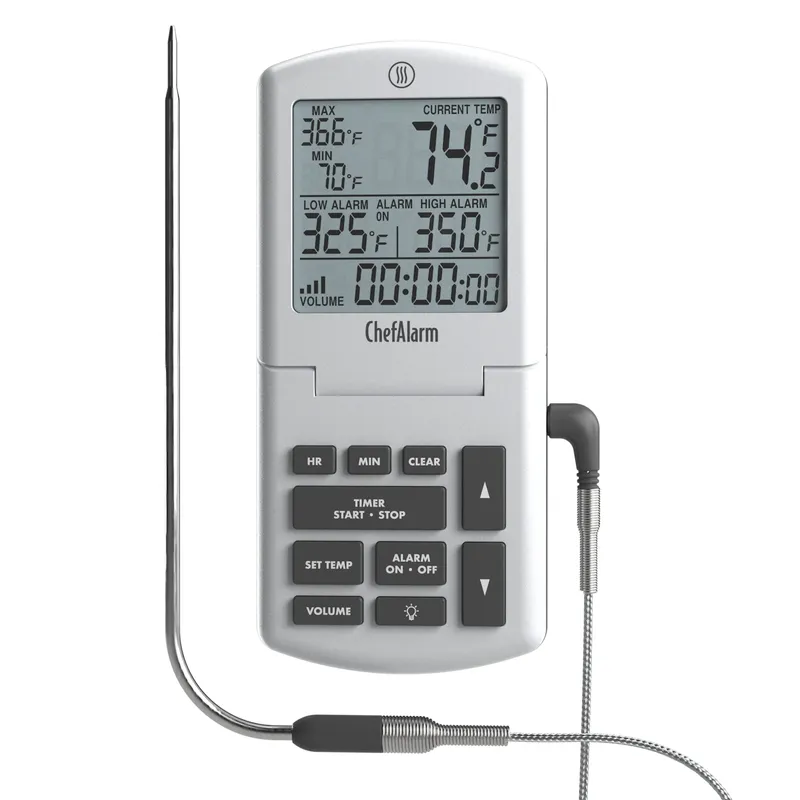 Official manufacturer image
Common questions
Only if the manufacturer identifies it as oven-safe or leave-in. Instant-read thermometers are generally intended for spot checks and should be removed after the reading.
Place the sensing area in the thickest edible section, away from bone, large pockets of fat, and the pan. Follow the product instructions because sensing zones vary.
A dial is simple and needs no cable, while a digital unit can add remote viewing and alarms. The better choice depends on visibility, controls, and the temperatures each component is rated to withstand.
Route it exactly as the maker directs and avoid pinching it in the door or exposing it to heating elements. Cable construction and temperature limits differ by product.
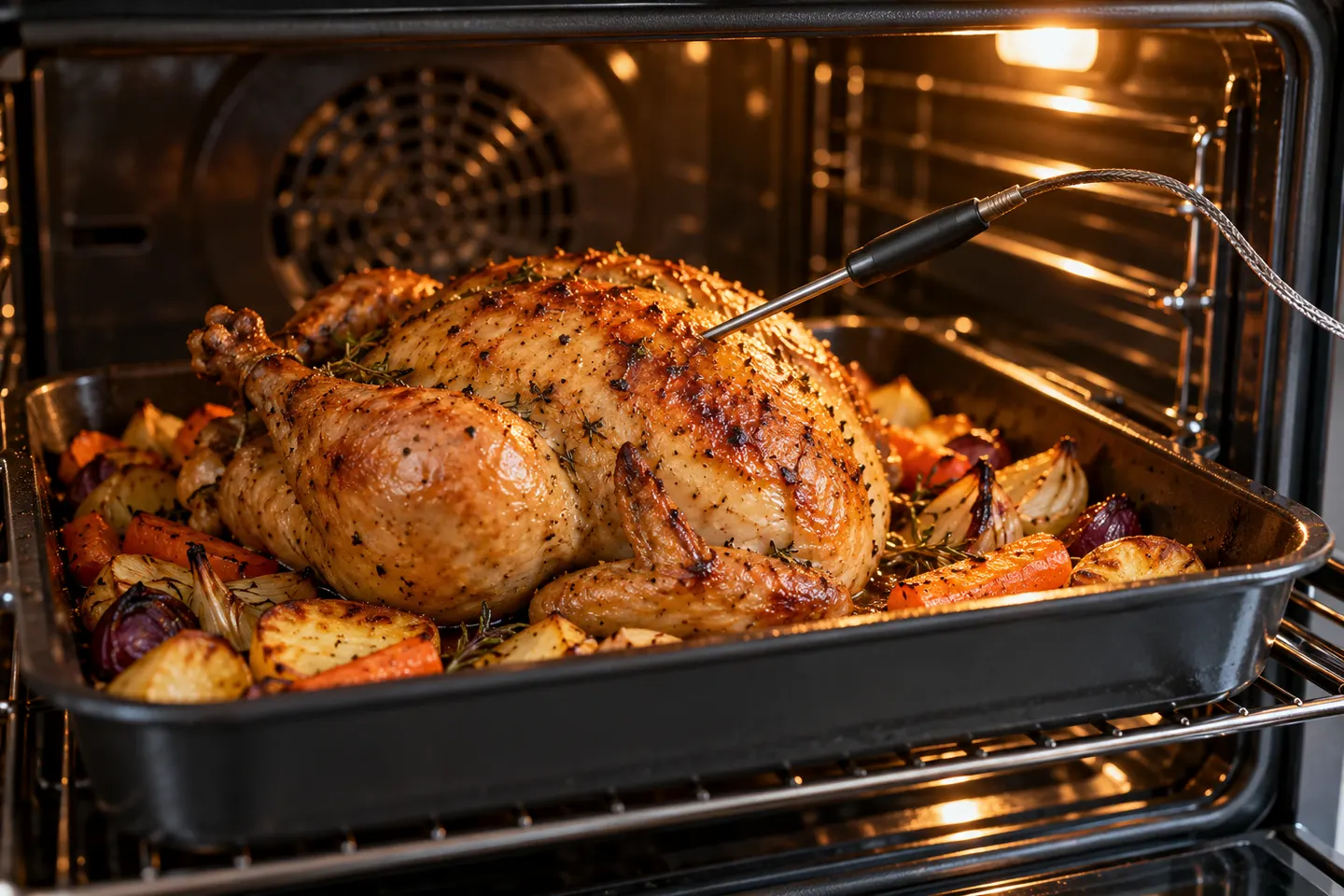 Oven safe
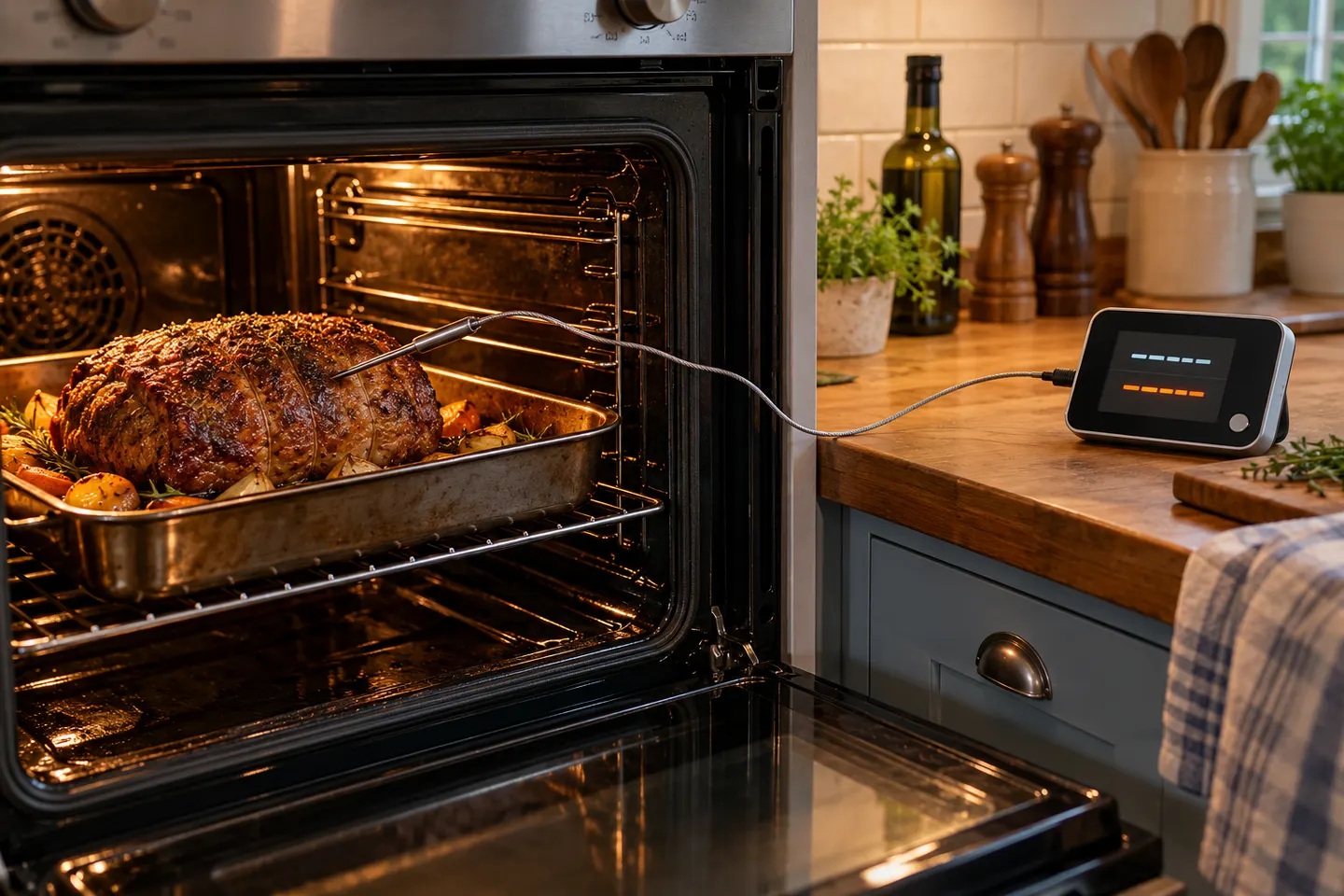 Oven
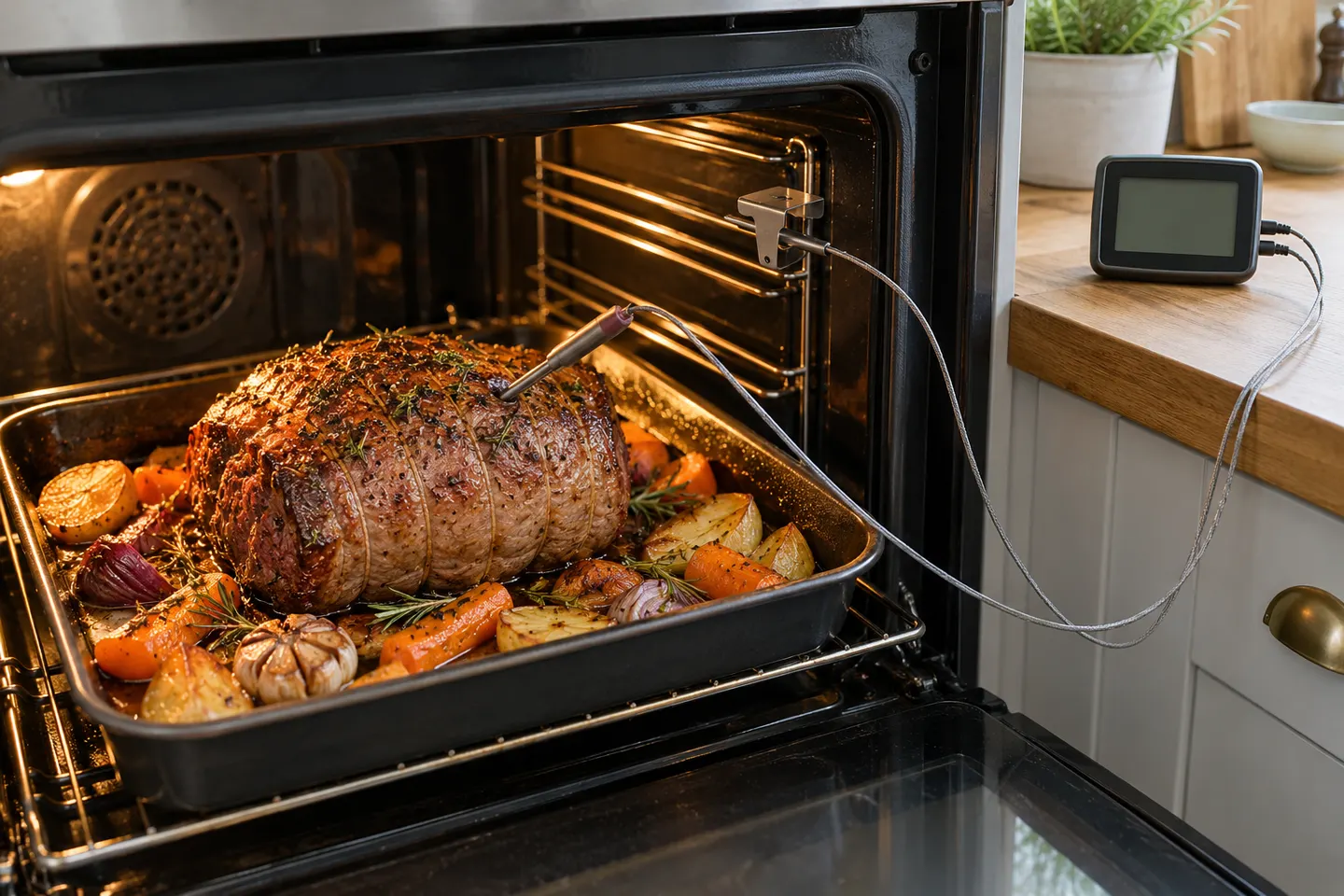 Digital oven
 Wireless oven
 Leave
 Can You Leave a Cooking Thermometer in the Oven?