









 Official manufacturer image
Our picks
Top picks
Official manufacturer image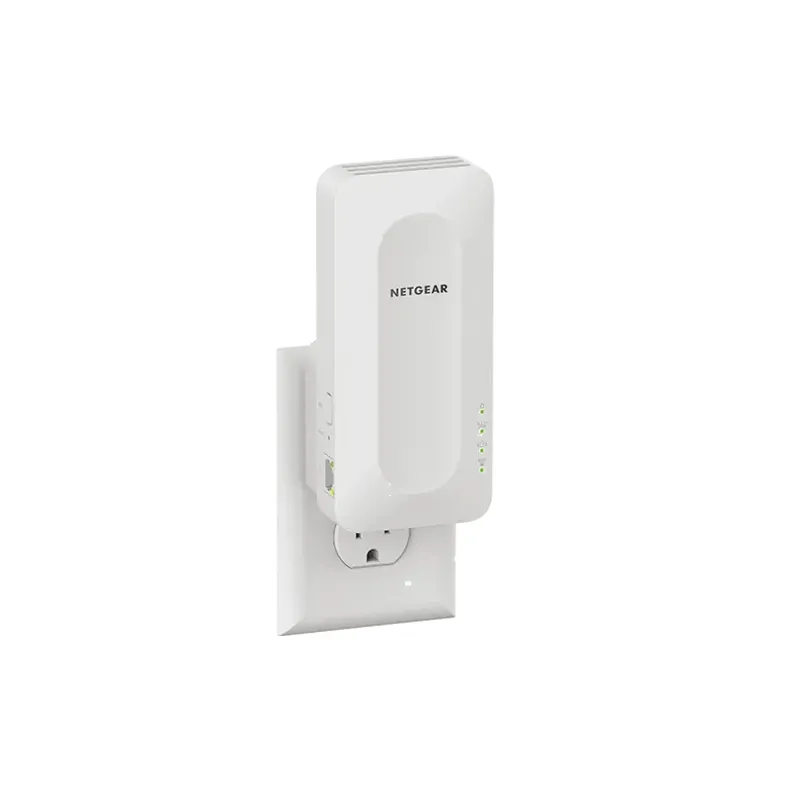 Official manufacturer image
NETGEAR EAX15
Check price on Amazon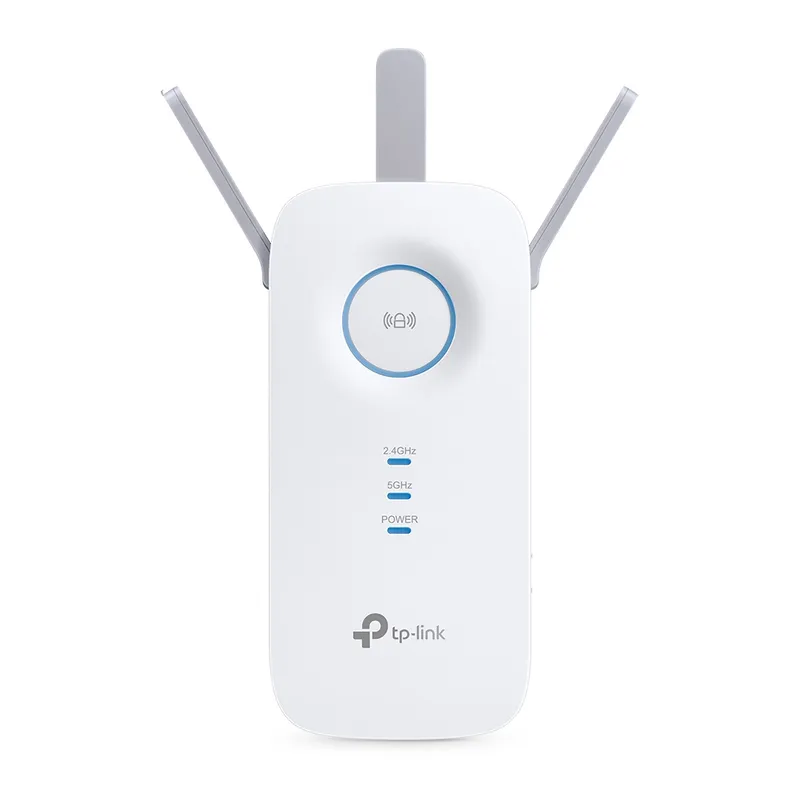 Official manufacturer image
TP-Link RE550
Check price on AmazonBy type
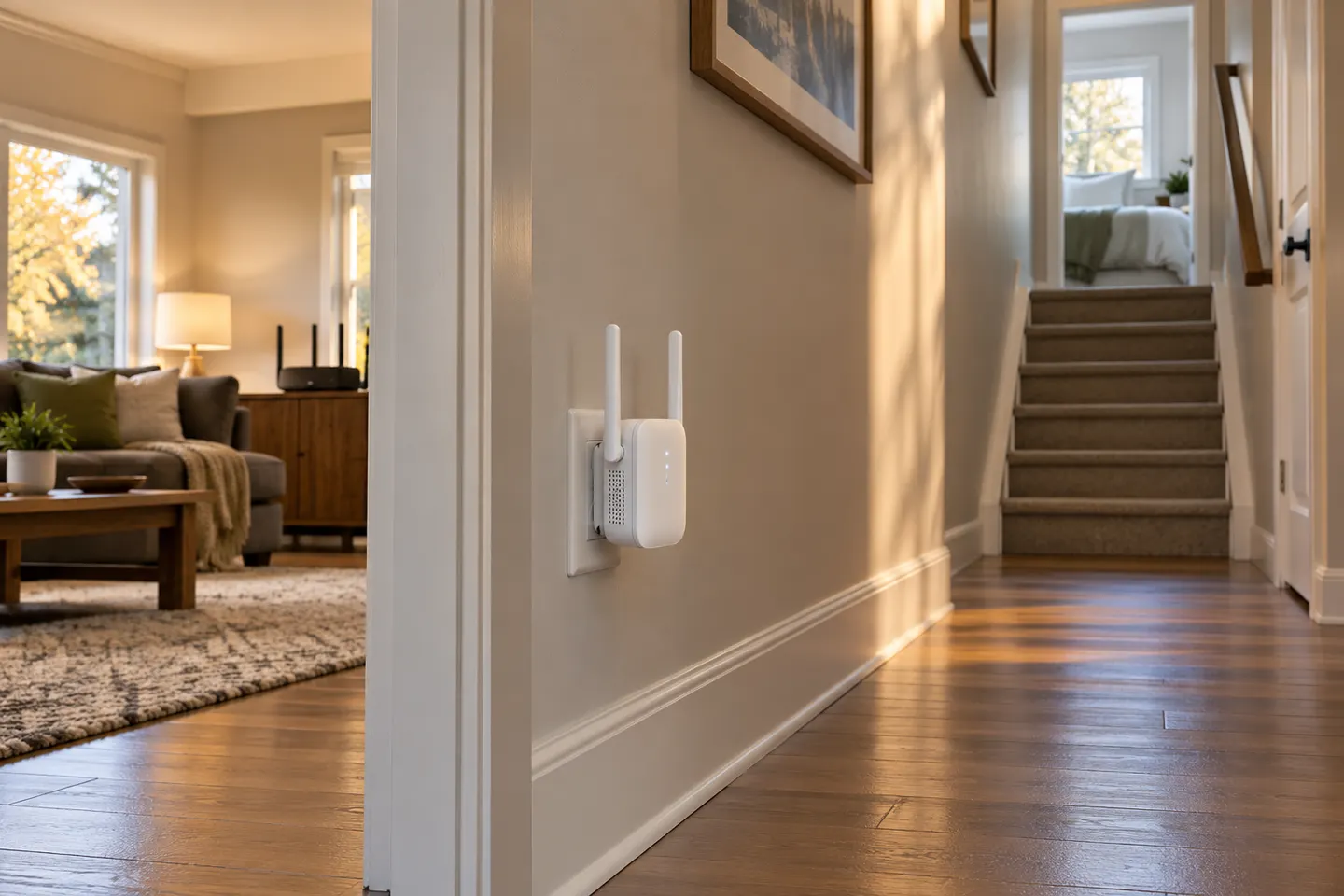 Plug
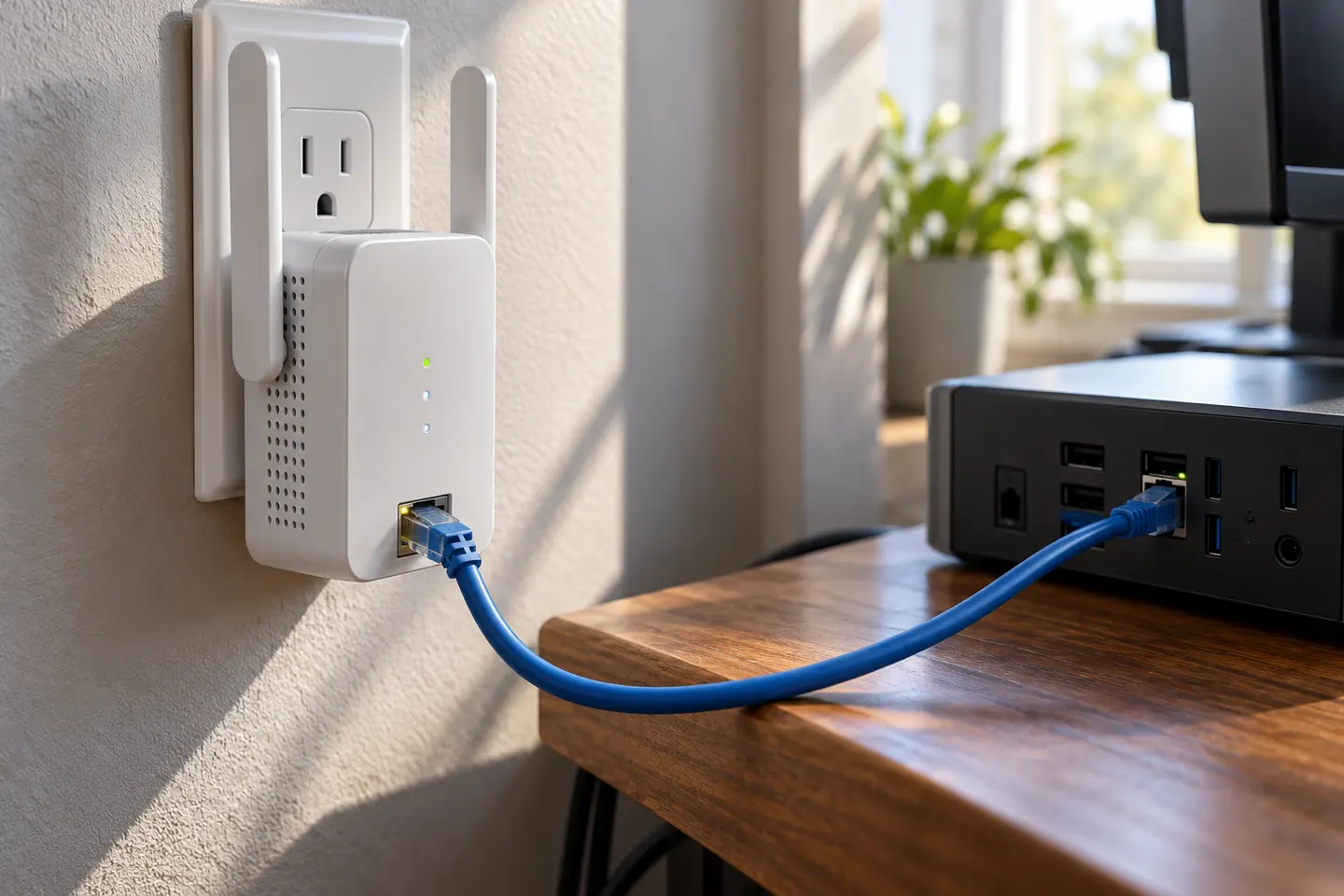 Ethernet plug
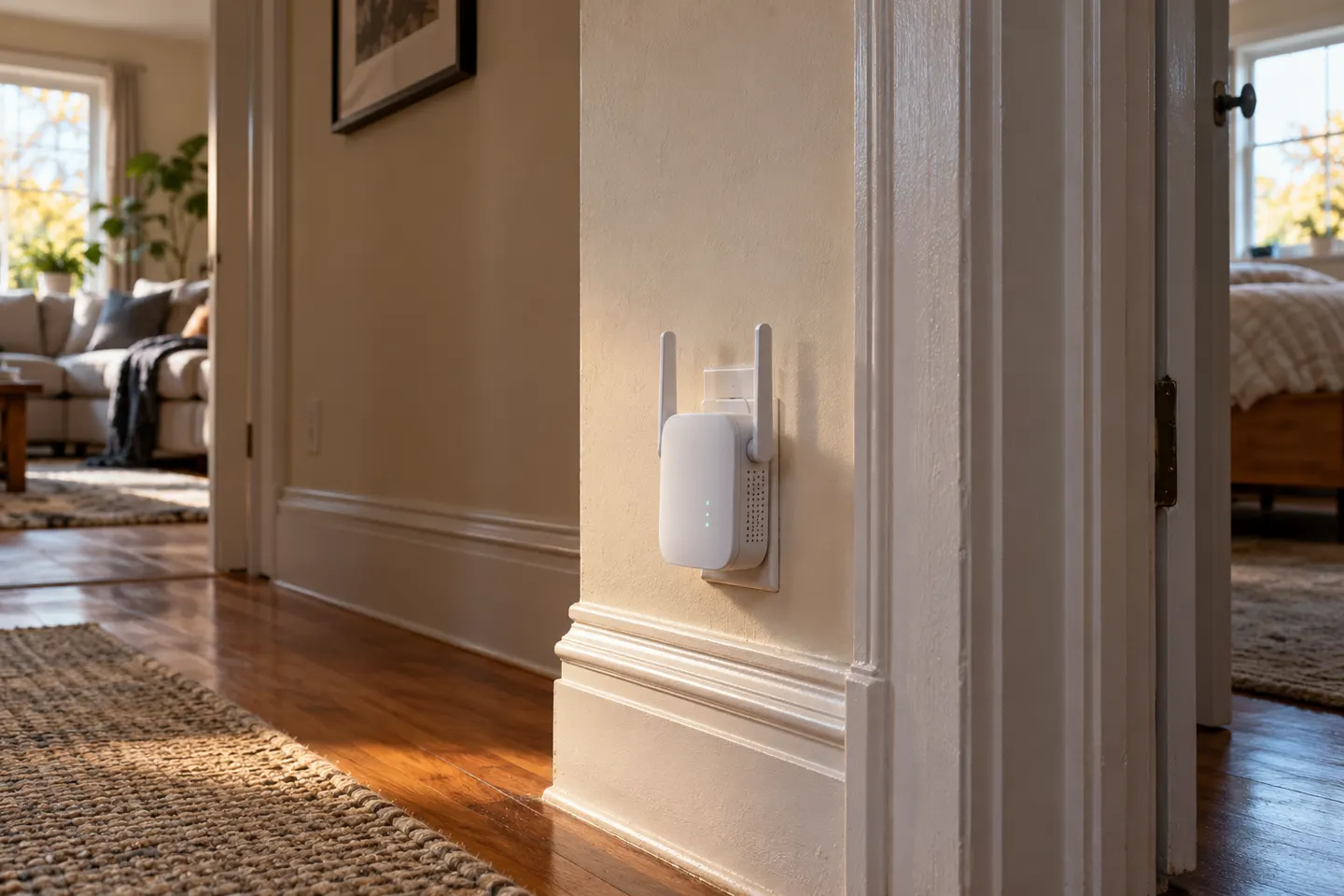 Wall plug
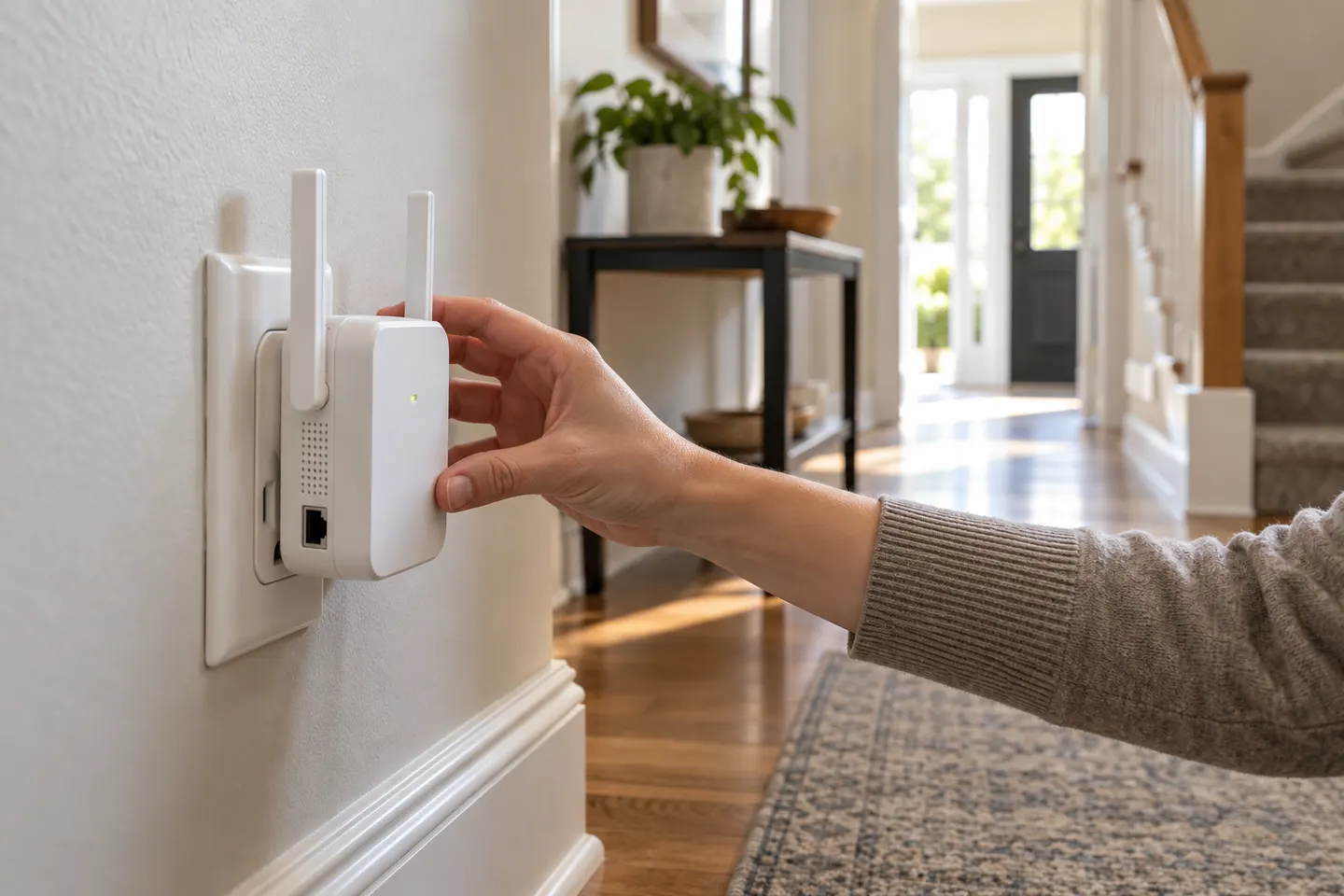 Plug in
Show all (6)
Common questions
Questions before you buy
Does a plug-in Wi-Fi booster need to be near the router?
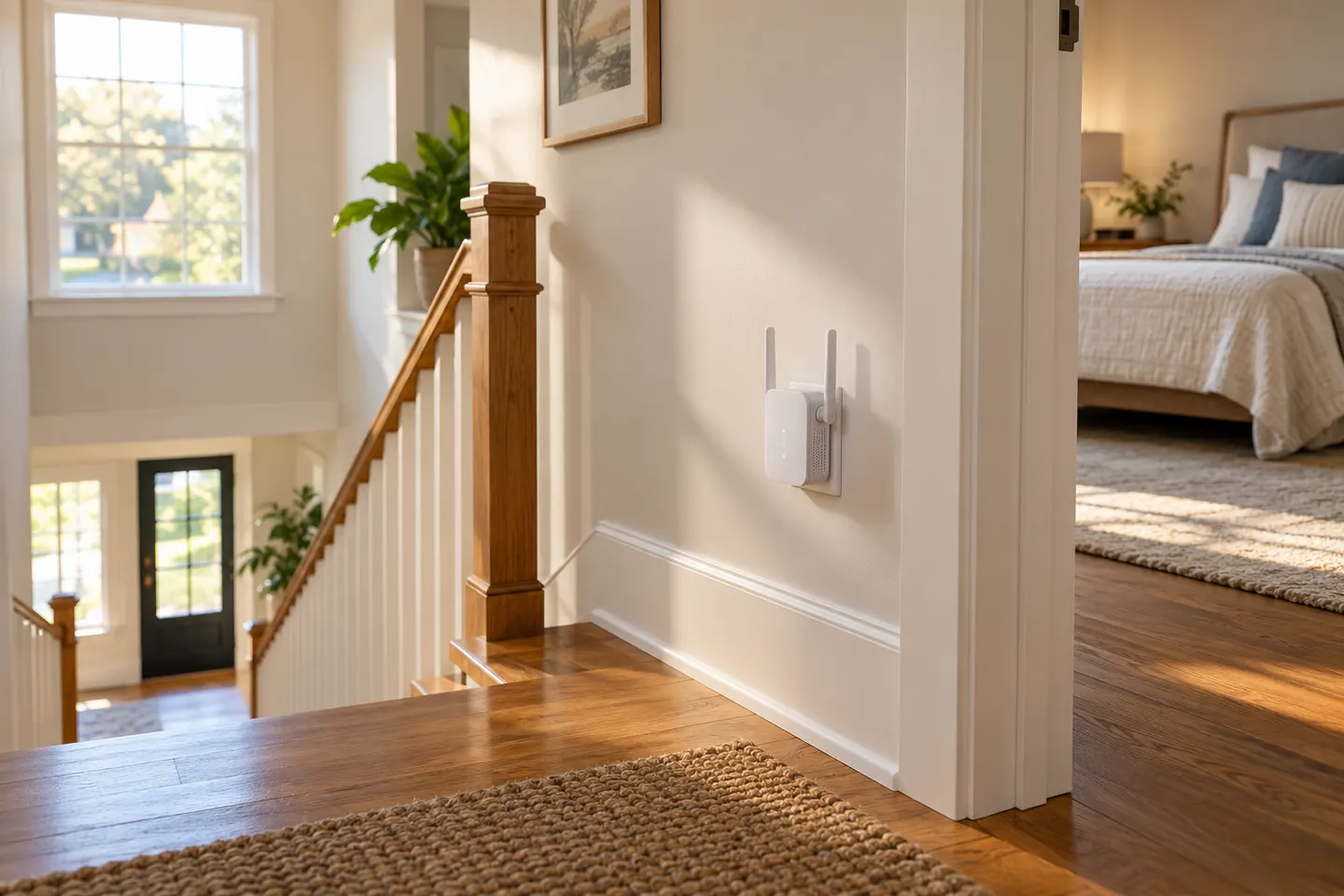
It needs a reliable connection to the router, but it need not sit beside it. Place it between the router and the weak area, where its indicator or app shows a usable source signal.
Can I plug a Wi-Fi extender into a power strip?
Follow the product instructions. A wall socket generally avoids interference or space issues from nearby electronics and large adapters.
Will a wall-plug booster work with any router?
Many range extenders support standard Wi-Fi routers, but exact compatibility depends on security settings, firmware and mesh features. Check the specific product support page.
Should I buy a plug-in extender or a mesh system?
A plug-in extender can be a lower-complexity way to cover one weak area. Mesh is often easier to manage across several rooms, especially when seamless roaming and a unified network are priorities.