




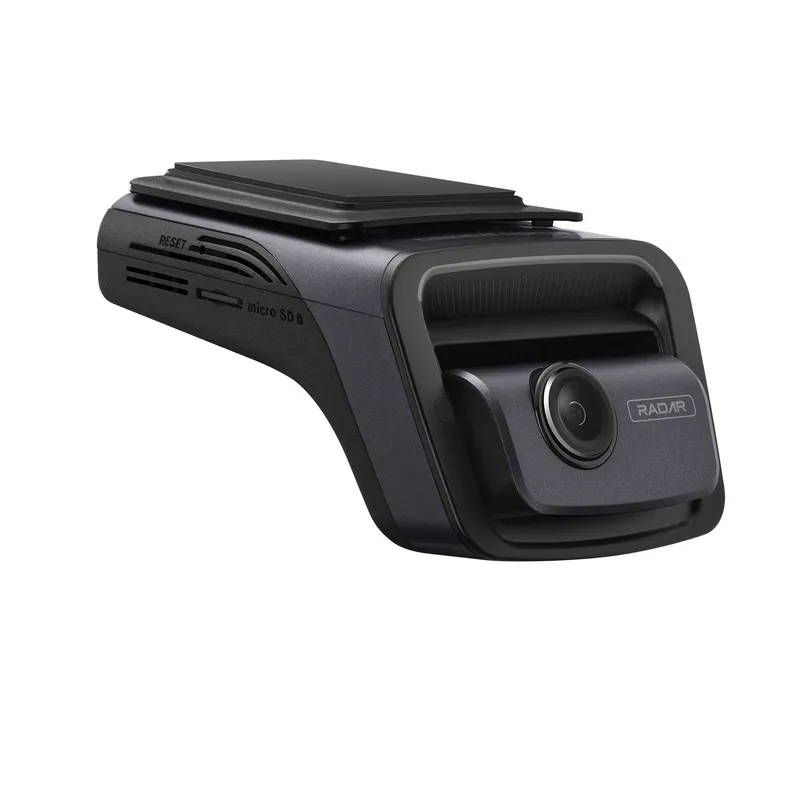
 Official manufacturer image
Our picks
Top picks
Official manufacturer image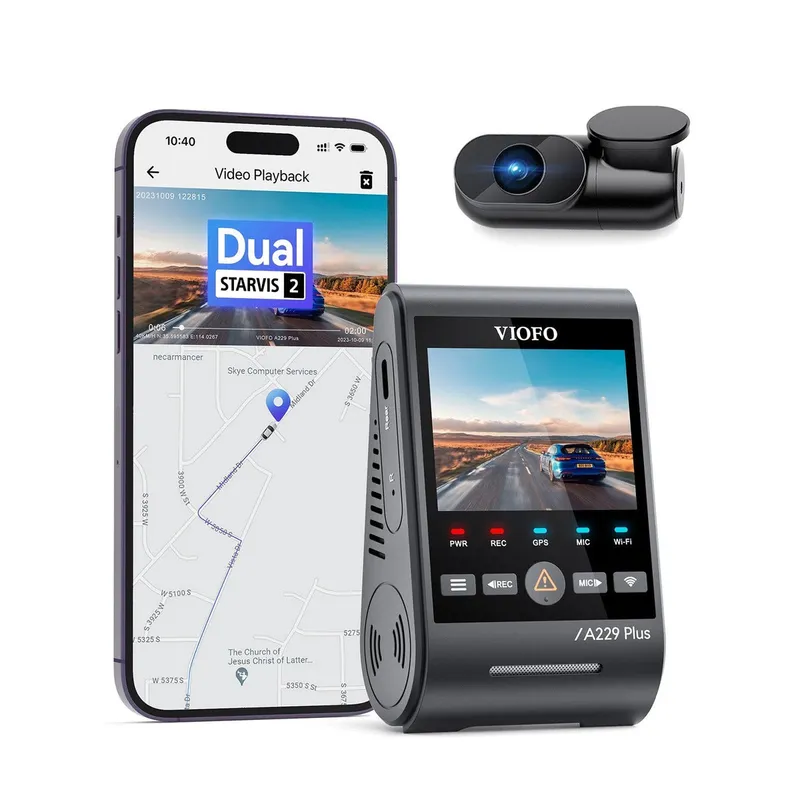 Official manufacturer image
VIOFO A229 Plus 2CH
Check price on Amazon AU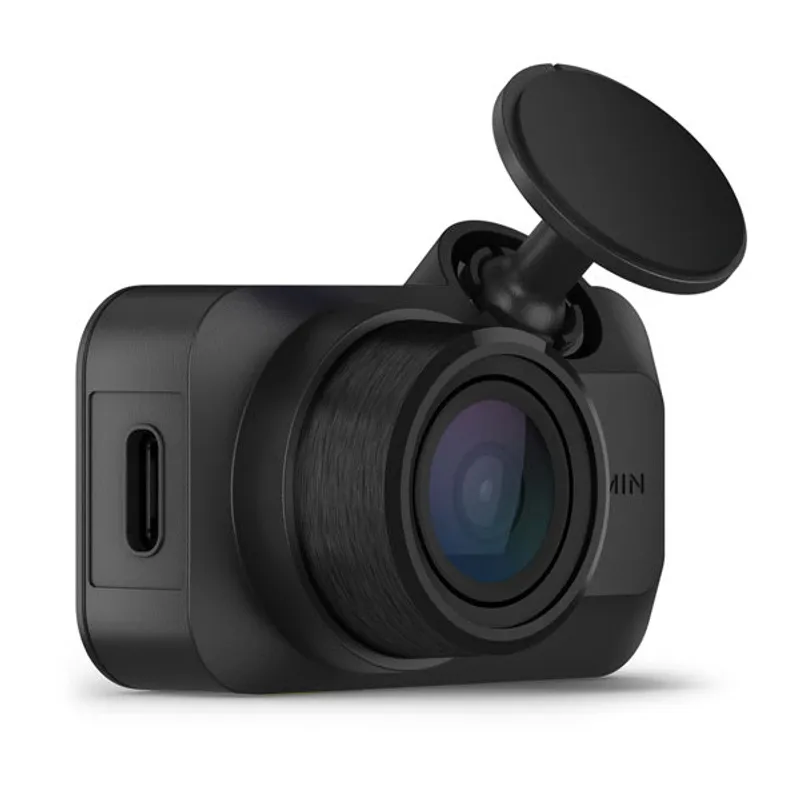 Official manufacturer image
Garmin Dash Cam Mini 3
Check price on Amazon AUCommon questions
Questions before you buy
Is a helmet or handlebar bicycle dash cam better?
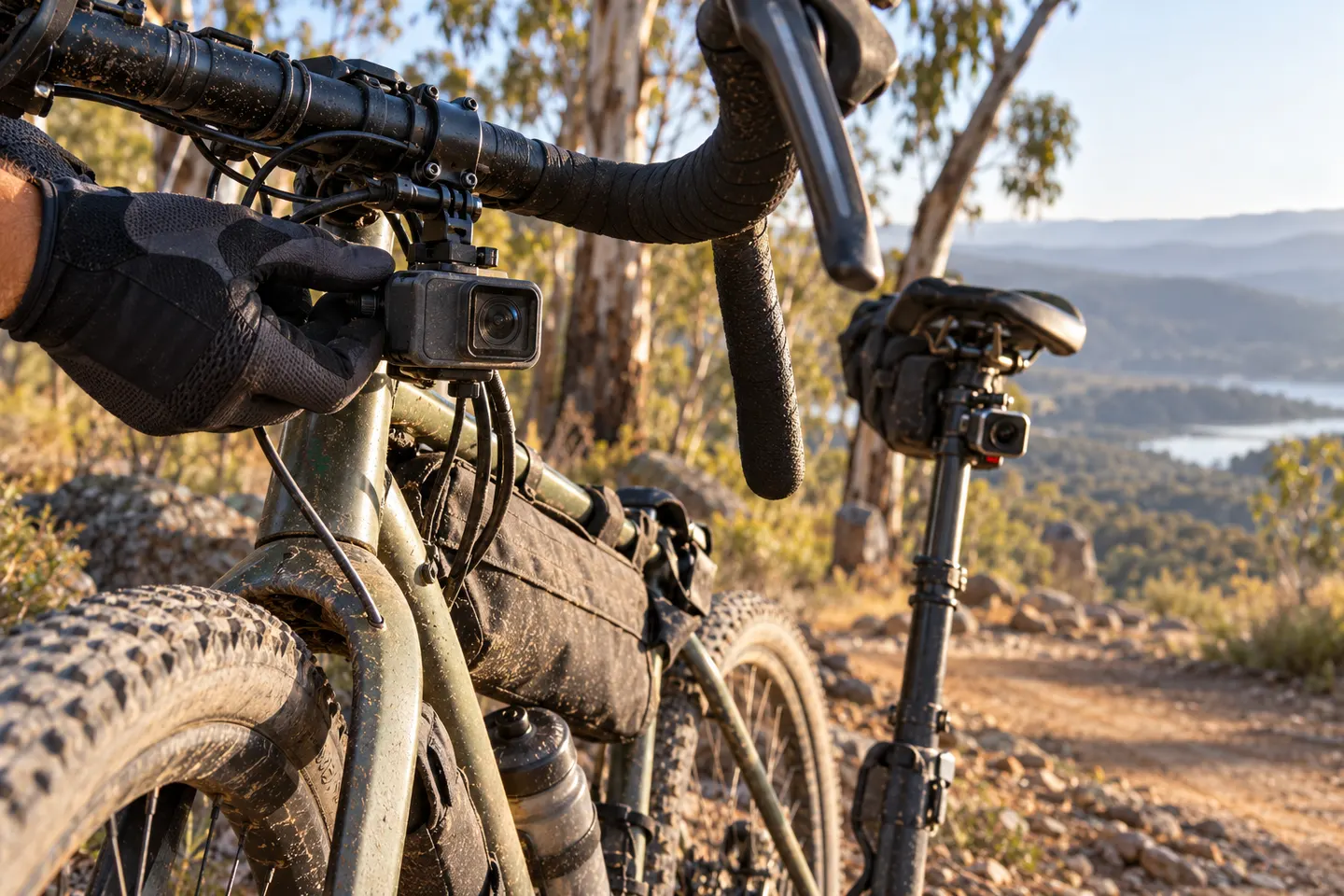
A handlebar mount gives a stable vehicle-centred view, while a helmet camera follows your head. Never drill or alter a helmet; use only mounting methods permitted by its manufacturer.
Should a cycling camera face forward or backward?
Forward captures developing hazards; rear-facing footage is useful for vehicles approaching and close passes. Choose the direction that addresses your main risk, or use two cameras if runtime and weight allow.
How much battery life does a bicycle dashcam need?
It should cover the longest ride you expect in the chosen resolution and recording mode, with margin for cold weather and battery ageing. Manufacturer runtime is a comparison point, not a guarantee.
Can an action camera work as a bicycle dash cam?
Yes, if it offers secure mounting, suitable runtime and manageable loop recording. Some action cameras require more manual file and battery management than purpose-built cycling cameras.