




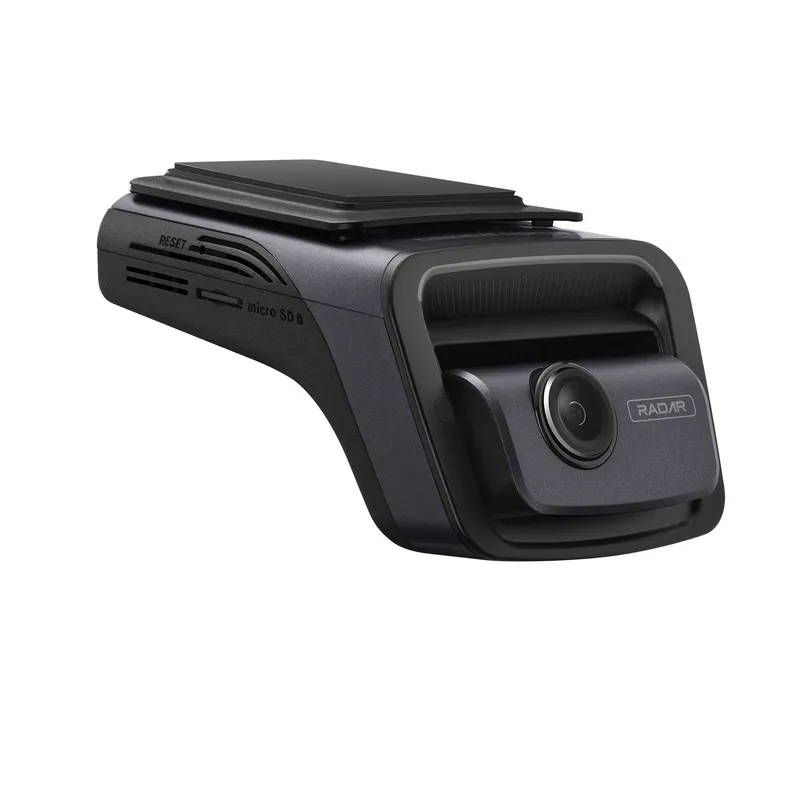
 Official manufacturer image
Our picks
Top picks
Official manufacturer image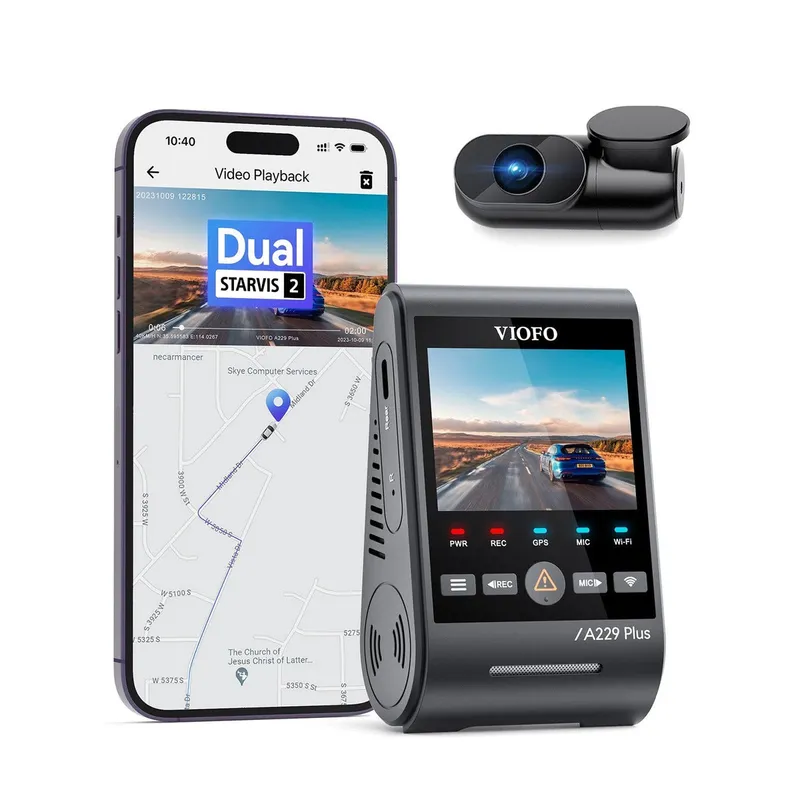 Official manufacturer image
VIOFO A229 Plus 2CH
Check price on Amazon AU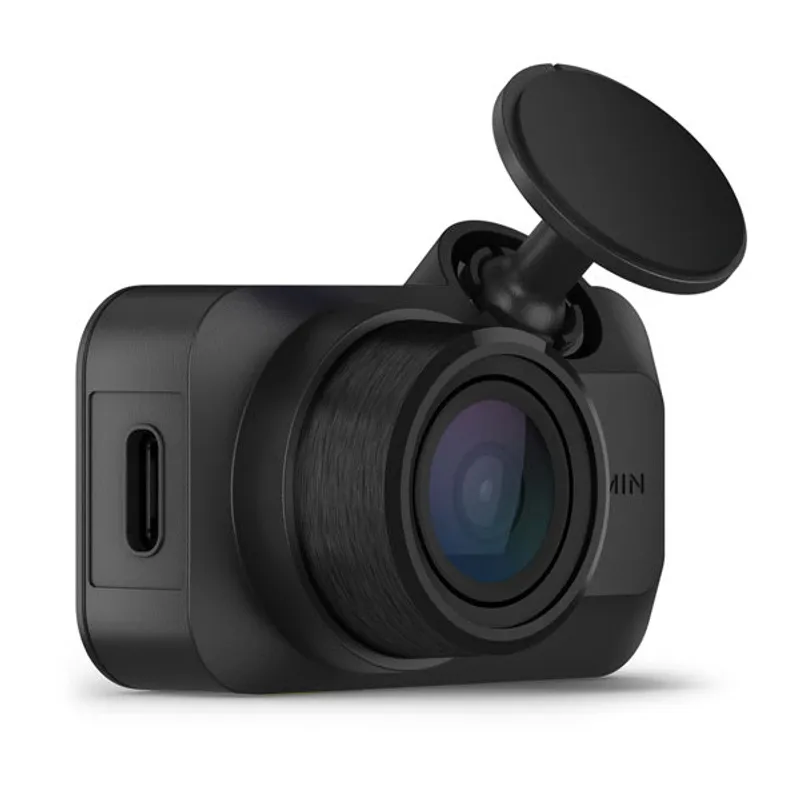 Official manufacturer image
Garmin Dash Cam Mini 3
Check price on Amazon AUCommon questions
Questions before you buy
What makes dash cam video high quality?
Useful detail comes from the sensor, lens, exposure, dynamic range, bitrate and compression working together. Resolution alone cannot guarantee readable moving plates.
Is 4K always better than 2K for dash cams?
It can capture more detail, but only if the imaging and encoding support it. A well-tuned lower-resolution camera may handle motion or low light more effectively than a weak 4K implementation.
Why does dash cam footage look blurry at night?
Low light forces compromises between exposure and motion blur, while headlights can create extreme contrast. HDR and good tuning help, but no camera can recover detail that was never captured.
Does bitrate matter for dash cam quality?
Yes. Higher bitrate can preserve more detail and reduce compression artefacts, though it also shortens recording time for a given memory card capacity.